




Mto wa Mbu Cultural Guide: Local Life, Food and Colourful Northern Tanzania Experiences
Northern Tanzania's Most Colourful Cultural Village
Mto wa Mbu — which means “River of Mosquitoes” in Swahili — is one of northern Tanzania's most rewarding cultural stops. The name belies a genuinely warm and vivid destination: a village of farming communities, daily markets, banana plantations, rice fields, craft workshops, and an extraordinary mix of peoples from over 120 different tribes who have settled here over generations.
Located at the foot of the Rift Valley escarpment, between Lake Manyara National Park and the road to Ngorongoro, Mto wa Mbu is ideally placed on the northern safari circuit. Most travellers pass through without stopping — those who pause for even a morning guided walk discover a place full of colour, flavour, and genuine community character that adds real depth to a wider Tanzania journey.
With Warriors of Africa Safari, a Mto wa Mbu experience is shaped around private local guiding, a relaxed pace, food encounters, and respectful community visits. Whether as a half-day cultural chapter within a longer safari itinerary or as a more intentional cultural destination in its own right, Mto wa Mbu rewards guests who slow down and pay attention.
Why Mto wa Mbu Is So Special
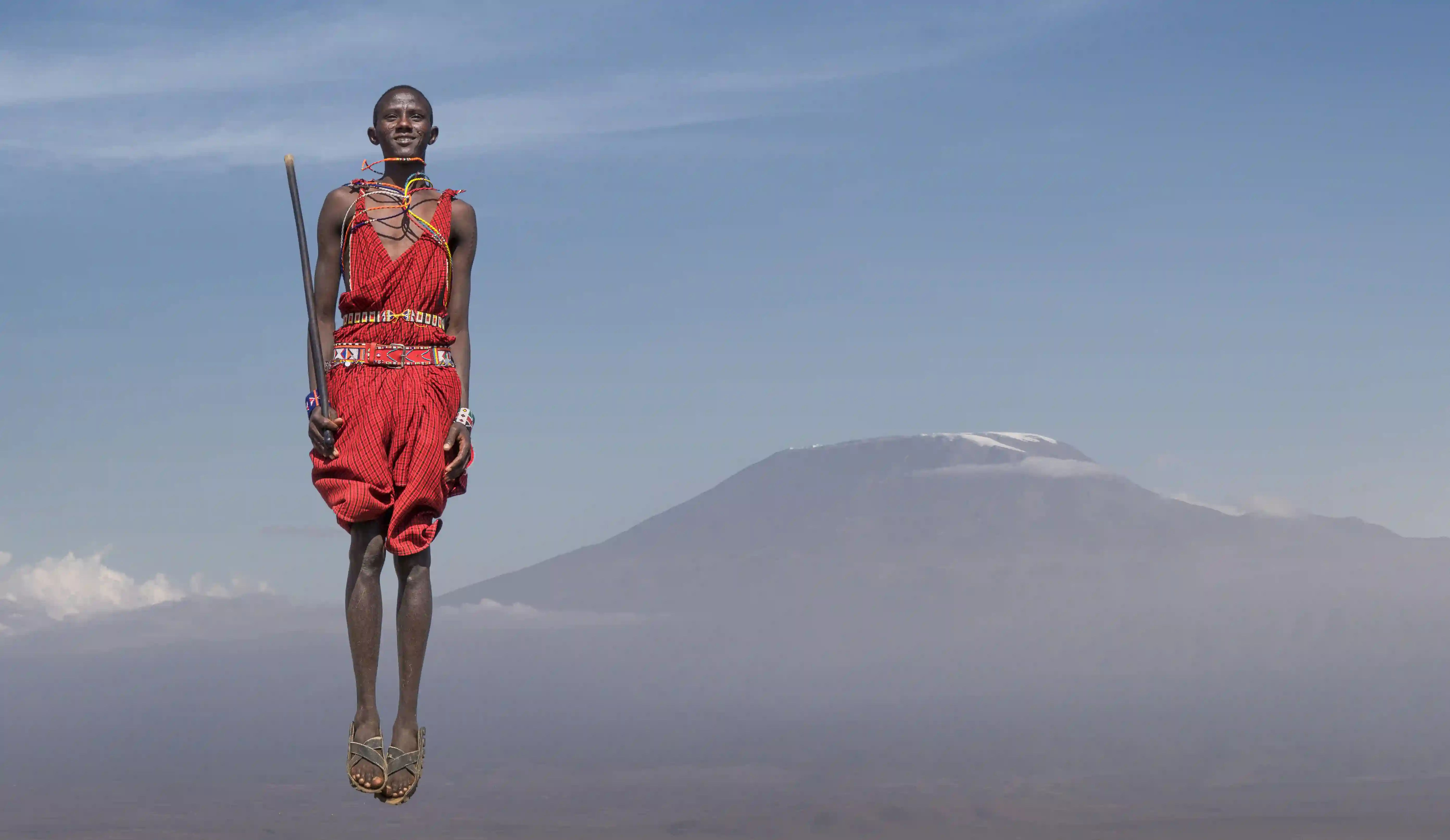
What makes Mto wa Mbu unusual in Tanzania is its sheer diversity. Over 120 tribes have settled in this one village — drawn by the fertile ground, the permanent river, and the trade position on the northern route. Walking through the market or cycling through the farms, guests encounter Chagga, Maasai, Iraqw, Hadzabe, Rangi, and dozens of other communities living and trading alongside one another. It is rare anywhere in East Africa to find this kind of cultural concentration in a single place.
The food is another reason Mto wa Mbu stands out. The village grows an extraordinary variety of produce — bananas, plantains, rice, maize, papaya, avocado, sugar cane, and more — and the local cooking reflects this richness. A guided lunch at a family kitchen or a walk through the market tasting fresh fruit is a genuinely memorable part of any northern Tanzania journey.
Finally, the setting itself is special. The Rift Valley escarpment rises behind the village in a dramatic wall, Lake Manyara shimmers to the south, and the air is warm and green year-round. It is one of those places that photographers return to repeatedly — rich in colour, light, and human texture at almost any time of day.
KEY VILLAGE FEATURES
From the daily market and local food to cycling routes and the Rift Valley backdrop — what makes Mto wa Mbu one of Tanzania's most colourful cultural stops.
What to See and Experience in Mto wa Mbu
Mto wa Mbu rewards guests who move slowly and follow a knowledgeable local guide. The best experiences here are not found in guidebooks — they are found in conversations with market traders, in the shade of a banana plantation, over a bowl of ugali and beans at a family kitchen, or pausing to watch a weaver at work. The village has a natural, unhurried rhythm that makes it an ideal counterpoint to the pace of a safari.
Photography is particularly rich in Mto wa Mbu. The colours — of produce, fabric, painted walls, faces, and the green Rift Valley backdrop — are outstanding. A photography-focused walk with a guide who knows the right spots, the right timing, and how to ask permission respectfully can produce some of the most memorable images of a whole Tanzania journey.
Luxury and Comfort in Mto wa Mbu
Luxury in Mto wa Mbu is defined by access, ease, and quality of experience rather than by grand accommodation. The right private guide opens doors — to a kitchen that does not usually receive visitors, to an artisan's workshop before it opens to the public, to the quieter side of the market before the crowds arrive. This is what separates a truly refined cultural visit from a generic tourist stop.
The experience also benefits enormously from good timing. A morning arrival when the market is freshest, a shaded midday lunch at a well- chosen local kitchen, and a gentle afternoon cycling route before continuing to Lake Manyara or Ngorongoro — this rhythm is both relaxed and deeply rewarding. Warriors of Africa Safari arranges the full sequence so guests simply arrive and enjoy.
Best Time to Visit Mto wa Mbu
Mto wa Mbu is a year-round destination. Unlike safari parks that depend heavily on dry-season wildlife concentrations, the village and its cultural experiences remain accessible and rewarding in almost any month. The main considerations are road conditions for onward travel, the lushness of the farms, and the overall comfort of walking and cycling in the heat.
The dry months from June to October offer the easiest travel conditions and pair most naturally with northern circuit safaris. January and February are excellent for photography — the farms are still green and lush from the short rains, the light is warm, and visitor numbers are lower. The rainy months from March to May bring the heaviest growth in the fields and a quieter, more local atmosphere.
For photography-focused guests, January and February are outstanding months — the farms are at their most lush after the short rains, the light is warm and golden in the morning, and the market and village life are at their most vibrant without peak-season crowds.
January
January brings lush green scenery from the short rains, with farms and fields at their most vibrant. Village life is busy and photogenic.
A good month for food and photography — the market is colourful, the farms are lush, and visitor numbers are relatively low.
Combining Mto wa Mbu with Other Tanzania Destinations
Mto wa Mbu works most naturally as a cultural chapter woven into a northern circuit safari. Its position between Lake Manyara and the Ngorongoro highlands makes it an easy and logical stop that adds genuine depth to a journey that might otherwise move too quickly from park to park. A morning in the village followed by an afternoon game drive in Lake Manyara is one of the most naturally balanced day structures on the northern circuit.
For guests who want more cultural immersion, Mto wa Mbu can also anchor a short standalone cultural break — arriving from Arusha, spending a full day in the village, and departing the following morning toward Ngorongoro or Tarangire. The surrounding Rift Valley landscape gives the stay a beautiful natural frame even without a game drive.
Mto wa Mbu Gallery Collection
Drag and explore our curated collection of shots from Mto wa Mbu
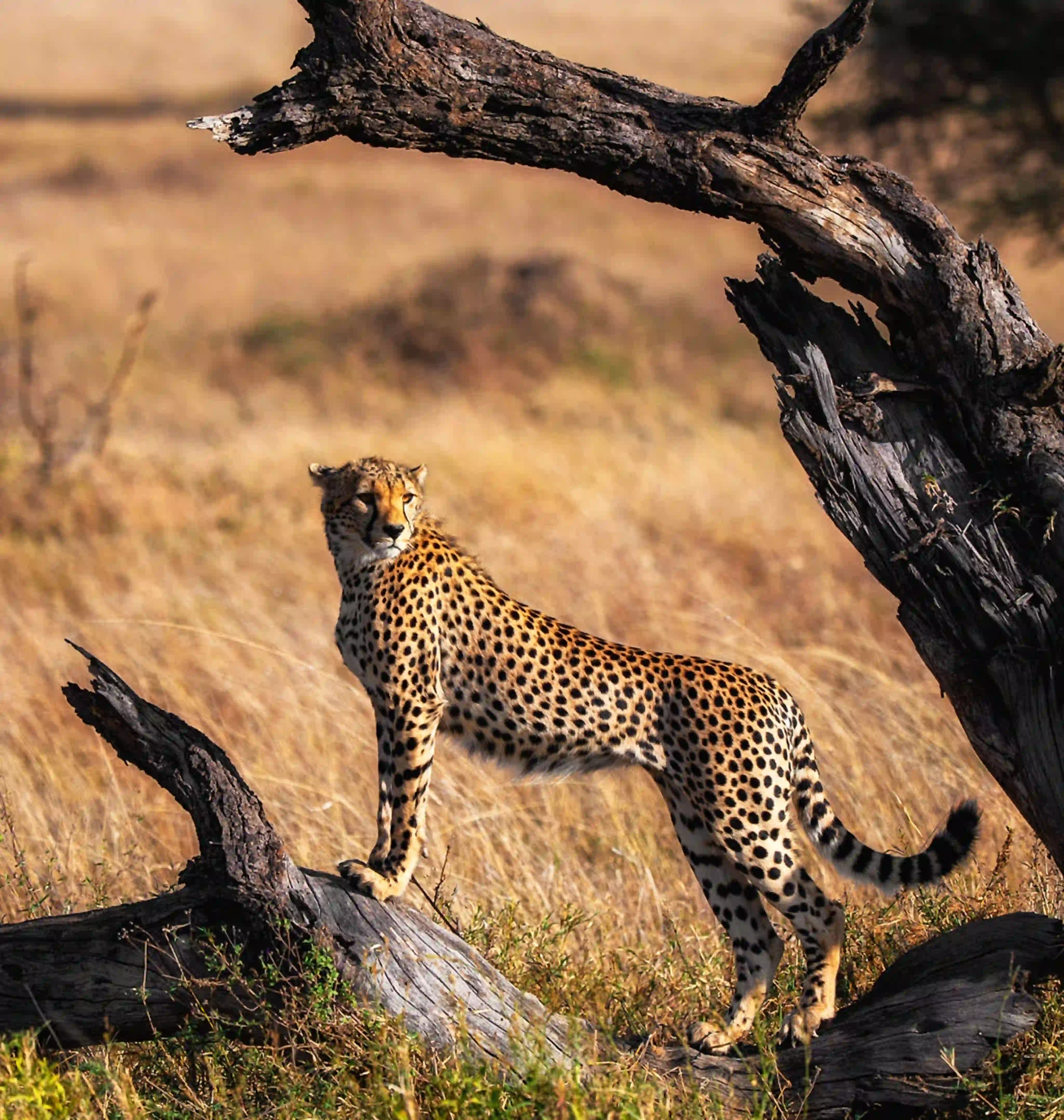
Village Market
The daily market at Mto wa Mbu — fresh produce, spices, and community life
Village Life
Cycling through the banana farms and rice fields of Mto wa Mbu.
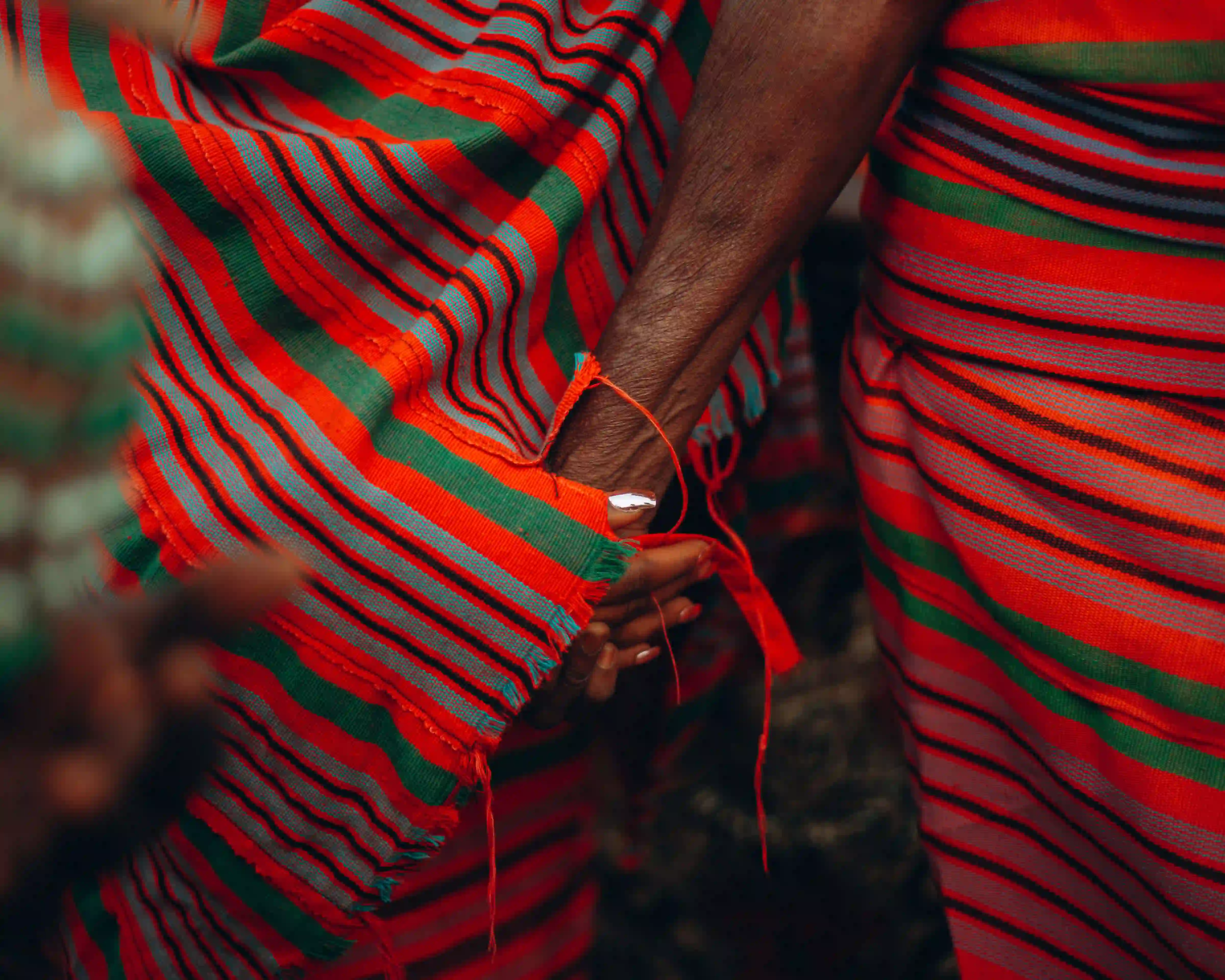
Banana Farms
Lush banana plantations that line the village cycling routes
Local Food
Fresh fruit, grains, and local dishes — the food culture of Mto wa Mbu
Craft Workshops
Local artisans at work — woodcarving, weaving, and painting.
Rift Valley Escarpment
The dramatic Rift Valley wall rising behind the village of Mto wa Mbu
Village Community
Over 120 tribes have settled in Mto wa Mbu — one of Tanzania's most diverse communities
Responsible and Respectful Travel in Mto wa Mbu
Cultural travel in Mto wa Mbu requires a different kind of care than a wildlife safari. The people, their homes, their food, their faith, and their daily lives are not an exhibit — they are real lives being lived. Guests should approach every encounter with respect, curiosity, and patience. A good guide makes all the difference here: they know what is welcome and what is not, and they keep the experience feeling genuine rather than performed.
Responsible spending matters too. Buying directly from artisans, paying fairly for food and services, and choosing community-based operators ensures that tourism creates real benefit for the people who make Mto wa Mbu so rewarding to visit. With Warriors of Africa Safari, these commitments are part of every cultural stop we arrange.
Frequently Asked Questions
Everything you need to know about visiting Mto wa Mbu
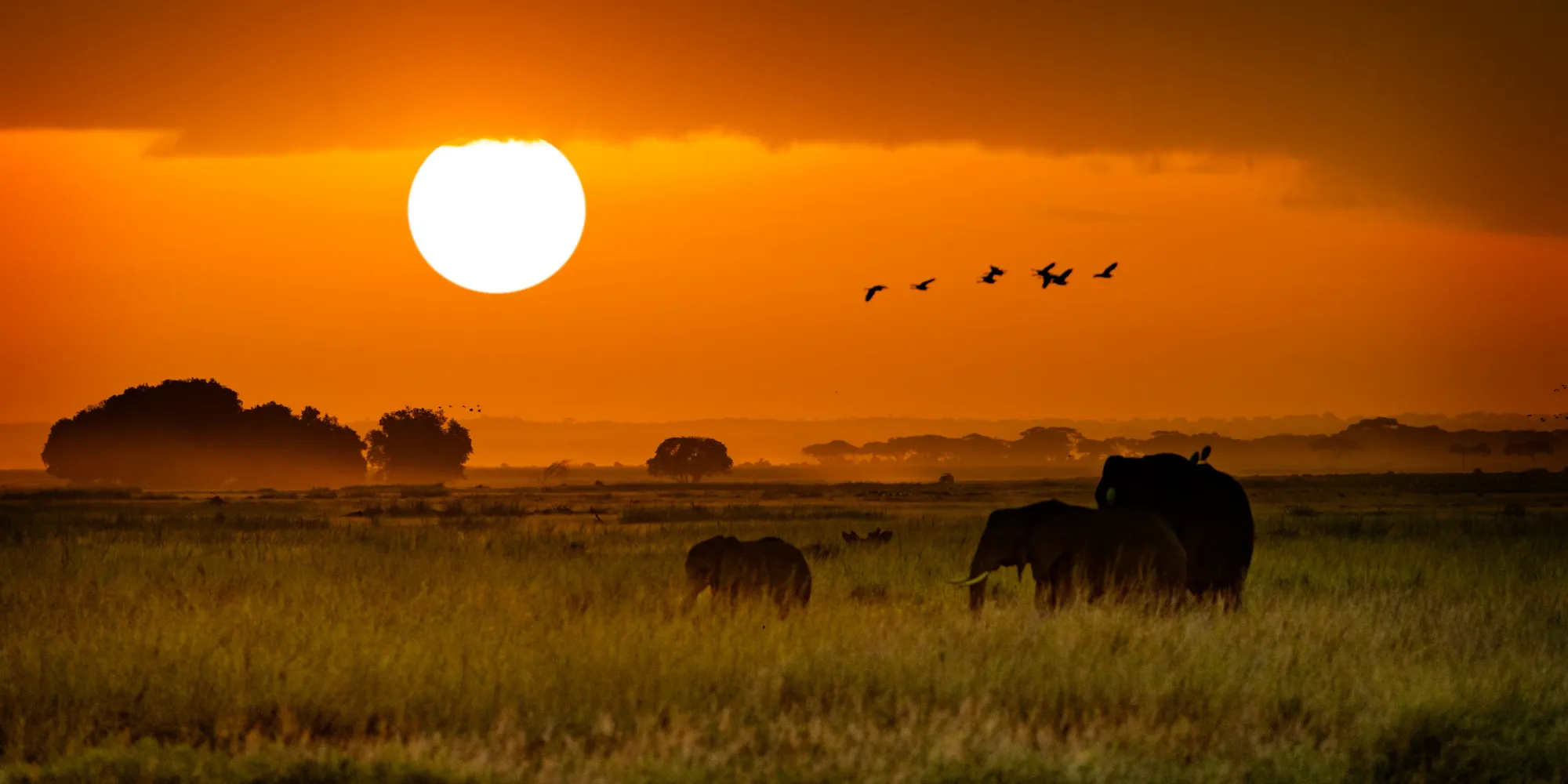
Tours From Mto wa Mbu
Handpicked safaris that visit or depart from this destination.

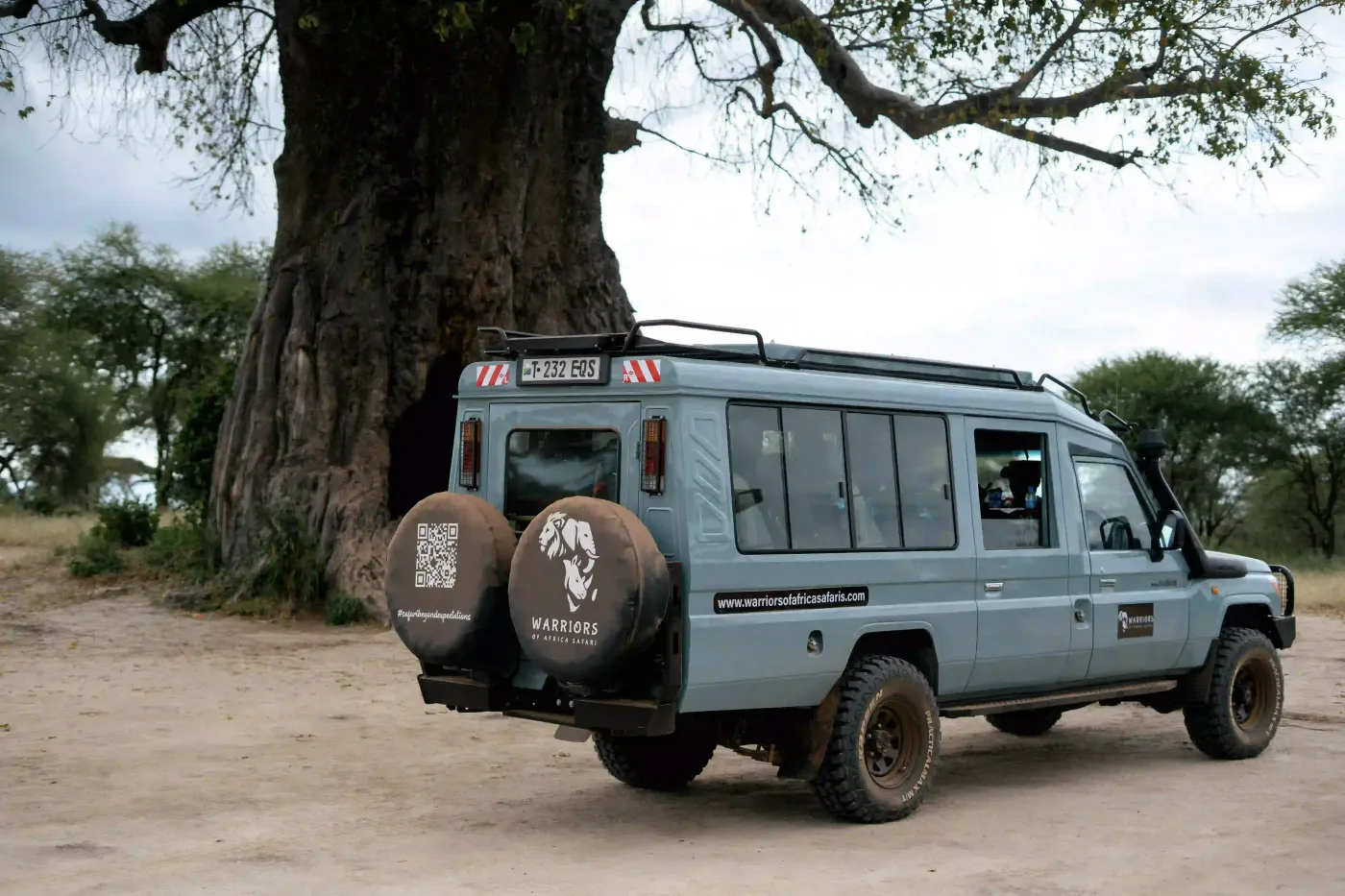
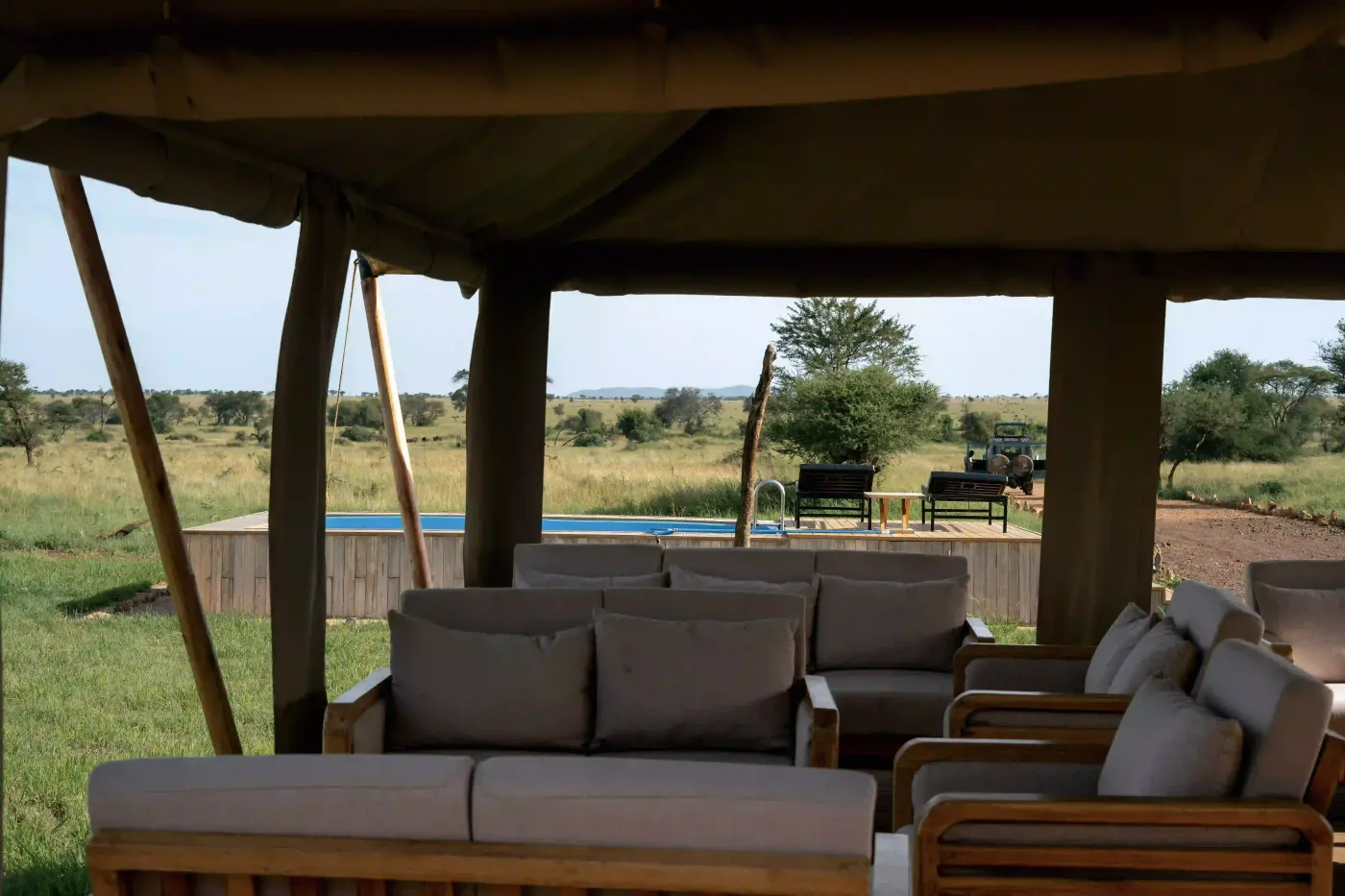
Download Safari Guide
Get our comprehensive Mto wa Mbu Guide packed with tips, itineraries, and destination info.