
 4 Days · 3 Nights
4-Day Classic Tanzania Safari
Tarangire · Serengeti · Ngorongoro
- Tarangire, Central Serengeti and Ngorongoro Crater
- Private safari vehicle and a professional driver-guide
From$1,899per person
.webp)
The Ngorongoro Crater is one of the most extraordinary places on Earth. Formed when a massive ancient volcano collapsed inward roughly three million years ago, the resulting caldera — 19 km across and 600 m deep — has become a self-contained world of grassland, forest, freshwater lakes, and soda flats that supports one of the highest wildlife densities anywhere in Africa. It is a UNESCO World Heritage Site, a Biosphere Reserve, and for many travellers, the single most memorable experience of their Tanzania journey.
Inside the 8,292 km² Ngorongoro Conservation Area that surrounds it, the crater floor — a compact 260 km² — holds an estimated 25,000 large animals at any one time. Lion prides are resident year-round. Elephant bulls patrol forest streams. Hyena clans are among the most visible in Africa. And in the cover of the Lerai Forest and the short-grass plains, one of Tanzania's rarest and most celebrated residents lingers: the black rhinoceros.
Warriors of Africa Safari designs every Ngorongoro visit around early crater entry, a full packed-lunch descent, specialist crater guiding, and thoughtful wildlife positioning — so guests are never rushed past a pride at rest or a rhino emerging from the forest edge at dusk. For a destination this good, time and placement matter enormously.
What makes Ngorongoro different from any other safari destination is its containment. The 600 m walls act as a natural enclosure — wildlife does not migrate out, predators and prey have evolved in close proximity for millennia, and the result is an ecosystem of extraordinary density and drama. A single day on the crater floor can yield more significant wildlife sightings than a week in a larger park where animals are dispersed across a vast landscape.
The black rhino is the crater's defining celebrity. Tanzania holds one of Africa's largest remaining black rhino populations, and Ngorongoro is among the very best places on the continent to observe them. With patience and a guide who knows their patterns, sightings are genuinely achievable — a far cry from the luck required in open wilderness areas. The crater is also one of the only places where you might realistically see all five Big Five members in a single day.
Beyond the wildlife, the physical experience of descending into the caldera is unforgettable. The rim at 2,300 m is cool and forested; the descent road drops through forest and cloud cover before opening onto a vast green plain that stretches to the horizon. The scale is humbling. The silence, before the day begins, is extraordinary.
From the dense wildlife and black rhino encounters to flamingo flocks and Maasai culture — what makes Ngorongoro one of Africa's most extraordinary destinations.
A full crater day is the foundation of any Ngorongoro experience. Early descent at dawn — when the morning mist clings to the caldera walls and the crater floor begins to stir — is one of the most dramatic arrivals in safari travel. By mid-morning, lion prides are often still active, hyena clans are returning from overnight hunts, and the elephant bulls have begun their slow patrol toward the Lerai Forest.
Lake Magadi — the soda lake that occupies a large portion of the crater floor — draws flamingos by the thousands and supports hippo pools and wildebeest crossings. The short-grass plains surrounding it offer wide-open visibility for cheetah and serval. On the crater's forested western edge, the Lerai Forest is the best area for leopard and for the patient pursuit of black rhino sightings.
Ngorongoro is one of Africa's truly elite safari destinations, and the rim lodges reflect that status. The best properties offer heated rooms above the cloud line, crater-view terraces, wood-fire dinners, and guided rim walks at dawn before descent. The contrast between cool highland comfort in the evening and the dramatic heat and wildlife drama of the crater floor by mid-morning is a sensory experience unlike anything in safari travel.
For guests seeking total immersion, a two-night rim stay — one full crater day and one early-morning descent — allows the kind of unhurried exploration that reveals the crater's deeper rhythms. Predators are most active in the first and last hours of daylight; the mid-afternoon light over the caldera is a photographer's ideal. Warriors of Africa Safari designs the timing to capture all of this without rushing.
The Ngorongoro Crater is a year-round destination. Unlike open savannah parks that depend on seasonal migrations, the crater holds its wildlife permanently — lion prides, elephant bulls, hippo pools, and black rhino are all resident every month of the year. The key variables are crowd levels, road conditions on the rim, and the quality of grass cover on the floor.
June through October is peak season — dry conditions, firm roads, and the highest visitor numbers. July and August are the busiest months but also deliver the finest wildlife viewing. January and February are an excellent alternative: green and lush after the short rains, with active predators drawn to calving wildebeest and lower vehicle numbers on the floor. Rainy months (March to May) offer a quiet, moody, and beautifully verdant crater experience for flexible travellers.
For black rhino specifically, the dry season months of July through October offer the best sighting conditions — the shorter grass and drier conditions near the Lerai Forest edge make it easier to spot rhino moving between shade and water in the early morning hours.
January brings lush green grass to the crater floor after the short rains. Wildebeest calving brings predator activity and excellent wildlife encounters.
A quieter and photogenic month — the crater is verdant, the light is warm, and visitor numbers are lower than peak season.
Ngorongoro sits at the heart of Tanzania's northern safari circuit and combines naturally with almost every other northern destination. Lake Manyara to the east, Serengeti to the west, and Tarangire to the south are all within comfortable driving distance. For guests with more time, the crater pairs beautifully with Kilimanjaro, Zanzibar, or the southern circuit parks for a complete Tanzania experience.
The most popular combination remains Ngorongoro and the Serengeti — two days on the Serengeti plains followed by a full crater day gives a compelling arc from open wilderness to concentrated caldera drama. For guests adding Kilimanjaro, Ngorongoro provides a satisfying wildlife counterpoint to the mountain experience.
Drag and explore our curated collection of shots from the Ngorongoro Crater
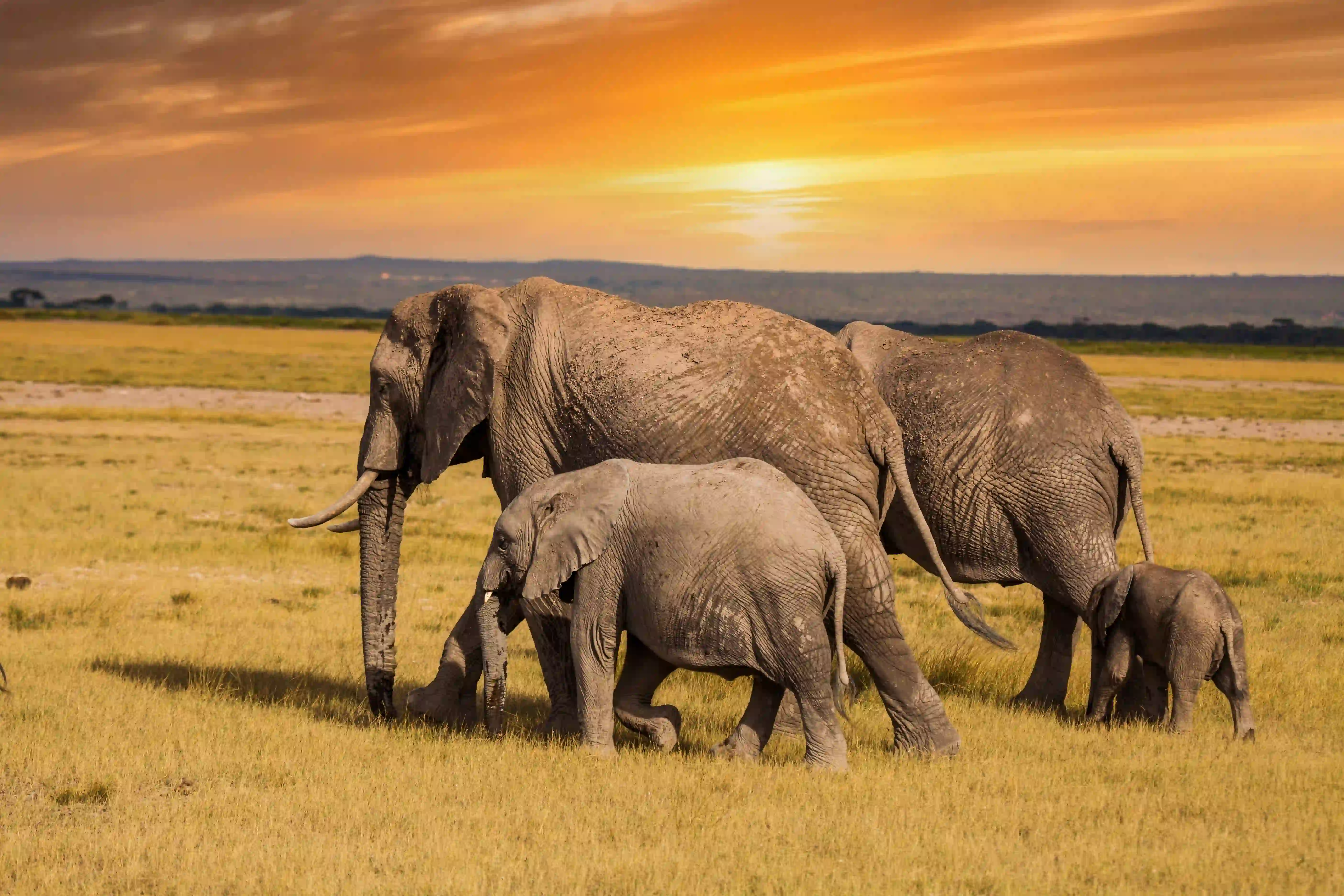
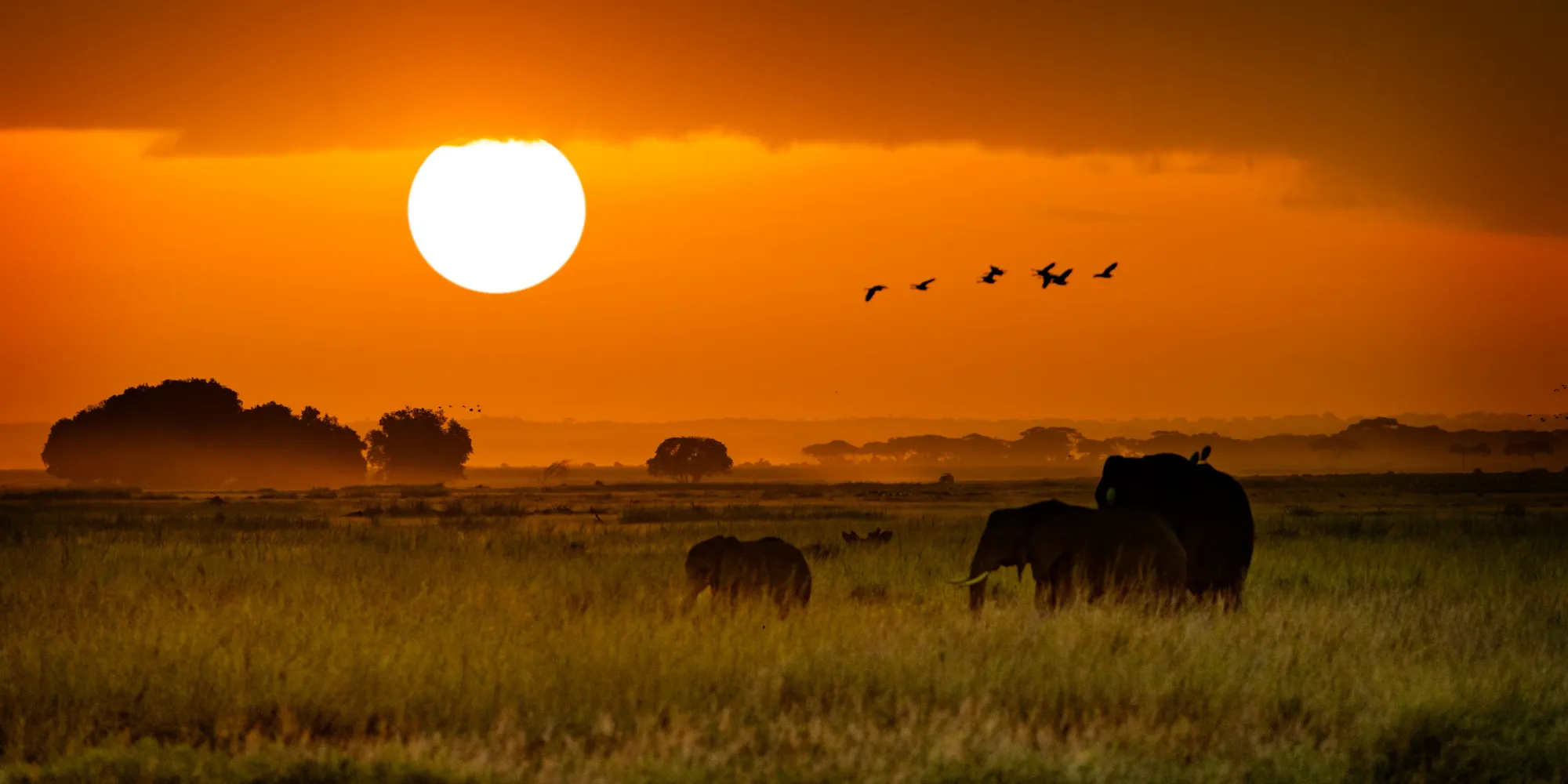
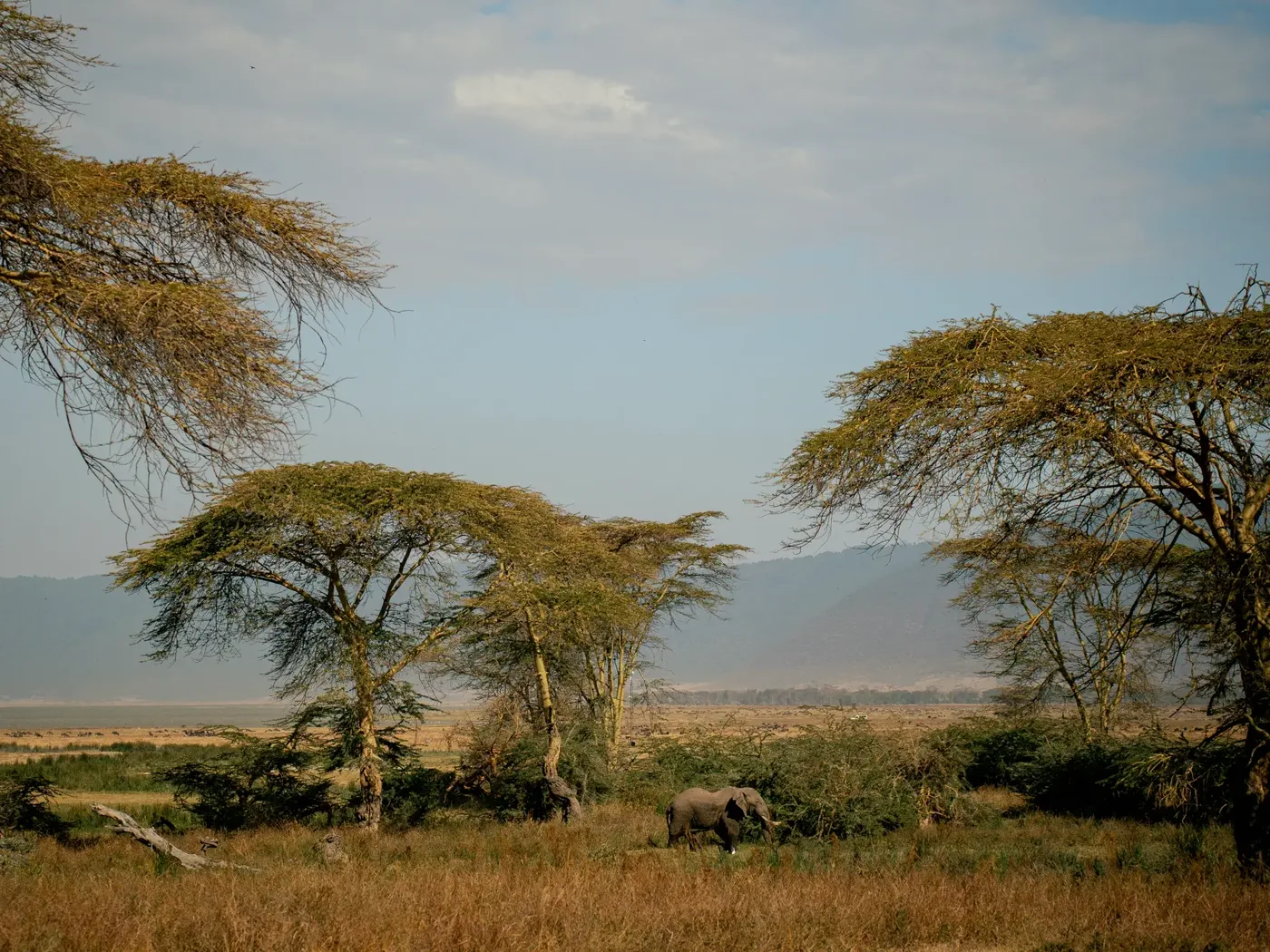
The vast 260 km² floor of the Ngorongoro Crater — one of the world's most spectacular wildlife arenas
Big Five encounters on the crater floor — lions, elephants, buffalo, leopards, and rare black rhino.
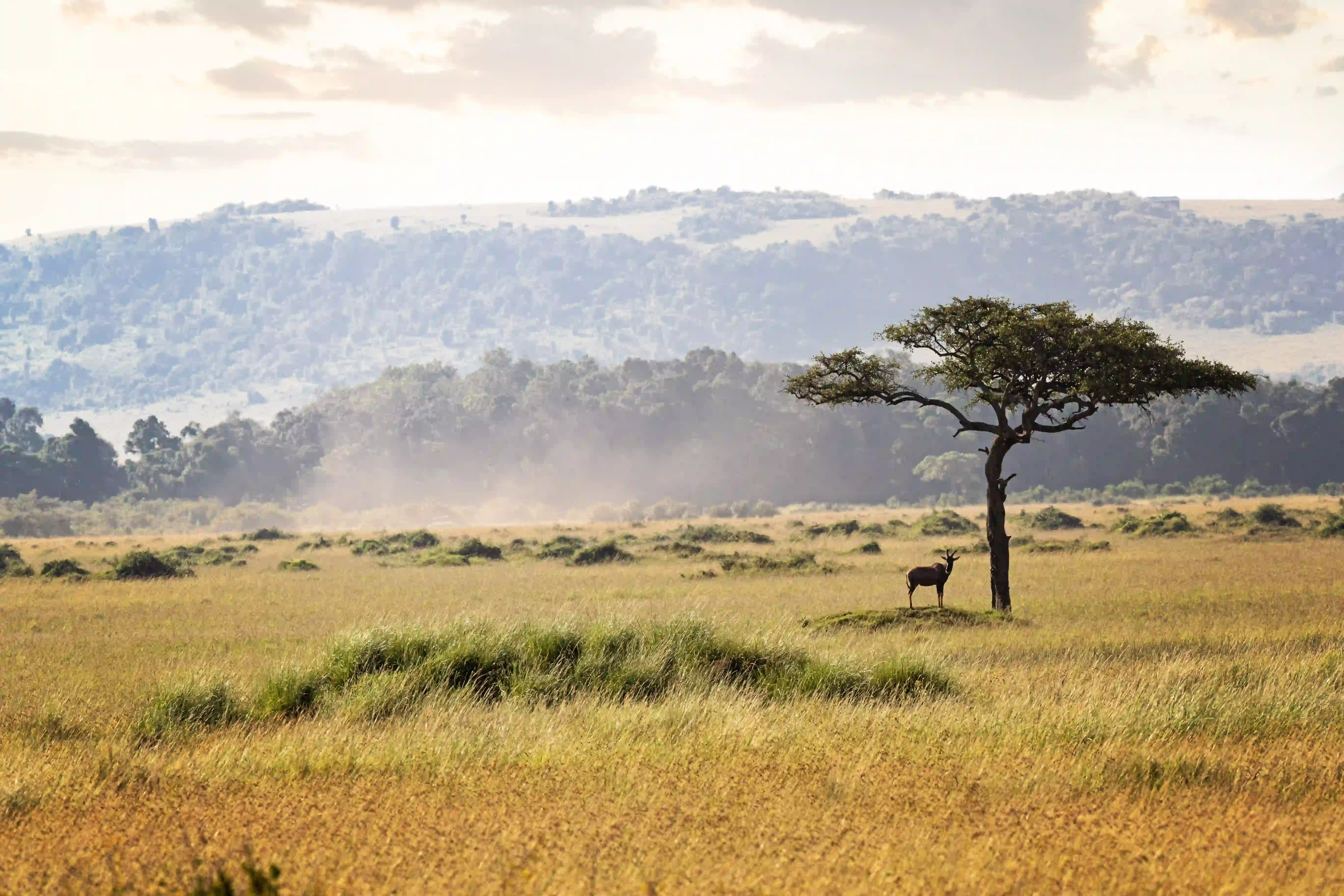
One of Africa's best chances to spot a black rhino — the crater's most celebrated resident
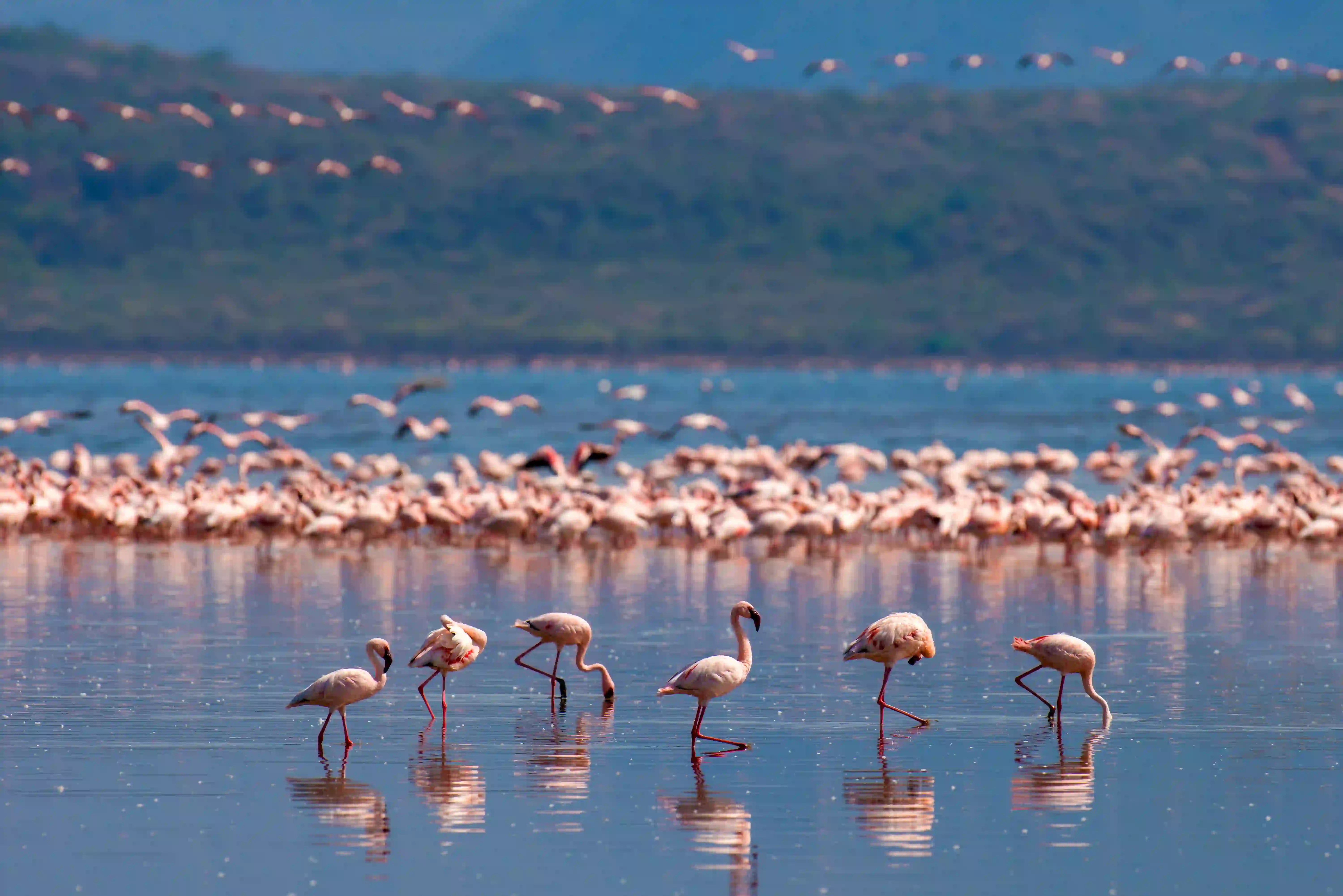
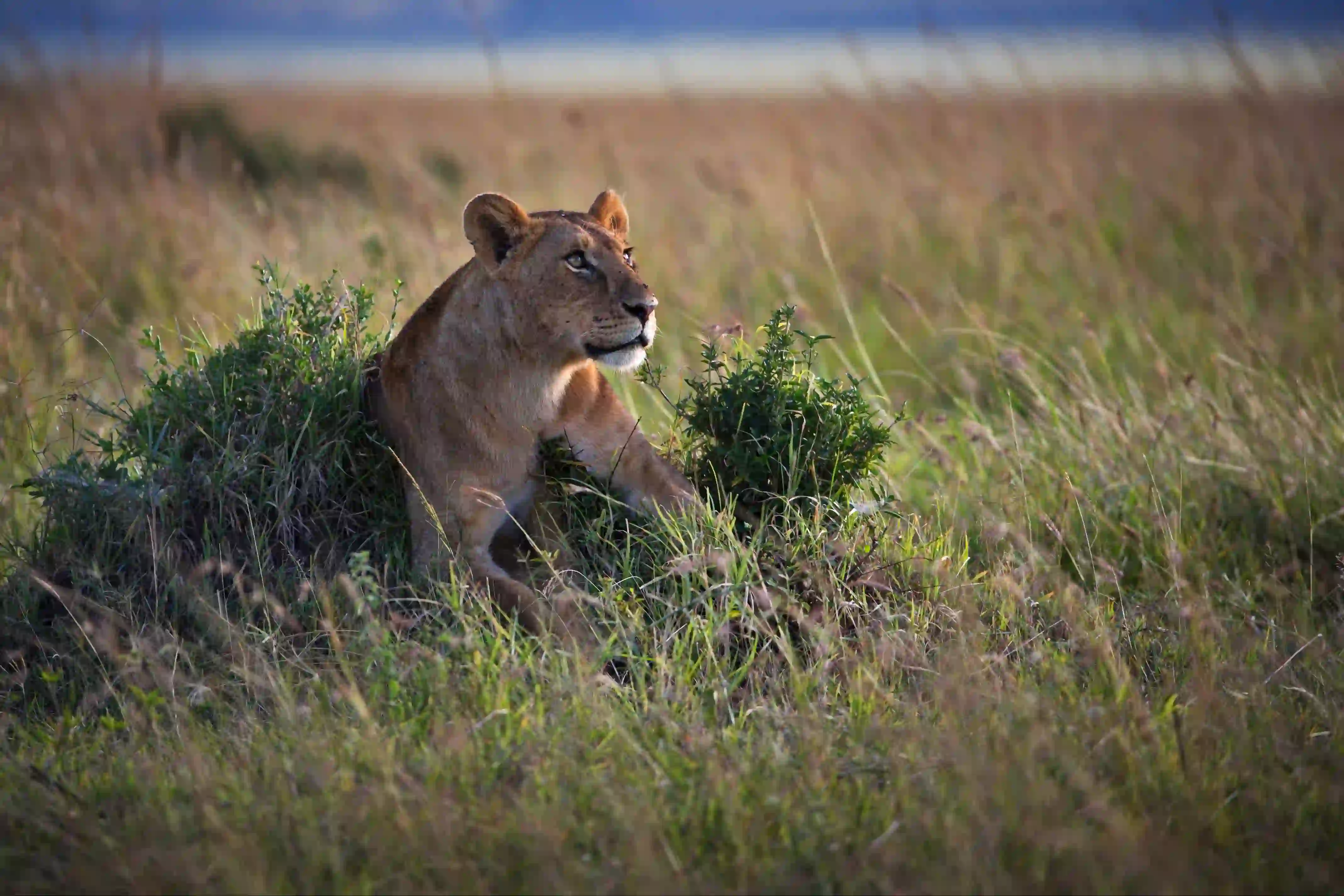
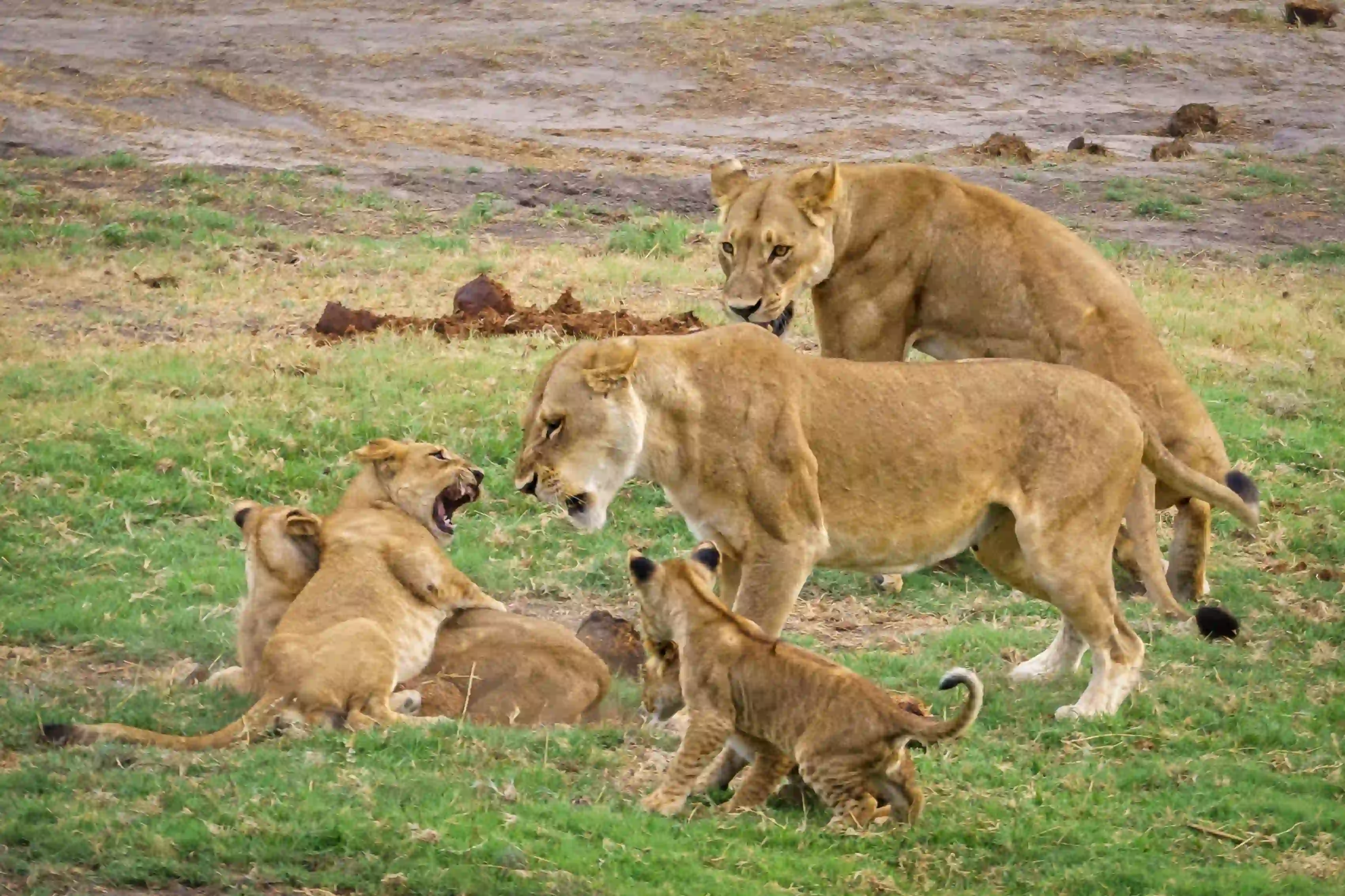
The crater's resident lion prides — among the most studied and photographed in Africa
Thousands of flamingos wading the alkaline shallows of Lake Magadi on the crater floor.
Maasai pastoralists have shared the Ngorongoro Conservation Area with wildlife for generations
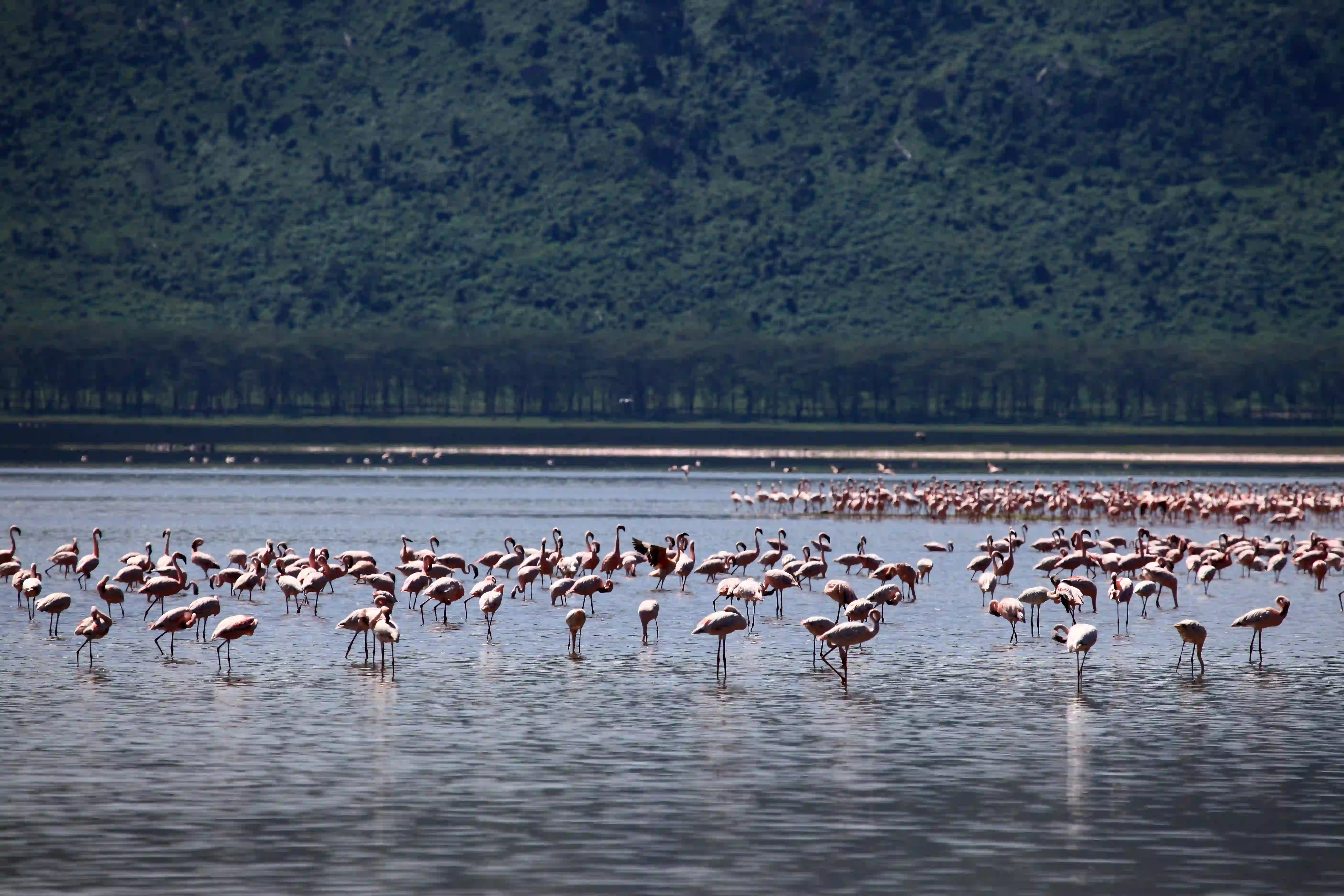
The dramatic 2,300 m crater rim — cool, forested, and commanding sweeping views across the caldera
The Ngorongoro Conservation Area operates under strict NCAA rules designed to protect both wildlife and the Maasai communities who share this landscape. Every vehicle on the crater floor must carry a mandatory NCAA crater guide in addition to the safari driver-guide — this rule exists to control traffic, protect wildlife, and ensure that visitors contribute to the crater's conservation fund. All fees are prepaid where required.
Vehicle numbers on the crater floor are regulated and the NCAA has introduced progressive limits to reduce crowding at predator sightings. Responsible operators respect these limits and do not engage in the vehicle bundling that stresses wildlife and degrades the experience for everyone. Warriors of Africa Safari operates within all NCAA guidelines and briefs guests thoroughly before descent.
Everything you need to know about visiting Ngorongoro Crater
10 of our routes stop here. These are three of them.
4 Days · 3 NightsTarangire · Serengeti · Ngorongoro
From$1,899per person
 4 Days · 3 Nights
Serengeti · Ngorongoro · from Zanzibar
From$2,814per person
 6 Days · 5 Nights
Tarangire · Manyara · Serengeti · Ngorongoro
From$2,455per person
Get our comprehensive Ngorongoro Crater Guide packed with tips, itineraries, and destination info.