Dec – Mar
Calving Season
Peak in February
Southern plains
Setting
NCA & southern Serengeti
Cheetahs
Wildlife
Lions, hyenas, the herds
2 nights+
Recommended
To follow the herds
Calving Season Guide

Ndutu Guide: the Great Migration Calving Season on the Southern Serengeti Plains

🦓 The Migration's Calving Grounds
📅 Best December to March
🐆 Cheetah and Lion Country
Overview

Where the Migration Gives Birth

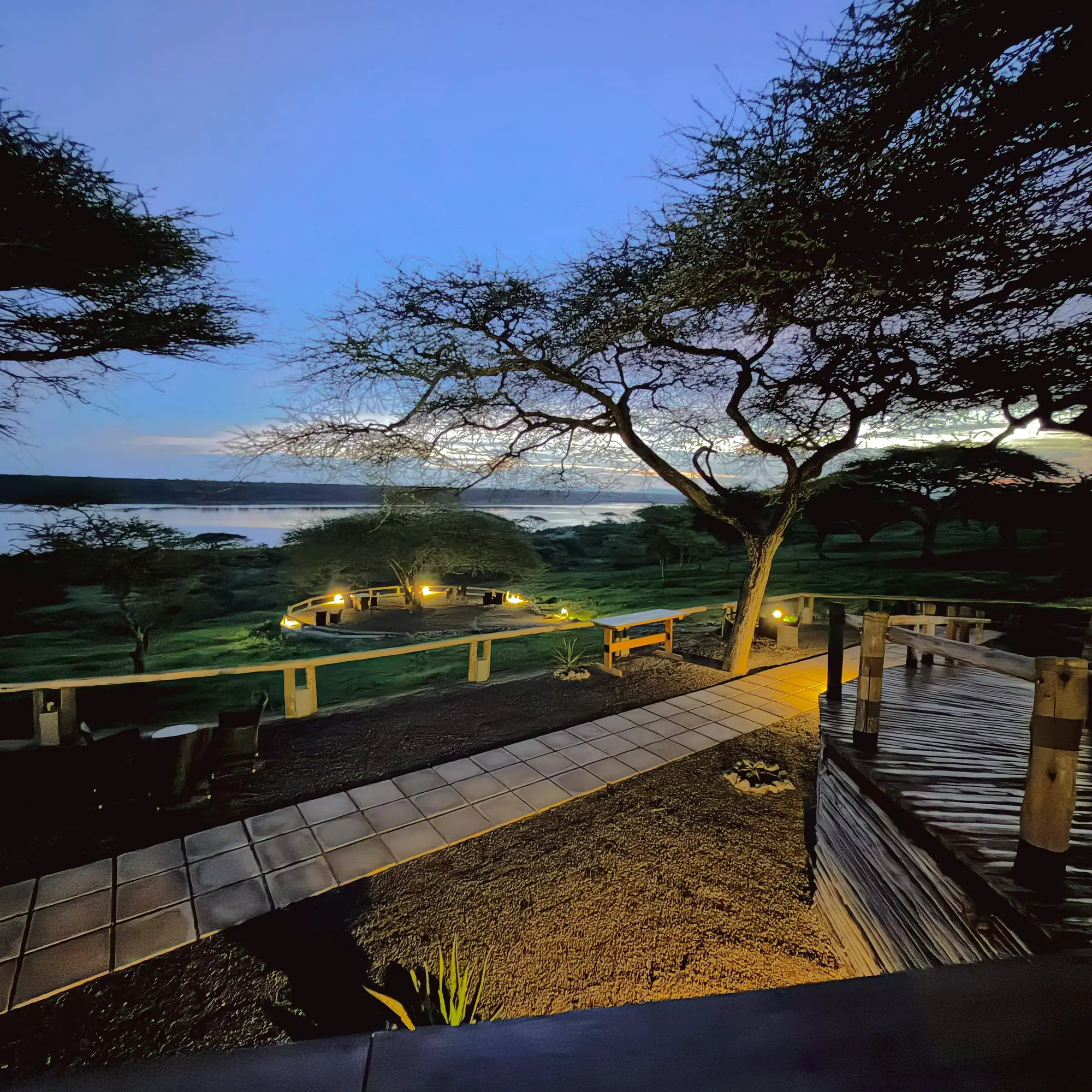
Ndutu is the south-eastern corner of the Serengeti ecosystem, where the national park meets the north-western edge of the Ngorongoro Conservation Area. It is named for Lake Ndutu, one of two shallow soda lakes, with Lake Masek, ringed by acacia woodland on the edge of vast short-grass plains.

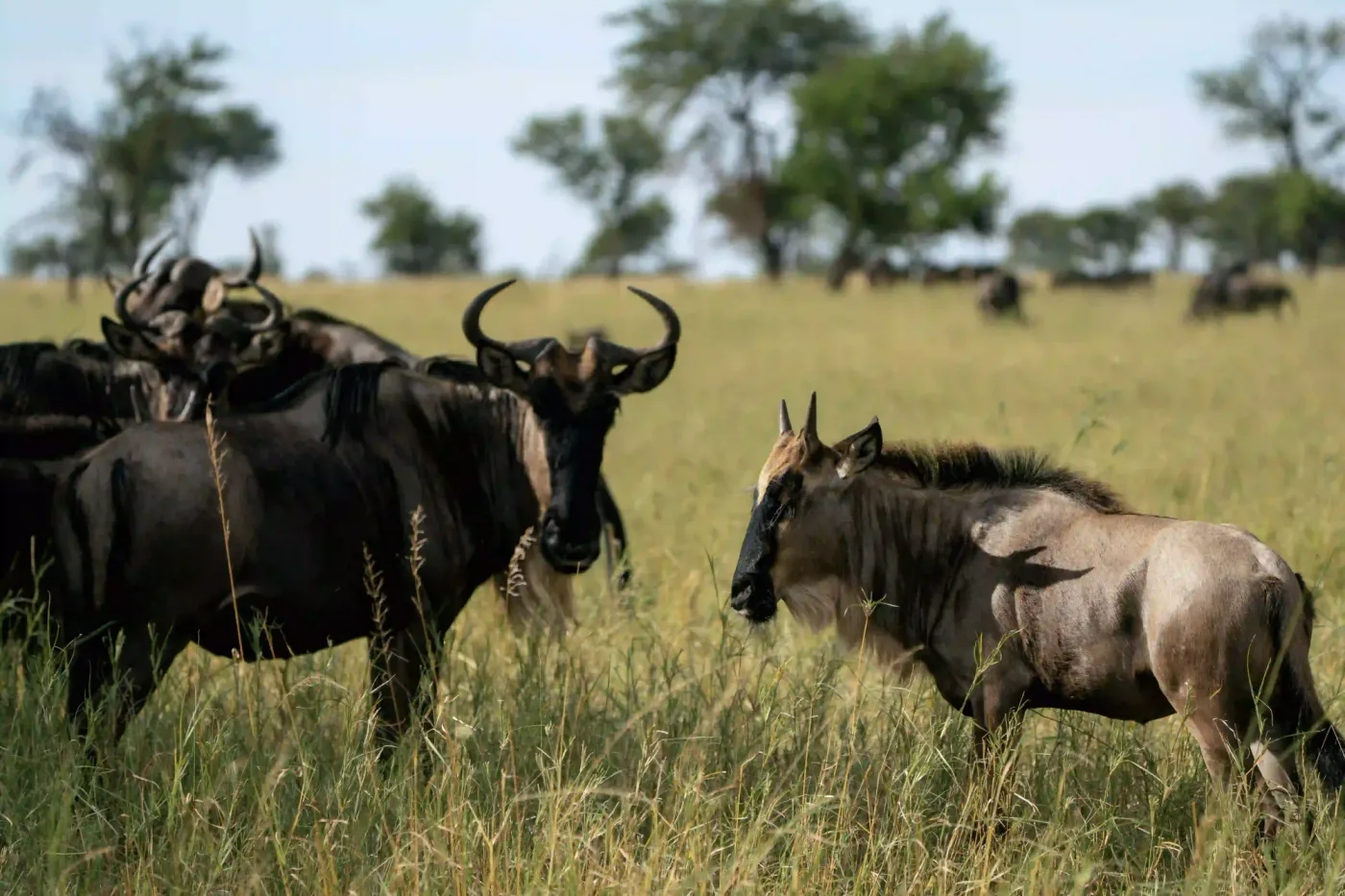
Those plains grow on volcanic soils that turn rich and green after the short rains. From around December the Great Migration settles here, and between January and March, peaking in February, hundreds of thousands of wildebeest calves are born within a few weeks.

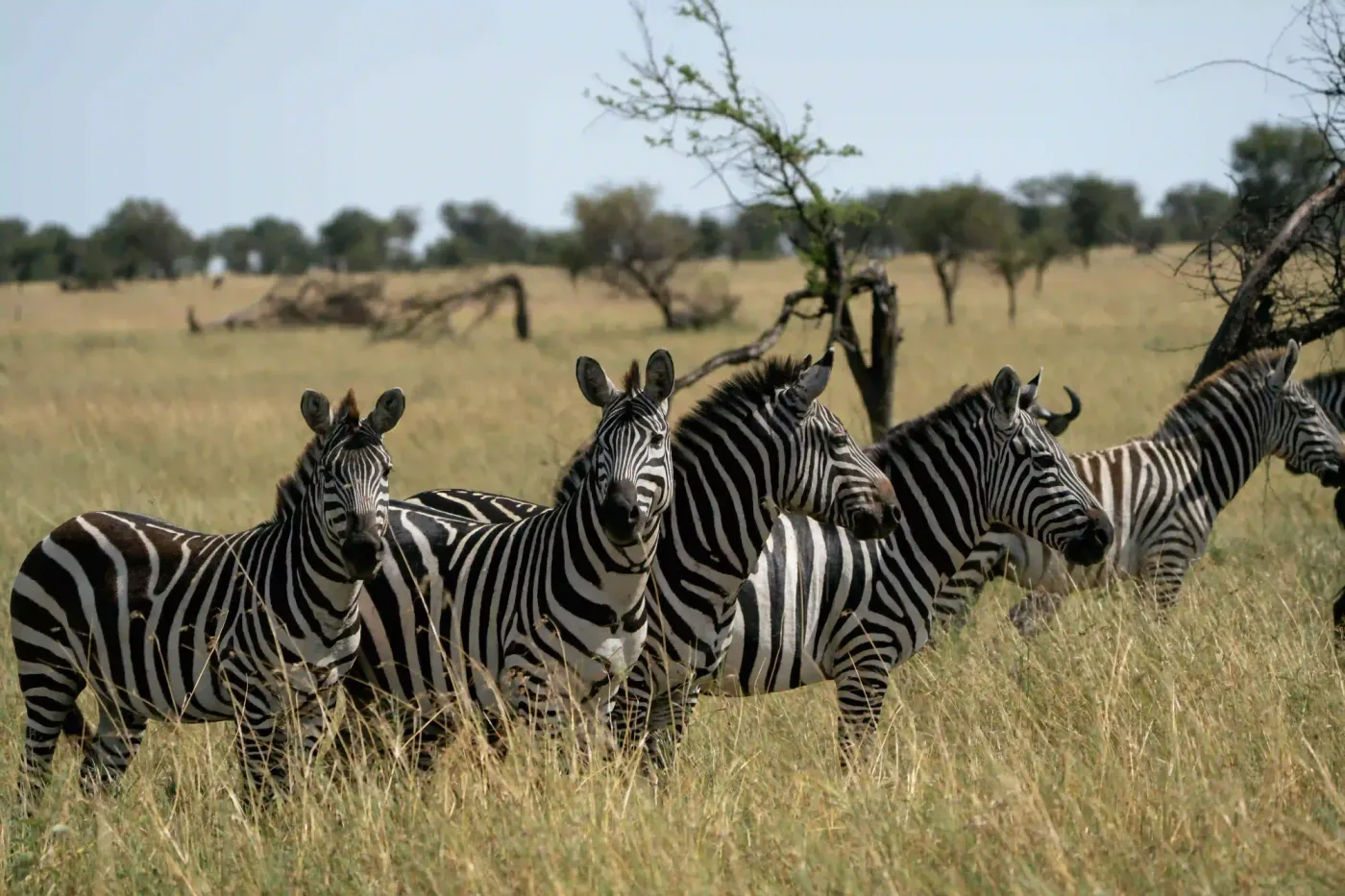
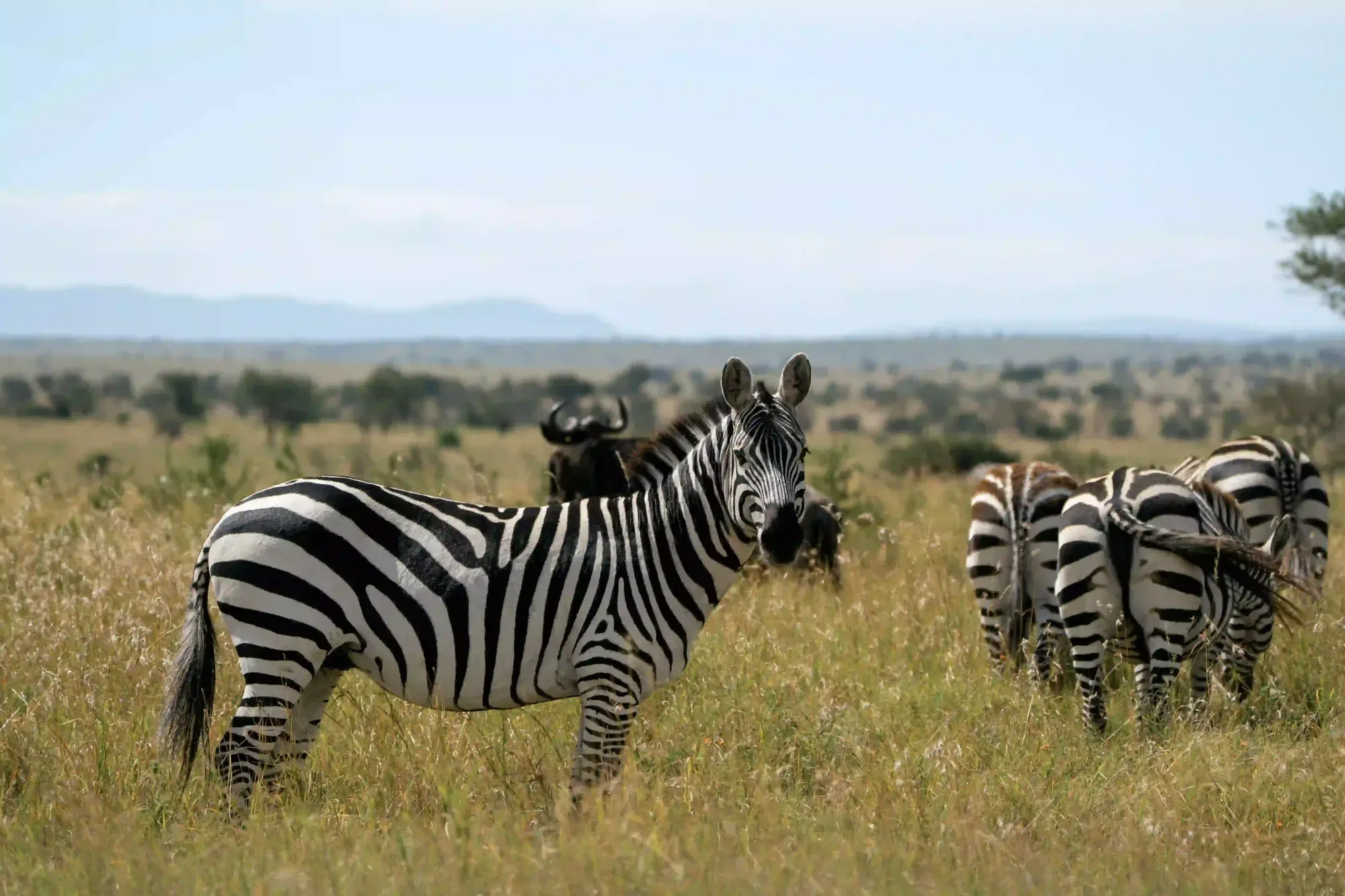
Zebras and wildebeest grazing together on the short grass
A wildebeest herd resting among acacia trees

Warriors of Africa Safari plans Ndutu around the calving season, with at least two nights so you can follow the herds and the predators at their own pace. Nature never runs to a timetable, so we confirm where the herds are as your dates approach.

What Makes It Special

Why Calving Season Is Unlike Any Other Safari

In the north the migration is about river crossings. Here it is about birth: calves standing within minutes, mothers forming nurseries, zebra and gazelle mixed through the herds, and the open grass stretching to the horizon.

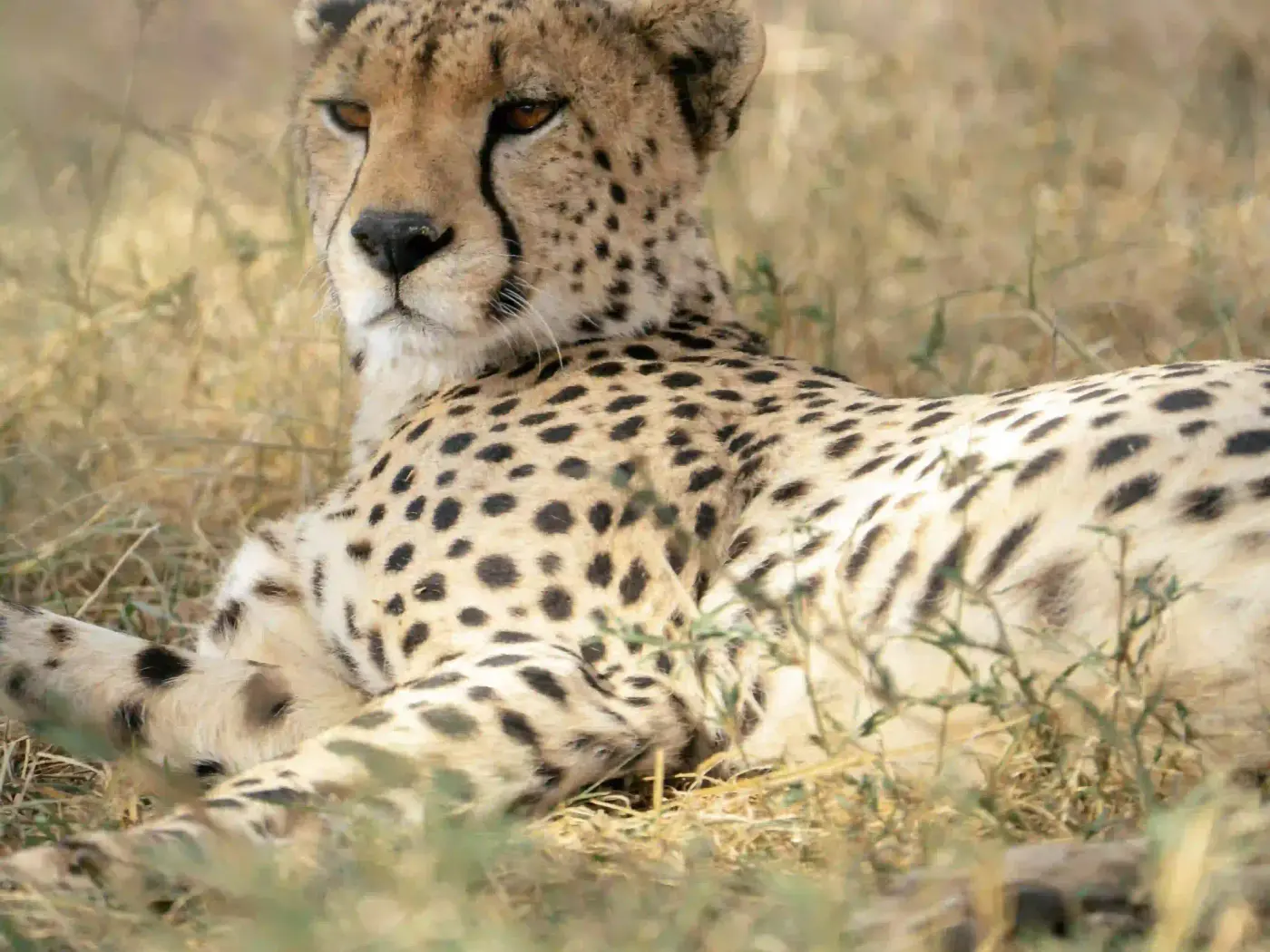
Where there are newborns there are predators. Lions, spotted hyenas and jackals follow the herds, and Ndutu is one of the best places in Tanzania to see cheetahs hunting across the open plains. Vultures and eagles complete the picture.

🦓
The Herds
Wildebeest, zebra and gazelle spread across the short grass
Usually here from December to March, depending on the rains
🍼
Calving
Hundreds of thousands of calves born within a few weeks
The peak usually falls in February
🐆
Cheetahs
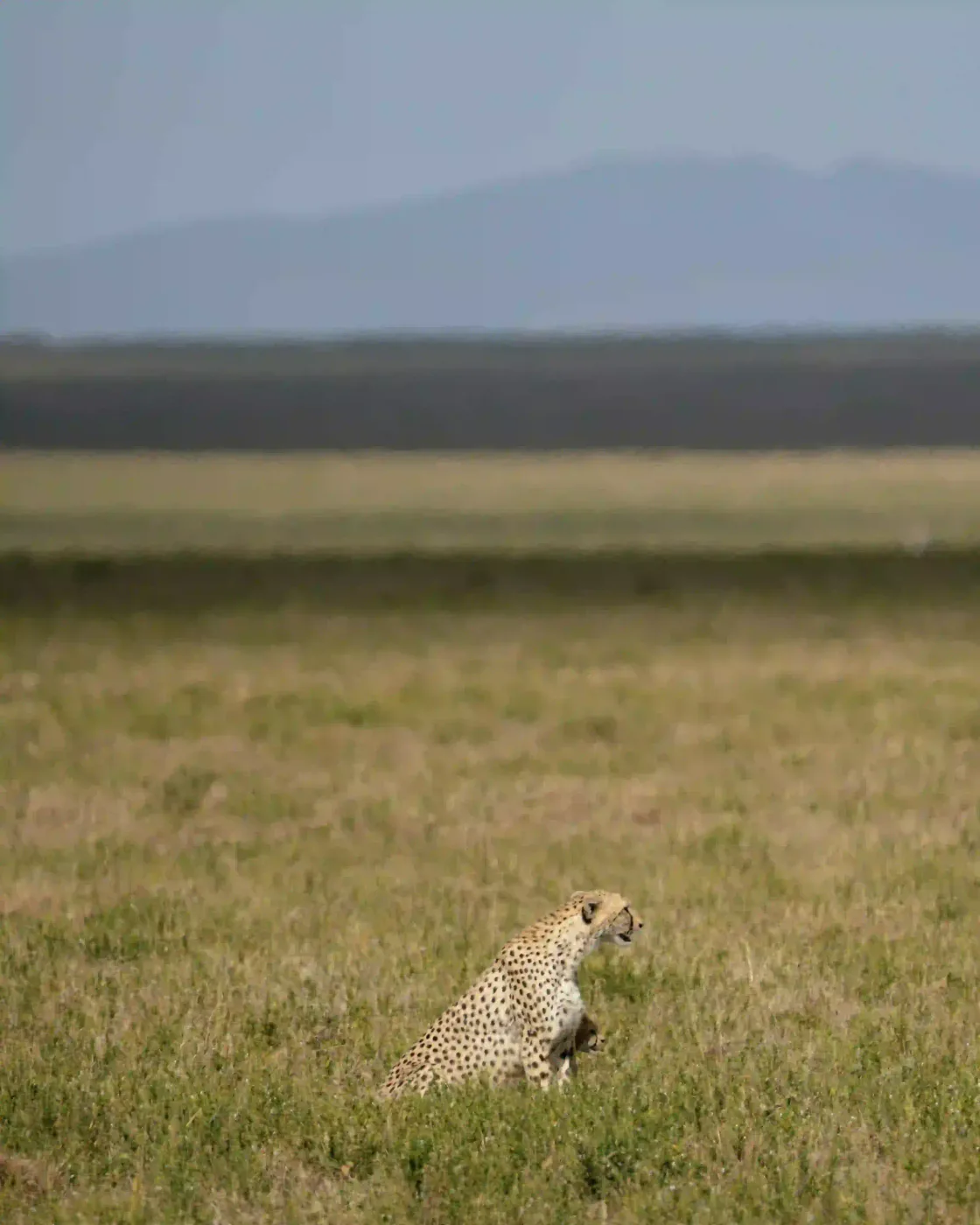
Cheetahs hunting across the open plains
One of Tanzania's best places for cheetah
🦁
Predators
Lion prides, spotted hyenas and jackals on the herds
Predator action is at its most intense in the calving weeks
🌊
The Lakes
Two soda lakes, Ndutu and Masek, in acacia woodland
Flamingos gather on the lakes in some seasons
🌳
Woodland
Resident wildlife in the woodland all year
Quiet and lightly visited outside the calving months

KEY FEATURES

The herds, the predators and new life: what you come to Ndutu for.

THE HERDS
Wildebeest and zebra in their hundreds of thousands
CHEETAHS
The open plains suit the fastest hunter on earth
LIONS
Prides that follow the calving herds
NEW LIFE
Calves on their feet within minutes of birth
Getting There

How to Reach Ndutu

Most guests come by road from Arusha, through Karatu and over the Ngorongoro highlands, a long but spectacular day that drops from the crater rim onto the plains. Light aircraft also fly to the airstrip at Ndutu, which saves the drive on a shorter trip.

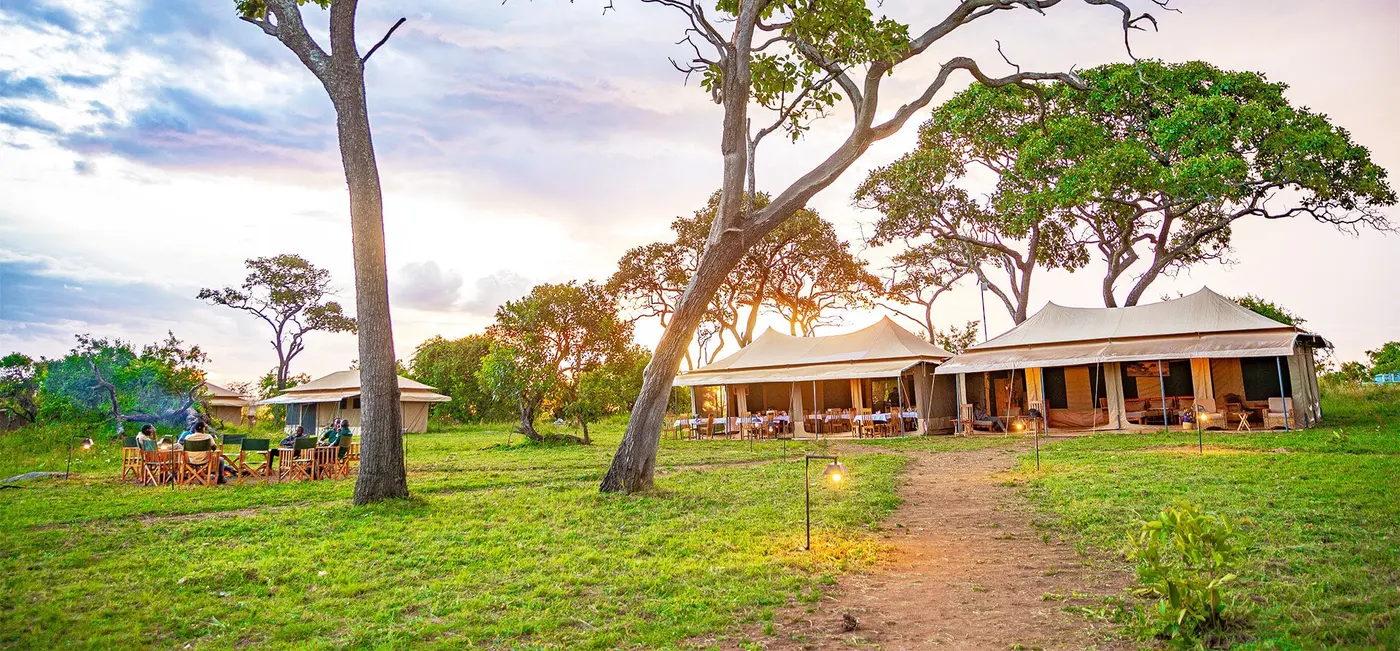
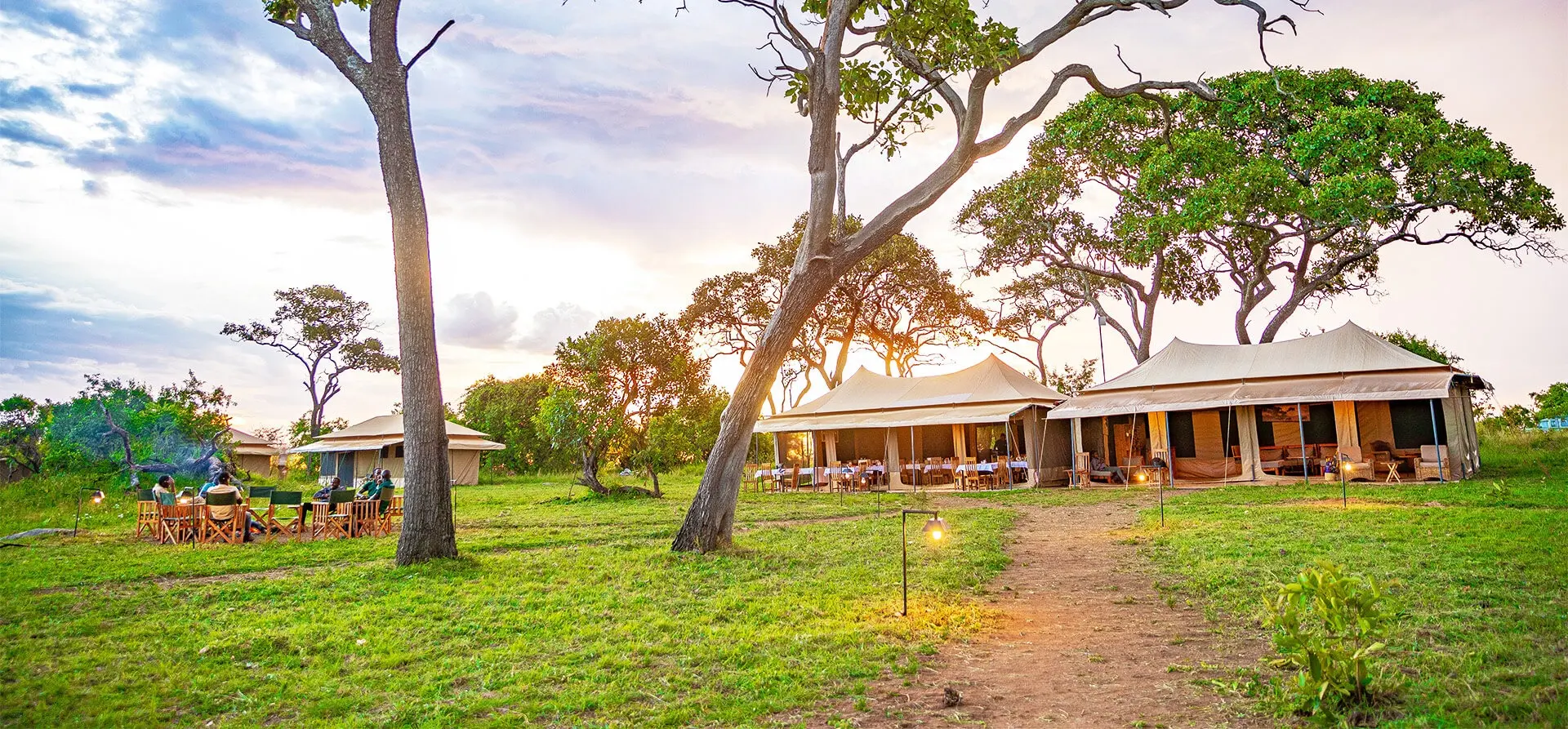
Guests gathering at a camp on the plains in the evening light

Calving season is also the short-rains season, so some tracks can be muddy. Your guide plans each day around the weather and where the herds have moved overnight.

🌾
Ndutu Plains
South of the woodland
The short-grass plains where the herds gather to calve
🌊
Lake Ndutu
Heart of the area
A shallow soda lake ringed by acacia woodland
💧
Lake Masek
Next to Lake Ndutu
The second soda lake, a short drive east
🌳
Ndutu Woodland
Around the lakes
Acacia woodland with resident giraffe and big cats
🦓
Southern Serengeti
North and west of Ndutu
Where the herds spill over into the national park
🪨
Kopjes
Across the plains
Ancient rocky outcrops on the open plains
Where to Stay

Camps and Lodges in Ndutu

Ndutu has a few permanent lodges around the lakes and several seasonal camps that open only for the calving months. These are the ones we use, each with its own gallery and facts.

See our 7-Day Calving Season Safari for a full itinerary with two nights in Ndutu.

When to Visit

Best Time to Visit Ndutu

December to March is the season. The herds usually arrive with the short rains in December, calving peaks in February, and the young are on the move by March. Every year differs with the rain, so we track the herds as your dates approach.

From April the long rains set in and the migration moves north-west. For the rest of the year Ndutu is quiet, with resident wildlife only, and is better combined with the northern Serengeti.

Dry season
Shoulder season
Rainy season
THE HERDS SETTLE ON THE PLAINS

January

The short rains have greened the plains and the herds spread across Ndutu and the southern Serengeti.

Calving begins to build towards the end of the month.

Shoulder season
CONDITIONS
Warm, Showers
HERDS
On the Plains
CAMPS
Seasonal Camps Open
BEST FOR
Big Herds
Itinerary Planning

Combining Ndutu with Other Tanzania Destinations

Ndutu sits between the Ngorongoro highlands and the Serengeti, so it joins naturally with both, and with Tarangire on the way in from Arusha. Many guests finish on Zanzibar.

Calving season safari
7 days
Tarangire, two nights in Ndutu, the Serengeti and the crater
Ndutu + Ngorongoro
3 to 4 days
The calving plains, then the crater on the way out
Ndutu + Central Serengeti
5 to 7 days
The herds in the south, big cats at Seronera
Calving season + Zanzibar
10 to 12 days
The migration, then the Indian Ocean
Tarangire
Add on
Elephants and baobabs on the way in
Extra Ndutu night
Add on
More time to follow the herds and the cats

Ndutu Gallery Collection

Drag and explore pictures of the herds and predators of the southern plains

Zebras and wildebeest

Zebras and wildebeest

Zebras and wildebeest grazing together on the short grass

Wildebeest herd

Wildebeest herd

A wildebeest herd resting among the acacias

Cheetah

Cheetah

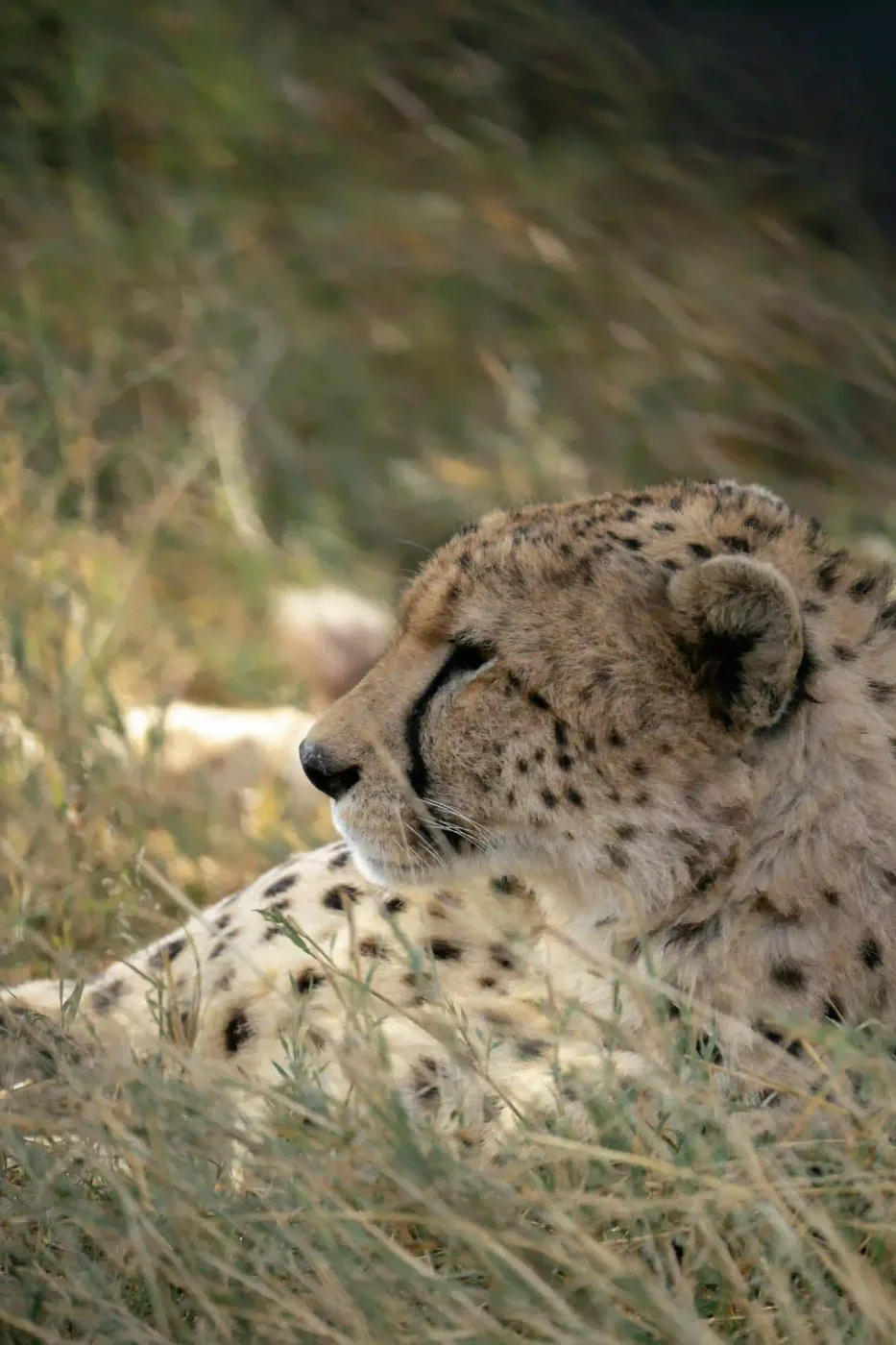
A cheetah resting low in the grass

Zebra herd

Zebra herd

A zebra herd standing close together

Lioness

Lioness

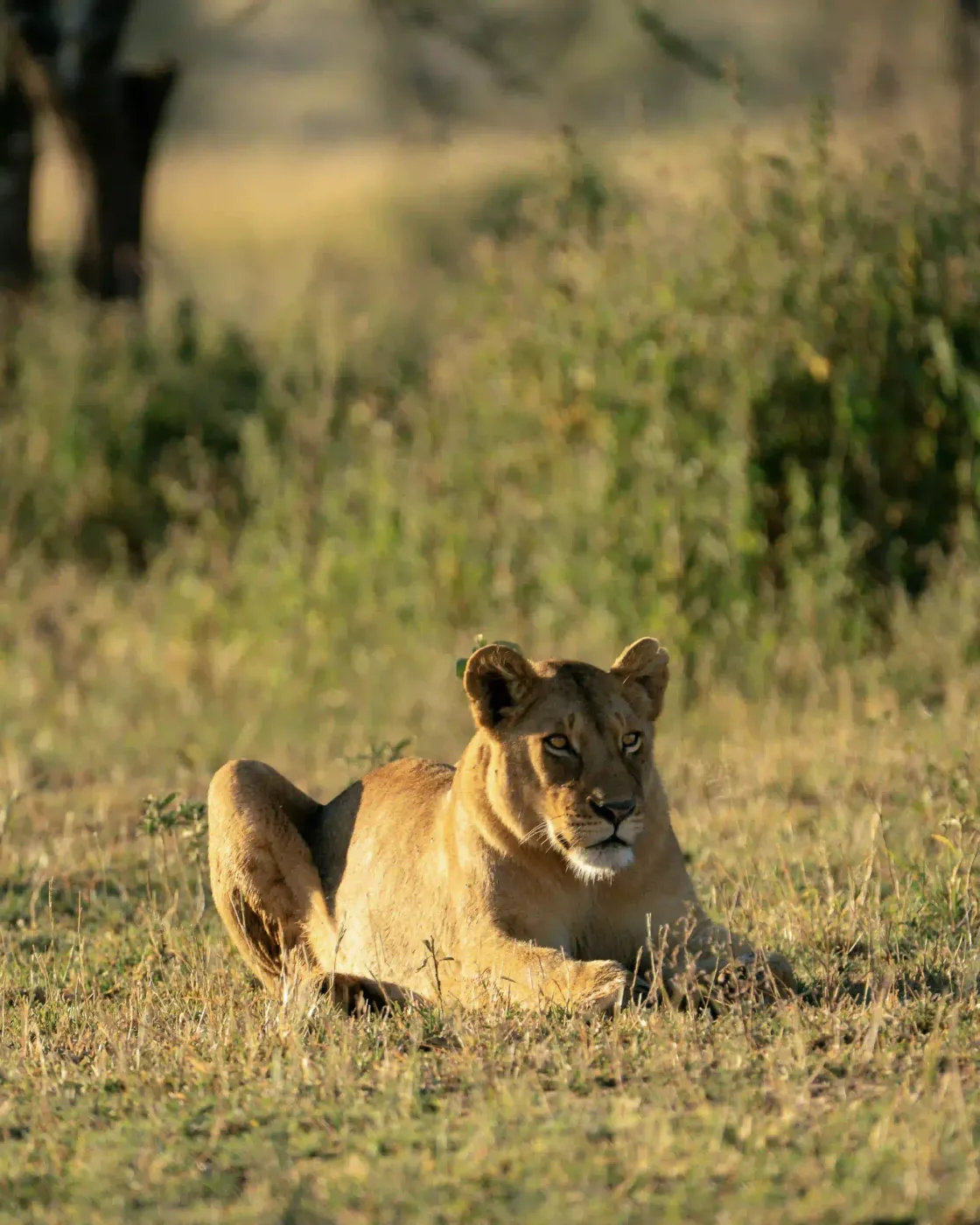
A lioness watching from the golden grass

Sundowners

Sundowners

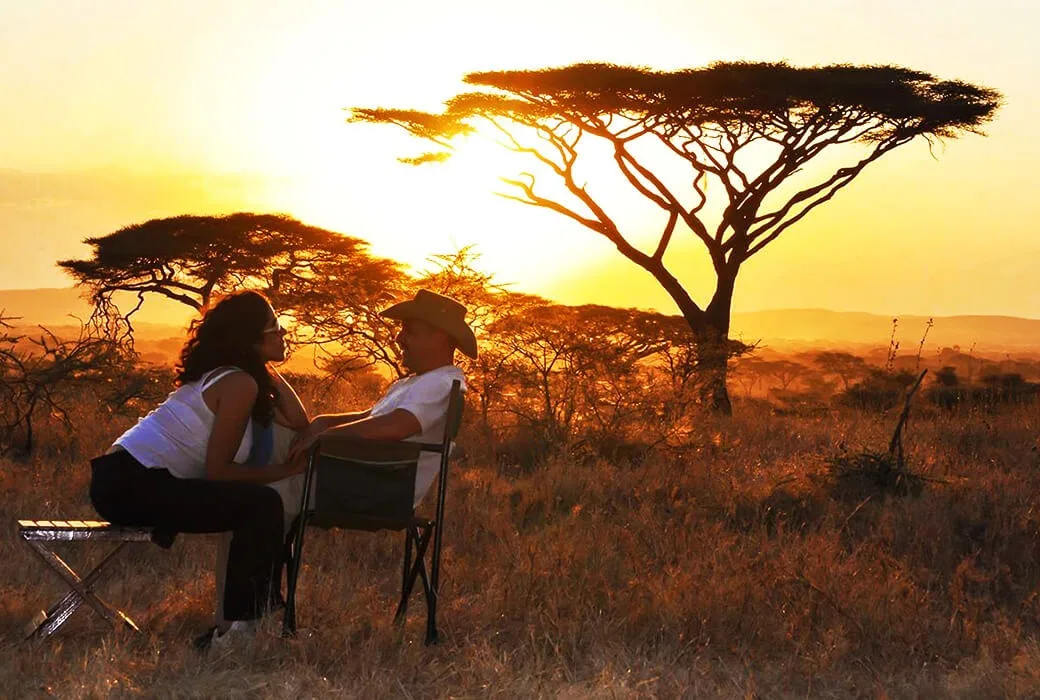
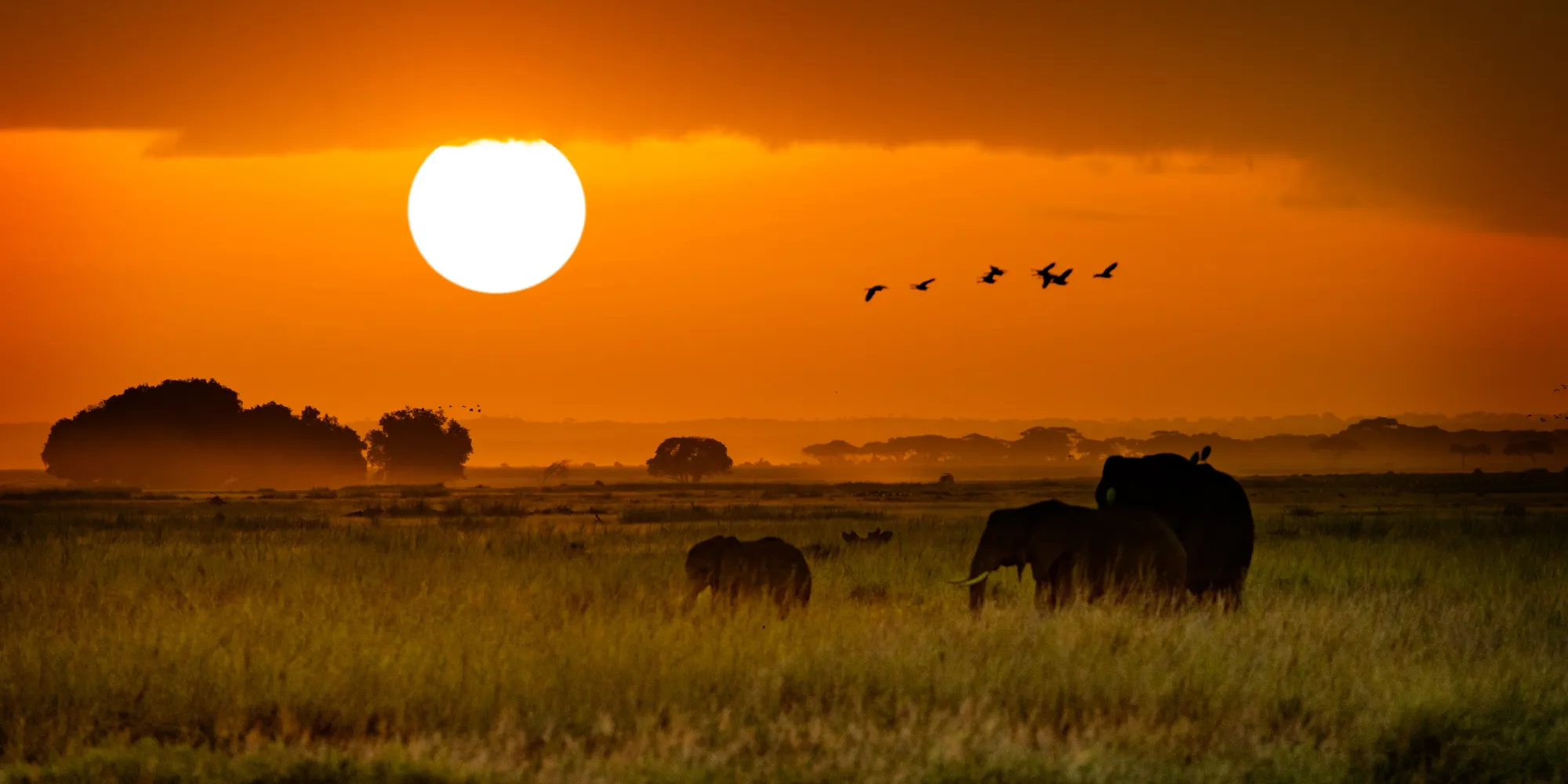
Sundowners under an acacia at the end of a game drive

Wildebeest and oxpeckers

Wildebeest and oxpeckers

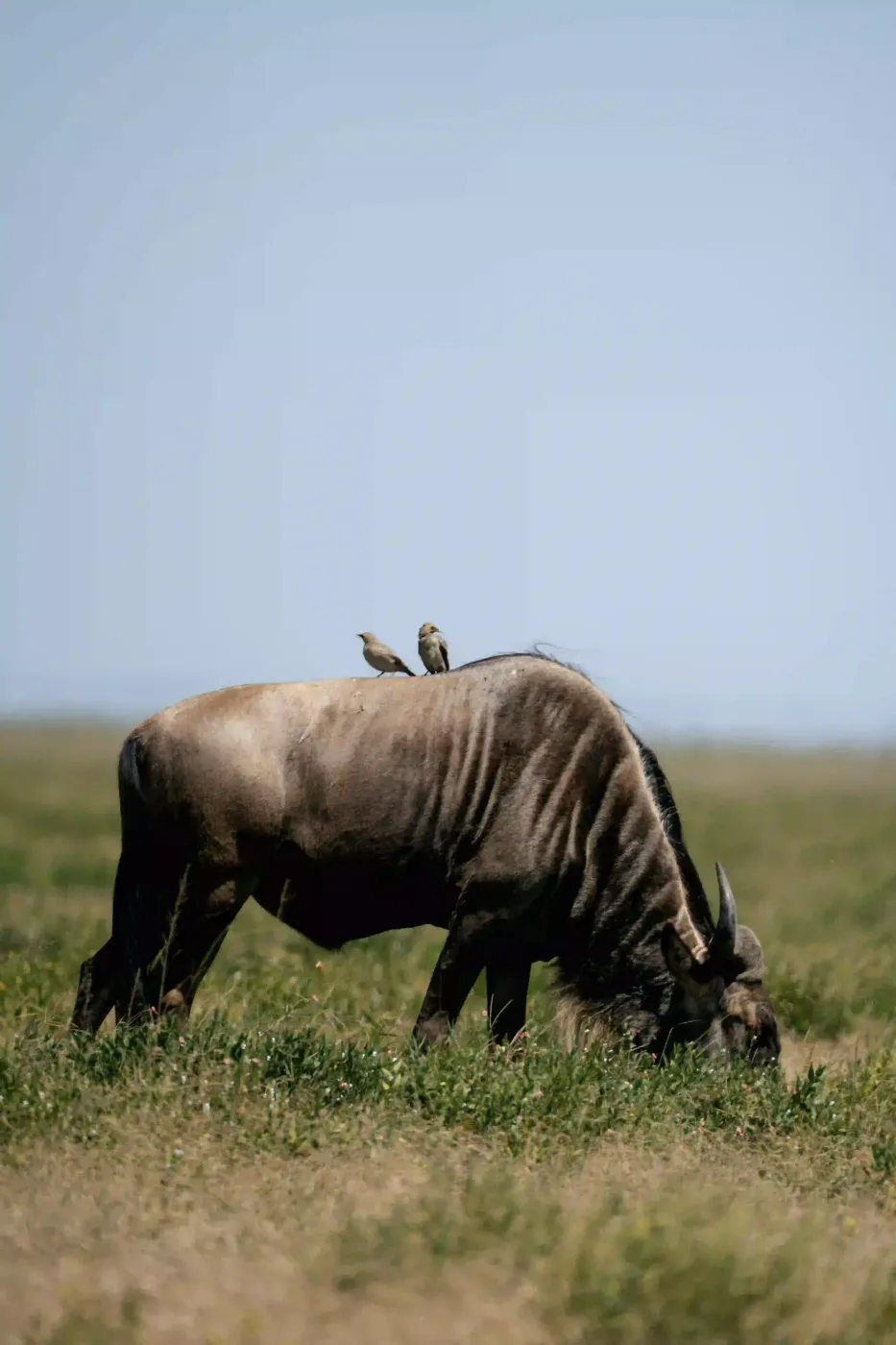
Oxpeckers riding on a wildebeest's back

Responsible Travel

Calving Season, Done Respectfully

Newborn calves and hunting predators are easily disturbed. Travelling well here means patience, distance and letting the animals set the pace.

✓
Give Mothers and Calves Space
A calf separated from its mother in the first hours may not survive
✓
Never Crowd a Hunt
Cheetahs abandon hunts when vehicles press in; your guide keeps back
✓
Stay on the Tracks
Wet plains scar easily; follow the routes the authorities allow
✓
Keep Noise Down
Quiet vehicles see more, and stress the animals less
✓
Respect Maasai Grazing Land
The conservation area is shared with Maasai herders and their cattle
✓
Take Your Litter Out
Leave the plains exactly as you found them
Common Questions

Frequently Asked Questions

Everything you need to know about visiting Ndutu

The herds usually arrive with the short rains around December and stay until about March. Calving peaks in February, when hundreds of thousands of calves are born within a few weeks. Each year varies with the rain.

Book Your Adventure

Tours to Ndutu

Our routes that stop here, each tailored to your dates.

7 Days · 6 Nights

7-Day Calving Season Safari

Tarangire · Ndutu · Serengeti · Ngorongoro

  • Two nights on the Ndutu calving plains
  • Cheetahs, lions and hyenas on the herds
  • Tarangire, Central Serengeti and the crater

From$3,222per person
On This Page
Destination Info
CountryNgorongoro Conservation Area & southern Serengeti
Visa RequirementsYes — e-Visa recommended
Per PersonFrom USD 3,222 / guest
LanguagesSwahili, English
AreaSouthern Serengeti plains
Need Help Planning?

Let our local experts design your perfect itinerary tailored just for you.

  • Custom Itineraries
  • Local Expert Guides
  • Best Price Guarantee
Quick Facts
Best Known ForCalving season
PhotographyHerds & predators
Family FriendlyYes
AccessRoad or light aircraft
NetworkLimited
Climate & Weather
Calving Season (Dec – Mar)
The migration is on the plains; calving peaks in February.
Rest of the Year
Long rains in April–May, then quiet with resident wildlife only.
Why Book With Us?
100% Safe & Secure

Your safety is our top priority with fully vetted guides and modern 4x4 vehicles.

Local Experts

We are born and raised in Tanzania, offering authentic experiences.

Eco-Friendly

Committed to sustainable tourism and community development.

Guest Reviews
❝

"An absolute dream! The guides were incredibly knowledgeable and the lodges were beyond our expectations. Cannot recommend them enough!"

SJ
Sarah & James, UK
Safari Guide
SAFARI GUIDE

Download Safari Guide

Get our comprehensive Ndutu Guide packed with tips, itineraries, and destination info.

Chat with us on WhatsApp