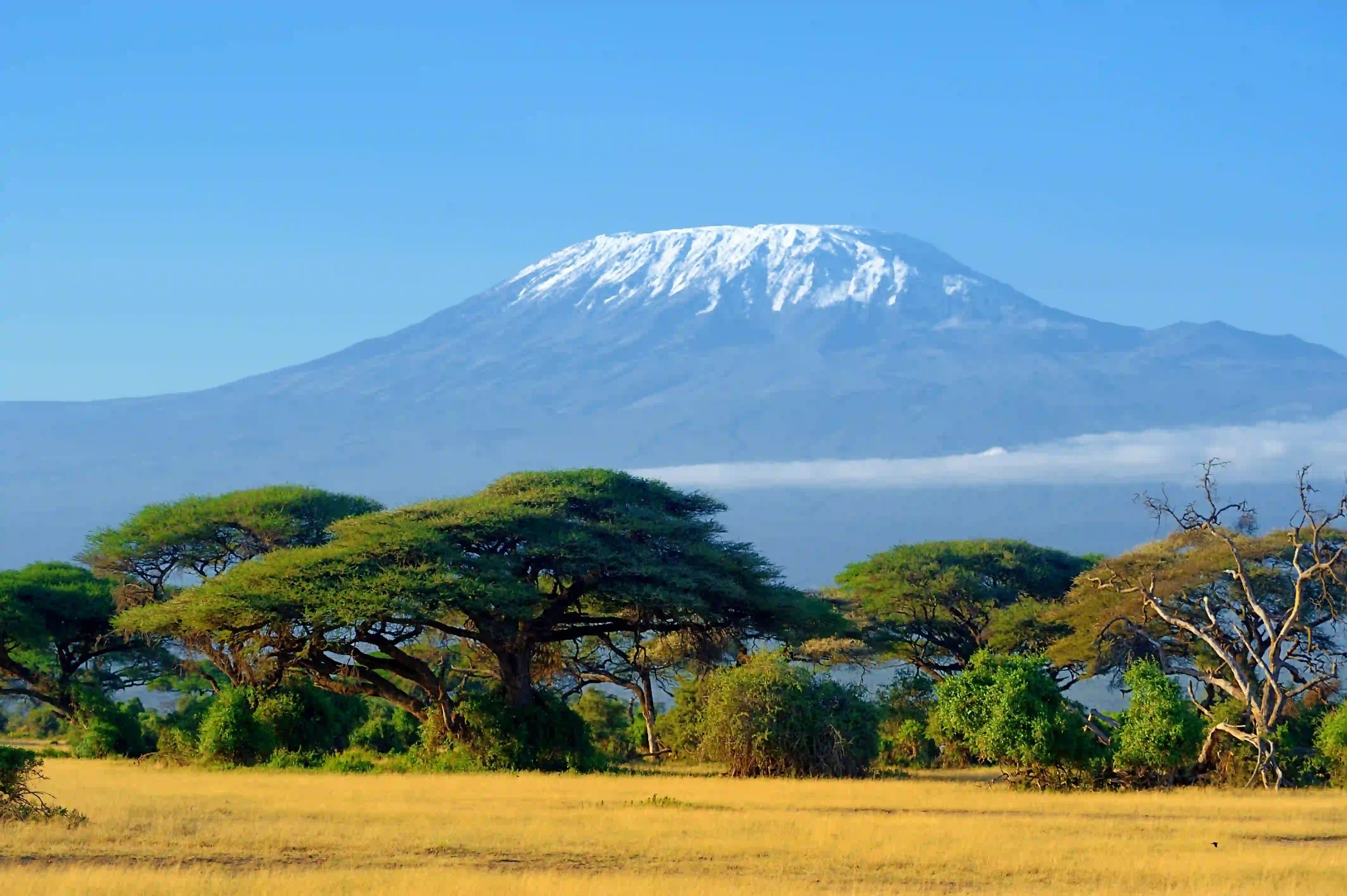
Tanzania Safari Packing List: Angel’s Complete Guide
Introduction
When travellers prepare for their first safari, one of the most common messages I receive is: “Angel, what should I pack for Tanzania?” It sounds like a simple question, but packing well can make a big difference to your comfort. Tanzania safaris often include early mornings, warm afternoons, dusty roads, highland areas, open vehicles, lodge dinners, and sometimes small aircraft luggage limits. The right packing list helps you feel ready without carrying too much.
A Tanzania safari is not a fashion show, but you also do not need to dress badly. The best safari packing style is practical, comfortable, light, and respectful of the environment you are visiting. Neutral colours, soft layers, comfortable shoes, sun protection, insect repellent, documents, and camera gear are more important than heavy outfits. If you are combining safari with Zanzibar, you also need beach clothing, modest clothing for cultural areas, swimwear, and sun protection.
In this guide, I will walk you through what to pack, what to leave behind, how to pack for different seasons, what to consider for fly-in safaris, and how to prepare for families, honeymooners, seniors, and photographers.
The best safari choice is the one that matches your travel style, not the one that only looks good on paper.
Angel says
Quick Answer: Tanzania Safari Packing List at a Glance
If you only remember one thing, remember this: pack light, pack layers, and use soft-sided luggage. Safari days can start cold before sunrise and become warm by midday. You need clothing that can adjust easily. Neutral colours such as khaki, beige, olive, brown, grey, and cream are usually best because they look natural in the bush and show dust less than black or white clothing.
Condé Nast Traveler’s expert safari packing guidance also highlights soft-sided luggage, practical earth-toned clothing, layers, sun protection, and insect repellent as important safari items. Many bush flights also have strict luggage limits, so heavy hard-shell suitcases can become a problem. Always check your airline or safari flight luggage allowance before departure.
The Best Luggage for Tanzania Safari
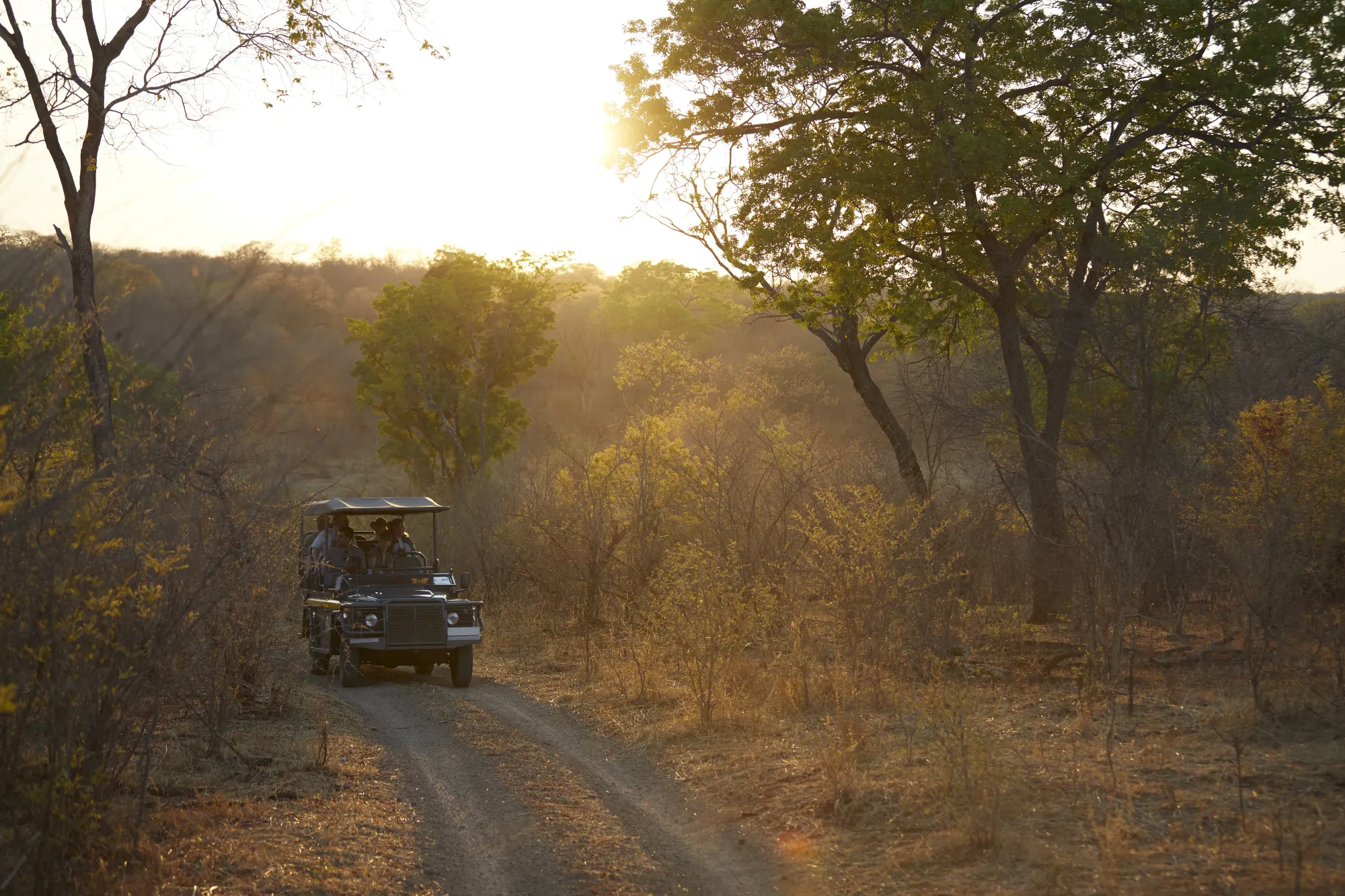
Soft-sided luggage is usually the best choice for a Tanzania safari. Safari vehicles have limited storage space, and small aircraft used for fly-in safaris often require soft bags because they fit better into luggage compartments. Hard suitcases can be difficult to load, especially when several guests are travelling together.
A medium soft duffel bag is usually enough for most safaris. You should also carry a small daypack for items you need during game drives, such as camera, binoculars, sunglasses, sunscreen, snacks, lip balm, medication, and a light jacket. Keep valuables and important documents in your hand luggage, not in checked bags.
If you are doing a fly-in safari, luggage rules become more important. Some light aircraft have strict weight limits and may not accept large hard cases. For road safaris, there is usually more flexibility, but it is still better to pack light because your bag may be loaded and unloaded several times.
Safari Clothing: What to Wear on Game Drives
For game drives, comfort matters more than style. Choose breathable clothing that allows easy movement and protects you from sun, dust, and insects. Long-sleeved shirts and lightweight trousers are very useful, especially in the morning and evening. They protect your skin while still keeping you cool if the fabric is light.
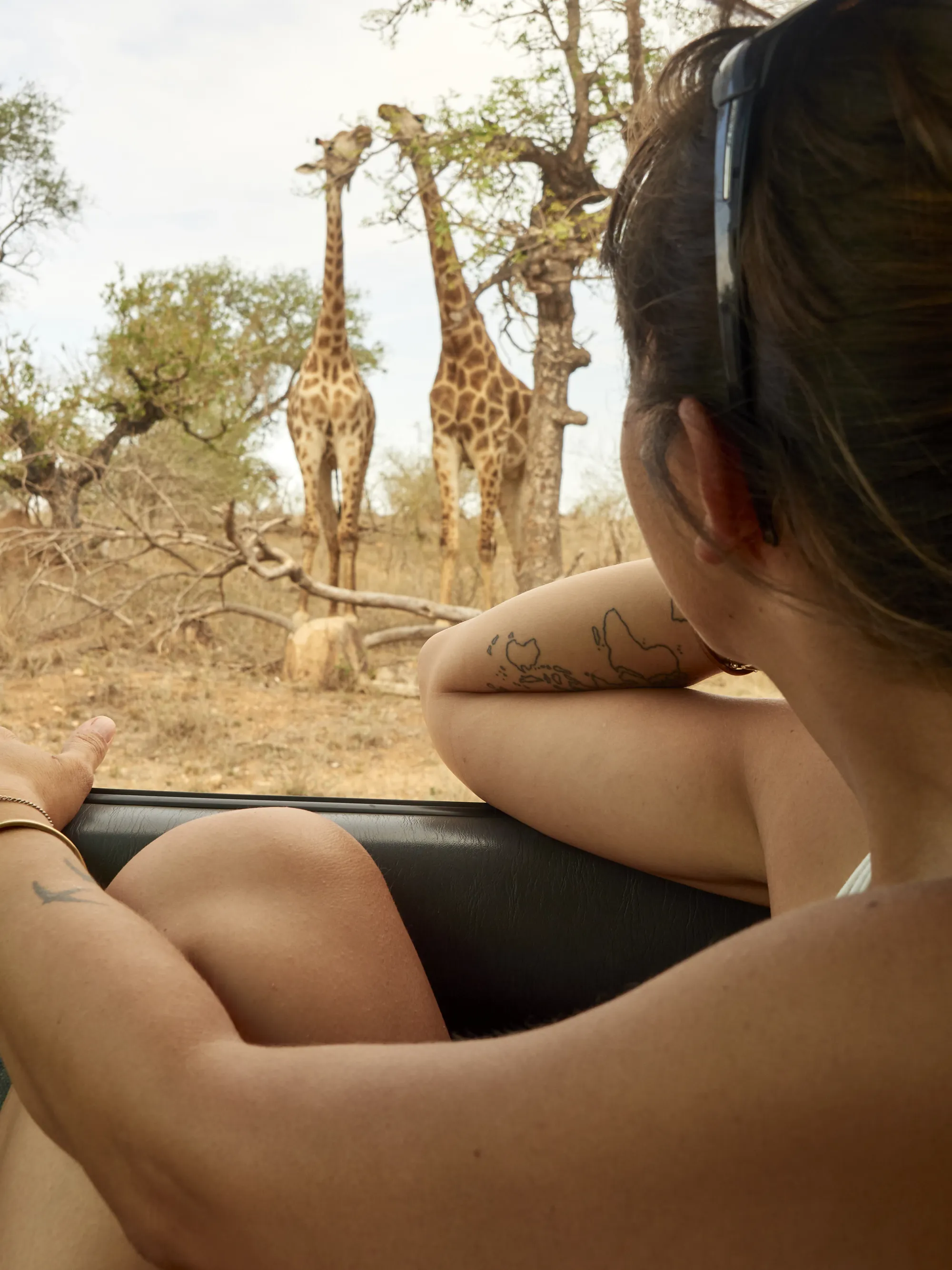
Neutral colours are best. Avoid very bright colours because they stand out too much in the bush. Avoid white because it shows dust quickly. Avoid dark navy and black in areas where tsetse flies may be present, because dark colours can attract them. Practical safari colours include khaki, olive, beige, tan, stone, brown, and grey.
You do not need a new outfit for every day. Many lodges offer laundry service, although some may not wash underwear because of local custom. Pack simple items that mix well together. A safari capsule wardrobe is better than an overloaded bag.
Shoes and Footwear
You do not need heavy hiking boots for a normal vehicle-based safari unless you are doing walking safaris or trekking. Comfortable closed shoes or lightweight trail shoes are usually enough for game drives, airport days, and lodge paths. Shoes should be broken in before travel because safari is not the right time to test new footwear.
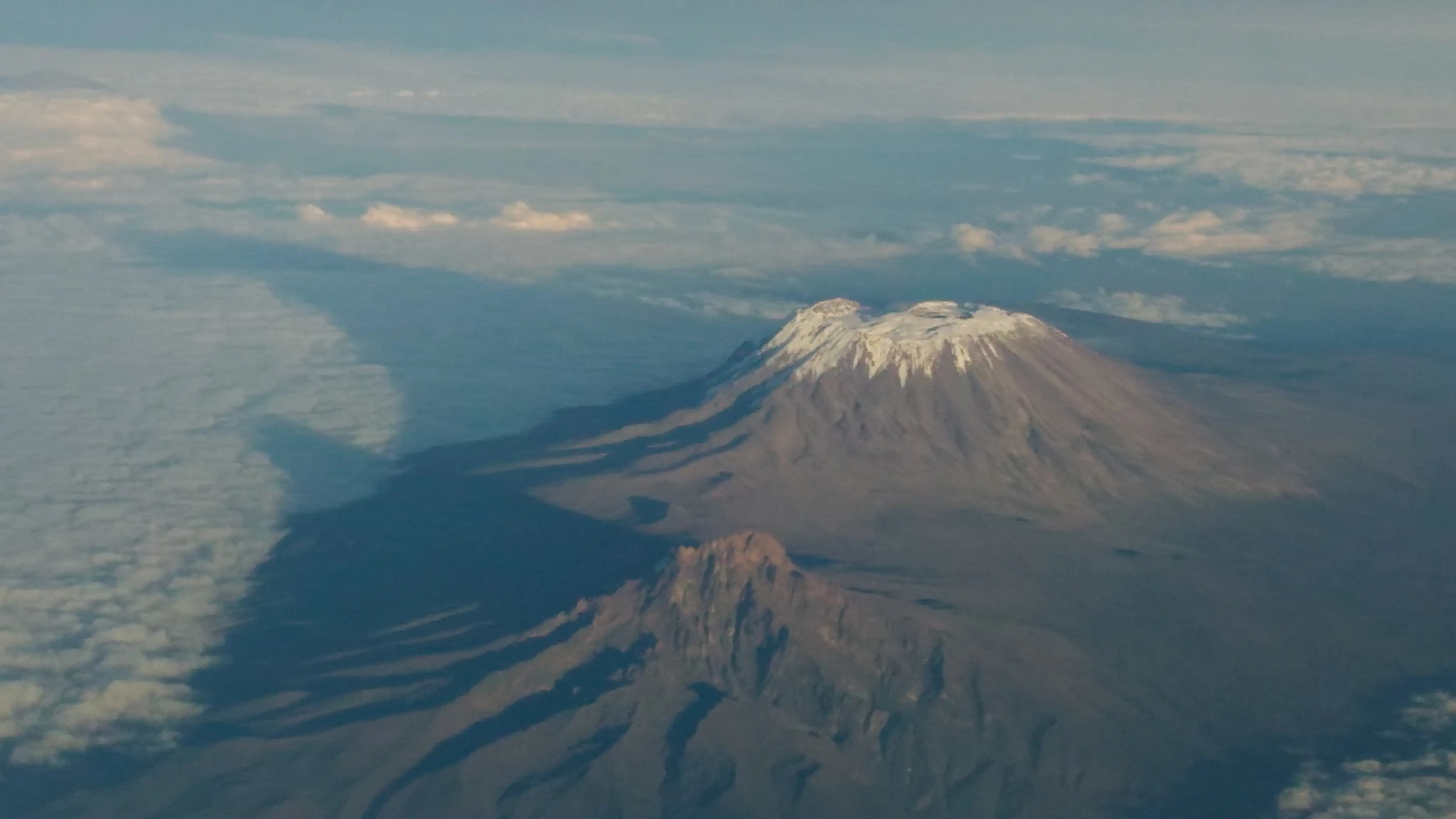
For the lodge, sandals or comfortable slip-ons are helpful. You may want to change after a dusty game drive. If you are going to Zanzibar after safari, bring beach sandals and reef-safe footwear if you plan to walk in tidal areas or around coral. For Kilimanjaro or Mount Meru, the packing list becomes more technical and should include proper trekking boots.
Health, Medication and Personal Care
Health items are important on safari because lodges and camps may be far from large towns. Bring any personal medication in the original packaging and carry enough for the full trip, plus extra in case of delays. Keep essential medication in your hand luggage.
The CDC Travelers’ Health page for Tanzania recommends that travellers speak with a healthcare professional before travel and notes malaria prevention advice for certain areas of Tanzania. This is not something to guess about online. Speak to a travel clinic or doctor before your trip and follow professional medical advice.
A small personal first-aid kit is useful. Include pain relief, stomach medication, plasters, antihistamines, motion sickness tablets if needed, rehydration salts, hand sanitizer, and any prescription items. Sunscreen and insect repellent are essential. Choose products that are effective but also respectful of the environment, especially if you are continuing to Zanzibar and entering marine areas.
- Prescription medicationEssential for personal health needs
- Insect repellentHelps reduce mosquito and insect bites
- Sunscreen and lip balmProtects against strong sun and dry air
- Rehydration saltsUseful after heat, travel, or stomach upset
- Basic pain reliefHelpful for headaches or minor discomfort
- Hand sanitizerUseful during travel and game drives
- Travel insurance documentsImportant for emergencies
Documents and Money
Do not leave documents until the last minute. You should travel with a passport that meets entry requirements, visa or eVisa approval if required, travel insurance, flight details, emergency contacts, and copies of your safari itinerary. Tanzania Immigration’s ordinary visa information states that a valid passport with at least six months validity, a visa fee, passport photo, and return ticket are among ordinary visa requirements. Requirements can change, so always check official immigration guidance before travel.
Keep digital copies and printed copies. Mobile phones can run out of battery, and internet may not always be reliable in remote areas. A printed copy of your itinerary and insurance details can be helpful.
For money, bring a mix of cards and some cash in clean, recent US dollar notes if advised by your operator. Remote lodges may not always have strong card connectivity. Ask Warriors of Africa Safari before departure about tipping guidance, payment expectations, and what expenses are included in your package.
- PassportRequired for international travel
- Visa or eVisa approvalNeeded depending on nationality
- Travel insuranceImportant for medical and trip protection
- Safari itineraryUseful for transfers and lodge check-ins
- Emergency contactsHelpful in unexpected situations
- Flight ticketsNeeded for airport and schedule planning
- Copies of documentsBackup if originals are lost
Camera, Binoculars and Electronics
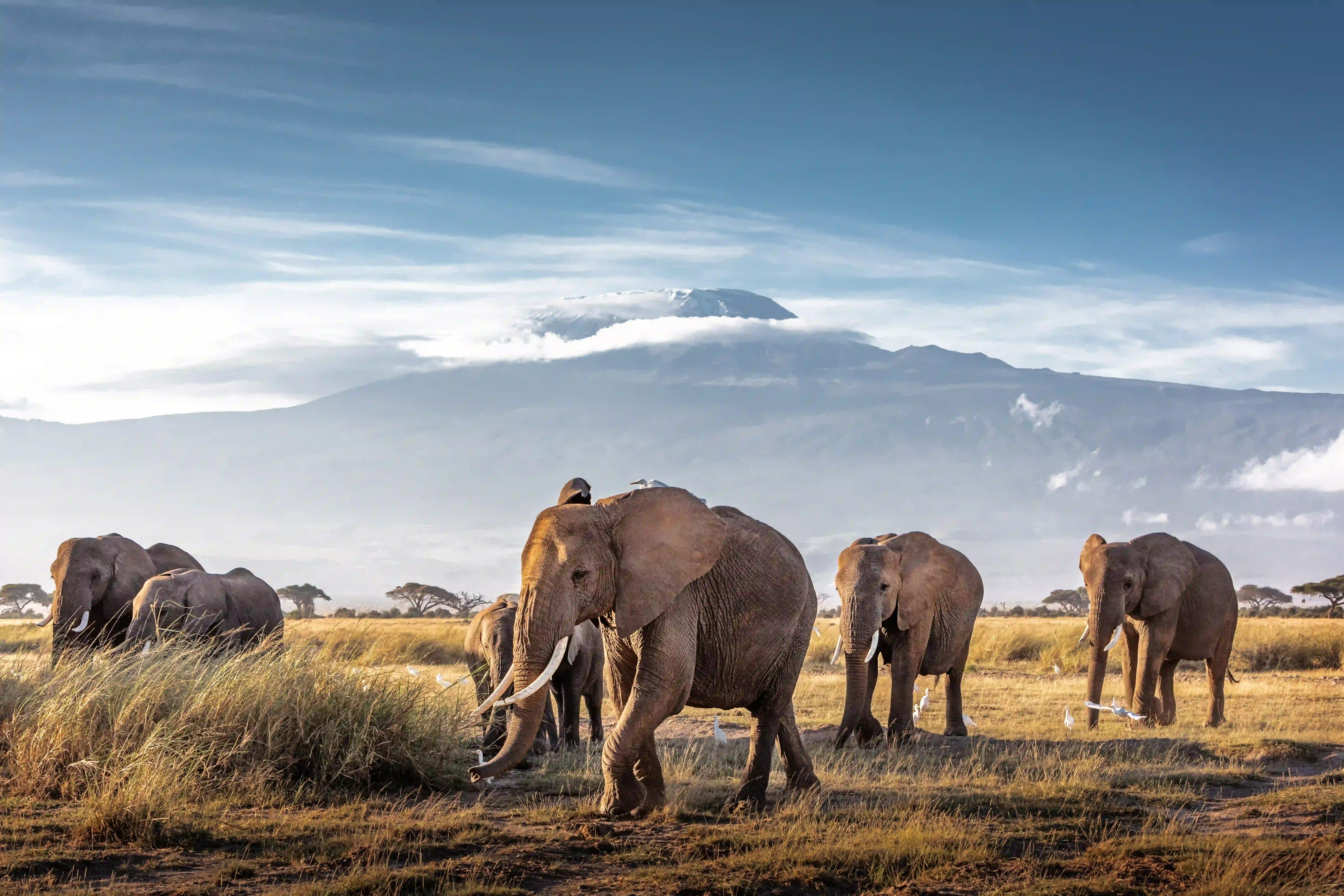
Safari is one of the few trips where binoculars can completely change your experience. Even if your guide has a pair, it is better when each traveller has their own. Binoculars help you see birds, distant lions, leopards in trees, and behaviour that is not visible with the naked eye.
For photography, bring the best camera you are comfortable using. You do not need professional equipment to enjoy safari, but you should bring enough memory cards, batteries, chargers, and a dust-safe camera bag. Dust is part of safari life, especially in the dry season. Keep a lens cloth or blower with you.
Power banks are useful because charging points may be limited during long drives. Many lodges have electricity, but some camps may run on solar power with limited charging times. Bring universal adapters and check what plug type your accommodation uses.
Packing for Different Seasons
Tanzania’s packing needs change slightly by season. During the dry season from June to October, mornings and evenings can be cold, especially in Ngorongoro highlands and open safari vehicles. Afternoons may still be warm, so layers are important.
During the green season, from around November to May, bring a light waterproof jacket and shoes that can handle wet ground. The landscape is beautiful, but rain showers can happen. You should also protect camera gear from moisture.
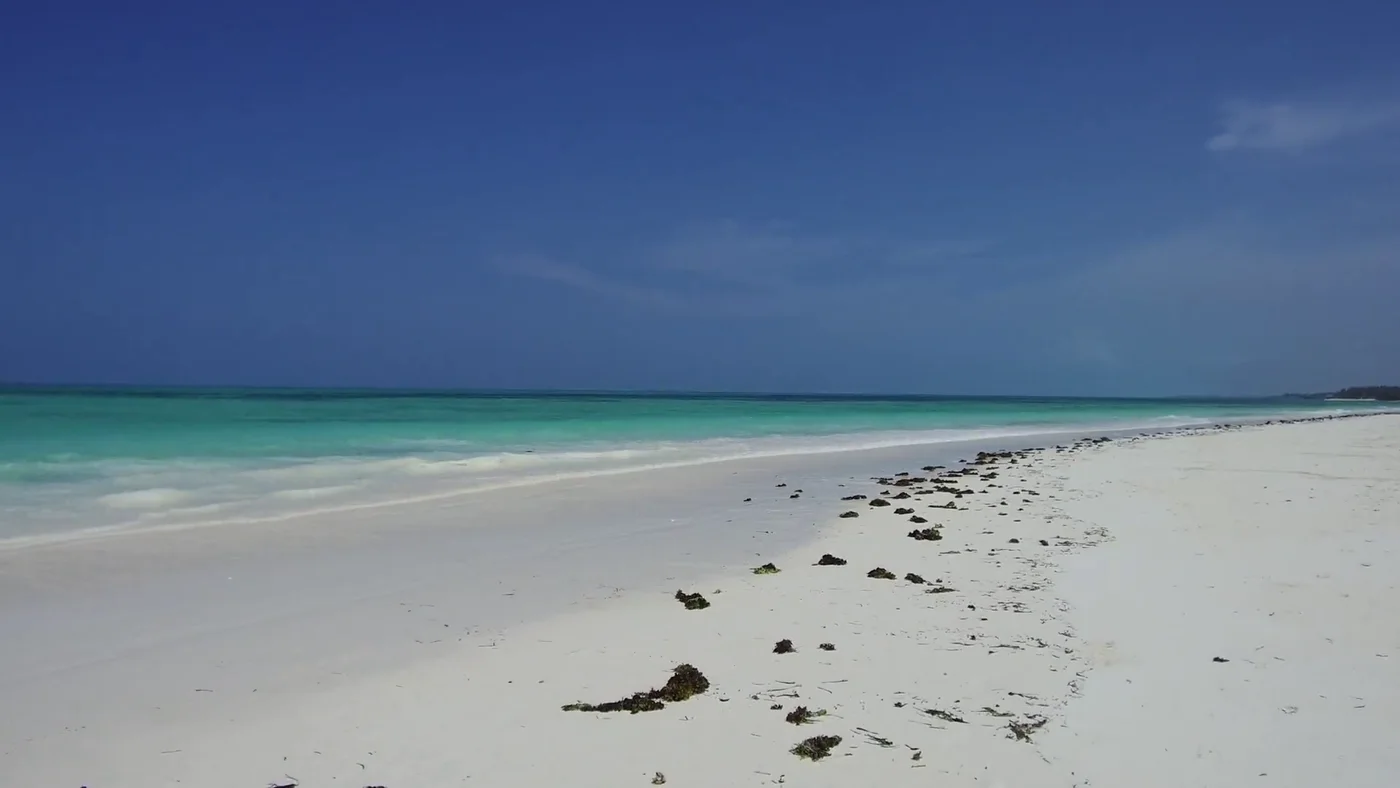
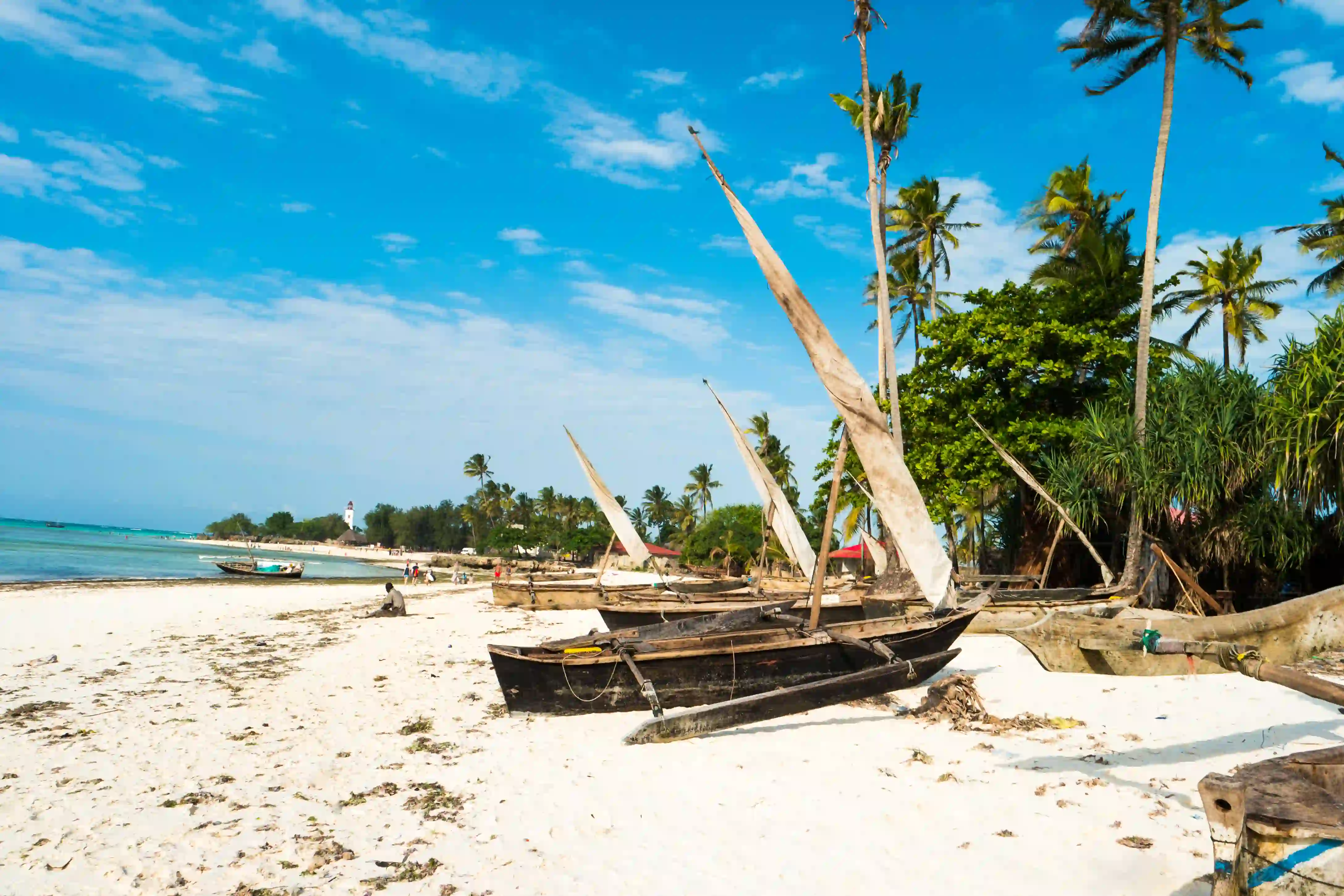
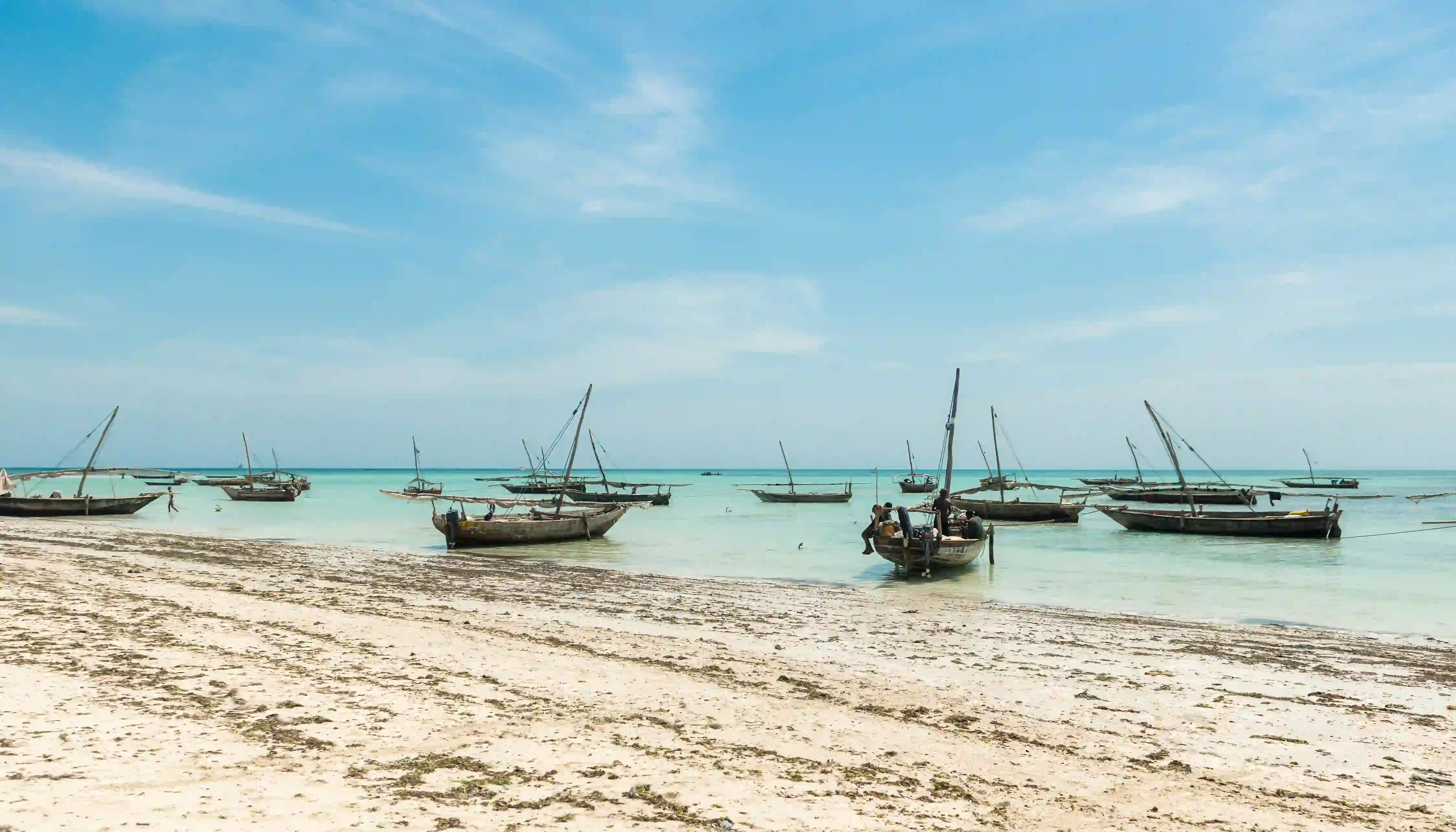
For Zanzibar, pack light beach clothing, swimwear, sandals, sun hat, sunglasses, and modest clothing for Stone Town or village visits. Zanzibar has a coastal culture where respectful clothing matters away from the beach.
What Not to Pack
Many travellers bring too much. You do not need formal evening wear, high heels, heavy jewellery, strong perfume, large hard suitcases, or many white clothes. Safari lodges are usually relaxed. Even luxury lodges understand that guests are coming from dusty game drives.
Avoid camouflage clothing because it can be sensitive in some African countries and is not necessary for safari. Avoid drones unless you have written permission and understand local regulations; drones are usually restricted in parks and near wildlife areas. Avoid plastic waste where possible and use reusable bottles if your lodge or vehicle provides safe refill options.
The goal is not to impress the bush. The goal is to feel comfortable, respectful, and ready.
Talk it through with a trip designer
Call our Arusha office for honest advice on lodges, routes and the best season for your dates.
Call the officePacking for Families, Honeymooners and Seniors
Families should pack extra patience, snacks, child medication, entertainment for transfers, and familiar comfort items for younger children. A private safari vehicle is often best for families because it allows flexible breaks. Children may not need many toys, but a notebook, binoculars, wildlife checklist, or small camera can keep them engaged.
Honeymooners should pack one or two elegant but simple outfits for special dinners or beach evenings. Keep the safari clothing practical, then add romantic pieces for Zanzibar or luxury lodge moments. Do not overpack; the best honeymoon photos often come from natural moments, not heavy wardrobes.
Senior travellers should focus on comfort and medication. Bring supportive shoes, required prescriptions, glasses, sun protection, a light walking aid if needed, and medical notes if relevant. A private safari with well-chosen lodges can make the journey much smoother.
- FamiliesSnacks, child medication, simple entertainment
- HoneymoonersOne elegant outfit, beachwear, comfortable safari layers
- SeniorsMedication, supportive shoes, warm layers
- PhotographersExtra batteries, beanbag support, memory cards
- Solo travellersDocument copies, portable charger, simple luggage
Angel’s Packing Advice
My honest advice is to pack less than you think you need, but pack the right things. Safari is not about changing outfits many times a day. It is about being ready for early starts, dust, sun, changing temperatures, and long beautiful hours outdoors.
If your trip includes safari and beach, separate your bag mentally into two parts: safari essentials and Zanzibar essentials. This makes packing easier and helps you avoid carrying unnecessary items into the bush. If your trip includes Kilimanjaro, ask for a separate technical packing list because mountain gear is very different from safari gear.
Good planning should make you feel calmer, not more confused.
Angel says
FAQs
Final Thoughts from Angel
A good Tanzania safari packing list should make you feel prepared, not overloaded. Bring layers, neutral clothing, comfortable shoes, health essentials, documents, sun protection, insect repellent, binoculars, and a soft bag. Keep the rest simple.
If you are travelling with Warriors of Africa Safari, tell us your route, travel month, and whether you are adding Zanzibar or Kilimanjaro. We will help you adjust your packing list so you arrive confident, comfortable, and ready for the journey.
Good planning should make you feel calmer, not more confused.
Angel says

14-Day Great Migration and Zanzibar Mid-Range Safari
- Three nights in the northern Serengeti
- Two nights in Central Serengeti