 4 Days · 3 Nights
4-Day Classic Tanzania Safari
Tarangire · Serengeti · Ngorongoro
- Tarangire, Central Serengeti and Ngorongoro Crater
- Private safari vehicle and a professional driver-guide
From$1,899per person
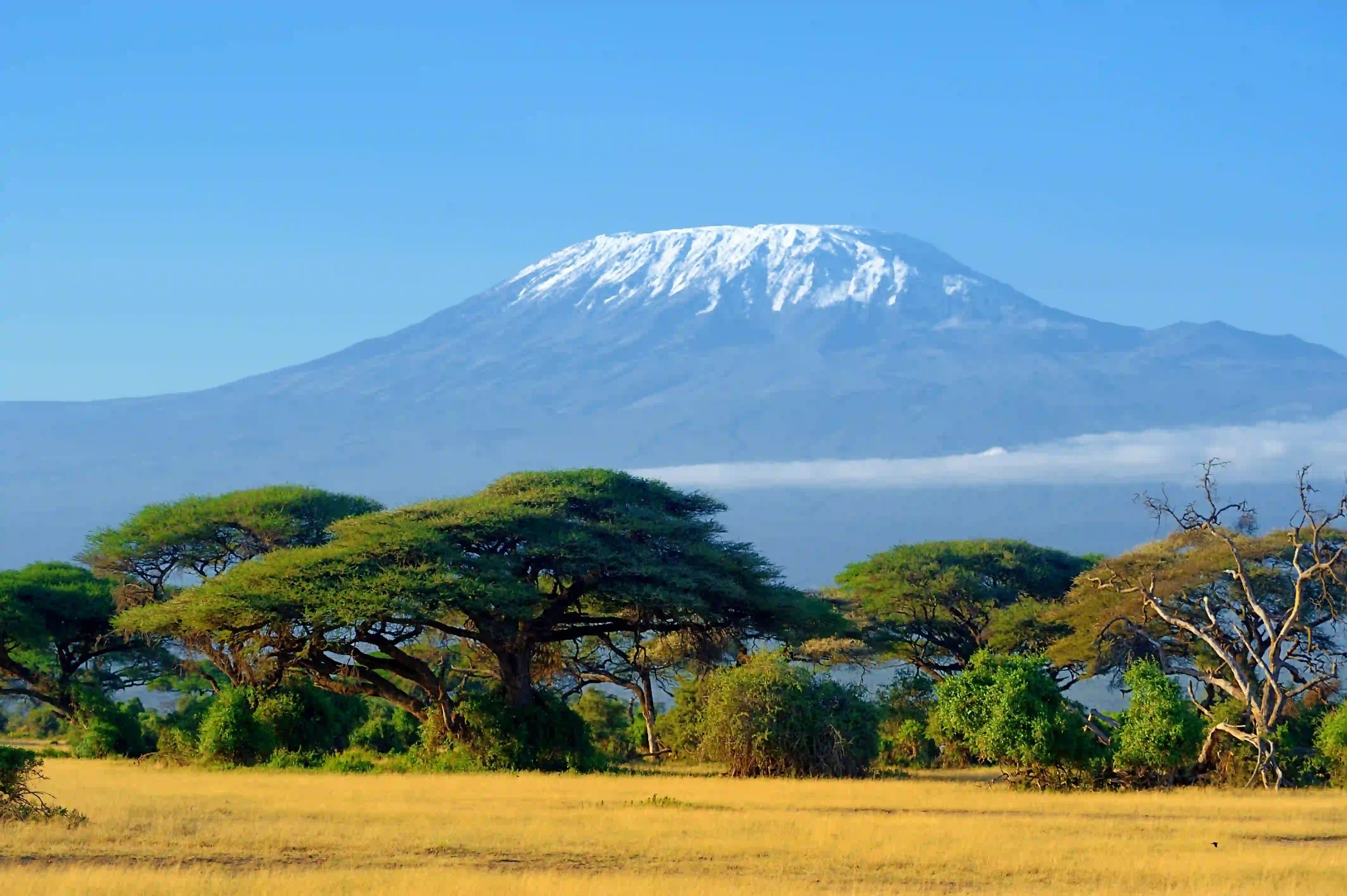
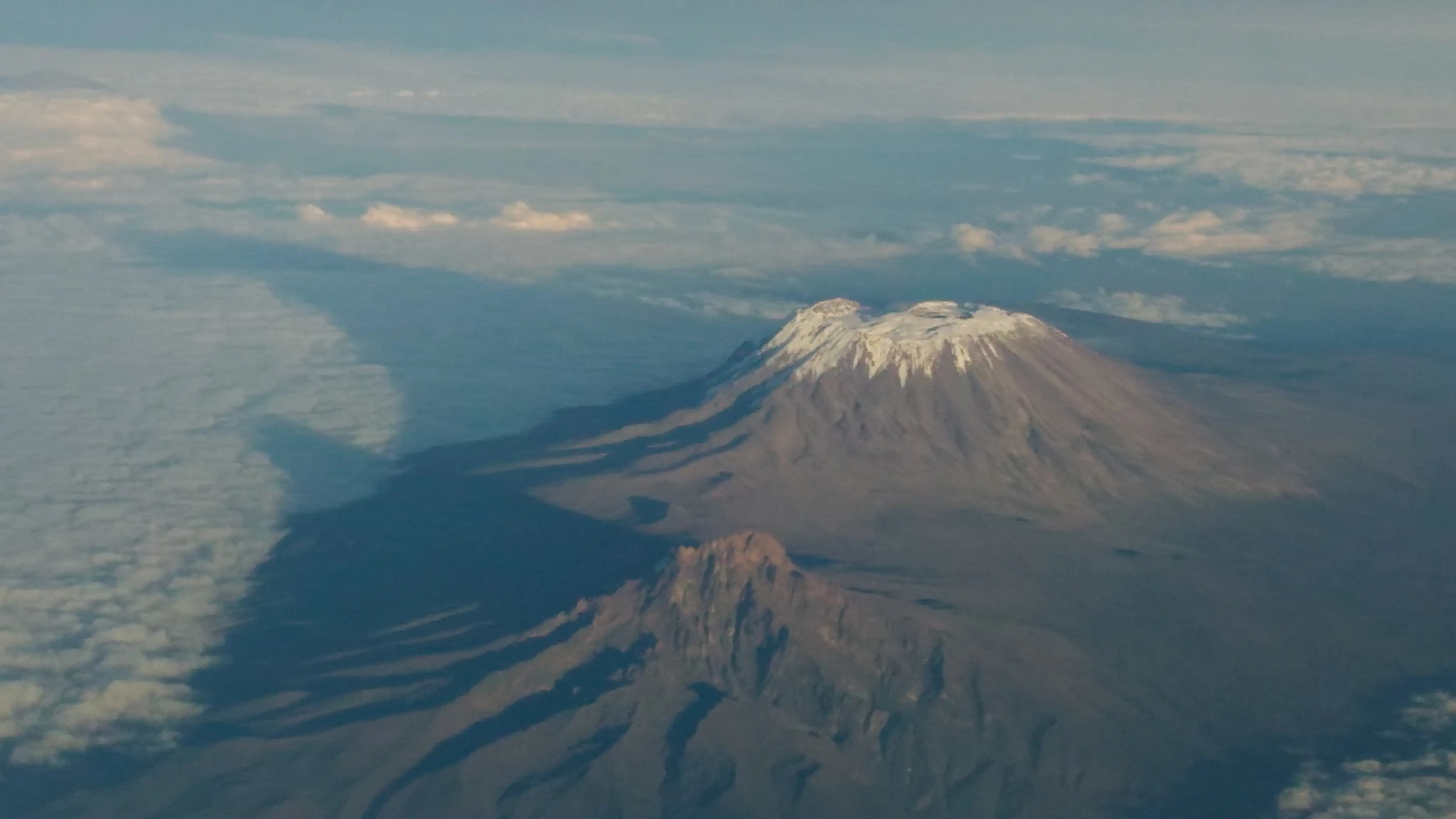
Mount Kilimanjaro is one of the most inspiring travel experiences in Africa. Rising above northern Tanzania, it is a mountain of snow, forest, moorland, alpine desert, and wide sky. For many travellers, reaching the summit is a lifelong dream — and with the right team and preparation, it is genuinely achievable.
Kilimanjaro is not a technical climb for most standard routes, but it is a serious high-altitude journey. Success depends on preparation, pacing, guiding, safety, and the right route choice. A luxury Kilimanjaro climb is not about making the mountain easy. It is about making the journey safer, more comfortable, and better supported — so guests can focus on the experience rather than the logistics.
With Warriors of Africa Safari, a Kilimanjaro journey can be planned with careful route selection, strong professional guiding, comfortable camp support, private or small-group arrangements, and a smooth safari or Zanzibar extension after the climb. The mountain remains the challenge — we handle everything else.
Mount Kilimanjaro is special because it offers a complete journey through changing natural zones. Climbers begin in cultivated foothills and rainforest, then move through heath and moorland, alpine desert, and finally the cold summit zone at 5,895 metres. Each stage feels different, builds in character, and adds to the emotional power of what becomes one of the most memorable journeys in Africa.
The mountain is also famous because it is Africa's highest peak. Uhuru Peak at 5,895 metres is a powerful summit goal — and standing there, above the clouds, is a proud and deeply personal moment. But the journey to reach it is just as important. Every trekking day brings new scenery, new altitude, and a growing sense of achievement.
For luxury travellers, Kilimanjaro offers more than a physical challenge. It offers privacy, excellent guiding, quality camp service, careful meals, warm sleeping arrangements, and thoughtful logistics. These details help guests focus on the climb, the scenery, and the meaning of the experience — rather than the discomforts that come with poor preparation.
From the summit at Uhuru Peak to the forest and alpine desert below — the features that make Kilimanjaro one of the world's great mountain journeys.
Choosing the right route is one of the most important decisions for a Kilimanjaro climb. The route affects scenery, difficulty, crowd levels, acclimatisation, and the overall feel of the journey. A route should never be chosen only because it is the shortest — longer routes give the body more time to adjust to altitude and often lead to a more comfortable and successful summit experience.
Warriors of Africa Safari helps select the best route based on your fitness, available time, comfort preferences, privacy needs, and travel goals. The right choice makes the climb feel more balanced, more rewarding, and more personal.
The Kilimanjaro experience is shaped by the journey as much as the summit. Climbers pass through montane rainforest filled with colobus monkeys and hornbills, open heath and moorland with giant groundsels and lobelias, the stark and beautiful alpine desert, and finally the summit ice fields and crater rim. Each day brings a completely different landscape and a new altitude milestone.
Photography is outstanding throughout the climb. The rainforest offers soft dappled light and wildlife; the moorland gives wide open views and dramatic skies; the alpine desert is stark and otherworldly; and the summit rewards guests with one of the most moving sunrise views in Africa — above the clouds and the plains far below.
A luxury Kilimanjaro climb focuses on comfort, safety, and personal support. The mountain remains physically challenging, but the right arrangements can make every day smoother. Guests may have better tents, warm sleeping systems, quality hot meals, private toilet tents, attentive camp staff, and professional guides who monitor pace, altitude response, and energy throughout.
Good guiding is the most important luxury on Kilimanjaro. A strong guide team can make the difference between a stressful climb and a well-managed journey. Private or small-group climbs offer more flexibility than large group departures and allow the schedule and pace to be tailored entirely to the guests.
Mount Kilimanjaro can be climbed throughout the year, but some months are significantly more comfortable than others. The best climbing periods are the drier seasons when trails are firmer, visibility is stronger, and summit conditions are more reliable. Weather on the mountain can still change quickly at any altitude and at any time of year.
January to early March offers clearer conditions and fewer crowds than the peak months. June to October is the most popular climbing period — drier, busier, and excellent for combining with a northern Tanzania dry-season safari. April and May are the long rain months and not recommended for most guests.
January and February combine clearer skies with lower visitor numbers — an excellent window for guests who want strong summit conditions without the peak-season crowds of July and August.
January offers clearer skies and moderate visitor numbers — a rewarding month for a quieter and often beautiful climb.
Cold at altitude, especially near the summit, but generally stable conditions make it a good choice for prepared guests.
Mount Kilimanjaro combines beautifully with a Tanzania safari. After the climb, many guests continue to Tarangire, Ngorongoro Crater, Serengeti, or Lake Manyara. A safari after the climb is often better than before because it allows guests to rest and celebrate — after days of trekking, a luxury lodge, private game drive, and warm hospitality feel especially rewarding.
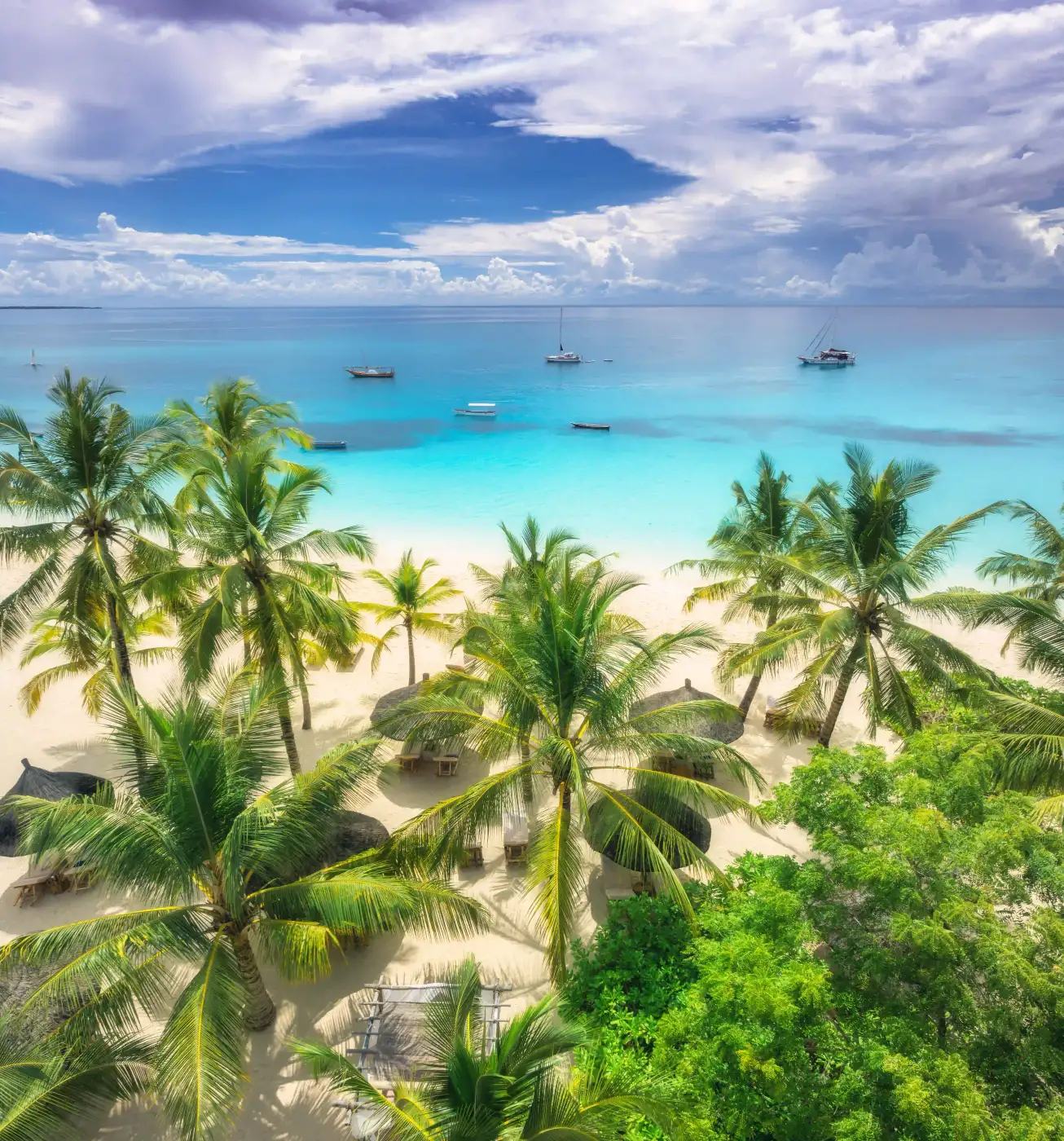
Zanzibar is also a natural extension. The beach gives guests time to recover, swim, and relax after the mountain — especially popular for honeymooners and travellers who want a complete adventure-and-rest holiday. Warriors of Africa Safari designs the full journey around comfort, timing, and flow.
Drag and explore our curated collection of shots from Mount Kilimanjaro
The iconic summit sign at Uhuru Peak — Africa's highest point at 5,895 m
Trekking through the moorland zone with the summit ahead.
The lush montane rainforest at the lower slopes of Kilimanjaro
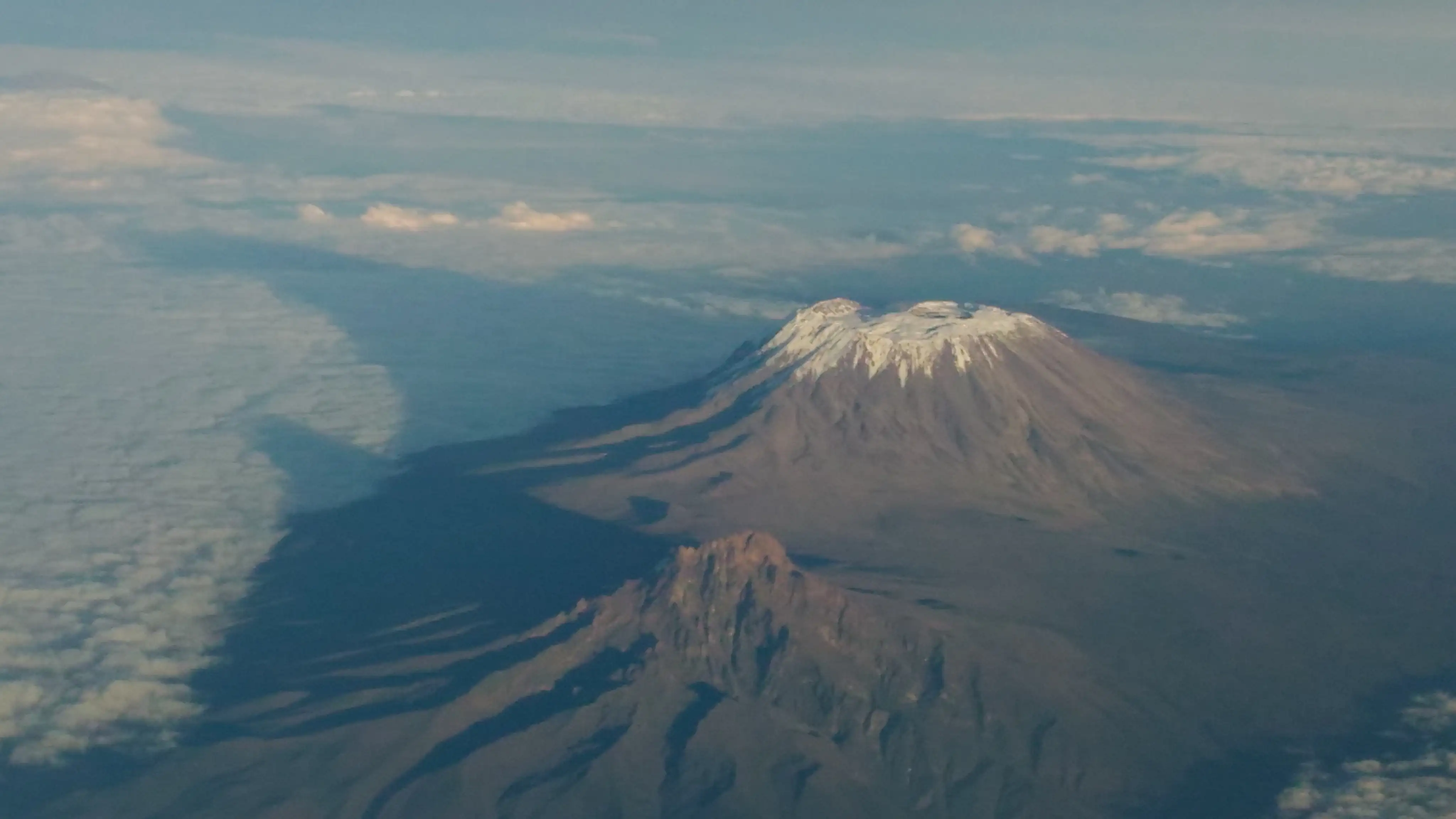
The otherworldly volcanic landscape of the high alpine desert zone
A warm and well-supported camp at the end of a long trekking day.
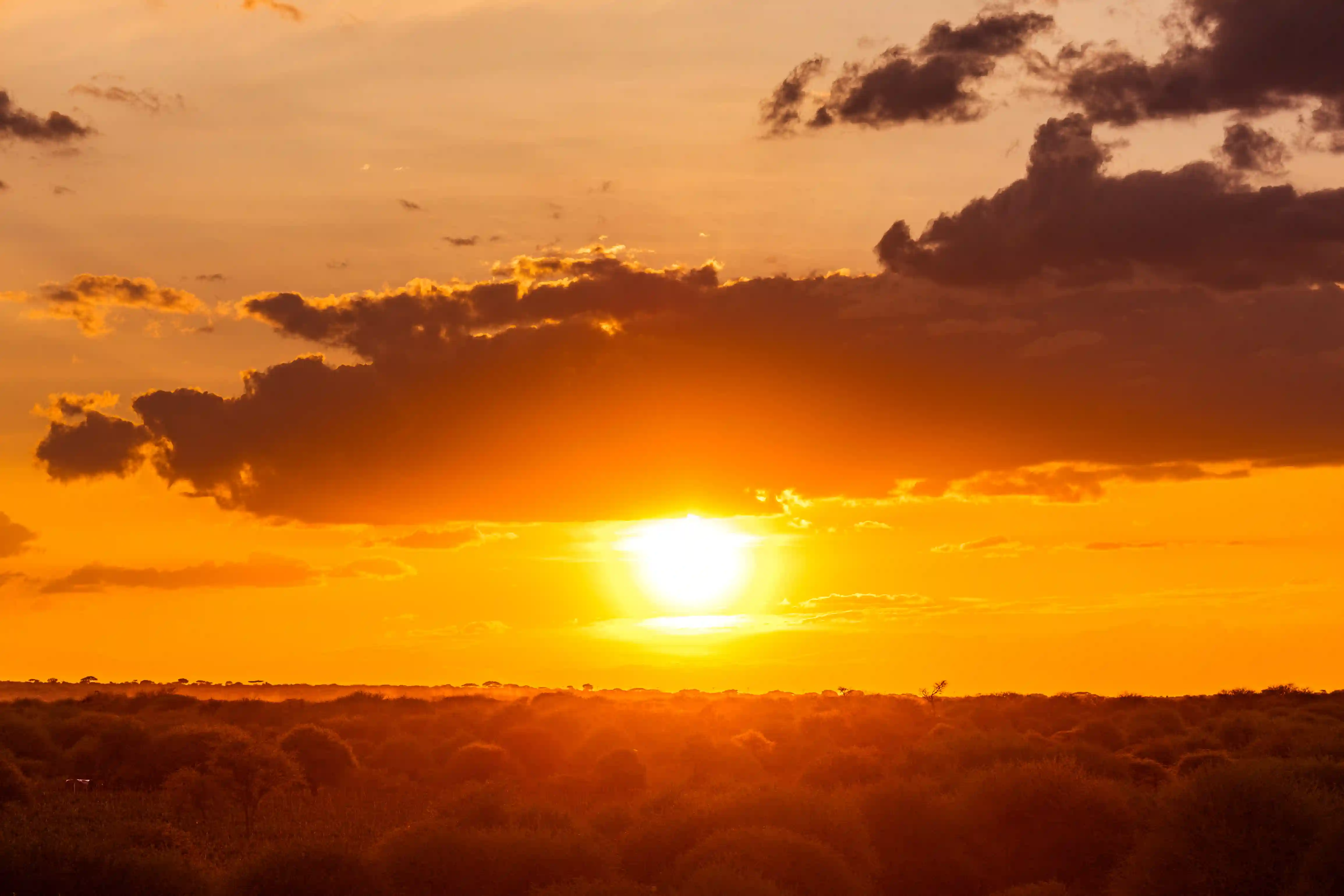
Golden light spilling over the crater rim as the sun rises above the clouds
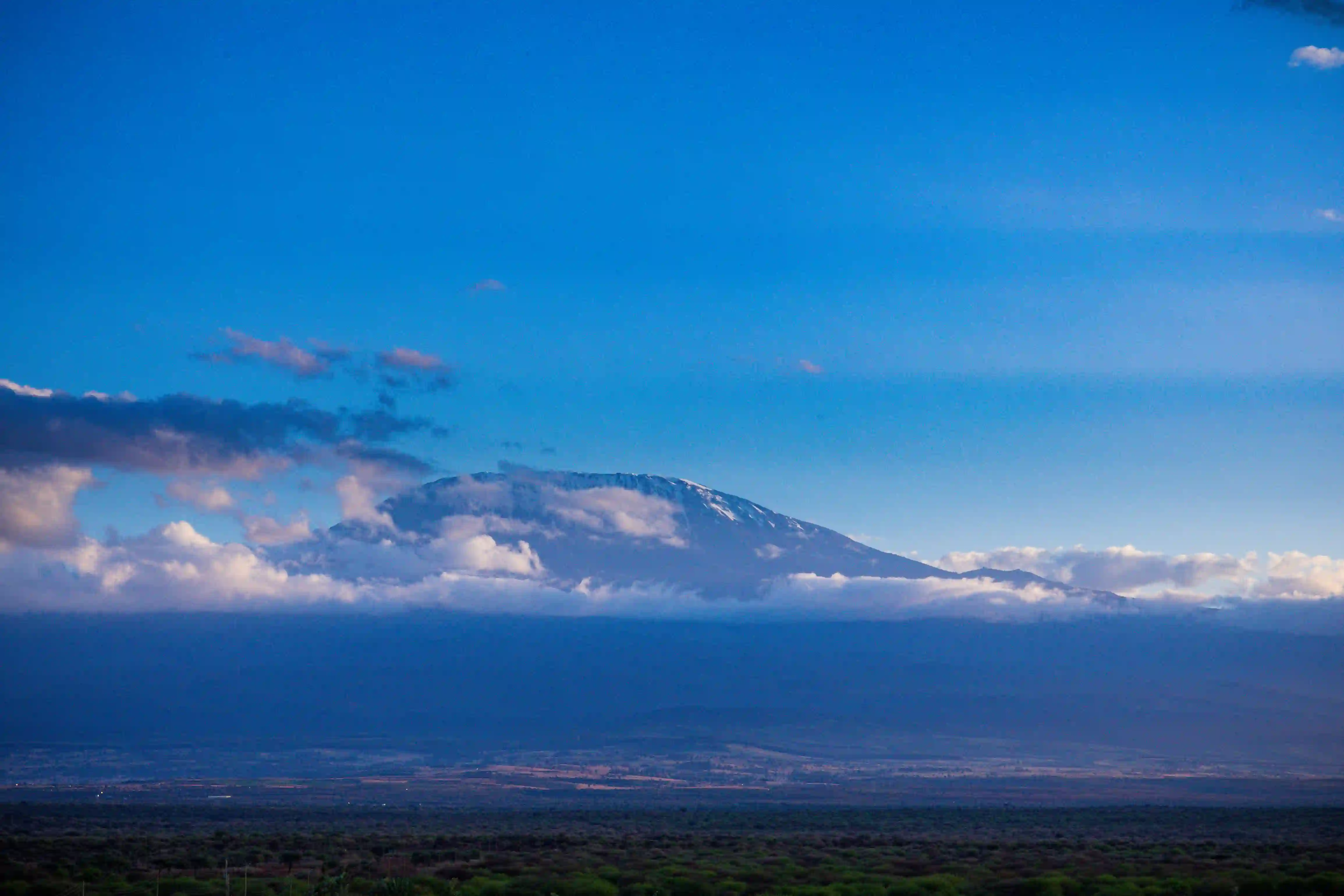
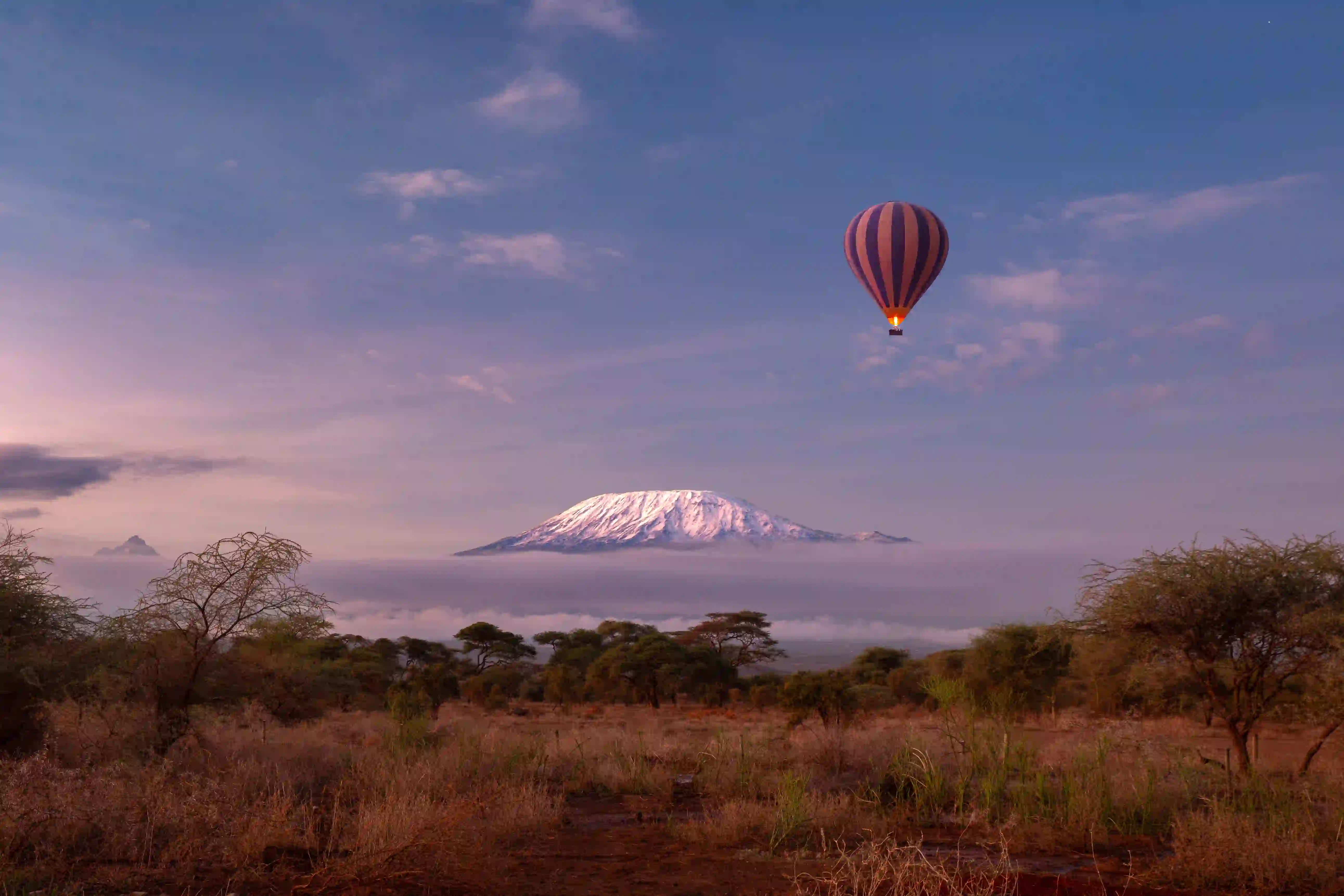
The iconic profile of Kilimanjaro rising above the northern Tanzania plains
Responsible Kilimanjaro travel begins with safety. The mountain is high, and altitude must be taken seriously. Guests should choose routes with enough days for acclimatisation, walk slowly, listen to guides, and never push through warning signs. A well-paced climb is both safer and more enjoyable.
Porter welfare is an equally important part of responsible climbing. A good operator supports fair pay, proper equipment, reasonable loads, food, and safe working conditions for the entire mountain crew. Ethical support protects the people who make the climb possible and raises standards across the whole industry. With Warriors of Africa Safari, these commitments are built into every Kilimanjaro journey.
Everything you need to know about visiting Mount Kilimanjaro
None of our routes stops here yet; these pass close by or start nearby, and we can add a stop.
4 Days · 3 NightsTarangire · Serengeti · Ngorongoro
From$1,899per person
 6 Days · 5 Nights
Tarangire · Manyara · Serengeti · Ngorongoro
From$2,455per person
 14 Days · 13 Nights
Serengeti · Ngorongoro · Zanzibar
From$5,141per person
Get our comprehensive Mount Kilimanjaro Guide packed with tips, itineraries, and destination info.