
 4 Days · 3 Nights
4-Day Nyerere National Park Safari with Boat Safari
Nyerere National Park · from Dar es Salaam
- Start and end in Dar es Salaam, by road
- A full-day game drive and a Rufiji boat safari
From$1,900per person
.webp)
.webp)
Nyerere National Park — the protected core of the greater Selous ecosystem — is one of Africa's most extraordinary wild places. At 30,893 km², it is vast beyond comprehension, and yet the experience of being here is not one of scale but of intimacy: the sound of the Rufiji at dawn, an elephant herd crossing the water, hippos arguing in the shallows, and a bee-eater colony erupting from the riverbank in a flash of colour. Nyerere offers a relationship with the African wilderness that more famous and more crowded parks cannot always provide.
The park is centred on the Rufiji River system — Tanzania's largest river, with its web of channels, oxbow lakes, and seasonal floodplains that define the ecology of the whole area. It is the river that gives Nyerere its defining character: boat safaris here are not a supplementary activity but one of the great safari experiences in East Africa. Watching wildlife from the water, at the pace of a drifting boat with the engine off, changes the whole quality of a safari.
Warriors of Africa Safari designs every Nyerere visit around the Rufiji — starting with an early boat safari when the light is soft and the banks are most active, then transitioning to a private game drive in the surrounding woodland and plains. The combination of water and land gives the safari a natural rhythm and a visual variety that few parks can match. For guests travelling the southern circuit, Nyerere is not just a park on the itinerary: it is the emotional heart of the journey.
What makes Nyerere different from any other Tanzania safari is the Rufiji River and the space. The river creates an entirely different mode of wildlife encounter — drifting silently past a pod of 50 hippos, watching crocodiles sun themselves on bleached sandbanks, or floating below a nesting colony of carmine bee-eaters. This is the Africa that most northern circuit visitors never see, and for guests who have already done Serengeti and Ngorongoro, Nyerere delivers something genuinely new.
The scale of the park also matters. In the whole of Nyerere during peak season, there are far fewer vehicles than on a single popular game drive loop in the Serengeti. This means predator sightings are experienced quietly and at length — not surrounded by a crowd of ten vehicles jockeying for position. A Nyerere lion sighting, or a leopard at rest in a sausage tree, is experienced as it should be: with patience, silence, and the satisfaction of discovery.
For birdwatchers, Nyerere is one of East Africa's premier destinations — over 400 species across its varied habitats. The riverbanks, lakes, palm groves, and miombo woodland each support different bird communities, and the range of habitats means that even a single morning on the Rufiji can produce dozens of species of exceptional quality and variety.
From the Rufiji River and boat safaris to elephant herds, birdlife, and remote miombo wilderness — what makes Nyerere one of Africa's most rewarding safari destinations.
A Nyerere safari follows a natural daily rhythm set by the river. The best mornings begin before sunrise with a departure for the Rufiji — coffee at the riverbank before boarding, the engine idled off, and the sound of the water and forest taking over. By mid-morning the heat builds and wildlife retreats to shade; this is the time to return to camp for breakfast and rest. The afternoon game drive, departing when the light begins to soften, covers the open plains and woodland circuits where elephants move and predators become active.
Wild dogs are associated with the greater Selous ecosystem and occasional sightings occur, though they are never predictable and should never be promised as part of an itinerary. The same honest approach applies to leopards — present, possible, and occasionally wonderful — but patience and the right guiding skills matter more than luck. The guides who know this park know where to position and when to wait.
Nyerere's best camps are among the finest in Tanzania. Set on the banks of the Rufiji or overlooking a lake, they offer the wilderness feeling — canvas walls, the sound of hippos at night, the warm glow of a lantern in camp — with the kind of thoughtful service and excellent food that makes the remoteness feel like a gift rather than a hardship. Waking before dawn to the sound of the river and departing for a boat safari in the first light is one of the defining luxury safari experiences in East Africa.
Fly-in access from Dar es Salaam, Zanzibar, or Ruaha makes the logistics smooth. The light aircraft strips inside the park put guests at the camp in under two hours from Dar — no long road transfers, no lost safari time. For guests adding Zanzibar after Nyerere, the flight to the island takes 45 minutes and the transition from elephant to ocean feels both instant and perfect.
Nyerere's main safari season runs from June through October, when the dry conditions concentrate wildlife at the river and the park tracks are firm and fully accessible. This is the time for the finest game drives and boat safaris — the Rufiji is at its most active, hippo pools are densely packed, and predators are visible in the open as prey animals gather at water.
The green months — November through February — offer a different and rewarding experience. The park transforms into a vivid landscape of lush woodland and filled channels. Birdlife peaks as migrants arrive, calves are born across the herbivore population, and the park feels genuinely alive with renewal. The main thing to avoid is the long rains of March through May when many camps close and access is significantly limited.
For the classic Nyerere experience — boat safari on the Rufiji, elephant herds at the water, and a carmine bee-eater colony in full display — July and August are the peak months and the ones most guests plan their southern Tanzania journey around.
January is a quieter month at Nyerere. The vegetation is still green after the short rains and the park feels lush and uncrowded.
Wildlife concentrates around permanent water sources as the dry spell within the green period reduces surface water. A good month for photography with warm light and green backdrops.
Nyerere sits at the heart of Tanzania's southern circuit and connects naturally with Ruaha for a deep wilderness combination, or with Zanzibar for the classic safari-and-beach arc. For guests entering from Dar es Salaam, a fly-in to Nyerere followed by days on the Rufiji and then a short flight to Zanzibar is one of the most satisfying Tanzania itineraries possible — wilderness, river, and ocean in a single journey.
Ruaha extends the southern circuit dramatically — two very different parks, each excellent, each quieter than the north, and together representing a complete and deeply satisfying southern Tanzania wilderness experience. Mikumi offers a more accessible supplement for guests driving from Dar who want a park stop before Nyerere by road.
Drag and explore our curated collection of shots from Nyerere National Park
The Rufiji River at golden hour — hippos, crocodiles, and extraordinary reflections
Drifting the Rufiji on a morning boat safari — elephant, hippo, and bee-eaters along the banks.
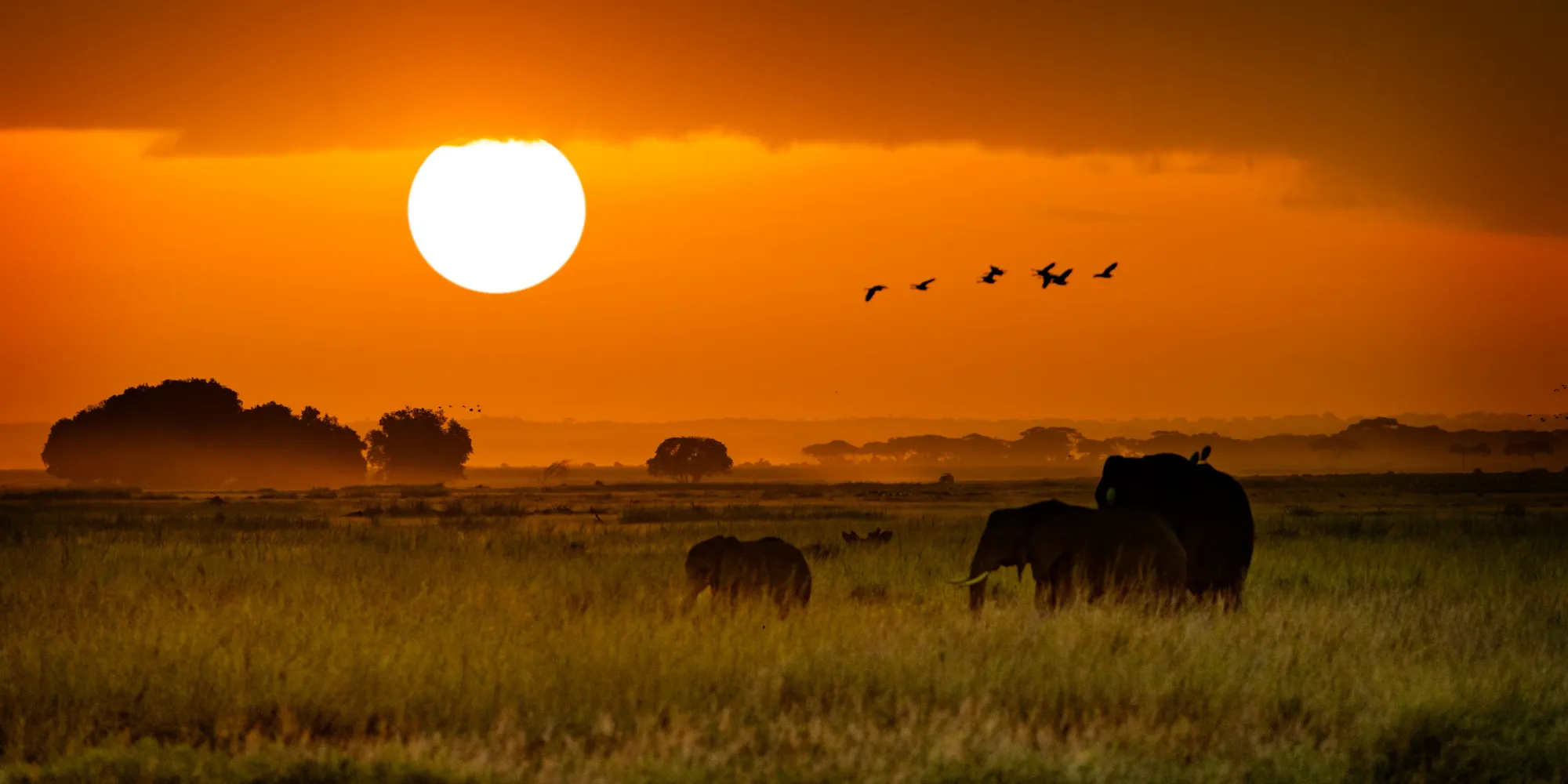
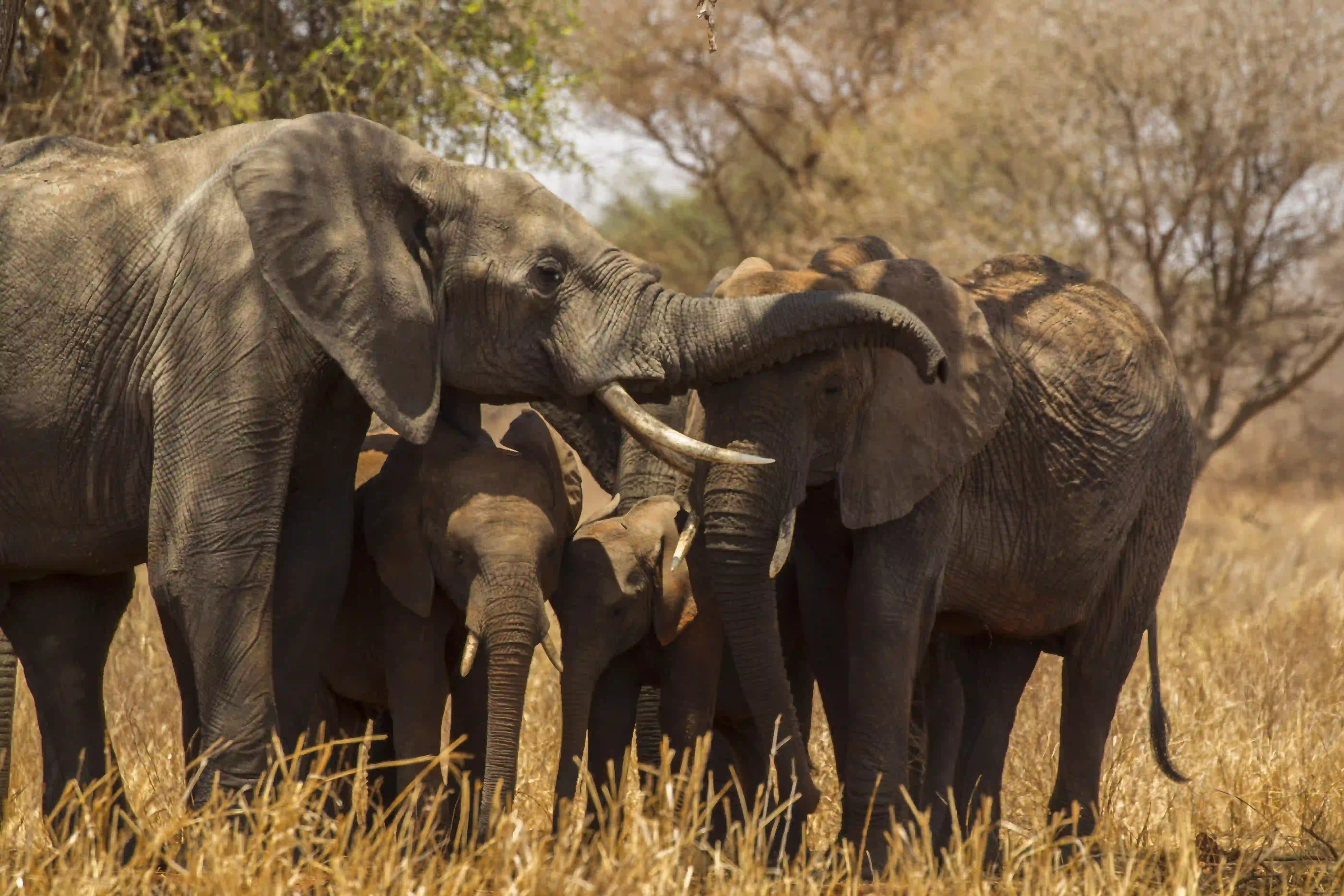
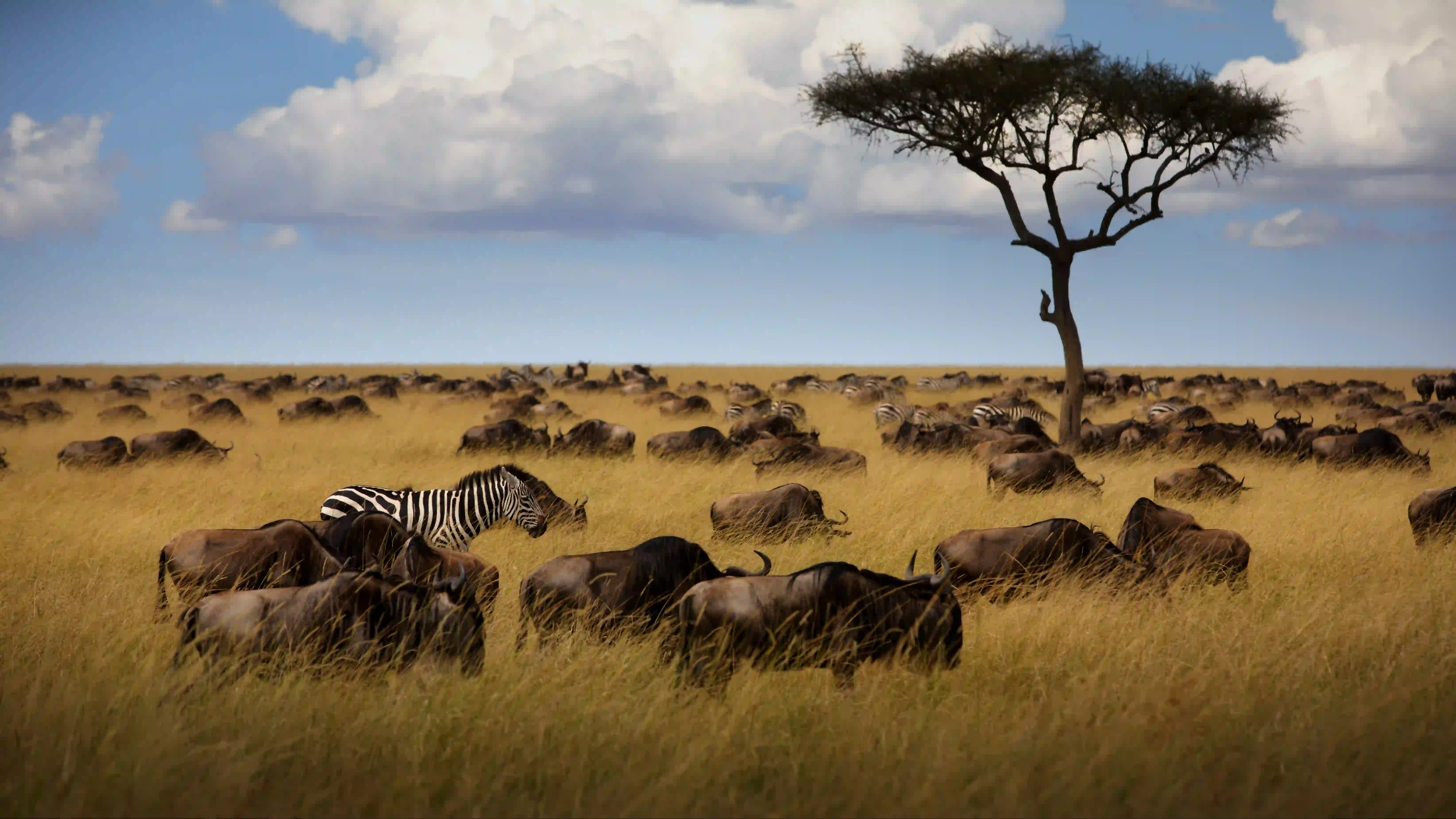
Elephant herds descending to the Rufiji — one of Nyerere's defining daily moments
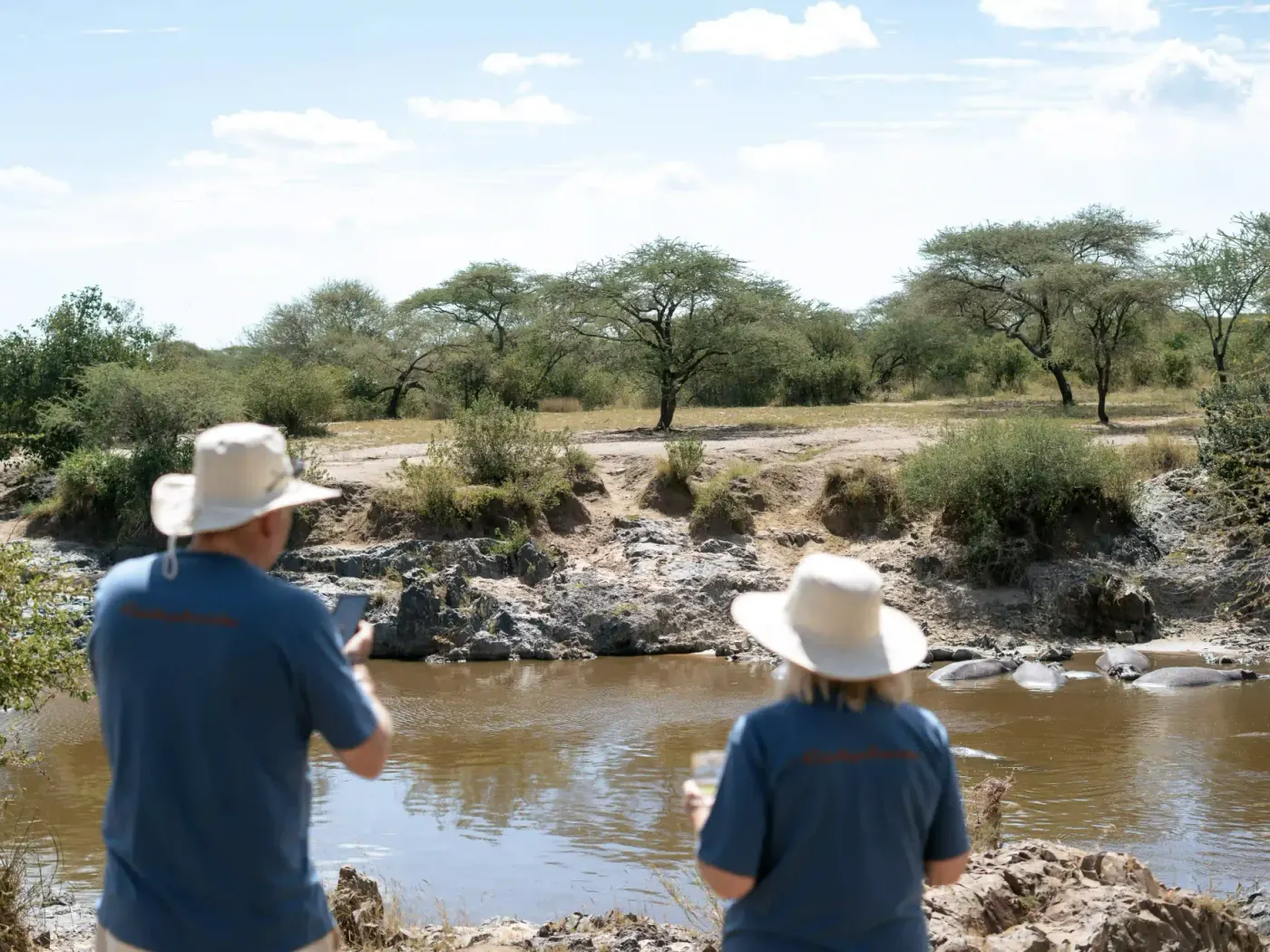
Hippo pods on the Rufiji River — best viewed from the water at close and calm range
Nyerere's vast miombo woodland — remote, quiet, and teeming with bird and mammal life.
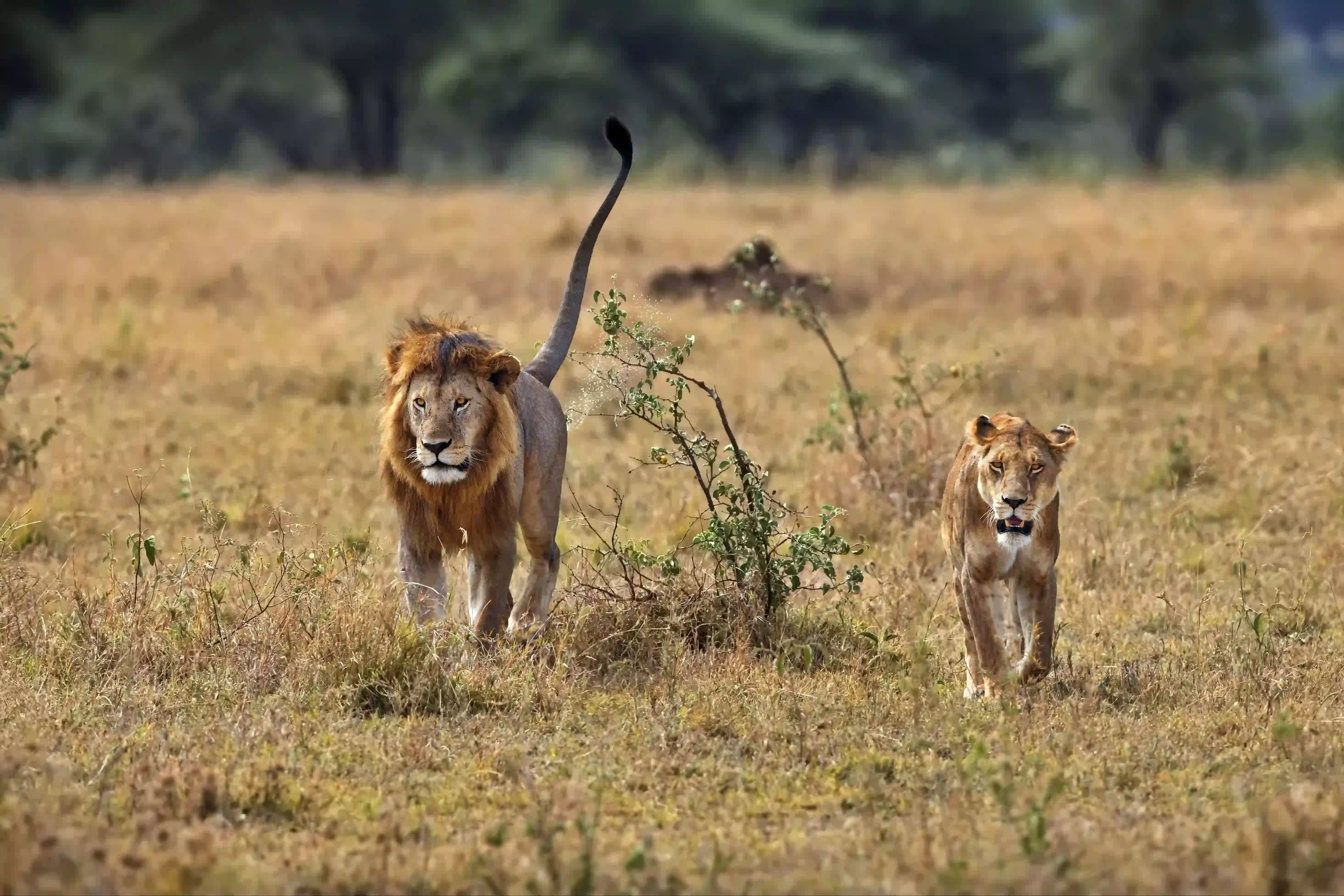
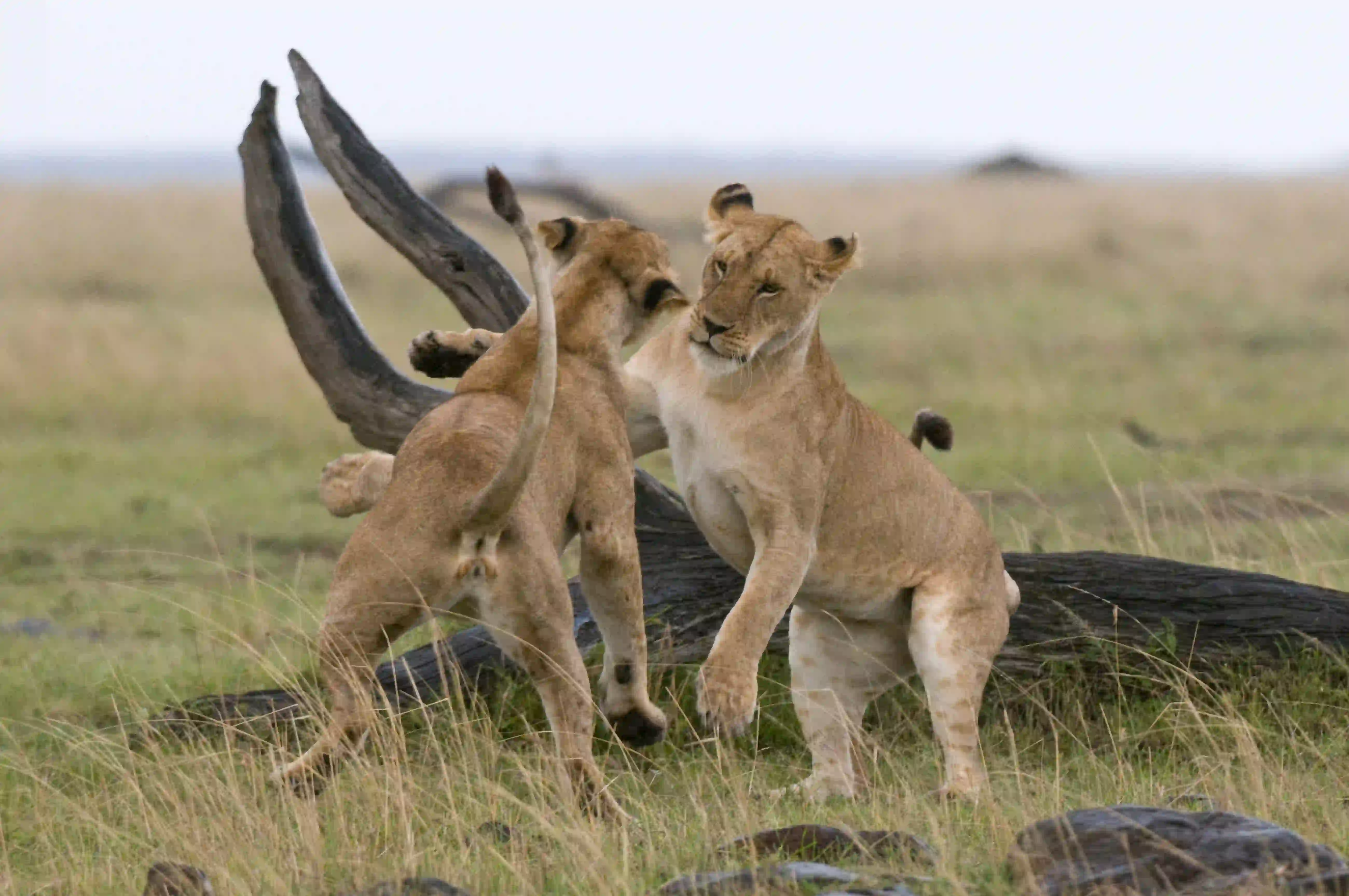
Nyerere's lions — less observed than the north but no less impressive in this vast landscape
Tented camps on the Rufiji bank — remote, elegant, and deeply connected to the wilderness
Nyerere is a protected park of enormous ecological importance — the core of one of Africa's great UNESCO-listed wilderness systems. Responsible behaviour in the park means respecting wildlife at all times, following the guidance of licensed guides and boat skippers, and choosing camps and operators who take conservation seriously.
On the river, responsible boating is particularly important. Hippos and crocodiles require careful approach distances; birds on nesting colonies must not be disturbed; elephants coming to drink deserve space and silence. A good skipper knows all of this instinctively, which is why the guide and operator choice matters so much in a park like Nyerere. Warriors of Africa Safari works only with operators who uphold these standards on every departure.
Everything you need to know about visiting Nyerere National Park
Our routes that stop here, each tailored to your dates.
4 Days · 3 NightsNyerere National Park · from Dar es Salaam
From$1,900per person
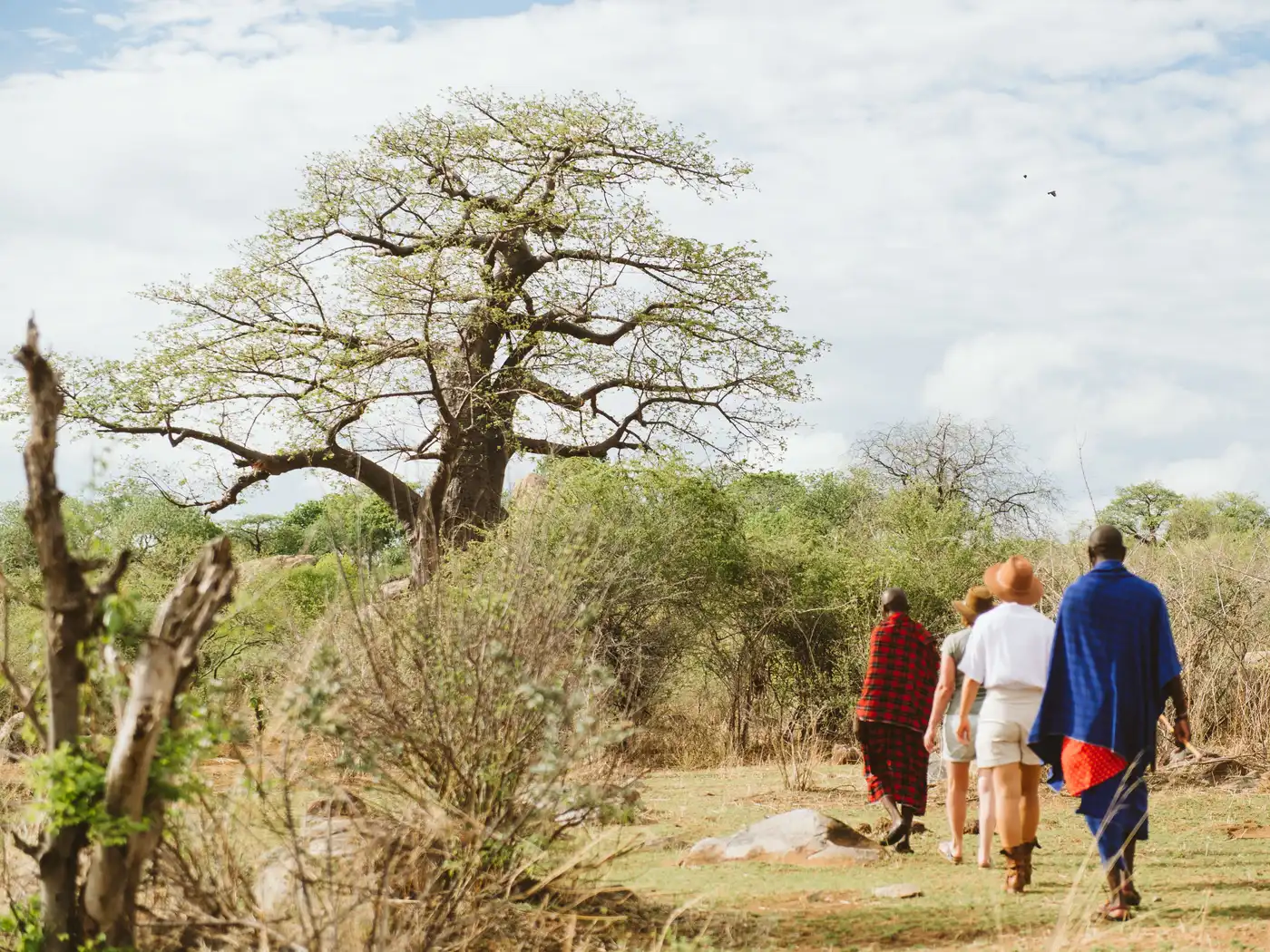 7 Days · 6 Nights
Nyerere & Ruaha · Southern Tanzania
From$4,750per person
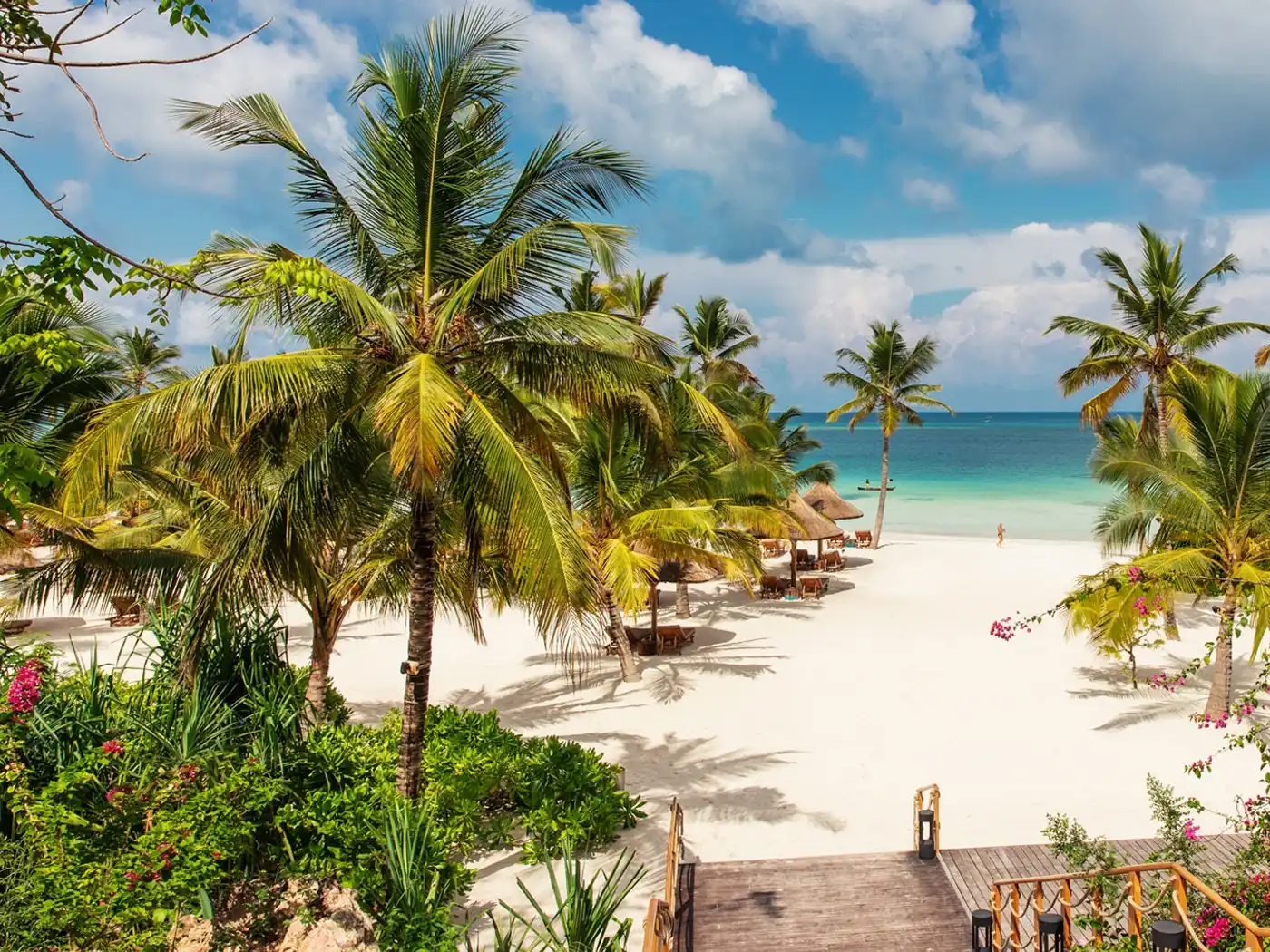 10 Days · 9 Nights
Nyerere, Ruaha & Zanzibar · Southern Tanzania
From$6,250per person
Get our comprehensive Nyerere National Park Guide packed with tips, itineraries, and destination info.