
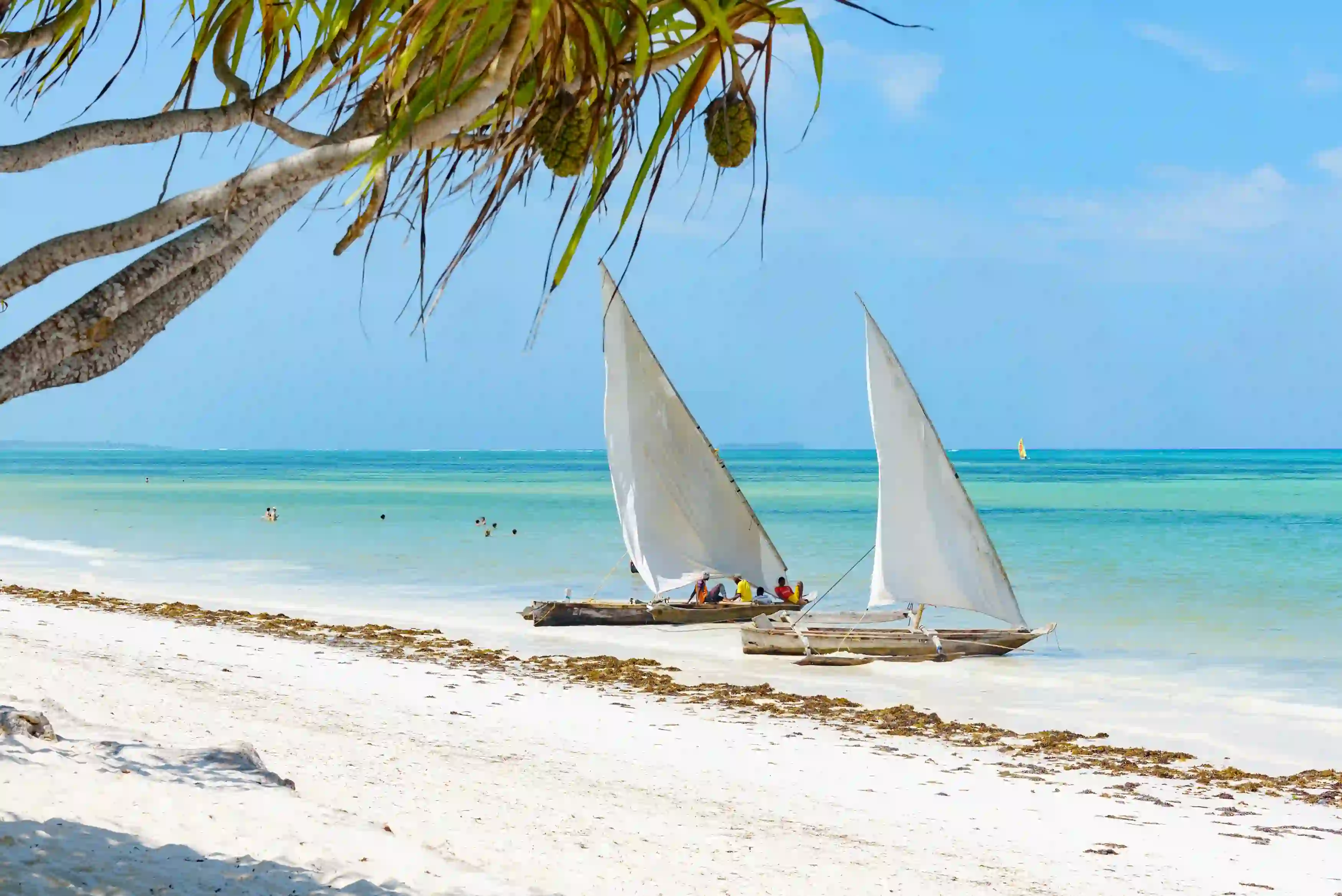
Best Family Safari Destinations in Tanzania: Angel’s Complete Parent-Friendly Guide
Introduction: The Best Family Safari Is the One Children Can Actually Enjoy
Tanzania can be extraordinary for families, but a family safari should not be a standard adult itinerary with children added to the vehicle. Drive lengths, bathroom breaks, room layouts, meal timing, swimming pools, guide personality and the children’s ages all matter.
I am Angel from Warriors of Africa Safari, and my first question to parents is not, “Which park do you want?” It is, “How old are the children, and how do they travel?” A wildlife-obsessed teenager can enjoy a full day in Serengeti. A five-year-old may be happier with shorter drives and a pool.
Tanzania’s national parks offer very different scales and logistics. TANAPA highlights Tarangire’s elephant importance, while UNESCO describes Serengeti’s vast migration ecosystem and Ngorongoro’s exceptional landscape and wildlife concentration. The right family route uses those strengths without exhausting everyone.
This guide compares the main destinations, explains who each suits, gives age-based advice, and shows how Zanzibar can help create a balanced family holiday.
A family safari is successful when the children still want to look out of the window on the final day.
Angel’s advice
Quick Answer: Best Family Destinations by Need
1. Tarangire National Park: My Top Family Recommendation
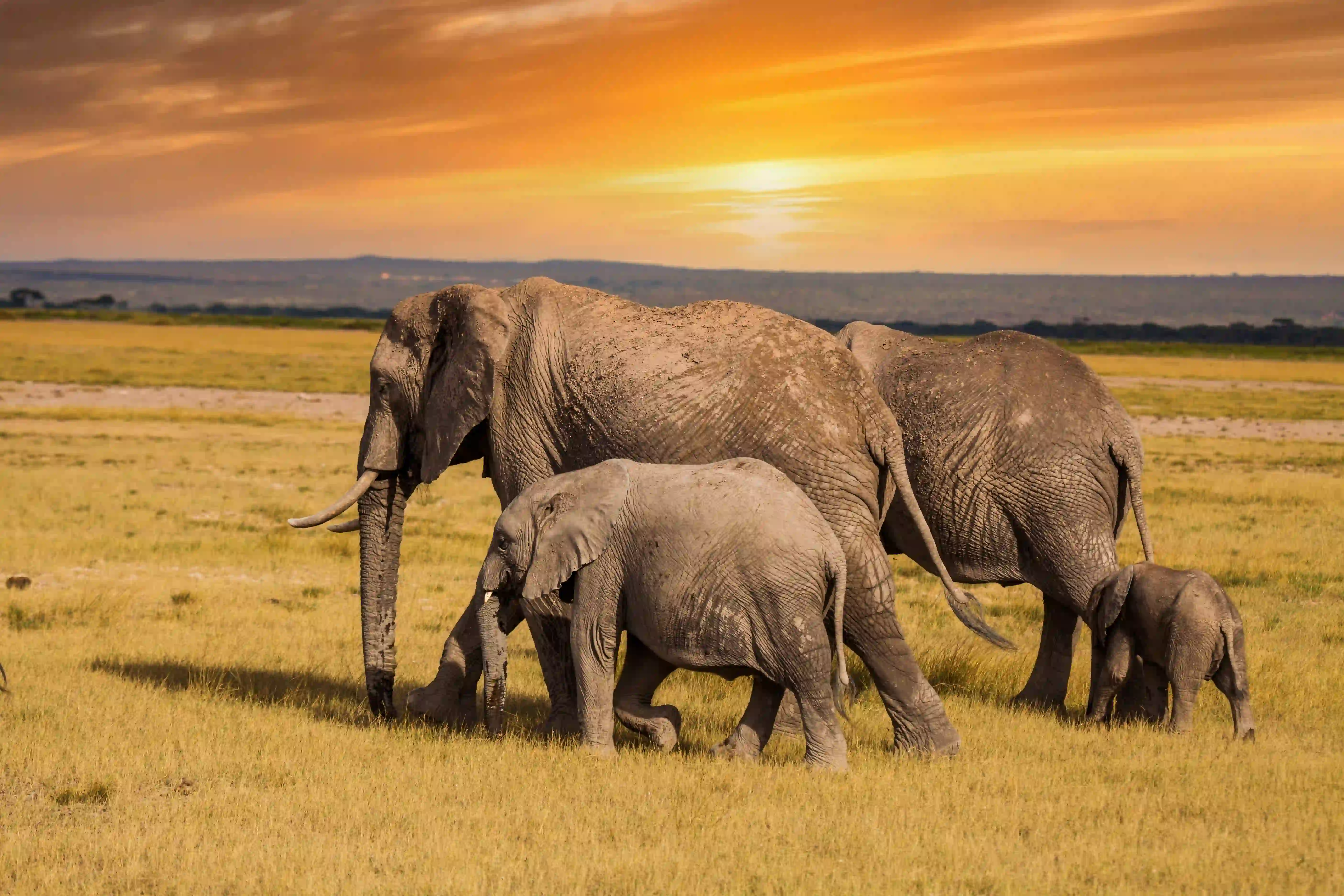
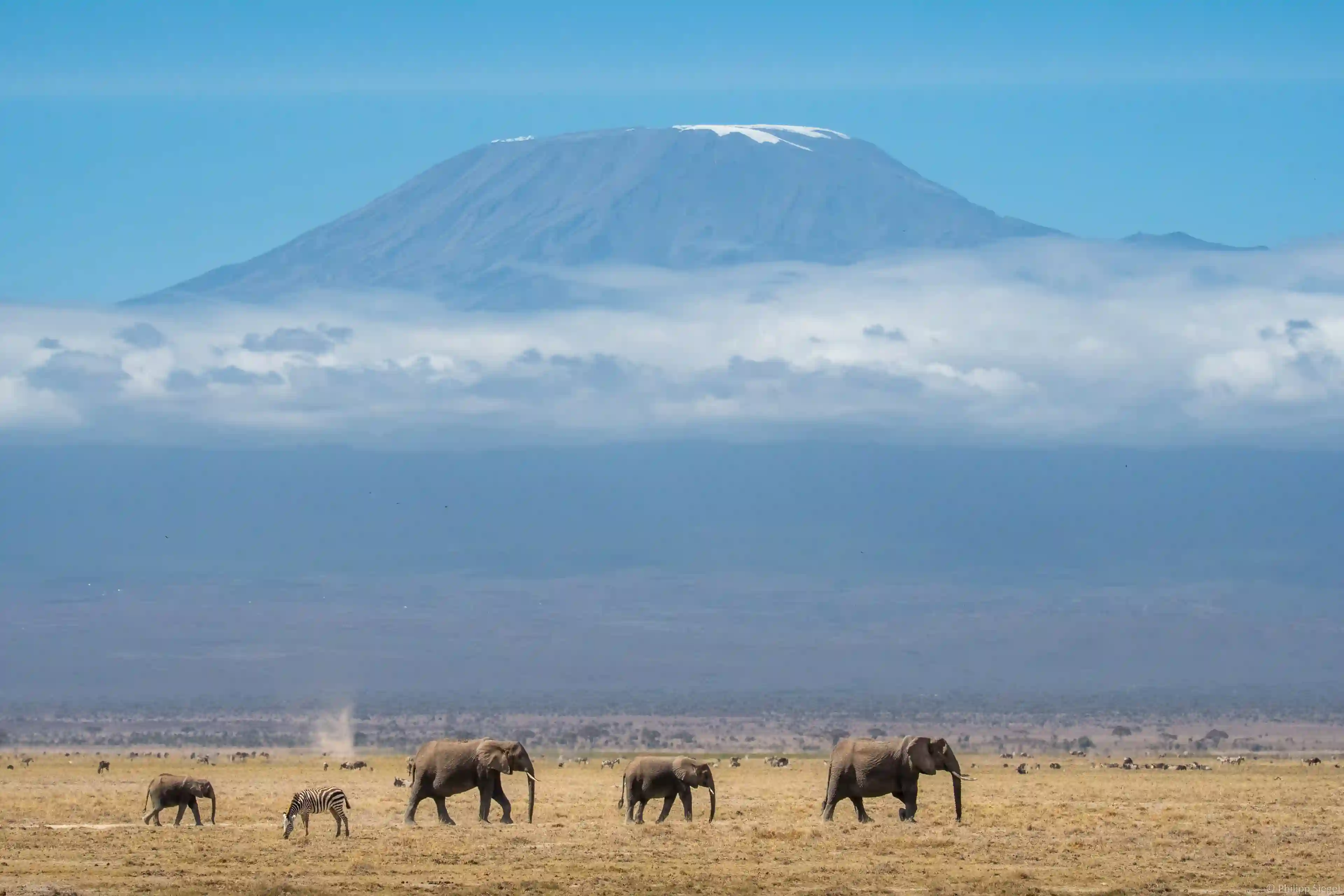
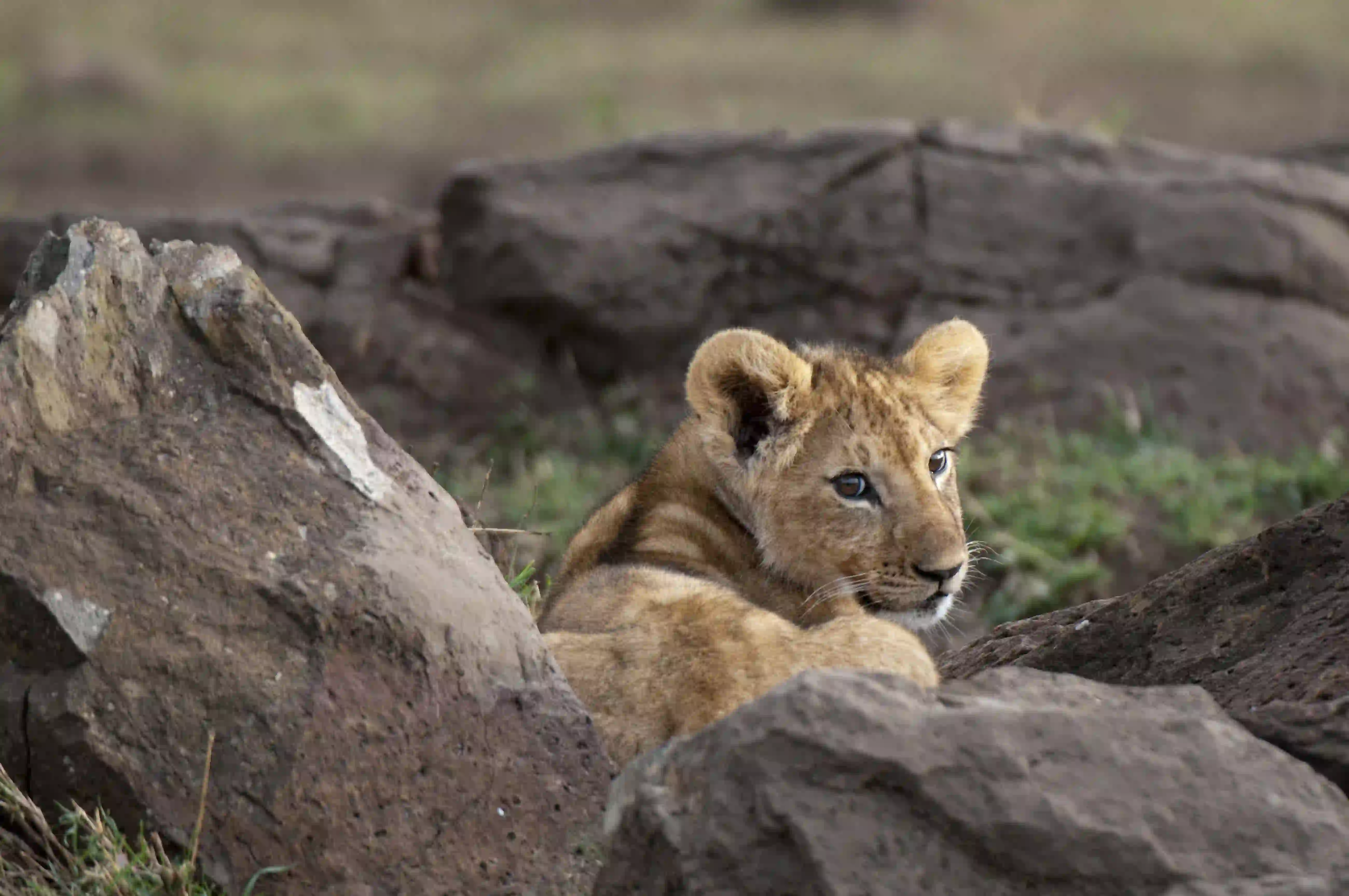
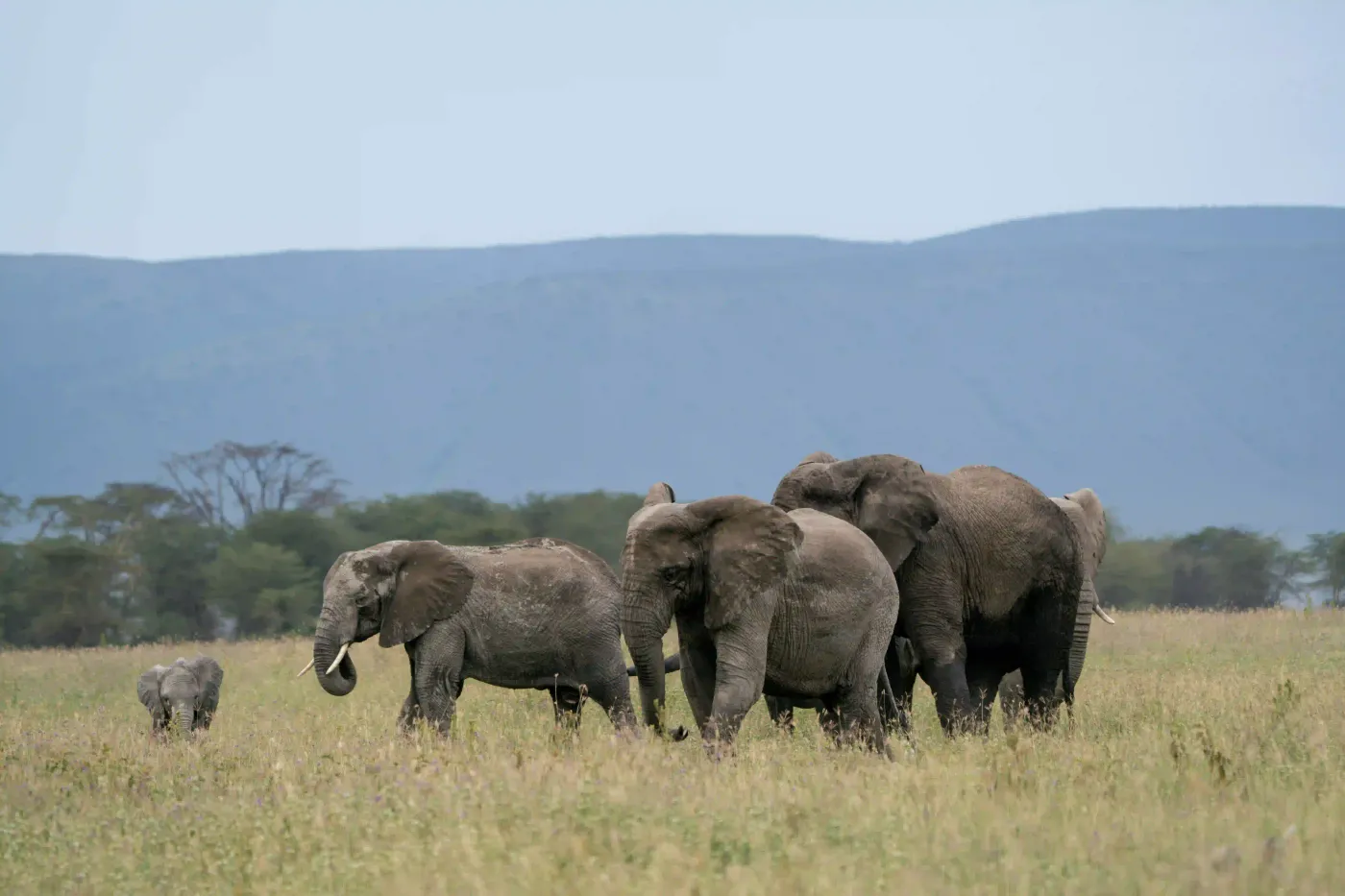
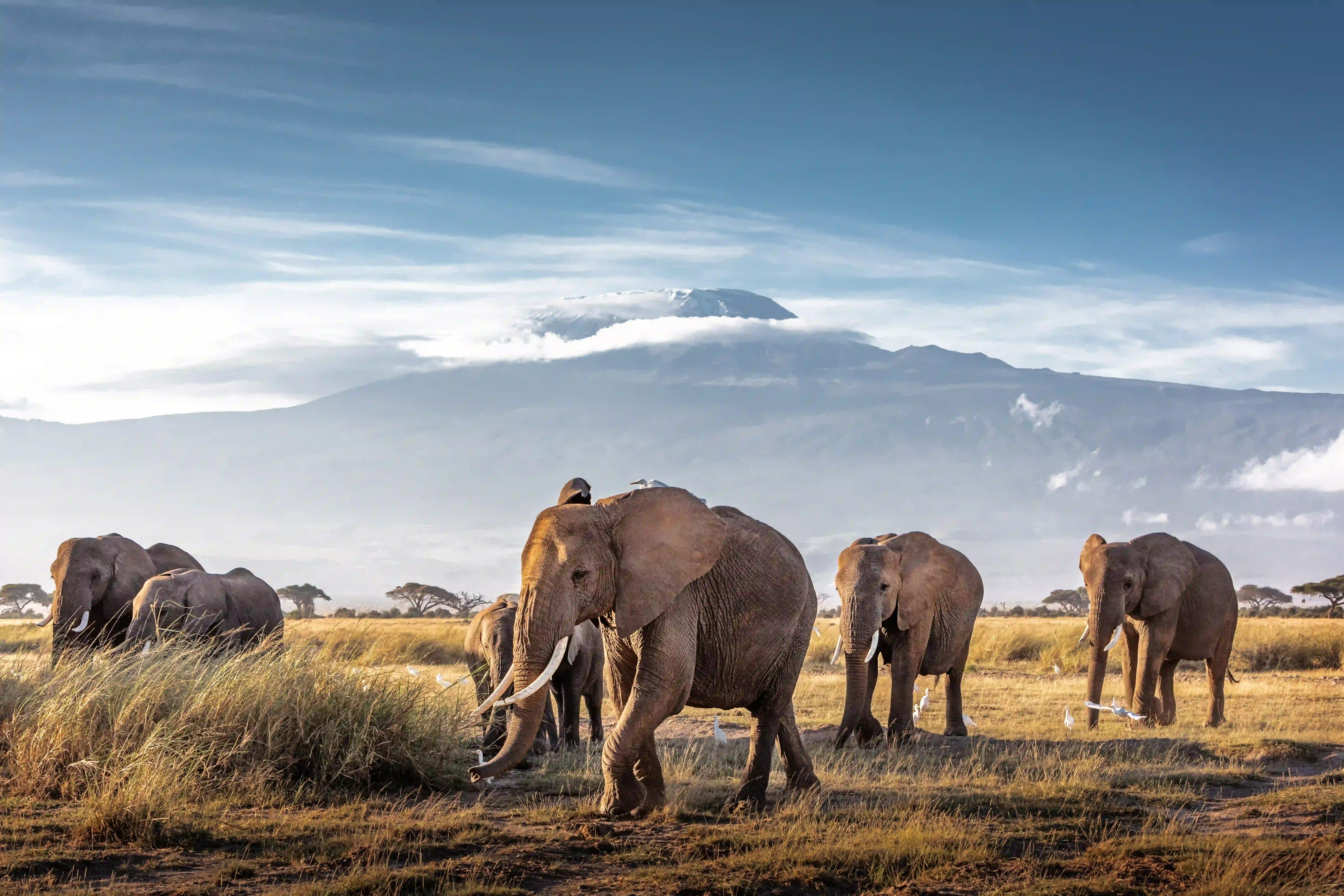
Tarangire is often my first recommendation for families because elephants are easy for children to understand and appreciate. The baobab landscape also makes the park visually distinctive.
TANAPA says Tarangire lies around 120 kilometres southwest of Arusha and highlights its high concentration of African elephants.
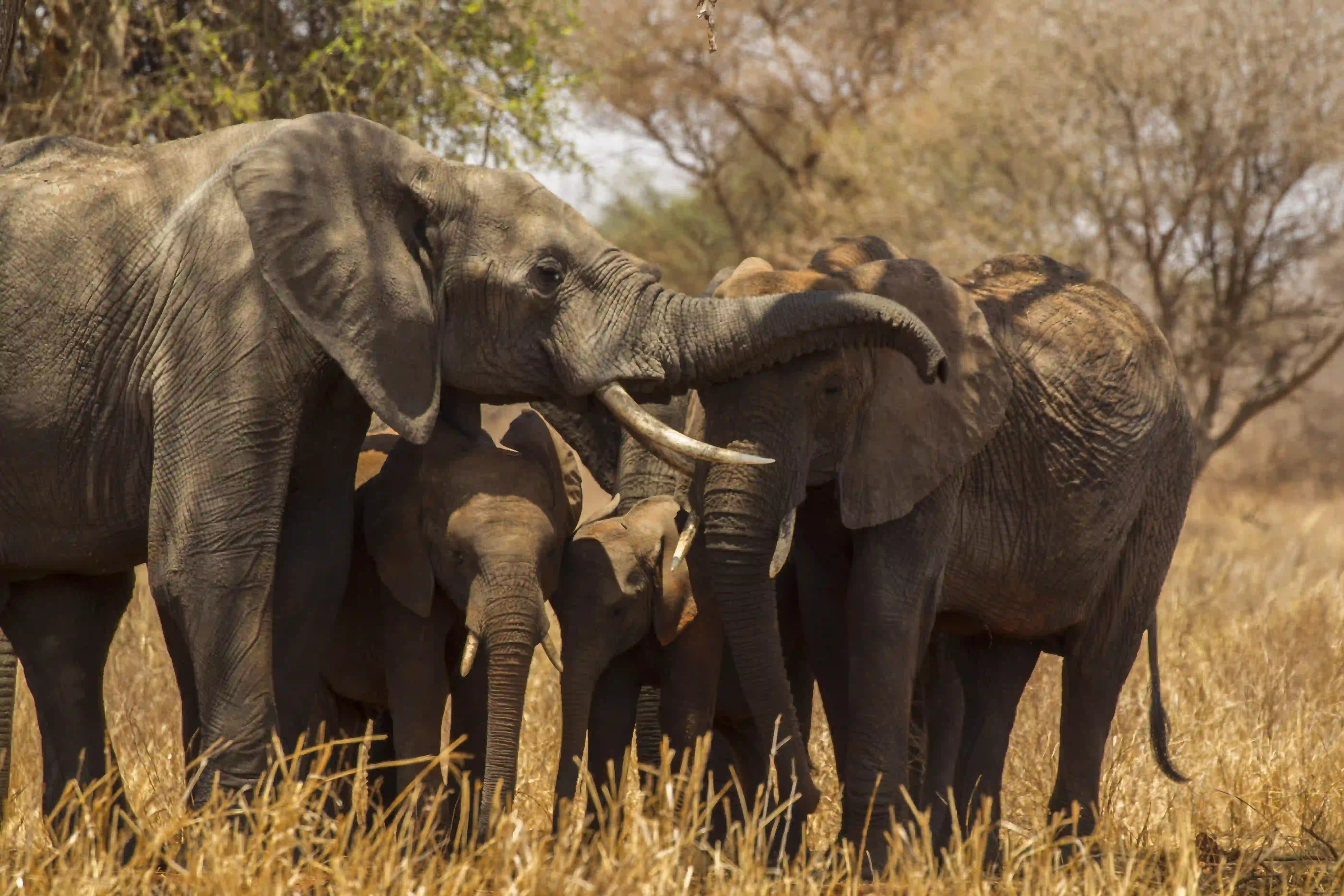
For families, two nights can be better than a rushed day trip. Children have time to settle into safari rhythm, and parents are not packing every morning.
The main caution is season. Wildlife concentration can change, so route design should consider travel dates.
2. Ngorongoro Crater: Best for a High-Impact Wildlife Day
Ngorongoro can be excellent for families because the crater offers varied wildlife in a relatively contained area.
UNESCO recognises the wider conservation area for exceptional natural and cultural value and describes the crater’s landscape and wildlife concentration as globally significant.
The descent itself can feel exciting to children, and the scenery keeps the day visually interesting.
The caution is that crater days can still be long. Pack layers, snacks and realistic expectations.
3. Serengeti National Park: Best for Older Children and Teenagers
Serengeti is extraordinary, but I do not automatically recommend long road itineraries for very young children.
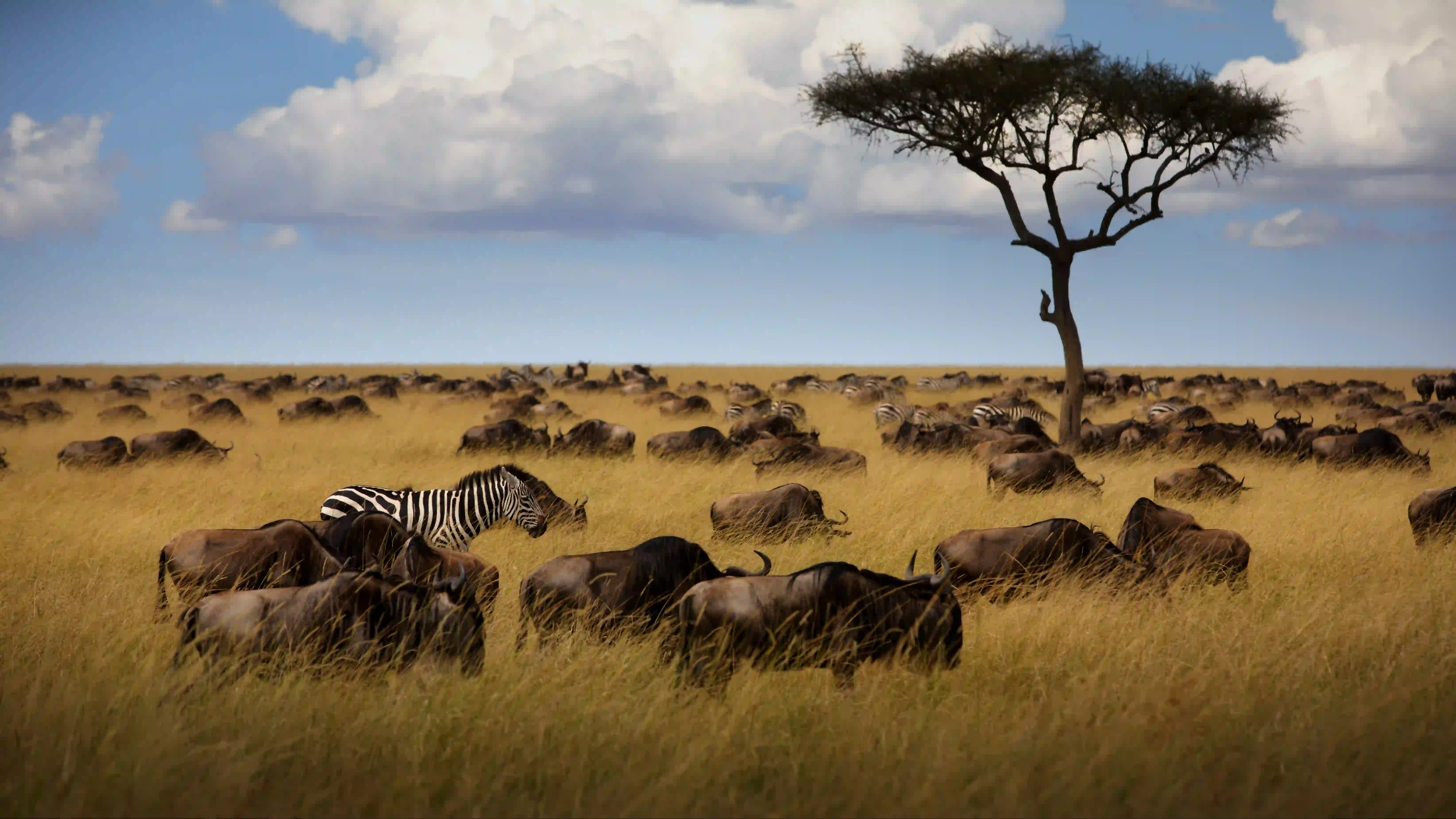
UNESCO describes the park as 1.5 million hectares of savannah and highlights the annual migration. That scale is part of the appeal and part of the logistical challenge.
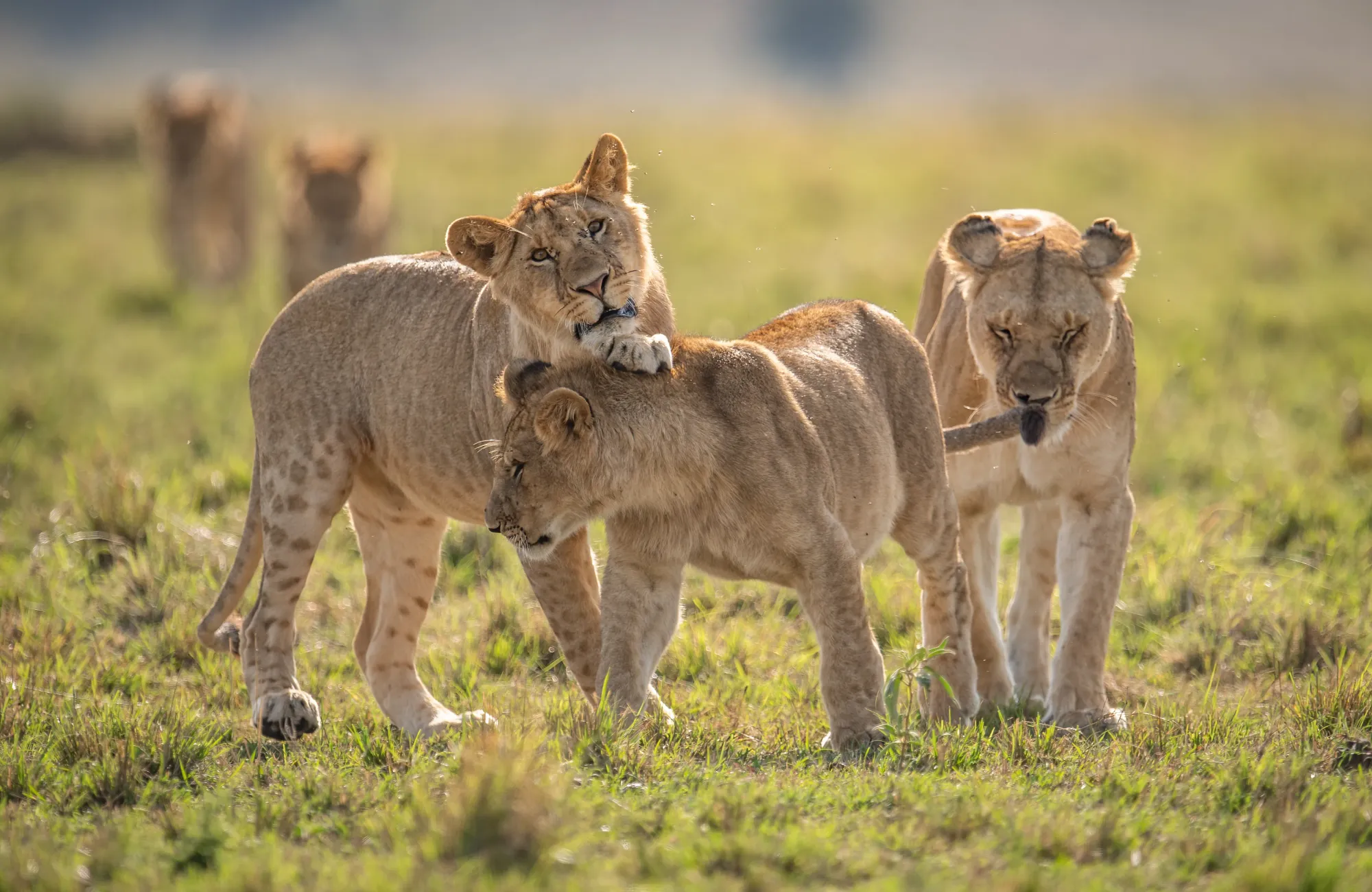
Older children and teenagers often love the big cats, migration stories, photography and sense of adventure.
For younger families, consider a fly-in safari or a central base that reduces unnecessary movement.
4. Lake Manyara National Park: Best for Variety and a Shorter Day
Lake Manyara can be a useful family stop because the habitats change quickly: forest, open areas, lake scenery and primates.
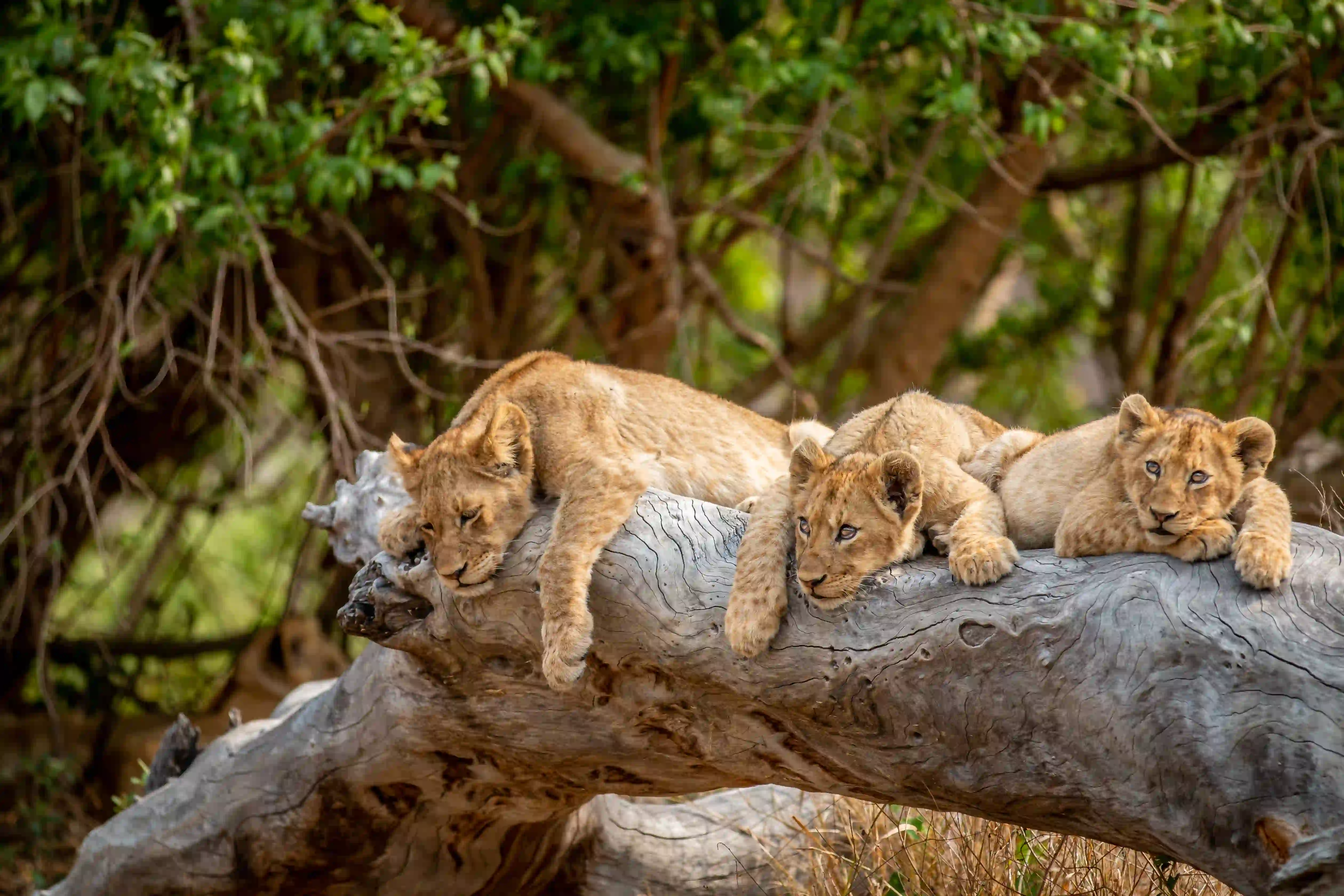
Children often enjoy baboons and monkeys as much as lions.
The park can work well between Arusha, Tarangire and the highlands.
I would not add it automatically if the itinerary is already full.
5. Arusha National Park: Best for a Gentle Start
Arusha National Park can be ideal after a long international flight because it is closer to the northern safari gateway than Serengeti.
The scenery, Mount Meru context and varied activities can provide a gentle introduction.
For families, this can reduce the shock of beginning with a very long road day.
Any walking or canoeing activity should be checked for current rules, age requirements and availability.
6. Nyerere National Park: Best for Adventurous Families with Older Children
Nyerere can suit families who want a southern route and a different safari rhythm.
The wider region’s river landscapes and activity variety can be appealing to teenagers.
Age restrictions may apply to some activities, so parents should not assume every family member can participate.
Season and lodge operation matter.
7. Ruaha National Park: Best for Experienced Safari Families
Ruaha is better for families who already know they enjoy safari and can handle a more remote environment.
The wilderness feel is strong, and the experience can be deeply rewarding for teenagers interested in wildlife.
The trade-off is logistics and fewer easy distractions for children who become bored.
I rarely choose it for a first safari with very young children.
8. Best Family Destination by Child Age
9. Why a Private Vehicle Matters for Families
A private vehicle is one of the best family investments because children do not have to match strangers’ schedules.
You can stop for bathrooms, return early, spend time with elephants or move on when attention fades.
Parents can manage snacks and conversations without worrying about other guests.
The value is strongest for younger children and multi-generational families.
10. Family Lodge Selection
Free 30-minute call with our trip designer
Schedule a free call with Amina Hassan to get honest advice on lodges, routes, and the best season for your dates.
Book a Free CallSenior Trip Designer · Based in Arusha
11. How Long Should a Family Safari Be?
For first-time families, five to seven safari nights is often enough before adding Zanzibar.
A three-night safari can work for young children if focused on Tarangire and Ngorongoro.
Ten safari nights may suit teenagers and wildlife-focused families, but constant hotel changes should still be avoided.
Longer is not always better. The right pace matters.
12. Best Family Itineraries
13. Adding Zanzibar for Families
Zanzibar is an excellent family finish because it changes the rhythm after safari.
The official tourism authority highlights beaches, marine life, coral reefs and a range of activities.
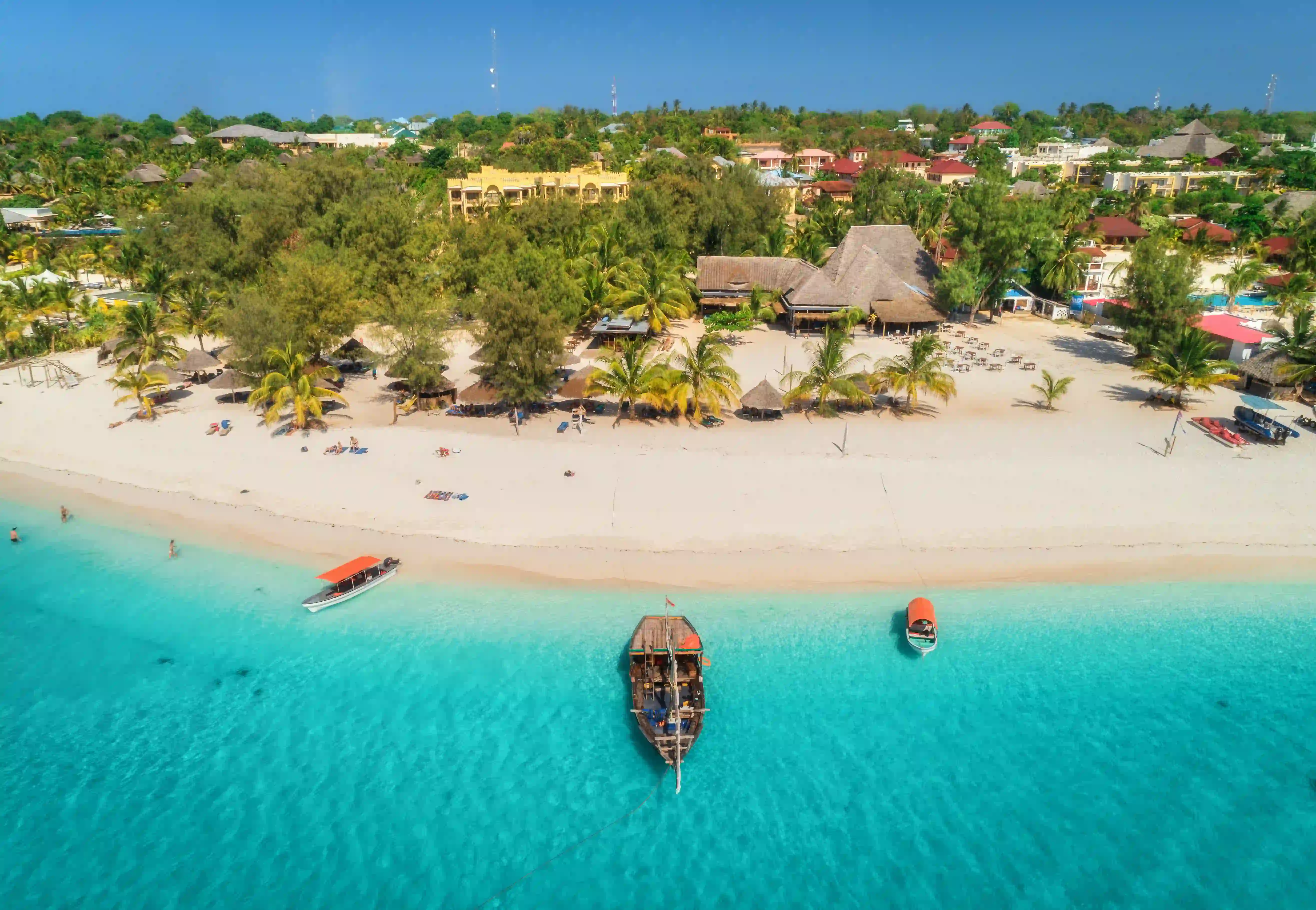
Choose the beach according to swimming expectations, tides, activities and resort facilities. Nungwi and Kendwa often appeal to families because of services and accommodation choice, but the exact property matters.
Do not schedule an excursion every day. Children need recovery too.
14. Family Safety and Health Planning
Parents should discuss vaccinations, malaria prevention and personal health needs with a qualified clinician using current official travel-health guidance.
On safari, children must follow guide instructions and remain supervised.
Food allergies should be communicated before arrival because remote camps need preparation.
Carry essential medication in hand luggage and keep insurance details accessible.
15. Packing for Children
Children need comfortable layers, sun protection, closed shoes, a warm early-morning layer and a small personal entertainment kit.
Binoculars can transform attention. A simple wildlife notebook is often better than a tablet.
Pack snacks only within customs and operator guidance, and remember that camps may have different food storage rules.
Use soft-sided luggage if light aircraft are part of the trip and confirm current limits.
16. Keeping Children Interested
17. Multi-Generational Family Safaris
A trip with grandparents, parents and children needs more planning than a standard family holiday.
Vehicle step height, lodge terrain, bathroom frequency, room proximity and meal times matter.
A private vehicle is especially valuable because the group can adapt.
Choose fewer destinations and longer stays.
18. Common Family Safari Mistakes
19. What Makes a Family Safari Luxurious?
Family luxury is not only a private plunge pool. It is a vehicle that can stop when needed, rooms that actually fit, meals at the right time and a guide who enjoys working with children.
A direct flight can be luxurious if it removes a seven-hour road day.
Laundry can be luxurious when travelling with children.
Good planning is the most valuable upgrade.
20. My Final Family Destination Ranking
Frequently Asked Questions
Final Thoughts from Angel
The best family safari destination is not the park with the longest animal list. It is the place where the whole family can stay curious without becoming exhausted.
At Warriors of Africa Safari, we plan around children’s ages, family structure, comfort, interests and pace.
Tell us who is travelling, how old the children are, what everyone loves and what worries you. We will build the route around the real family.
Children remember how a safari felt long after they forget how many animals were on the checklist.
Angel’s final advice
Family Safari Tanzania
- Family rooms & kid-friendly lodges
- Shorter drive legs between parks
Detailed Parent Planning Notes
A family route should start with the children’s real ages and attention spans. A teenager interested in photography may enjoy a full day in Serengeti. A young child may need a shorter morning drive, a pool break and an afternoon outing. I avoid using one schedule for every age group.
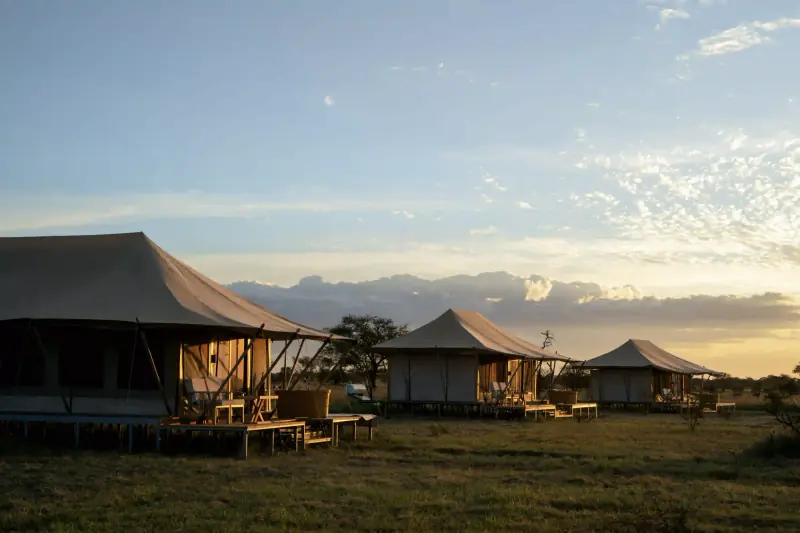
Parents should ask about room configurations in exact terms. A property may advertise a family room but still require children to sleep in a separate structure or up steep steps. Confirm beds, bathrooms, distance between rooms and whether doors connect. These details matter at night in wildlife areas.
The guide is one of the most important parts of a family safari. A technically knowledgeable guide is not automatically good with children. Families benefit from guides who can explain tracks, turn birding into a game, recognise when attention is fading and maintain safety without making the experience frightening.
Private vehicles can be particularly valuable because bathroom breaks, snacks and early returns become easier. Parents do not have to worry that a tired child is shortening strangers’ safari. The family can also spend longer with animals that genuinely interest the children.
Food planning deserves advance attention. Remote camps may have limited last-minute alternatives. Parents should share allergies, strong dislikes and dietary requirements before travel. If a child eats early, ask whether dinner timing can be adjusted.
Long road transfers are one of the main causes of family fatigue. A route that looks efficient on a map can still involve rough roads and several hours in the vehicle. For younger children, I prefer fewer parks and longer stays. For older children, a bush flight may be worth the cost when it removes major backtracking.
Parents should also decide how much technology to bring. A tablet can help during a long transfer, but binoculars, a wildlife notebook and a simple camera often make the safari itself more engaging. I encourage families to use devices strategically rather than expecting children to remain offline every minute.
Swimming pools can be an important planning feature, not a luxury extra. A pool gives children a clear break from game drives. Parents should still ask about supervision, fencing and whether wildlife can enter lodge grounds.
For multi-generational families, mobility becomes part of route design. Vehicle steps, lodge slopes, walking distances and bathroom access should be discussed before booking. The best family lodge is not always the most visually dramatic one.
Zanzibar can be an excellent ending because children receive a different type of holiday. The chosen coast should reflect swimming ability, tides and family facilities. I usually protect at least one completely free beach day rather than scheduling an excursion immediately after safari.
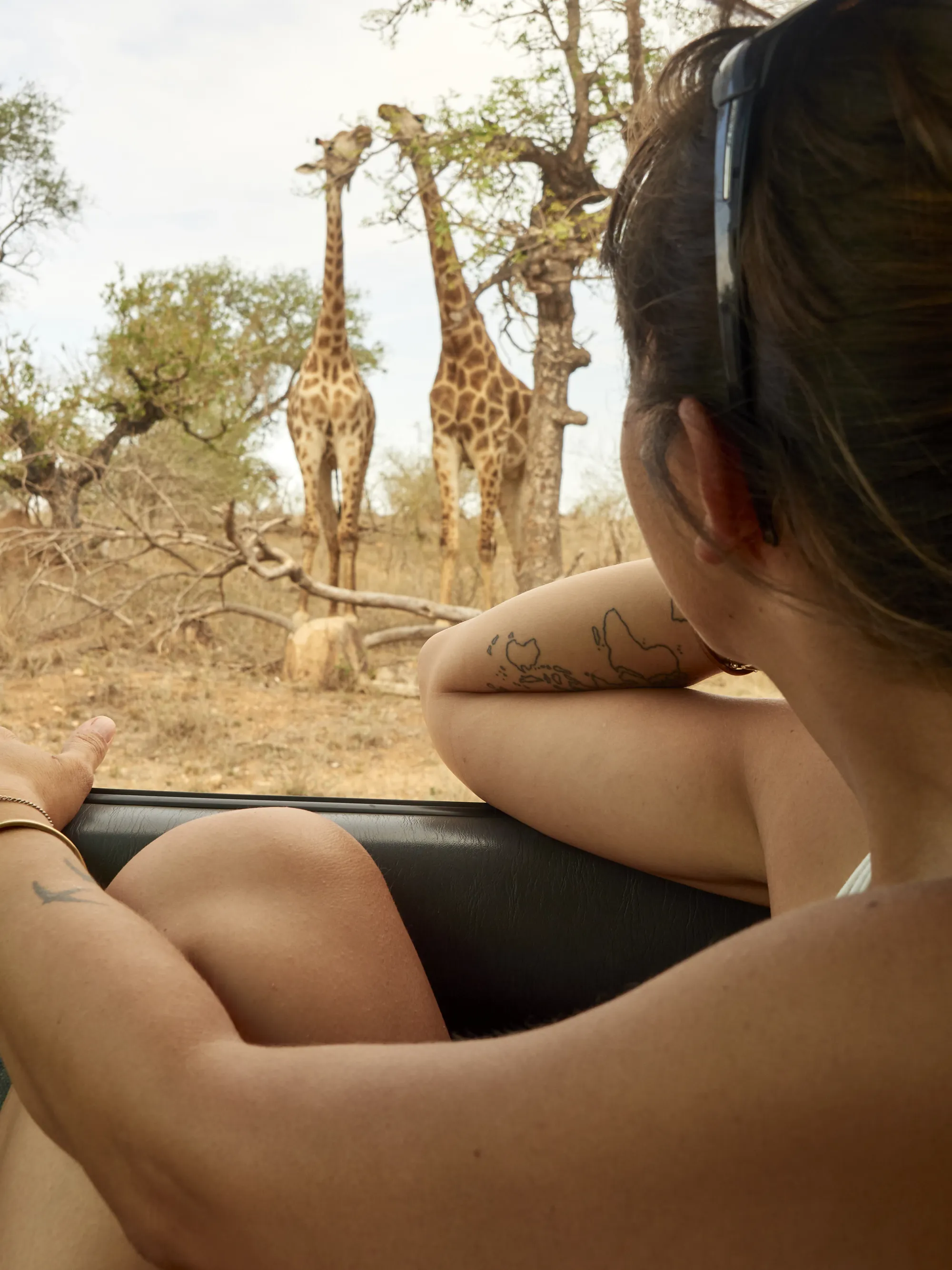
Finally, parents should avoid promising specific animals. Children can become disappointed when adults guarantee lions, rhinos or river crossings. I prefer to create curiosity around the ecosystem. A giraffe, dung beetle or troop of baboons can become the favourite memory when the family is open to surprise.
2 Comments
18 Jun, 2025
We booked the Northern Circuit through Arusha and every hand-off—from JRO to Serengeti airstrips—felt calm. Our guide's radio etiquette around cats was flawless.
19 Jun, 2025
Same experience on the Zanzibar extension—stone town pacing one day, reef silence the next. The Arusha ops team was on WhatsApp within minutes whenever we had a question.
2 Jul, 2025
Nyerere by boat at dusk—hippos, herons, and our guide explaining how Tanzania balances tourism with conservation quotas. Unforgettable.