Best Places to See Elephants in Tanzania: Angel’s Complete Safari Guide
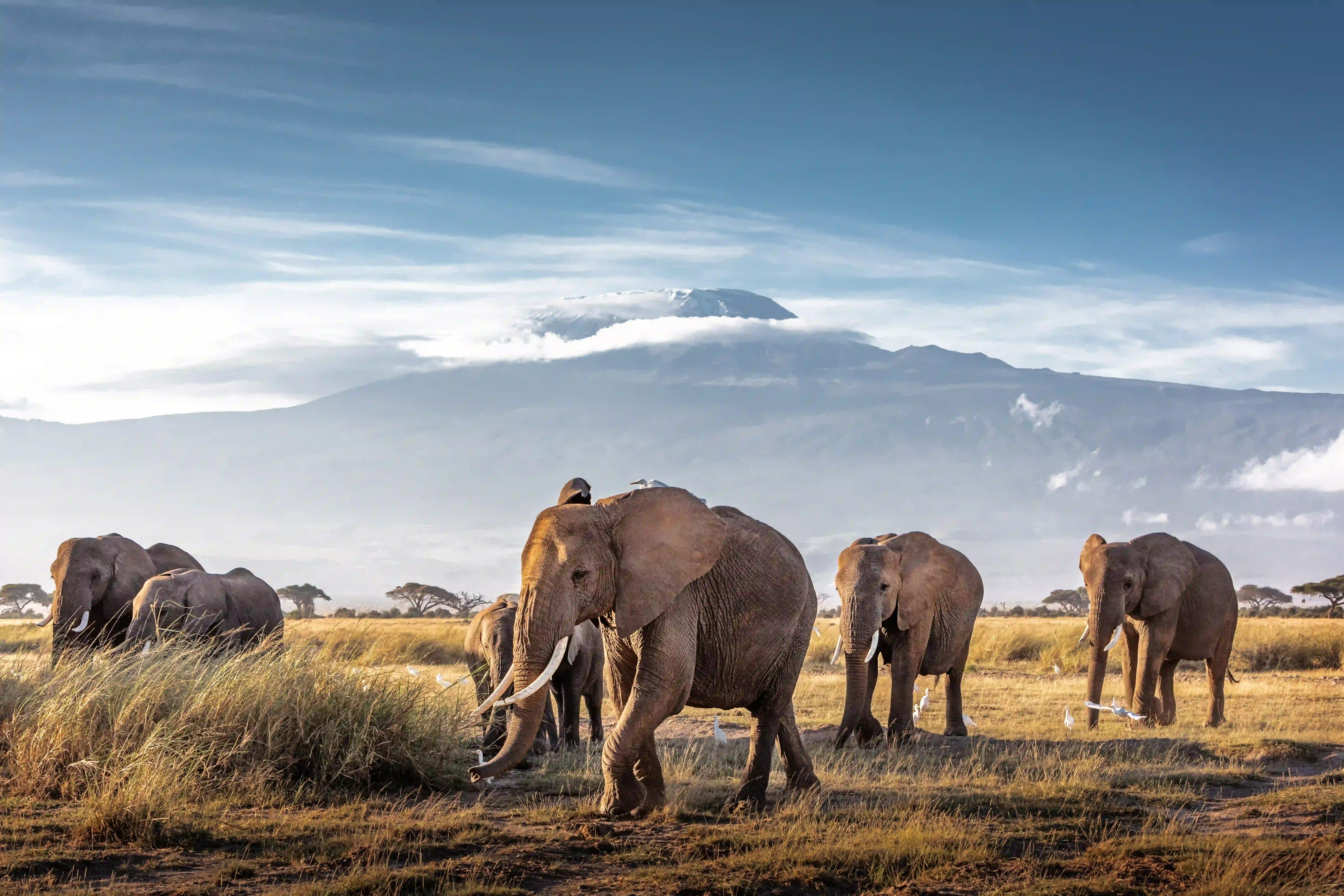
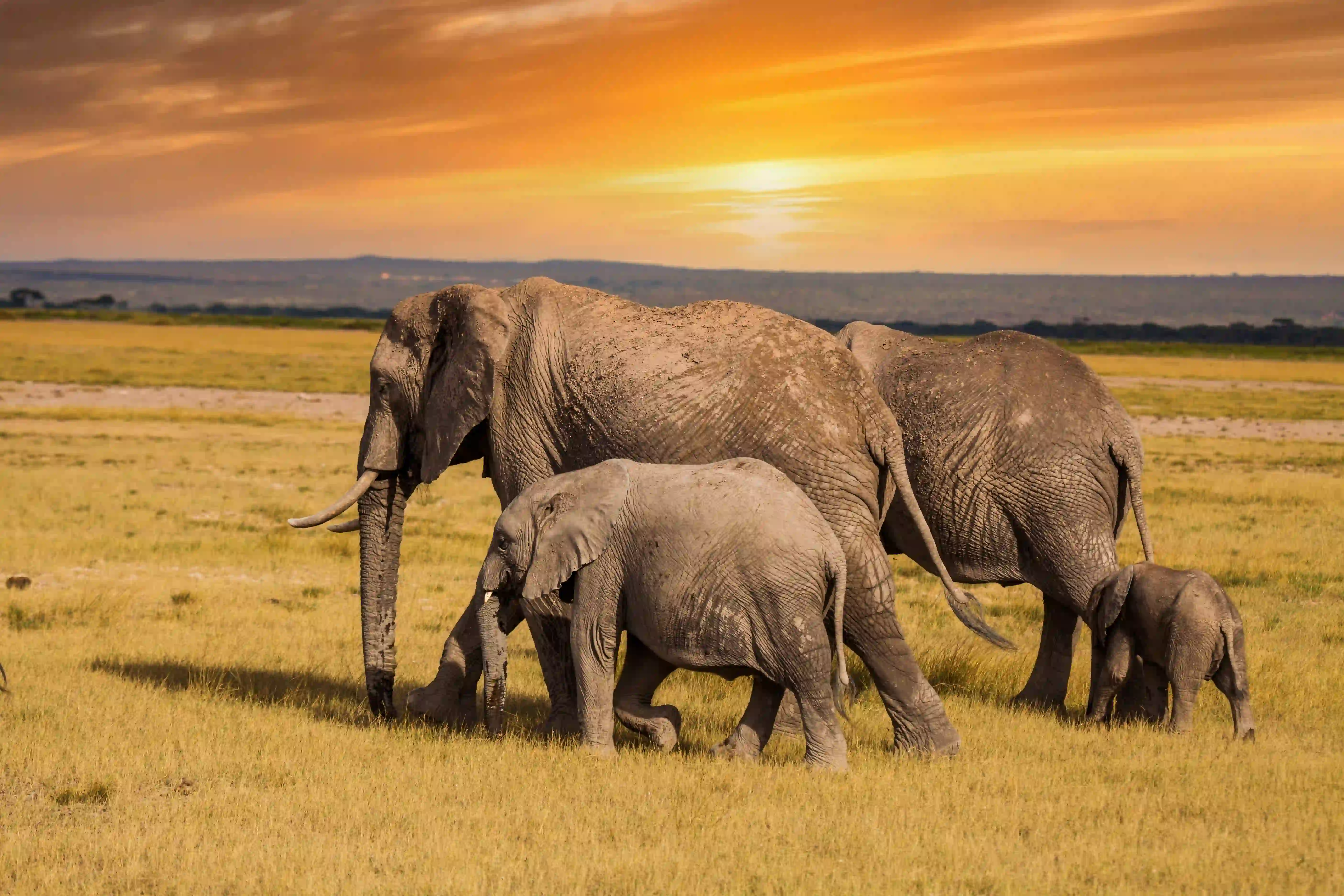
If there is one animal that changes the feeling of a safari vehicle, it is the elephant. Even when everyone is excited, people naturally become quiet when elephants appear. A family herd crossing the road, a calf walking between adults, or a bull feeding beneath a baobab can become the memory a traveller keeps forever.
Tanzania is one of the best safari countries for elephant viewing. The most famous elephant destination is Tarangire National Park, but Ruaha, Nyerere, Serengeti, Ngorongoro, and Lake Manyara can also offer meaningful sightings. The best choice depends on the season, route, budget, and whether elephants are your main priority or part of a wider safari.
In this guide, I will explain where to see elephants in Tanzania, when to travel, how to choose the right itinerary, and how to view elephants respectfully. I will also explain why a good elephant safari should never be rushed. Elephants are intelligent, emotional, social animals, and the best sightings often happen when you give them space.
The best elephant sightings are not the closest ones. They are the calm ones, where the herd trusts the space and behaves naturally.
Angel’s advice
Quick Answer: Best Elephant Safari Areas in Tanzania
1. Tarangire National Park: Tanzania’s Elephant Kingdom
Tarangire is the first destination I usually recommend when a traveller says, “I really want to see elephants.” The park is famous for its large elephant herds, ancient baobab trees, and the Tarangire River, which becomes a lifeline during the dry season. The combination of elephants and baobabs gives Tarangire a look that feels ancient and deeply African.
During the dry season, many animals move toward the river and other remaining water sources. This can create excellent wildlife viewing, especially from July to October. SafariBookings notes that July to November is the best time for wildlife viewing in Tarangire, when animals gather around the Tarangire River and vegetation becomes thinner.
Tarangire is not only about numbers. It is about behaviour. You may watch elephants digging for water, gently guiding calves, feeding on branches, dust bathing, or moving in a long line through golden grass. A good guide will read the herd’s mood and keep the vehicle in a respectful position.
For luxury travellers, Tarangire is a wonderful place to start a northern Tanzania safari. It is accessible from Arusha and combines smoothly with Lake Manyara, Ngorongoro, and Serengeti. It also feels quieter than some more famous safari areas, especially when the route and lodge are chosen carefully.
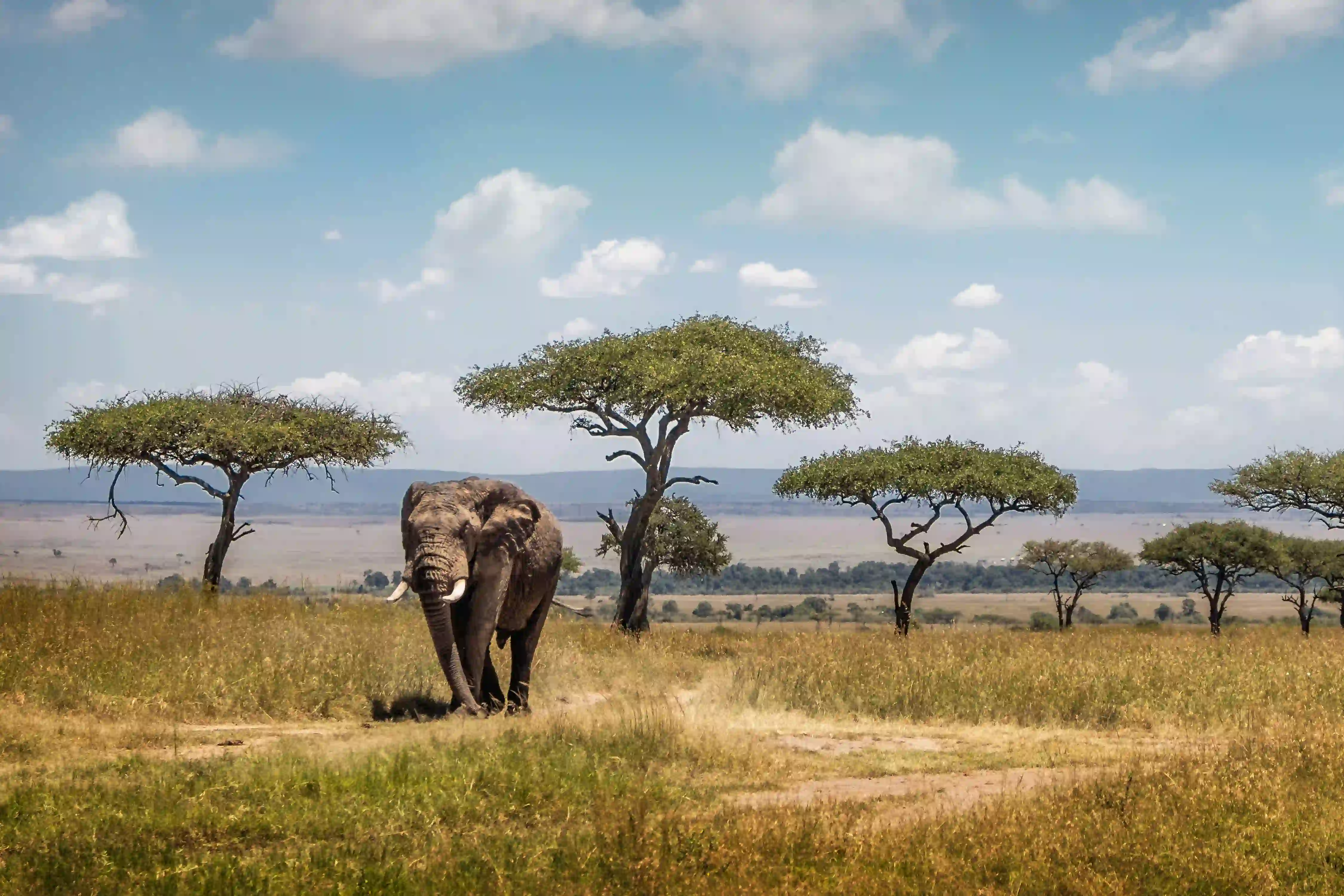
- Tarangire RiverAttracts wildlife during the dry season
- Baobab sceneryCreates dramatic elephant photography
- Large herdsGood chance of social family behaviour
- Easy northern circuit accessWorks well at the start or end of a safari
- Luxury camp optionsGood for private, slow-paced elephant viewing
If elephants are your dream animal, do not treat Tarangire as a quick stop. Give it time, especially in the dry season.
Angel’s advice
2. Ruaha National Park: Remote Elephant Safari with a Wild Feeling
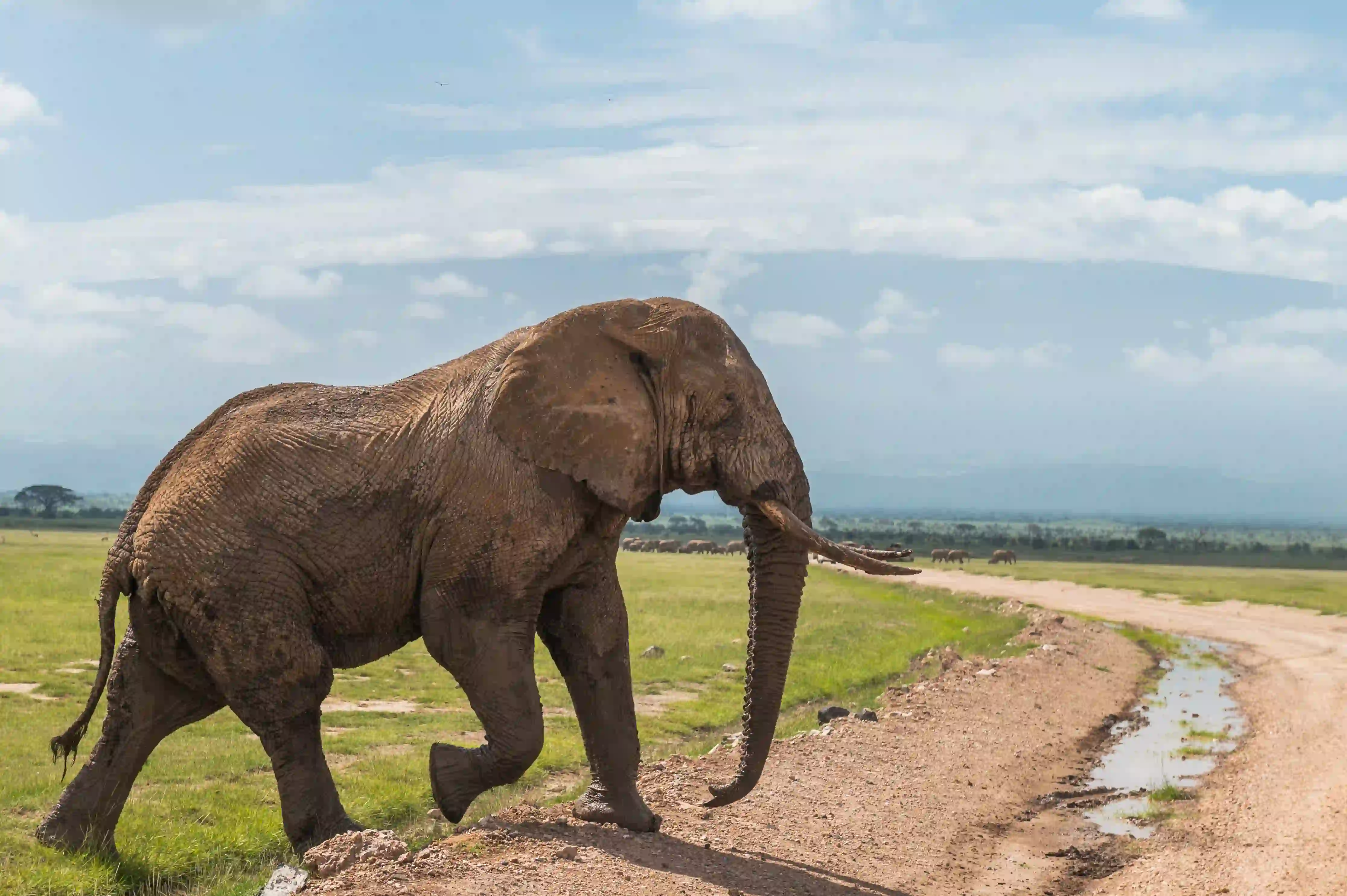
Ruaha National Park is one of Tanzania’s most rewarding destinations for travellers who want elephants in a wilder, quieter setting. It is part of the southern safari circuit and has a very different feeling from the northern route. TANAPA’s Ruaha brochure highlights elephants, buffalo, lions, leopards, cheetahs, wild dogs, and many antelope species.
Ruaha’s landscapes are beautiful: baobabs, riverbeds, rocky hills, open plains, and dry-season water areas. Elephant sightings here can feel very private because there are usually fewer vehicles than in Tanzania’s most famous northern parks. This is one reason Ruaha works so well for repeat safari travellers and luxury guests who want space.
The dry season is generally the strongest time for elephant viewing in Ruaha. As water becomes more limited, wildlife activity around river systems and water points becomes more concentrated. This makes it easier to watch movement, interactions, and natural behaviour.
Ruaha is also excellent if you want elephants plus predators. It is known for a wild safari atmosphere, and combining elephant sightings with lions, leopards, and wild dogs can make the experience feel rich and complete.
3. Nyerere National Park: Elephants, Rivers, and Southern Safari Variety
Nyerere National Park is another strong southern Tanzania destination for elephants. TANAPA’s Nyerere brochure describes the park as having an abundance of elephants along with giraffe, zebra, topi, impala, hartebeest, waterbuck, and predators. The park’s river landscapes make it feel very different from the open plains of northern Tanzania.
One of the reasons Nyerere is special is the variety of safari activities. In addition to game drives, some itineraries can include boat safaris, which offer a different perspective on wildlife, hippos, crocodiles, birds, and river scenery. Elephants near water can be especially beautiful to watch.
Nyerere is a good choice for travellers who want a quieter safari and a smoother connection with Zanzibar. It can be reached from Dar es Salaam and works well as a safari-and-beach combination. For honeymooners and luxury travellers, this can be a very elegant route.
Elephant viewing in Nyerere is usually best in the dry season when wildlife becomes more concentrated around water. A longer stay gives better chances because Nyerere is vast and rewards patient exploration.
4. Serengeti, Ngorongoro, and Lake Manyara: Elephants as Part of a Classic Route
Serengeti is not usually sold as Tanzania’s top elephant park, but elephants are part of its wider wildlife experience. UNESCO lists elephant among the globally threatened or endangered species found in Serengeti National Park. The park is better known for the Great Migration, lions, cheetahs, and vast plains, but elephant sightings can add depth to a Serengeti safari.
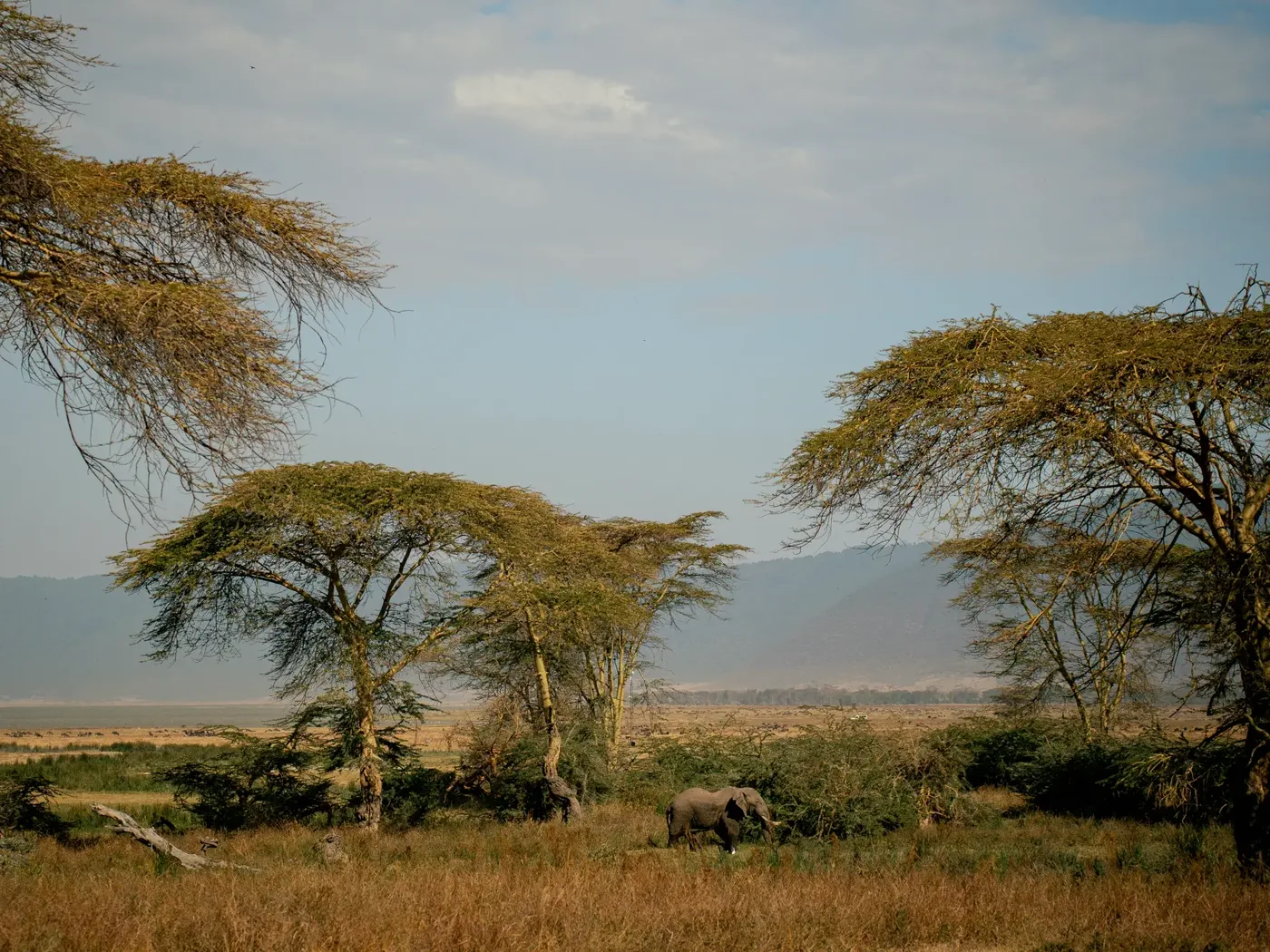
Ngorongoro can offer elephant sightings, especially large bulls in and around the crater and forested areas. It is a strong all-round wildlife destination and pairs well with Tarangire if elephants are important to you. A Tarangire and Ngorongoro combination gives both excellent elephant scenery and a compact Big Five-style safari experience.
Lake Manyara is a softer and more scenic elephant destination. The forested sections and lake landscape create a different mood. Elephant sightings may happen in woodland or forest-edge areas, making the experience feel intimate and green.
For many travellers, the best elephant safari is not one park only. It is a route. Tarangire gives the strongest elephant focus in the north. Ngorongoro adds drama and crater wildlife. Serengeti adds big cats and open plains. Lake Manyara adds forest, birdlife, and Rift Valley scenery.
Talk it through with a trip designer
Call our Arusha office for honest advice on lodges, routes and the best season for your dates.
Call the officeBest Time to See Elephants in Tanzania
The best time to see elephants in Tanzania is often the dry season, especially from June to October. This is when water becomes more limited and animals gather around rivers, swamps, and waterholes. It is also easier to see wildlife because vegetation is thinner.
Tarangire is especially strong from July to October or November because the Tarangire River and other water sources attract large numbers of animals. Ruaha and Nyerere are also generally strongest in the dry season because wildlife becomes more concentrated around water.
The green season can still be beautiful, especially for photography and birdlife, but elephants may spread out more widely because water is available in more places. This can make sightings feel less predictable, though the landscape is greener and quieter.
How to View Elephants Respectfully
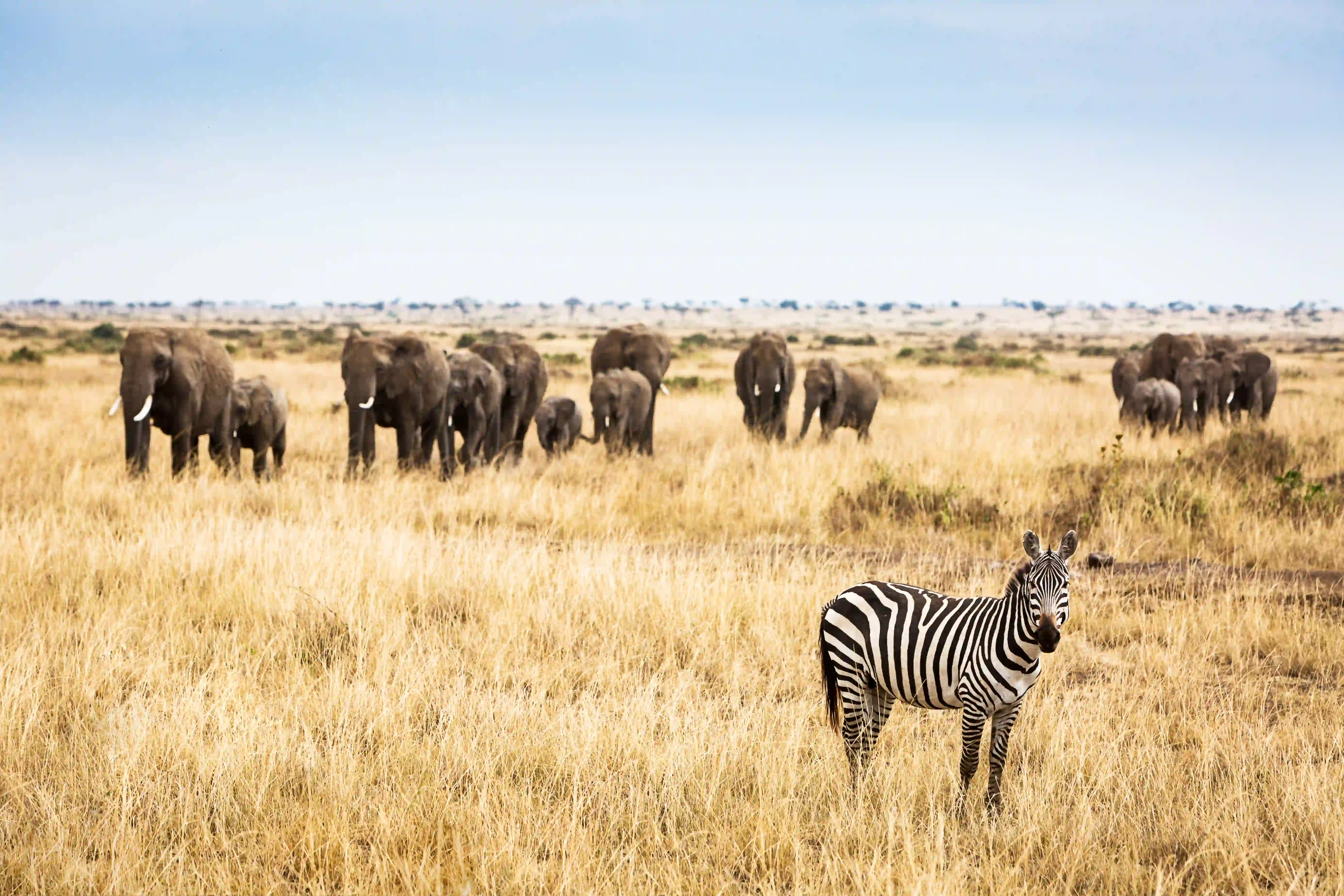
Elephant viewing must be handled with care. Elephants are intelligent and sensitive. A herd may include small calves, protective mothers, young males, and older bulls. A professional guide understands body language and knows when to stop, reverse, or give space.
Guests should never ask a guide to move too close. Close does not always mean better. If elephants are relaxed, they may continue feeding, playing, or crossing naturally. If they are stressed, they may bunch together, flap ears, raise trunks, or change direction. Respectful distance protects both animals and people.
A good safari vehicle position allows the herd to choose its movement. Never block a crossing route. Never separate calves from adults. Never make noise to get a reaction. The best sightings are the ones where elephants forget you are there.
- Keep distanceAllows elephants to behave naturally
- Never block the herdPrevents stress and protects calves
- Stay quietImproves the viewing experience and avoids disturbance
- Listen to the guideGuides understand elephant signals
- Do not chase sightingsEthical safaris value calm behaviour over pressure
- Be patientElephants often reveal beautiful behaviour slowly
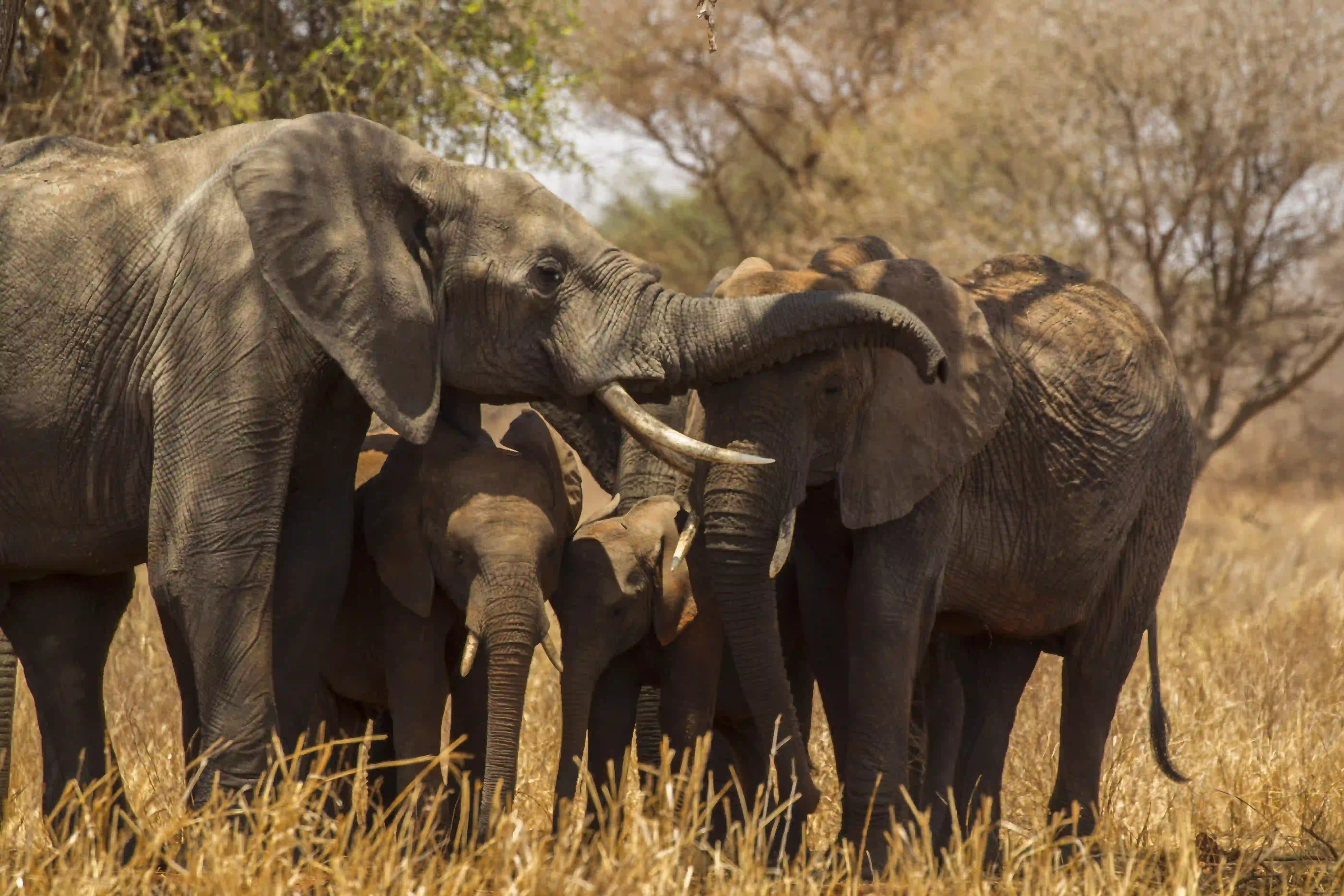
With elephants, patience gives better memories than speed. Wait quietly and let the herd tell the story.
Angel’s advice
Luxury Elephant Safari Planning
A luxury elephant safari should feel calm and well-paced. Elephants reward time, and a rushed schedule can turn a beautiful sighting into a quick photograph. I prefer private vehicles for elephant-focused travellers because they allow flexibility. If a herd is moving toward water, you can wait. If calves are playing, you do not have to leave because another guest wants to rush on.
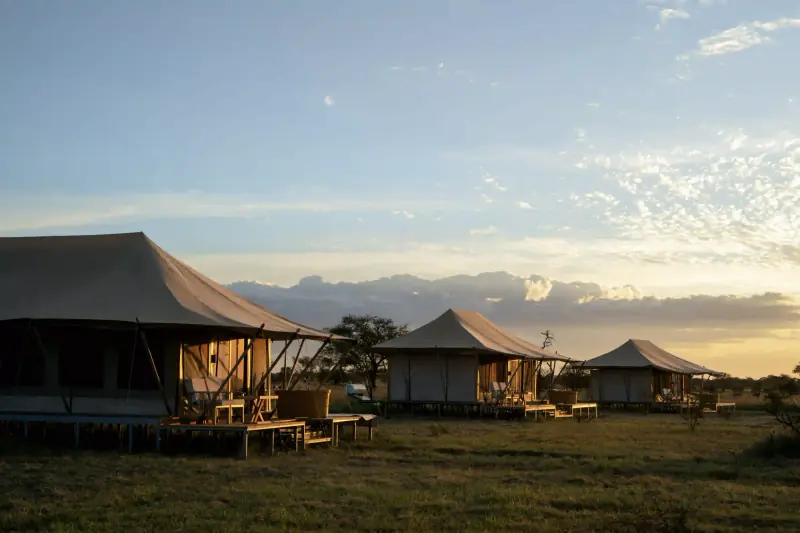
Accommodation also matters. In Tarangire, a camp with good access to river areas or strong game-drive routes can improve the experience. In Ruaha or Nyerere, the right camp can reduce travel time and create a more remote wilderness feeling. In northern Tanzania, combining Tarangire with Ngorongoro and Serengeti gives balance.
Fly-in safaris may be useful for luxury guests who want to reduce long road transfers, especially when combining southern parks or connecting to Zanzibar. Road safaris can still be excellent in northern Tanzania because the route between Arusha, Tarangire, Lake Manyara, Ngorongoro, and Serengeti is scenic and practical.
Mistakes to Avoid on an Elephant Safari
The first mistake is choosing only Serengeti when elephants are your main dream. Serengeti is wonderful, but Tarangire is usually stronger for elephant-focused northern safaris. The second mistake is rushing Tarangire in one quick drive. A two-night stay can offer a much better rhythm.
The third mistake is assuming the dry season is always crowded everywhere. Some areas are busier than others, but with the right lodge and guide, you can still enjoy a calm experience. The fourth mistake is trying to get too close to elephants for photos. The safest and most beautiful sightings are respectful.
The fifth mistake is ignoring southern Tanzania. Ruaha and Nyerere can be excellent for travellers who want elephants, wilderness, and fewer vehicles. They may cost more because of flights and remote logistics, but the experience can feel very special.
FAQs: Best Places to See Elephants in Tanzania
Final Thoughts from Angel
If elephants are your dream, Tanzania gives you excellent options. Tarangire is the strongest and most famous northern elephant destination. Ruaha gives a wilder, quieter southern experience. Nyerere adds rivers, boat safaris, and beautiful safari-and-beach combinations. Serengeti, Ngorongoro, and Lake Manyara can add elephants to a wider classic route.
The best elephant safari is calm, respectful, and well planned. Tell Warriors of Africa Safari your dates, budget, and travel style, and we will help you choose the right route for elephants, comfort, and unforgettable memories.
When elephants are given space, they give you something better than a sighting. They give you a moment.
Angel’s final advice
6-Day Tanzania Wildlife Safari
- Four of the north's great parks in six days
- Your own vehicle and driver-guide