
Best Places to See the Big Five in Tanzania: Angel’s Complete Guide
Many travellers planning a Tanzania safari ask me the same exciting question: “Can I see the Big Five in Tanzania?” The answer is yes, Tanzania is one of the best countries in Africa for a Big Five safari. But the honest answer needs more detail. Some Big Five animals are commonly seen in several parks, while others are much harder and need careful planning.
The Big Five are lion, leopard, elephant, buffalo and rhino. The name originally came from old hunting language, but today safari travellers use it to describe some of Africa’s most iconic animals. At Warriors of Africa Safari, we prefer to approach the Big Five with respect. These animals are not a checklist to chase aggressively. They are wild animals, and the best sightings happen when travellers are patient, quiet and guided properly.
Tanzania’s best Big Five areas include Ngorongoro Crater, Serengeti National Park, Tarangire National Park, Ruaha National Park and Nyerere National Park. If seeing all five is your dream, Ngorongoro and Serengeti are usually the strongest foundation. Ngorongoro gives one of Tanzania’s better opportunities for black rhino, while Serengeti is famous for lions, leopards and classic plains wildlife.
This guide explains where to see each Big Five animal, which parks give the best chances, what season helps, what mistakes to avoid, and how to plan a realistic Tanzania Big Five safari.
A Big Five safari should not feel like pressure. The magic is not only seeing the animal, but understanding its behaviour, habitat and place in the wild.
Angel’s advice
Quick Answer: Best Places to See the Big Five in Tanzania
What Are the Big Five?
The Big Five are lion, leopard, elephant, buffalo and rhino. These animals became famous because they were considered difficult and dangerous to hunt in the past. Today, responsible safari has changed the meaning. For modern travellers, the Big Five represent powerful wildlife encounters and the importance of conservation.
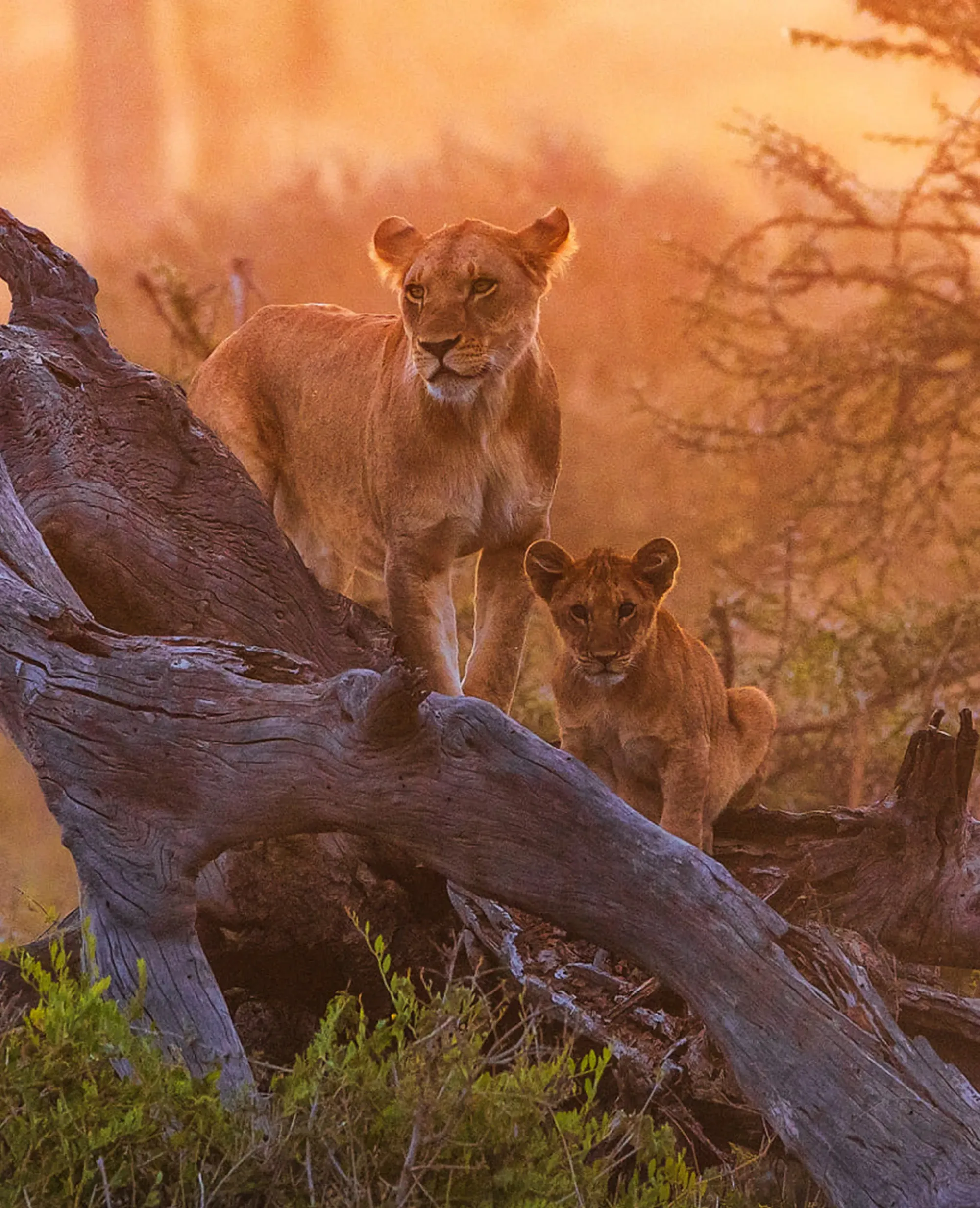
Each Big Five animal gives a different kind of safari experience. Lions are social and often easier to observe when they rest in prides or move near prey. Leopards are secretive and often hide in trees or thick vegetation. Elephants are emotional and intelligent, moving in family groups and communicating quietly. Buffalo may look calm, but they are strong, alert and important prey for lions. Rhino are rare, heavily protected and one of the most sensitive animals to view responsibly.
In Tanzania, seeing the Big Five usually requires a smart route. You may see lion, elephant and buffalo in several parks, but leopard and rhino need patience. Rhino are especially limited, and Ngorongoro Crater is one of the main places where travellers may have a chance to see them.
UNESCO notes that Ngorongoro Conservation Area harbours endangered species such as the black rhino and is home to a high density of mammalian predators. This makes Ngorongoro a key part of many Big Five safari routes. Serengeti, also recognised by UNESCO, is important for its vast ecosystem and wildlife movement, making it one of Africa’s great safari landscapes.
Best Park Overall for the Big Five: Ngorongoro Crater
Ngorongoro Crater is one of the strongest places in Tanzania for travellers who want a Big Five-focused safari day. The crater floor is compact compared with large parks, and many animals live within a smaller area. This makes game viewing rewarding, especially for guests with limited time.
Lions and buffalo are often seen in the crater. Elephants, especially large bulls, may also be seen in wooded or marshy areas. The black rhino is the special highlight, although it should never be guaranteed. Rhino sightings depend on distance, visibility, animal movement and luck.
The scenery also makes Ngorongoro special. You descend from the rim into a vast natural bowl, with grasslands, lakes, swamps and woodland below. Even before wildlife appears, the landscape feels dramatic. This is why many luxury itineraries include at least one full crater game drive.
For Big Five planning, Ngorongoro is best combined with Serengeti rather than visited alone. Ngorongoro gives the rhino possibility and dense wildlife, while Serengeti gives a stronger wilderness feeling and better time for big cats. Together, they make a powerful Big Five route.
If a guest tells me the Big Five is very important, I usually include Ngorongoro. It gives one of the best chances for rhino, but I always explain that wildlife is never a promise.
Angel’s advice
Best for Lions and Leopards: Serengeti National Park
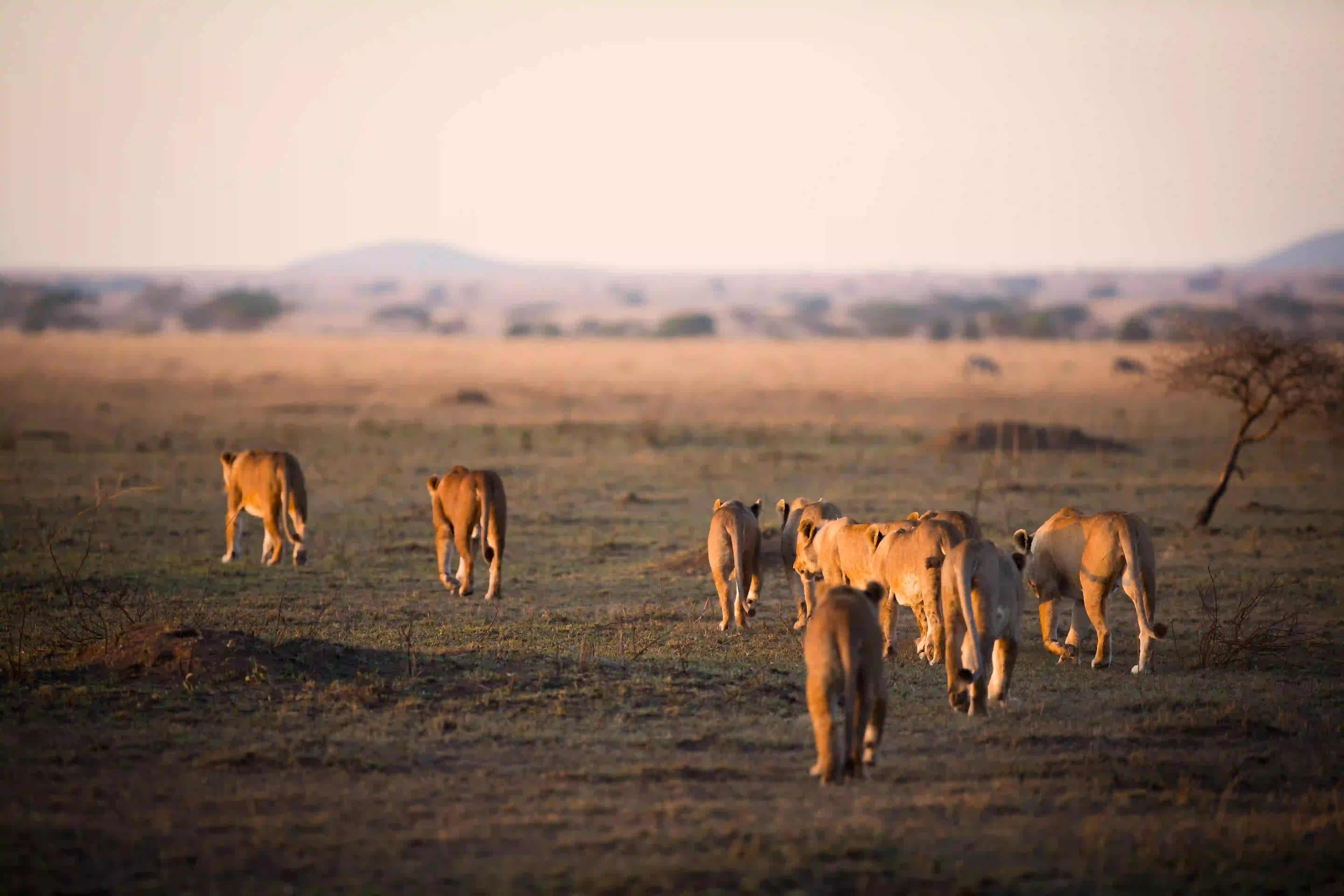
Serengeti is one of Tanzania’s most famous safari destinations and one of the best places for big cats. Lions are often a major highlight, especially in central Serengeti, where prey animals and suitable habitats support strong predator viewing. Cheetahs are not part of the Big Five, but they are another major Serengeti attraction.
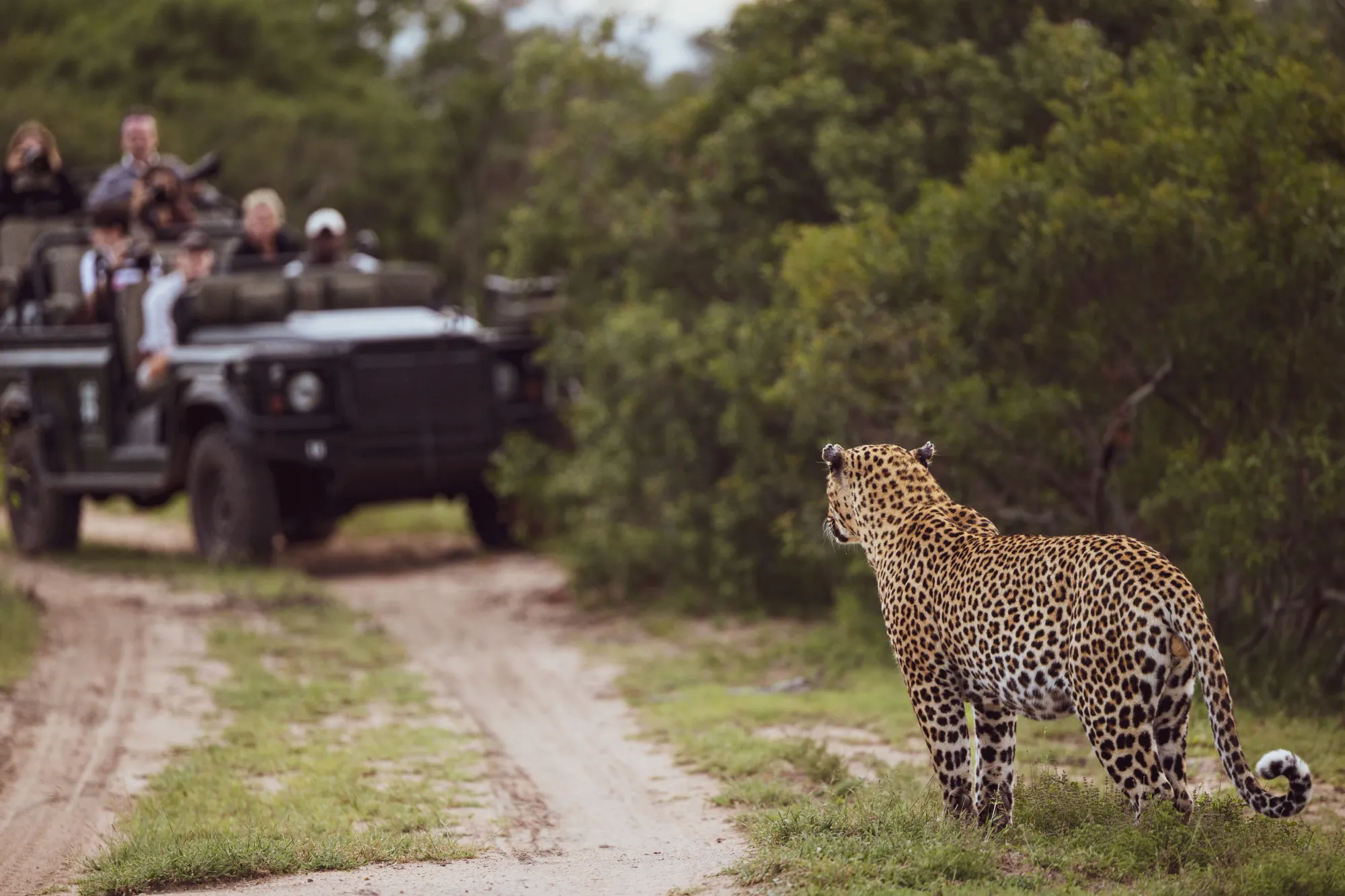
Leopards are present in the Serengeti but are more difficult to see than lions. They are usually solitary and may rest in trees or hidden areas during the day. A good guide will scan branches, rocky kopjes and riverine vegetation carefully. Patience matters more than speed.
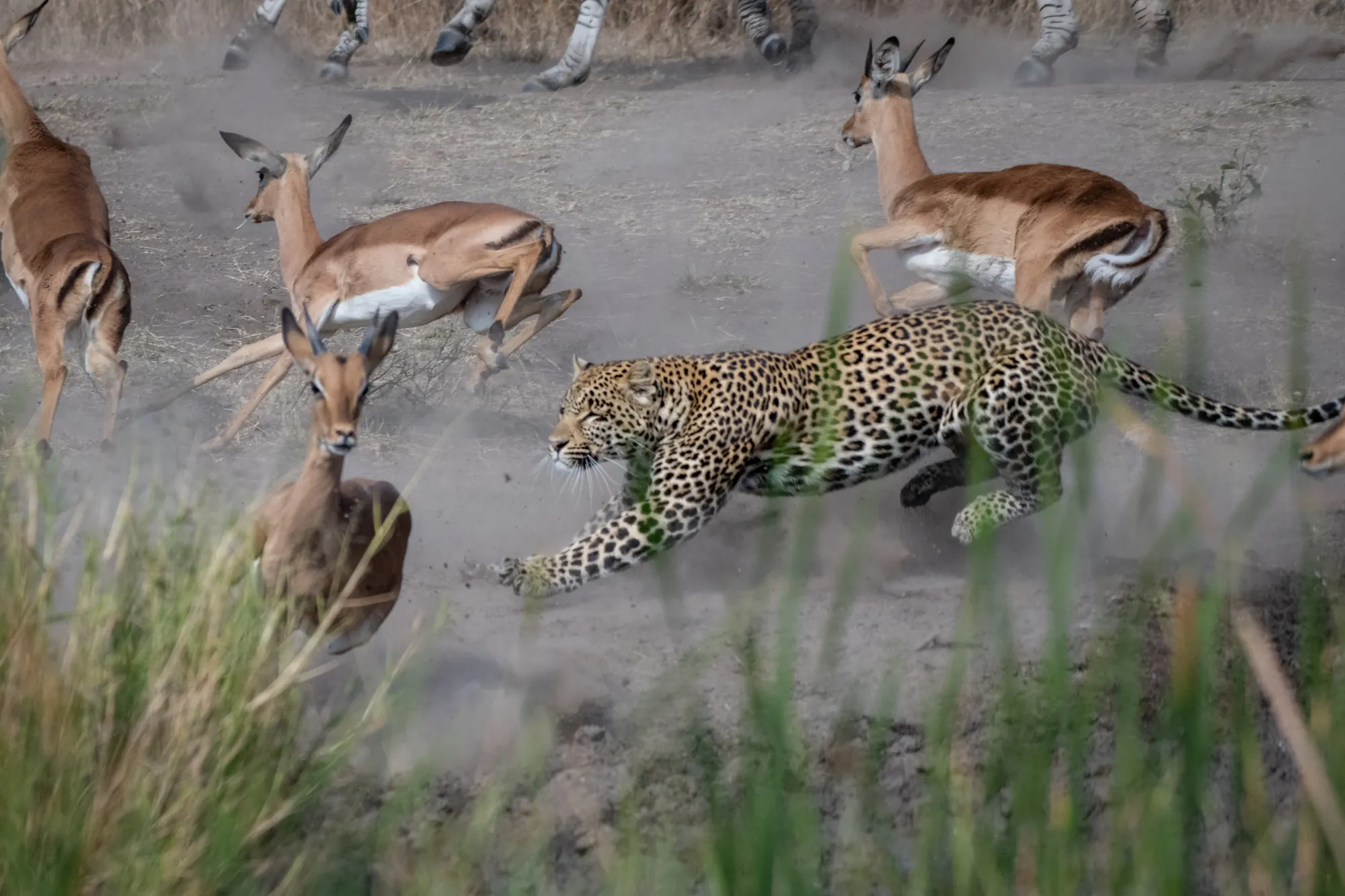
Serengeti is also important because of scale. It does not feel like a small wildlife viewing area. It feels like a vast living ecosystem. UNESCO highlights Serengeti’s importance for the great migration of herbivores and the predator-prey relationships connected to that movement. This is part of why the park remains one of the most meaningful safari destinations in the world.
To improve your chances of Big Five sightings in Serengeti, stay at least two or three nights. One short game drive is not enough to understand the park. More time gives your guide the chance to follow tracks, revisit promising areas and respond to local wildlife information.
Best for Elephants: Tarangire, Ruaha and Nyerere
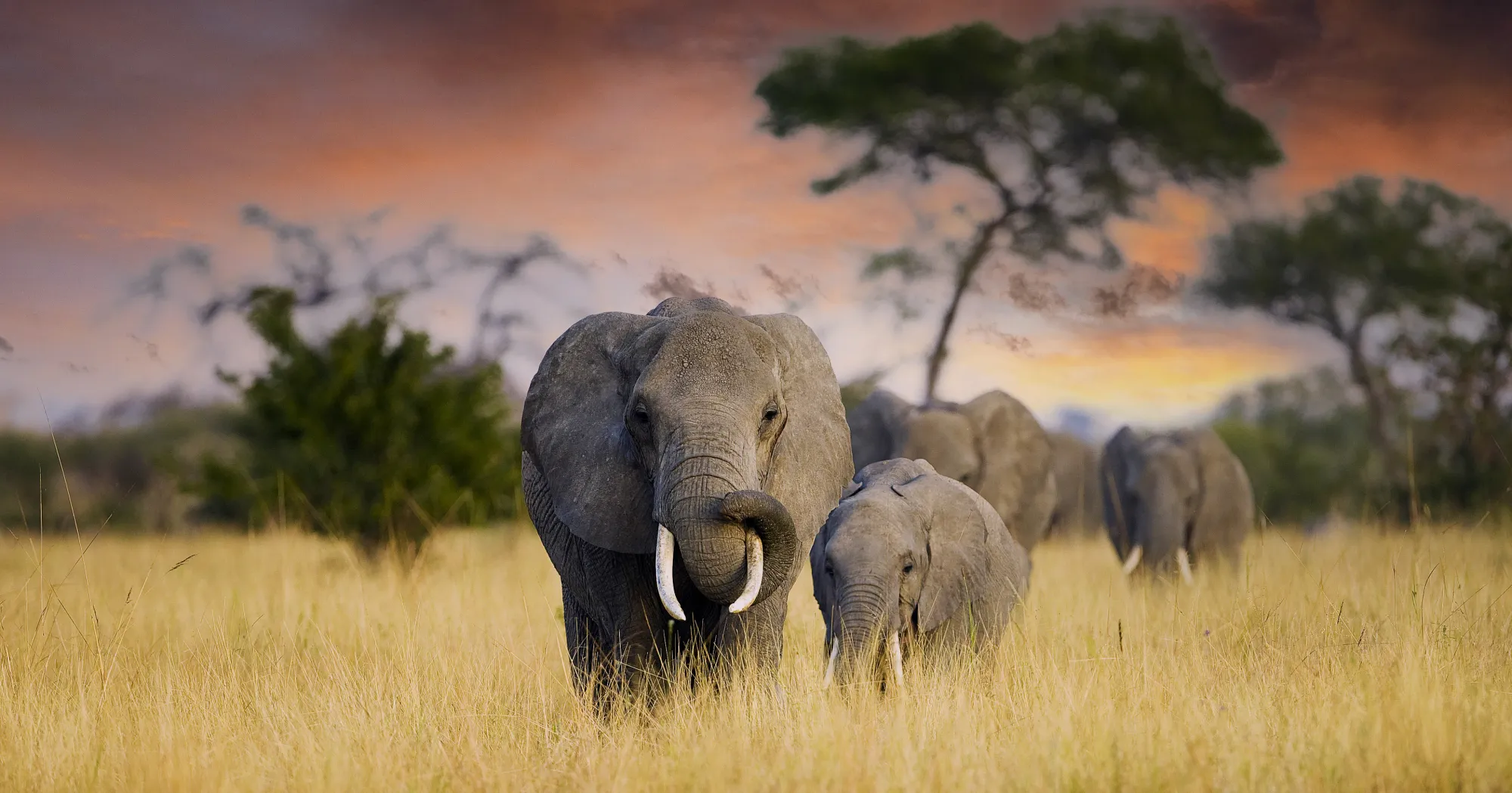
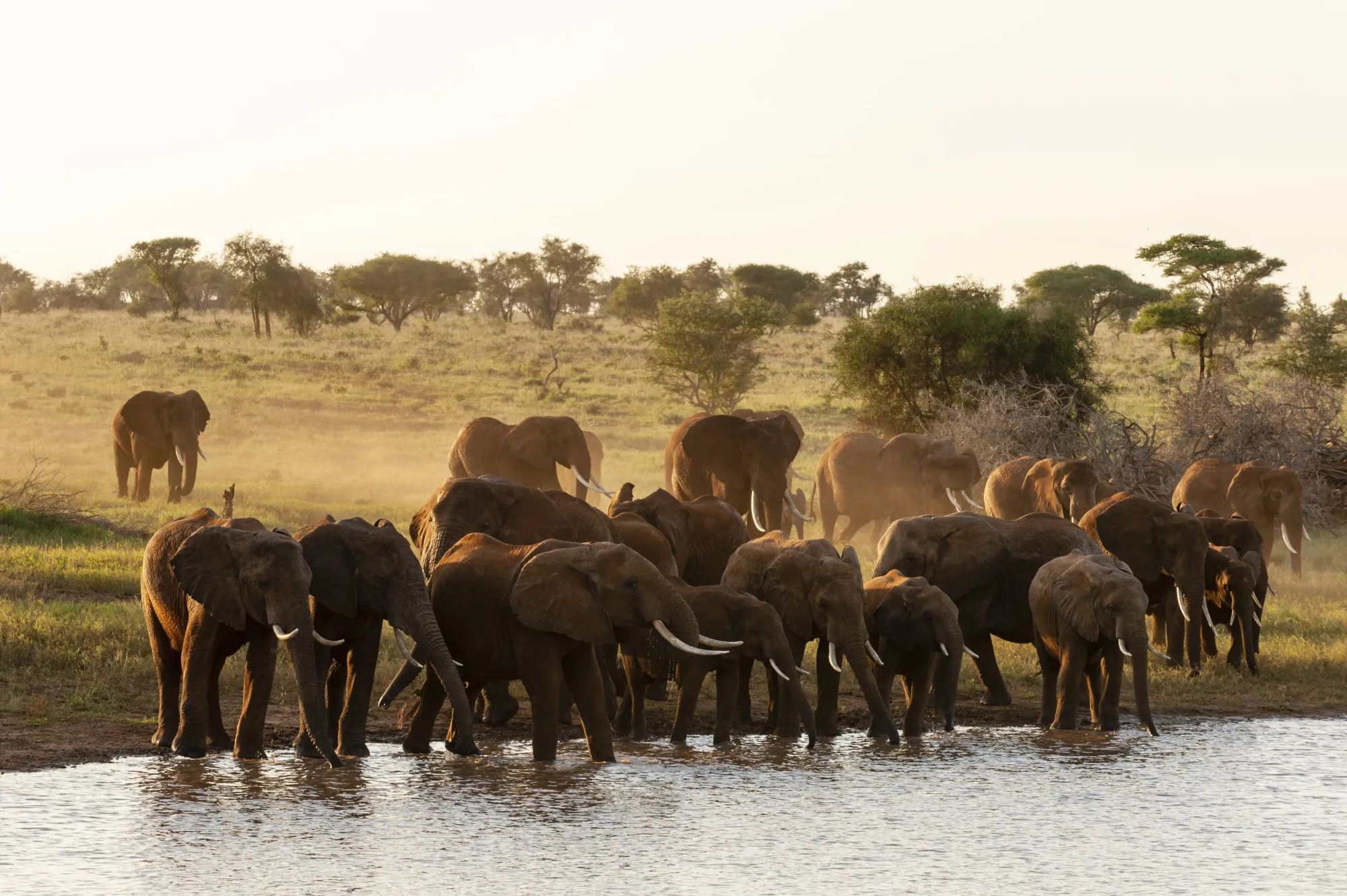
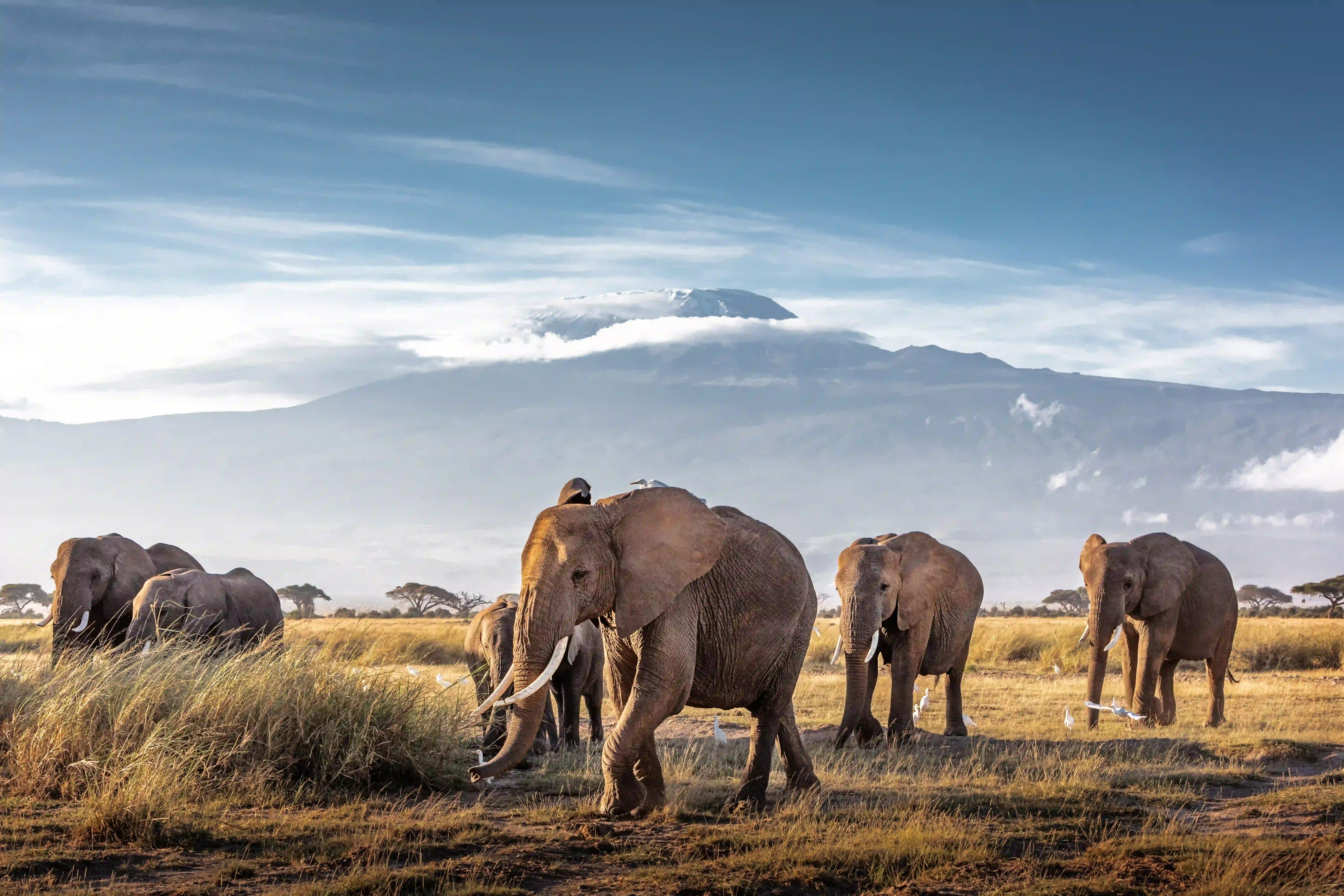
Elephants can be seen in several Tanzanian parks, but Tarangire is one of the most famous elephant destinations in the northern circuit. The park is known for large elephant herds, baobab trees and dry-season wildlife gathering near the Tarangire River. Tanzania Tourism describes Tarangire as a northern circuit park famous for elephants and baobabs.
Ruaha and Nyerere also offer excellent elephant experiences, especially for travellers who want a quieter southern safari. In these parks, elephant sightings may feel more remote and private because there are generally fewer vehicles than in the most popular northern areas.
Elephant viewing should always be respectful. Elephants are intelligent and emotional animals. A good guide will avoid crowding them, blocking their path or pushing too close for photographs. The best elephant sightings often happen when the vehicle stays still and allows the herd to move naturally.
For luxury travellers, elephant viewing can be one of the most moving parts of safari. Watching a herd walk quietly through baobab country or gather at water in the late afternoon is not just a sighting; it is an experience.
Buffalo: The Often Forgotten Big Five Animal
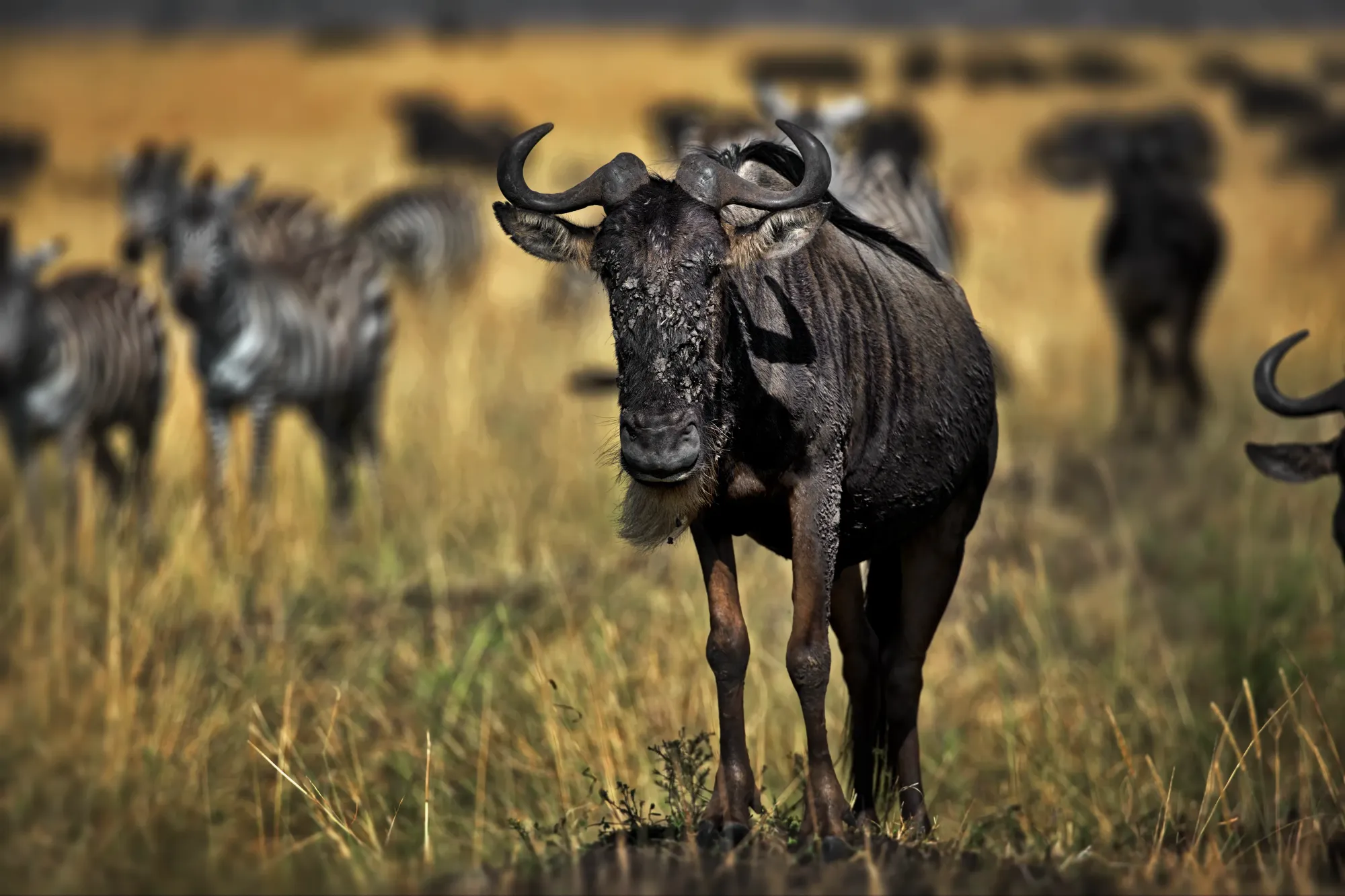
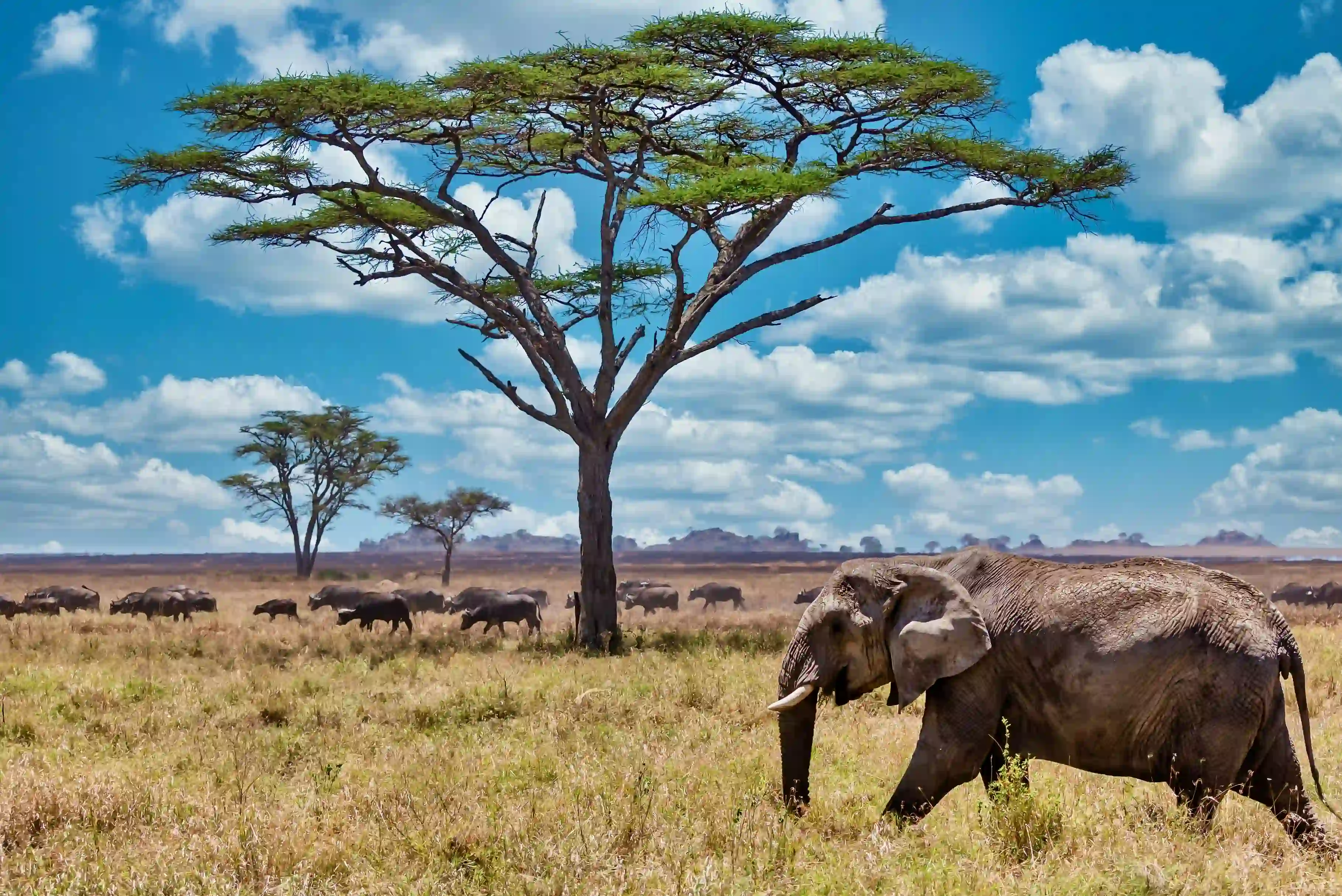
Buffalo are sometimes overlooked because they are not as rare as rhino or as dramatic as lions. But they are one of the most powerful animals on safari. They can be seen in many Tanzanian parks, including Ngorongoro, Serengeti, Tarangire, Ruaha and Nyerere.
Large buffalo herds are impressive, especially when they move across open grasslands or gather near water. Buffalo also play an important role in predator behaviour because lions often follow or hunt them. This makes buffalo sightings more interesting when you understand the wider ecosystem.
In Ngorongoro Crater, buffalo are commonly part of the wildlife experience. In Ruaha and Nyerere, buffalo can contribute to the wild southern safari atmosphere. In Serengeti, they may be seen in mixed habitats and sometimes near predator activity.
Although buffalo may look calm, they should always be respected. They are strong animals and can be dangerous if approached on foot or disturbed. From a safari vehicle, viewing is usually safe when guided properly.
Do not underestimate buffalo. They are not just background animals. They shape predator movement and add power to the safari landscape.
Angel’s advice
Rhino in Tanzania: Be Realistic and Respectful
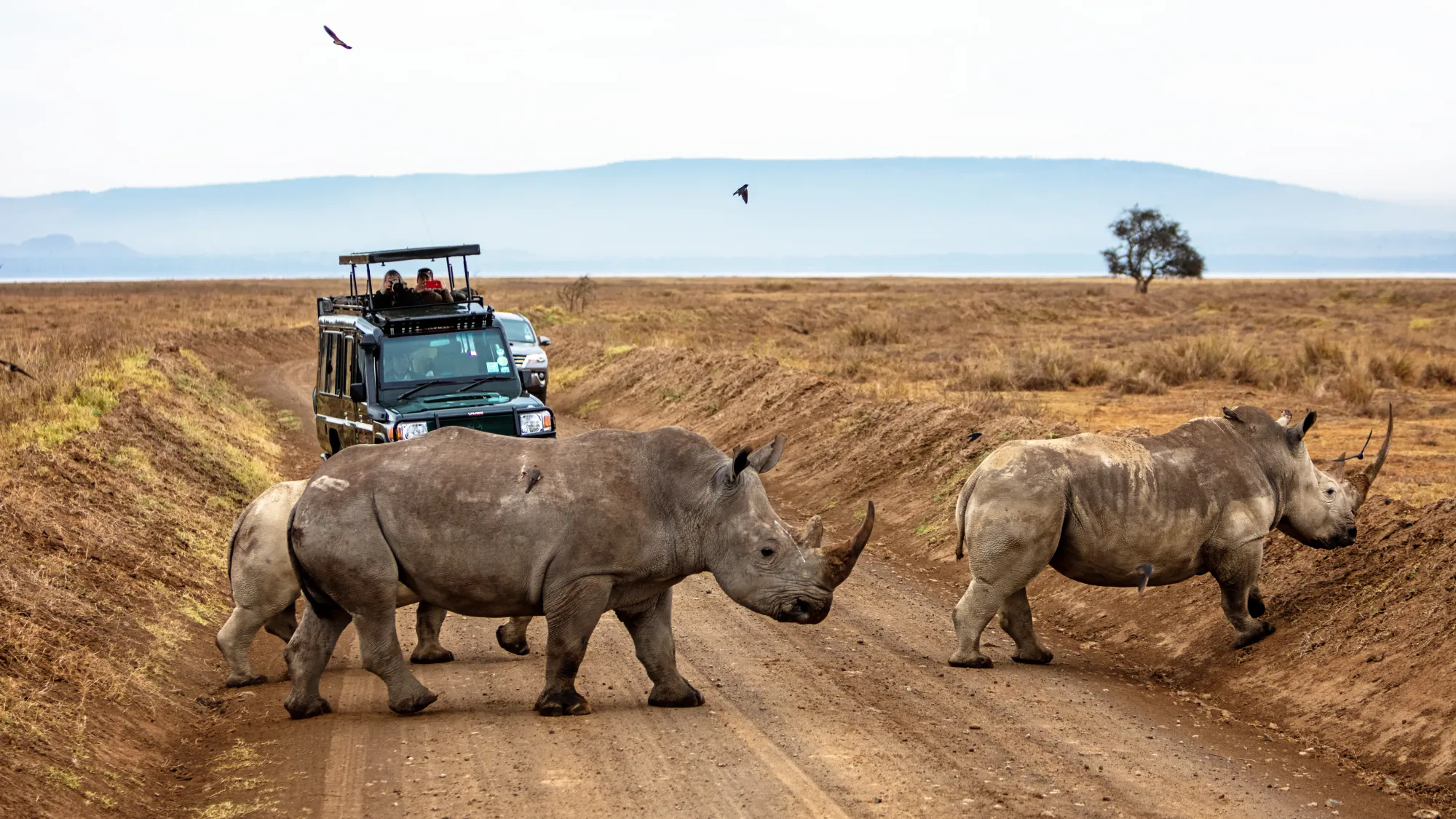
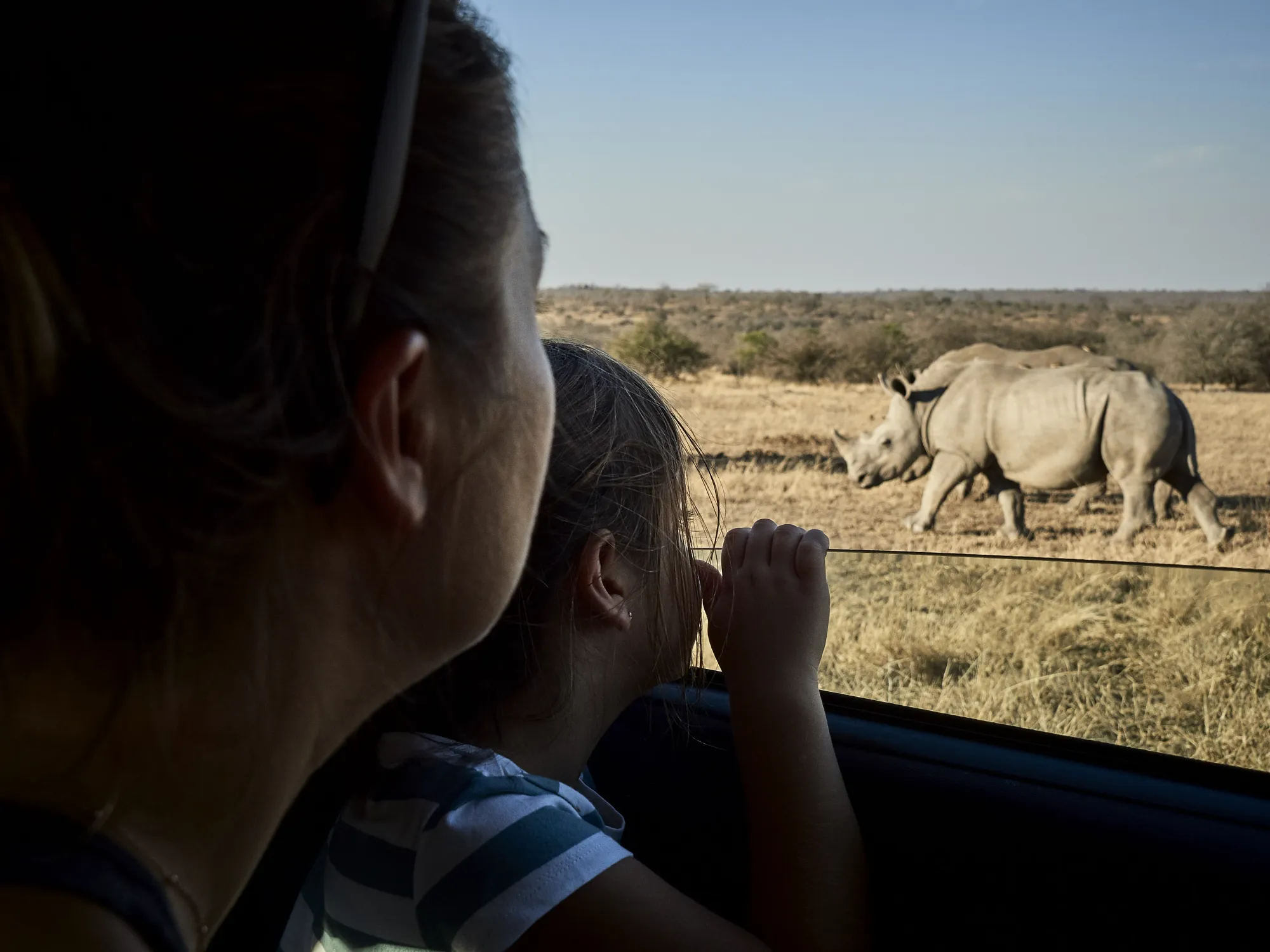
Rhino are the most difficult of the Big Five to see in Tanzania. Black rhino are rare, protected and sensitive. The best-known place for a rhino possibility on a standard northern safari is Ngorongoro Crater, but even there, sightings can be distant or missed entirely.
This is where honest planning matters. Some companies may overpromise rhino sightings to sell a Big Five safari. I prefer to be clear: we can plan the route to give you a good chance, especially by including Ngorongoro, but we cannot guarantee a rhino. That is how responsible safari should be explained.
Rhino conservation is serious work. Because of poaching pressure in many parts of Africa, rhino viewing is often managed with care. Guides may avoid sharing sensitive information, and guests should respect distance, silence and instructions.
If seeing rhino is very important to you, include Ngorongoro and allow a full crater game drive. Do not try to rush it as a quick stop. A slower, well-timed day gives the best opportunity.
- Best standard safari destinationInclude Ngorongoro Crater
- Can rhino be guaranteed?No. It is possible, but never guaranteed
- Best viewing stylePatient, respectful and guided
- What to avoidDo not pressure guides or wildlife for closer views
- Best routeNgorongoro combined with Serengeti and Tarangire
Free 30-minute call with our trip designer
Schedule a free call with Amina Hassan to get honest advice on lodges, routes, and the best season for your dates.
Book a Free CallSenior Trip Designer · Based in Arusha
Best Big Five Safari Routes in Tanzania
A strong Big Five itinerary usually combines Ngorongoro and Serengeti. Ngorongoro gives the rhino possibility and dense wildlife, while Serengeti gives lions, leopards, elephants, buffalo and a deeper safari feeling. Adding Tarangire strengthens elephant viewing and adds a different landscape.
For a short Big Five safari, a 5- or 6-day route can include Tarangire, Ngorongoro and Serengeti. This is focused and efficient, but it requires good pacing. For a better experience, 7 to 10 days is stronger because you can spend more time in Serengeti and avoid rushing the crater.
A southern Big Five-style safari can include Nyerere and Ruaha, but rhino is the challenge. These parks are excellent for elephants, lions, leopards, buffalo and wild dogs, but they are not usually the main choice for rhino-focused travellers. They are better for guests who want wild atmosphere rather than completing the Big Five list.
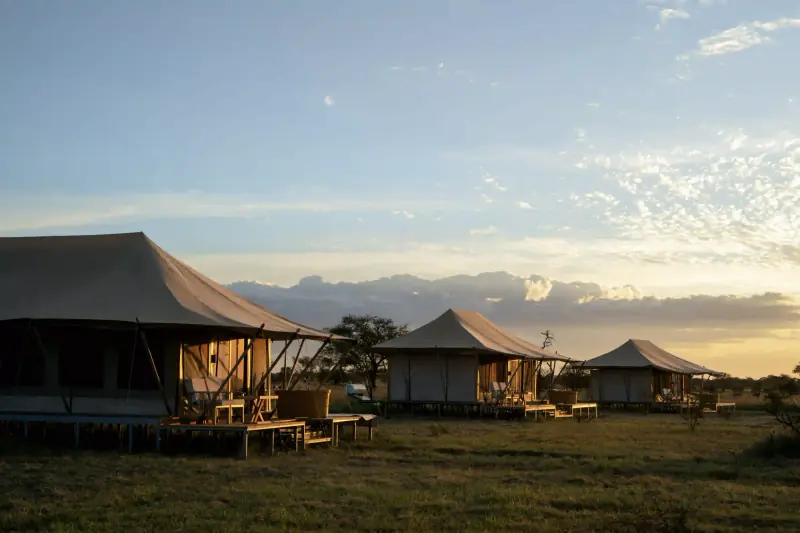
If you want a luxury Big Five safari, consider a private guide, a well-located Serengeti camp, a full Ngorongoro crater day, and a Tarangire or Ruaha extension. The right guide and camp location can make a huge difference.
Best Time for a Big Five Safari in Tanzania
The dry season from June to October is generally strong for Big Five wildlife viewing because vegetation is thinner and animals are easier to see near water. This period works well for Tarangire, Ruaha, Nyerere and many Serengeti routes. SafariBookings describes June to October as the best general period for wildlife viewing in Tanzania.
January to March can also be excellent, especially if you want Serengeti calving season and predator action. Lions and other predators may be very active around the southern plains and Ndutu area. This is not necessarily the best period for every Big Five animal, but it is powerful for big-cat drama.
Ngorongoro can be visited year-round, which is useful for Big Five planning. However, peak months can be busier, so private guiding, timing and early descent into the crater help improve the experience.
Green season travel can still be rewarding, especially for photographers and travellers who want fewer crowds. But if your main goal is easiest wildlife visibility, dry season is usually the safer choice.
Angel’s Big Five Viewing Tips
Start early. Lions, leopards and other predators are often more active in the cooler hours. Early game drives also give better light for photography and fewer vehicles at some sightings.
Stay longer in fewer places. If you want leopard or rhino, one quick drive is not enough. More time gives your guide better chances and allows the safari to unfold naturally.
Listen to your guide. A good guide understands animal behaviour, park rules and responsible distance. Sometimes the best decision is to wait quietly instead of moving closer.
Do not ignore smaller moments. While looking for the Big Five, many travellers miss giraffes, birds, hyenas, jackals, hippos, landscapes and cultural stories. A good safari is richer than one checklist.
Choose the right route. For a classic Big Five attempt, combine Ngorongoro, Serengeti and Tarangire. For a quieter luxury safari, add Ruaha or Nyerere if you have enough time.
- Begin game drives earlyBetter predator activity and softer light
- Use a private guideMore flexibility and personal attention
- Stay at well-located campsLess driving and more time in wildlife areas
- Be patient with leopard and rhinoThese animals are naturally harder to see
- Respect wildlife distanceCreates safer and more natural sightings
The best Big Five safaris are guided with patience, not pressure. Wildlife rewards travellers who slow down.
Angel’s advice
Common Mistakes to Avoid
The biggest mistake is treating the Big Five as a guarantee. Tanzania is wild, and that is what makes it special. A route can be designed for strong chances, but no ethical safari company should promise every animal.
The second mistake is spending too little time in Serengeti. Many travellers want to see big cats and leopards, but they only allow one night. Serengeti deserves time. Two to four nights is much better, depending on budget and season.
The third mistake is skipping Ngorongoro when rhino is important. If rhino is part of your dream, Ngorongoro should usually be included. It is not a guarantee, but it gives a better opportunity than most standard safari routes.
The fourth mistake is crowding animals for photos. Luxury safari should mean better guiding and more respect, not aggressive viewing. The best memories come from natural behaviour, not forced closeness.
- Expecting guaranteed sightingsPlan for strong chances but stay realistic
- Only one night in SerengetiStay longer for big cats and better pacing
- Skipping Ngorongoro for rhinoInclude a full crater game drive
- Ignoring TarangireAdd it for elephants and landscape variety
- Pressuring wildlifeLet the guide manage distance respectfully
FAQs
Final Thoughts from Angel
A Big Five safari in Tanzania can be unforgettable, but it should be planned honestly. The best route usually combines Ngorongoro for rhino possibility, Serengeti for big cats and classic wilderness, and Tarangire for elephants. If you have more time, Ruaha and Nyerere can add a quieter and wilder dimension.
Tell Warriors of Africa Safari which animals matter most to you, how many days you have, and whether you prefer luxury, private guiding, family comfort or a safari and Zanzibar combination. We will design a Tanzania Big Five safari that is realistic, respectful and deeply memorable.
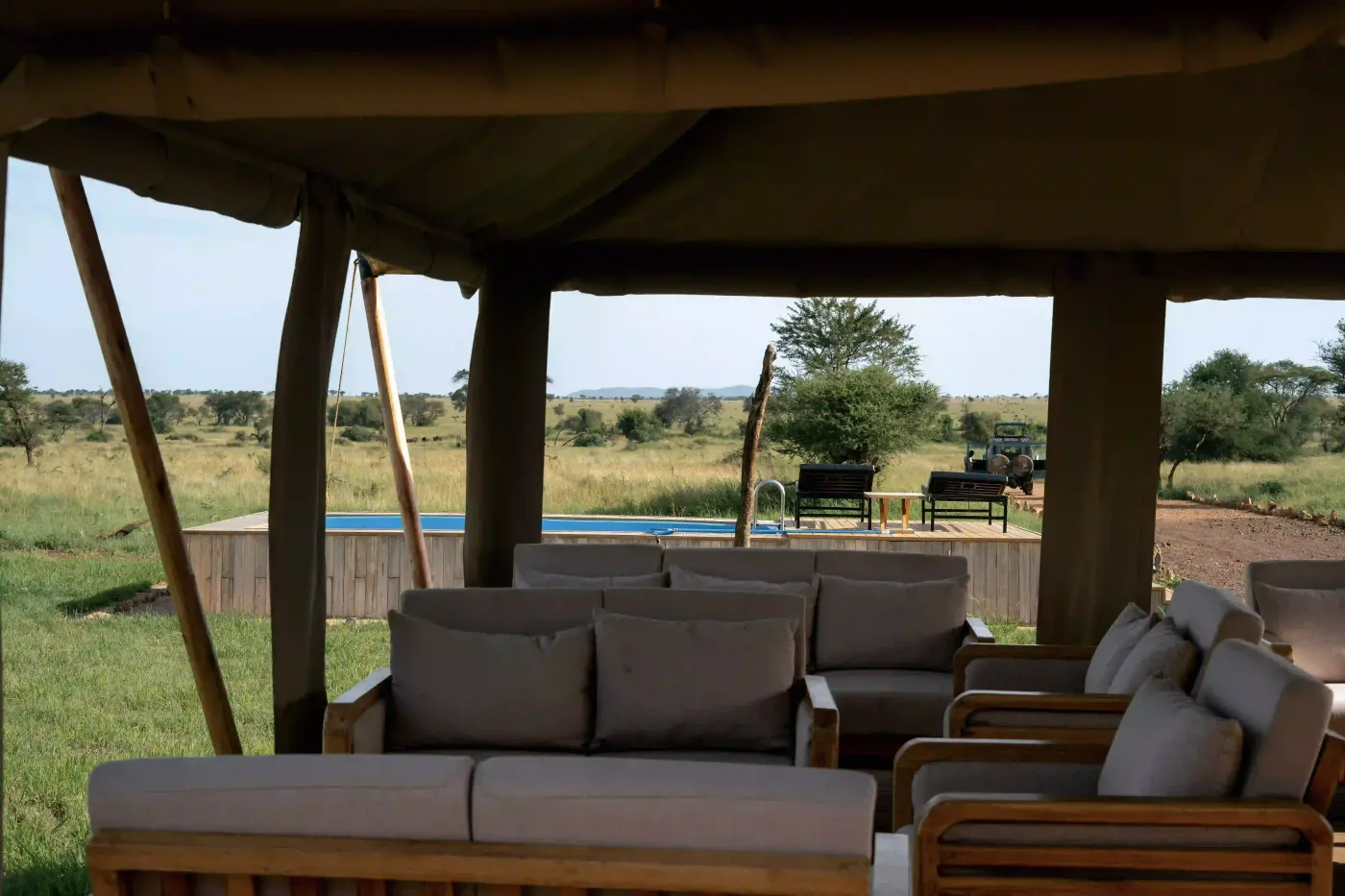
Luxury Tanzania Safari
- Boutique & luxury lodge portfolio
- Private vehicle throughout
2 Comments
18 Jun, 2025
We booked the Northern Circuit through Arusha and every hand-off—from JRO to Serengeti airstrips—felt calm. Our guide's radio etiquette around cats was flawless.
19 Jun, 2025
Same experience on the Zanzibar extension—stone town pacing one day, reef silence the next. The Arusha ops team was on WhatsApp within minutes whenever we had a question.
2 Jul, 2025
Nyerere by boat at dusk—hippos, herons, and our guide explaining how Tanzania balances tourism with conservation quotas. Unforgettable.