
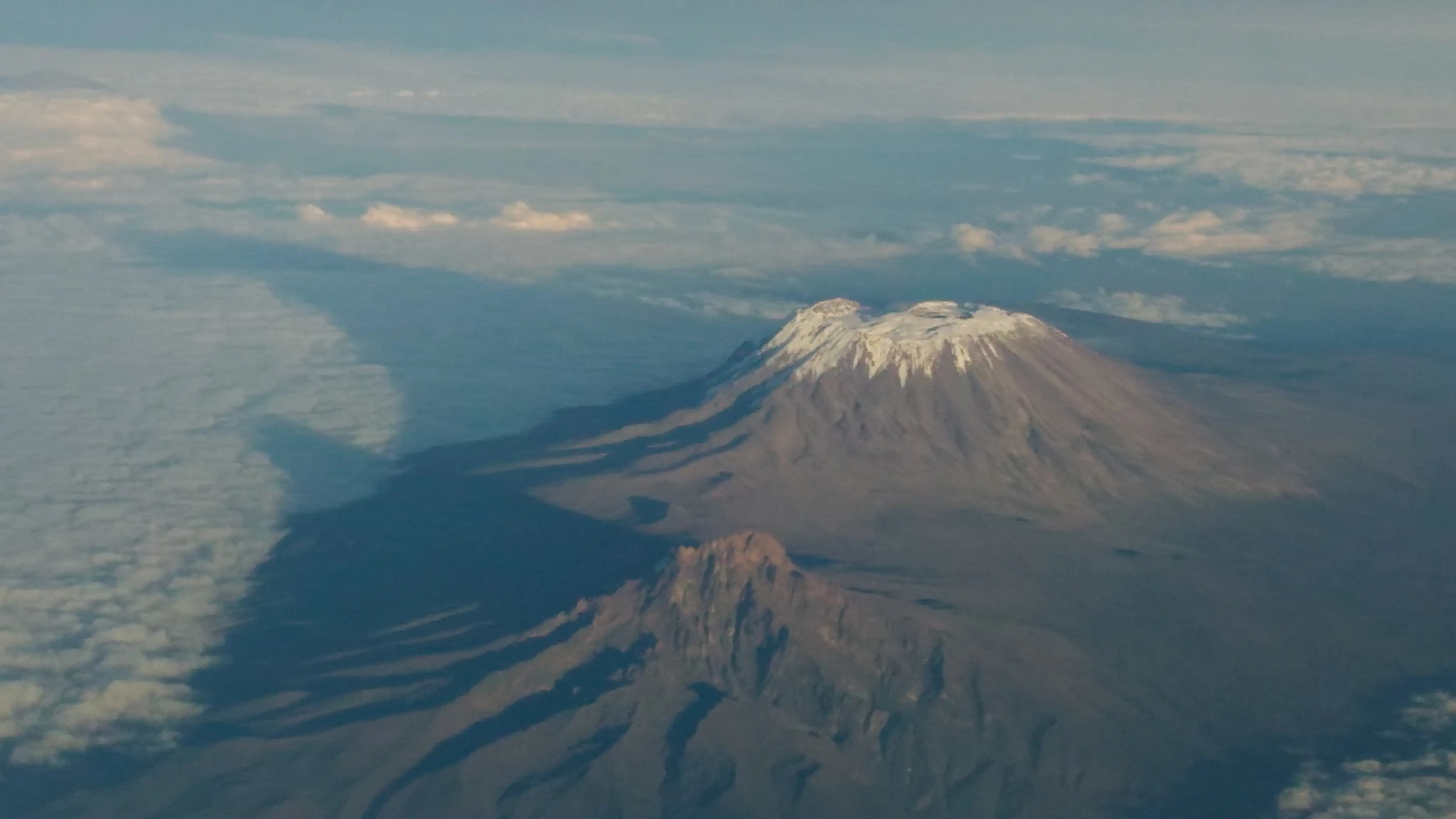
Best Route to Climb Mount Kilimanjaro: Angel’s Complete Route Comparison Guide
Introduction: The Best Route Is the One That Gives You the Right Experience and Enough Time
Kilimanjaro route advice is full of confident one-line answers. One website says Lemosho is best. Another says Machame. Someone recommends Marangu because it has huts. Another traveller swears by Rongai. The problem is that “best” depends on time, altitude strategy, crowd preference, budget, camping preference and previous trekking experience.
I am Angel from Warriors of Africa Safari, and I begin route planning with one principle: a route is not only a trail. It is the structure that controls how quickly you gain height, where you sleep, how much recovery you get and what kind of mountain experience you have.
TANAPA’s official Kilimanjaro management material states that there are six ascending routes identified in the park management context: Marangu, Machame, Umbwe, Lemosho, Londorosi and Rongai, with Marangu also used for descent. TANAPA’s public brochure and mountain regulations provide broader official climbing context.
This guide compares the route families travellers actually encounter in the market, including the commonly sold Northern Circuit itinerary that extends the western approach around the mountain. I will explain strengths, weaknesses, crowds, accommodation style and who I would choose each route for.
Never choose a Kilimanjaro route only because someone says it has the highest success rate. Ask how many days, what ascent profile, what support and what type of climber.
Angel’s advice
Quick Answer: My Route Recommendations
1. Route Choice and Altitude: The Most Important Connection
Kilimanjaro is a high-altitude mountain, not merely a long hike. CDC specifically warns travellers that climbing Kilimanjaro can lead to altitude sickness and advises medical discussion about prevention and treatment.
CDC’s Yellow Book explains that reduced oxygen pressure is the central high-altitude challenge.
This is why route duration matters. A beautiful short itinerary can still be a poor choice for a first-time high-altitude trekker.
I prioritise a sensible ascent profile and enough days before I prioritise route fame.
2. Lemosho Route: My Strong All-Round Choice
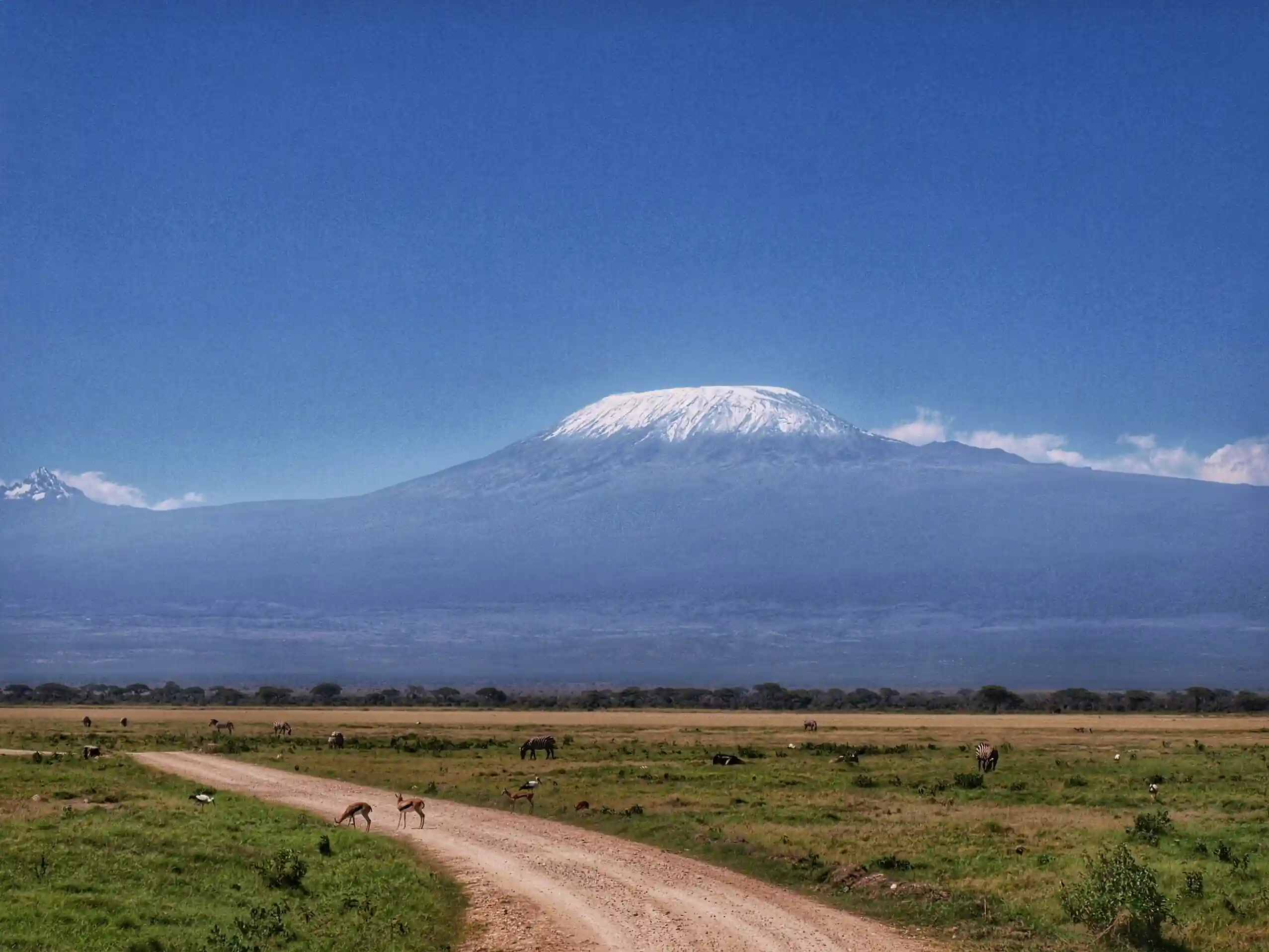
Lemosho approaches from the west and is widely chosen for scenery, a quieter initial approach and the ability to build a longer itinerary.
For many first-time climbers, seven or eight days can create a better rhythm than a compressed schedule.
The route eventually joins busier southern-circuit trails, so it is not crowd-free.
I like Lemosho for travellers who value scenery and can afford the extra day.
3. Machame Route: Popular, Varied and Often Good Value
Machame is one of the best-known camping routes. It offers varied scenery and a logical place in the market for strong trekkers.
Its popularity means traffic can be significant.
I prefer a longer Machame itinerary over the shortest version when the traveller is new to altitude.
The route can be excellent, but its fame should not encourage speed.
4. Marangu Route: Huts, History and Misunderstanding
Marangu is unique among the common mainstream routes because climbers use hut accommodation rather than tents.
This appeals to travellers who dislike camping, but huts do not make the mountain easy.
Short Marangu schedules can be demanding from an acclimatisation perspective.
I recommend judging the duration and ascent profile rather than assuming “Coca-Cola route” means simple.
5. Rongai Route: Northern Approach and a Different Feel
Rongai approaches from the north and can appeal to travellers seeking a different landscape and potentially quieter feel in sections.
It is often discussed for drier conditions on the northern side during certain periods, though weather can never be guaranteed.
The descent typically uses another route, creating variety.
I like Rongai for crowd-sensitive travellers who accept a different scenic progression.
6. Umbwe Route: Steep and Not My Standard First Recommendation
Umbwe is known for a steep and direct profile.
The challenge is not simply leg strength. Faster height gain can make acclimatisation more difficult.
For that reason, I do not normally recommend it to first-time high-altitude trekkers.
Experienced climbers still need professional route and health planning.
7. Northern Circuit-Style Itineraries: Best for Time-Rich Climbers
Longer northern itineraries generally begin from the western side and continue around the quieter northern slopes before joining the summit approach.
The key advantage is time, not a magical trail.
More days can support a slower progression and a deeper mountain experience.
The disadvantages are cost, more camping nights and a longer holiday.
8. Londorosi and Western Access: Understanding the Name
Travellers can become confused because route names, access gates and commercial itineraries are not always labelled consistently.
TANAPA’s management document lists both Lemosho and Londorosi among ascending-route terminology.
Ask the operator for a day-by-day map rather than relying on one route name.
The exact itinerary matters more than marketing shorthand.
9. Full Route Comparison Table
10. Which Route Has the Best Scenery?
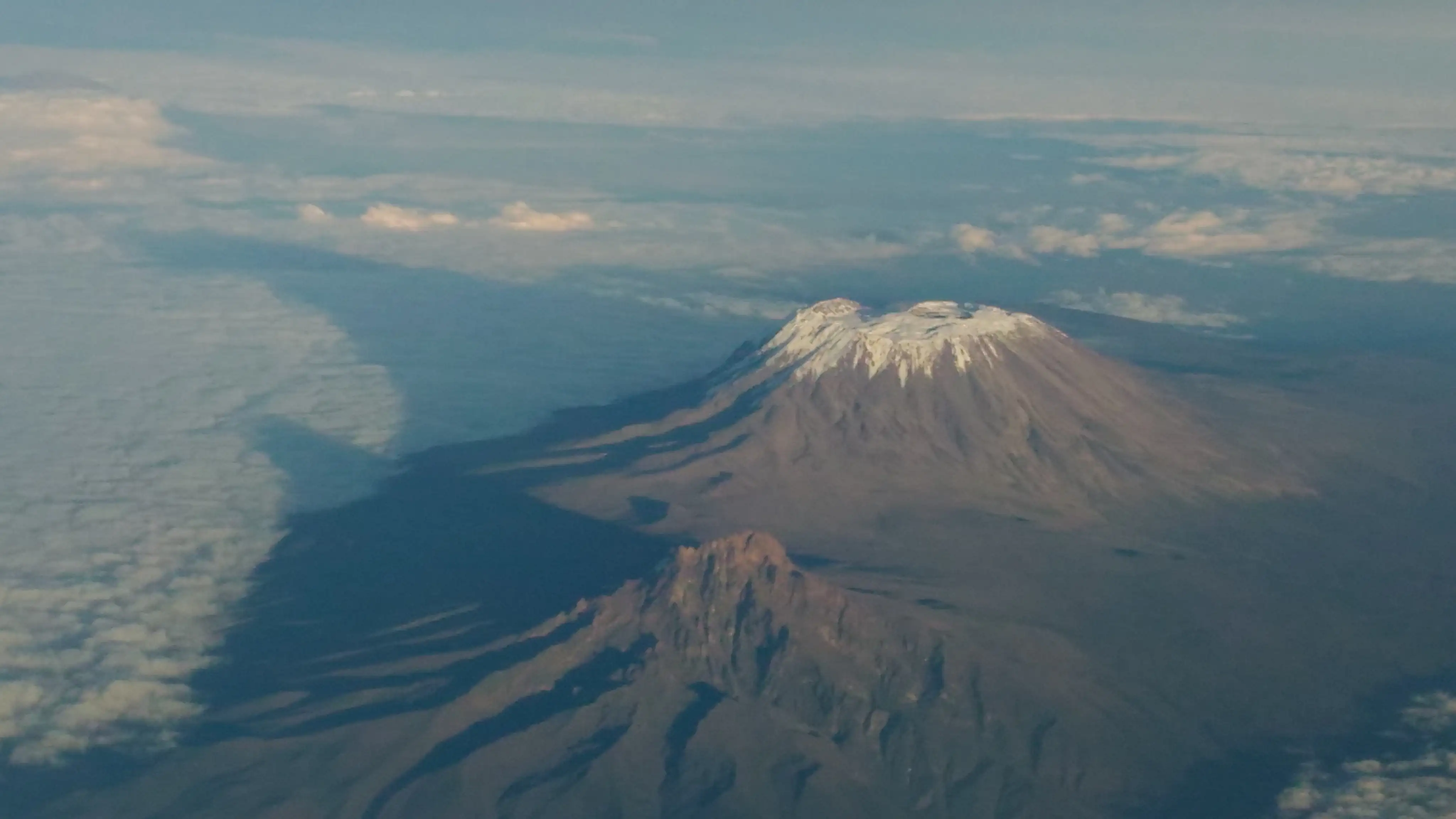
Scenery is subjective. Lemosho is often praised for western approach landscapes and varied zones.
Machame also crosses dramatic terrain and offers a strong sense of change.
Rongai creates a different northern perspective.
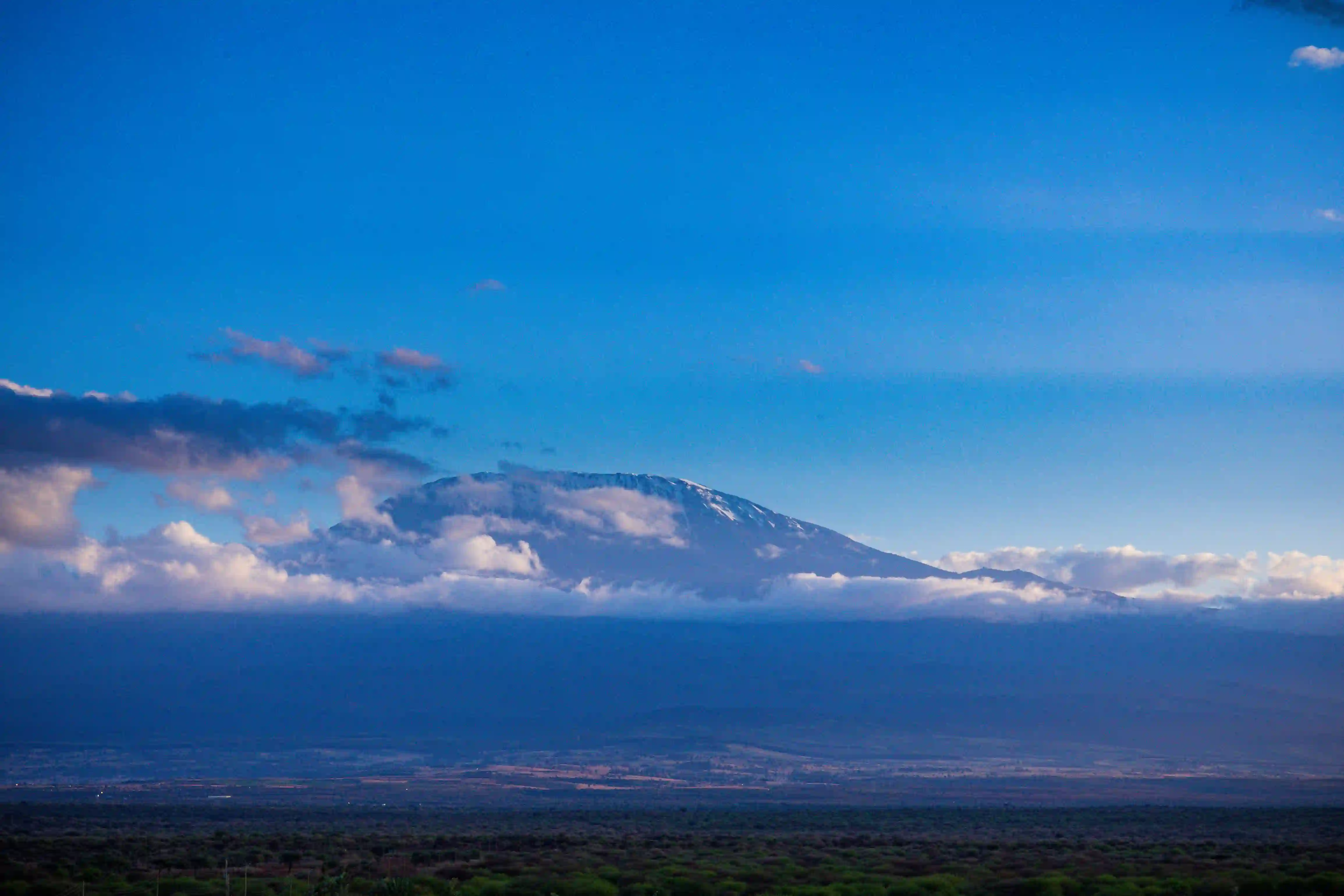
UNESCO notes the mountain’s ecological progression from forest to alpine desert and summit, so every route interacts with this zonation differently.
11. Which Route Is Quietest?
No mainstream route is guaranteed empty.
Rongai and longer northern itineraries can feel quieter in parts, while Machame and common southern trails can be busy.
Season changes traffic as much as route.
Ask the operator about actual camp patterns for your dates.
12. Which Route Is Cheapest?
Shorter routes often cost less because there are fewer park, crew, food and logistics days.
That does not make them better value if the schedule is poorly suited to the climber.
A longer route may cost more but provide a better experience.
Compare what is included, crew support and safety systems.
13. Which Route Is Best for Beginners?
For a fit beginner without high-altitude experience, I usually prefer Lemosho with enough days or a longer Machame schedule.
Rongai can also suit the right traveller.
I do not normally choose the steepest or shortest itinerary for a beginner.
Fitness and altitude tolerance are different; nobody can train themselves to be immune to altitude illness.
14. Which Route Is Best for Older Climbers?
Age alone does not decide the route, but recovery, joint comfort and medical history matter.
Longer itineraries may provide a gentler daily rhythm, though they also mean more nights camping.
A clinician should review relevant health concerns.
I would choose time and support over bravado.
15. Which Route Is Best for Couples?
Couples often value scenery, privacy and a route that does not feel like a race.
Lemosho and longer northern itineraries are strong options.
A private climb can offer more flexibility but costs more.
The best route should fit both partners, not only the stronger one.
16. Which Route Is Best in Wet Months?
The northern side is often discussed as comparatively drier in some rainy periods, which is one reason Rongai enters the conversation.
However, Kilimanjaro weather is variable and no route is rainproof.
Trail drainage, equipment and guide decisions matter.
Do not promise dry conditions.
Free 30-minute call with our trip designer
Schedule a free call with Amina Hassan to get honest advice on lodges, routes, and the best season for your dates.
Book a Free CallSenior Trip Designer · Based in Arusha
17. Barranco Wall: Should You Be Afraid?
Some southern-circuit itineraries include the Barranco Wall, which looks dramatic in photographs.
For many trekkers it is a hands-on steep hiking section rather than technical rock climbing, but exposure and crowding can feel intimidating.
A guide’s pacing helps.
Travellers with severe fear of exposure should discuss the route before booking.
18. Summit Night Is Hard on Every Route
Route marketing can distract from the fact that summit night remains difficult.
Cold, darkness, fatigue, low oxygen and long hours affect all climbers.
A longer route can improve preparation, but it cannot guarantee success.
Honest operators should never promise a summit.
19. Route Duration Comparison
20. My Route Decision Matrix
21. Common Route-Choice Mistakes
22. My Final Recommendation
For many first-time climbers, I begin with Lemosho over seven or eight days.
For fit travellers wanting a popular, varied route with good value, I examine Machame over enough days.
For hut preference, Marangu deserves serious consideration.
For crowd-sensitive travellers, I examine Rongai or a longer northern itinerary. The final choice depends on the individual.
Frequently Asked Questions
Final Thoughts from Angel
The best Kilimanjaro route is not a brand name. It is a day-by-day altitude plan matched to a real climber.
At Warriors of Africa Safari, we look at fitness, altitude experience, budget, camping preference, crowd tolerance and total Tanzania itinerary.
Tell us the truth about your experience and time. That makes route advice much more useful.
On Kilimanjaro, the route you choose shapes the story — but the time you give yourself often shapes the outcome.
Angel’s final advice
Additional Route Planning Notes
The route should also reflect how much expedition routine the traveller enjoys. Longer camping itineraries mean more nights packing, unpacking, sleeping in tents and managing cold mornings. Some climbers love that immersion; others become steadily more tired by it. More days are valuable only when the traveller can cope with the style.
Descent planning matters too. Many routes descend differently from the ascent, and the final day can be hard on knees and tired legs. Ask for the full itinerary through the exit gate rather than focusing only on the climb to the summit.
For couples or friends with different abilities, a route with more time can reduce pressure, but private guiding and group structure still matter. One person should never feel forced to move at an unsafe pace because another wants a faster summit schedule.
A route comparison should include toilets, camp crowding, meal tents, water logistics and emergency communication. These operational details are less glamorous than scenery, yet they strongly influence comfort and safety over a week.
Kilimanjaro Trekking
- Machame or Lemosho routing with acclimatization
- KPAP-compliant crew ratios and safety briefings
2 Comments
18 Jun, 2025
We booked the Northern Circuit through Arusha and every hand-off—from JRO to Serengeti airstrips—felt calm. Our guide's radio etiquette around cats was flawless.
19 Jun, 2025
Same experience on the Zanzibar extension—stone town pacing one day, reef silence the next. The Arusha ops team was on WhatsApp within minutes whenever we had a question.
2 Jul, 2025
Nyerere by boat at dusk—hippos, herons, and our guide explaining how Tanzania balances tourism with conservation quotas. Unforgettable.