
Best Tanzania Safari Lodges for Families: Angel’s Complete Selection Guide
Introduction: A Family-Friendly Lodge Is More Than a Lodge That Accepts Children
One of the biggest family safari mistakes is choosing a lodge because a booking page says children are welcome. Accepting children and being genuinely good for families are not the same thing.
I am Angel from Warriors of Africa Safari, and when I evaluate a family lodge I look at room layout, distance between rooms, escort rules, pool safety, meal flexibility, vehicle arrangements, age restrictions, transfer time, lodge terrain, medical access and whether the staff actually enjoy working with children.
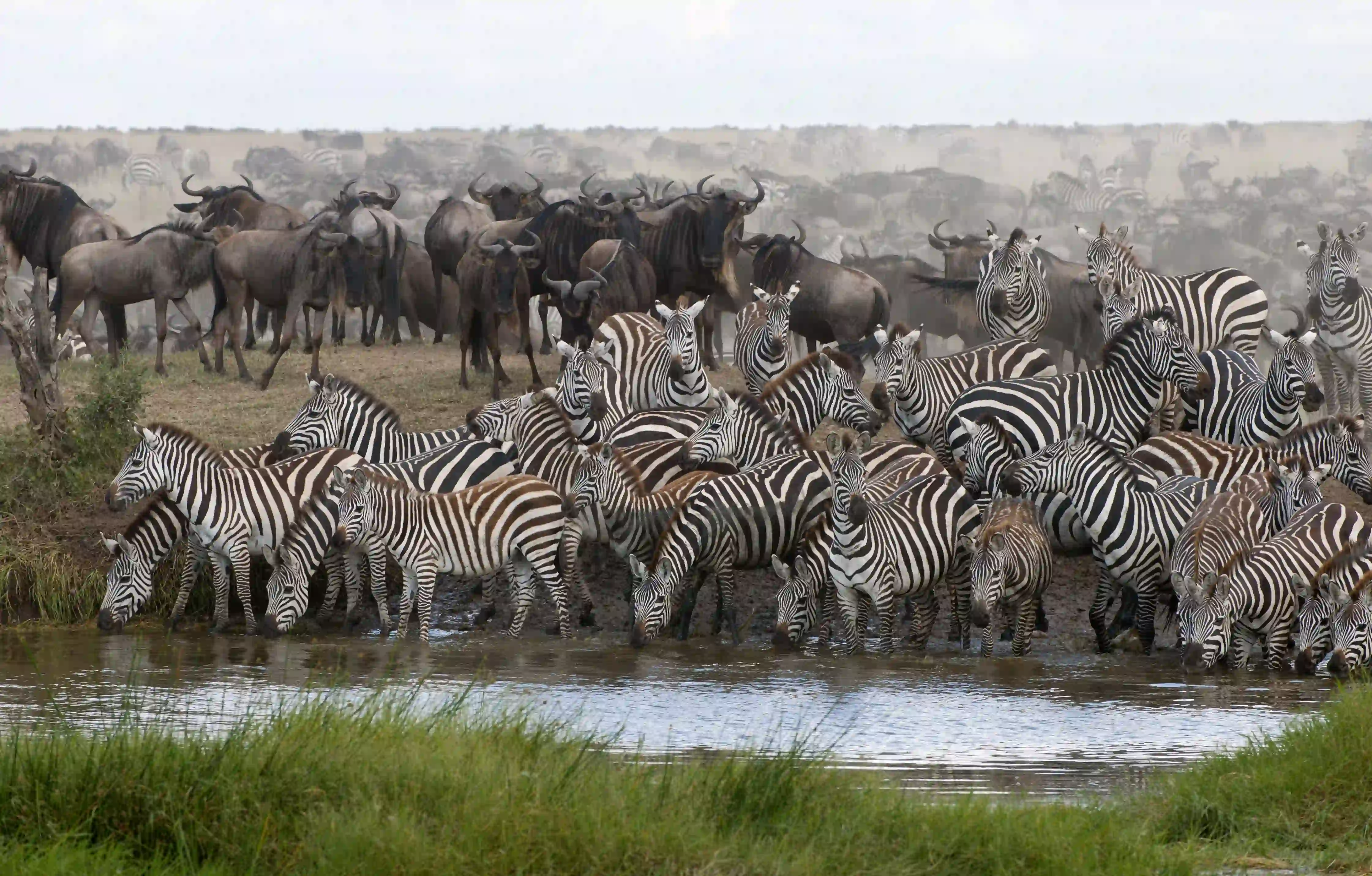
The park still matters. A family lodge in the wrong location can create long daily drives. TANAPA highlights Tarangire’s elephant significance, UNESCO describes Serengeti’s vast migration ecosystem, and UNESCO recognises Ngorongoro’s exceptional landscape and wildlife concentration. The right lodge should support the reason you chose the destination.
This guide is deliberately not a static ranking of hotel names. Lodge ownership, management, policies, rates and standards can change. Instead, I explain the lodge styles and selection criteria that remain useful when Warriors of Africa Safari builds a current shortlist for your dates.
For families, the best lodge is the one that makes the whole day easier — not the one with the most impressive lobby.
Angel’s advice
Quick Answer: What Makes a Lodge Family-Friendly?
1. Start with Location, Not the Room
A beautiful lodge can be a poor family choice if it adds two hours of driving every day. Children feel transfer time more than adults.
In Serengeti, location is especially important because the ecosystem is vast. UNESCO describes the park as 1.5 million hectares of savannah and highlights annual migration. A lodge chosen far from the seasonal wildlife focus can create exhausting drives.
In Tarangire, location influences access to river areas and the broader route. In Ngorongoro, rim versus highland location changes timing and atmosphere.
My rule is simple: choose the area first, then the lodge.
2. Family Rooms: Demand a Floor Plan, Not a Label
The term family room can describe many things. It may be one suite with several beds, two rooms connected by a door, separate tents linked by a walkway or a main room plus children’s annex.
Parents should ask whether children can reach the parents without stepping outside, whether bathrooms are shared and whether the room is suitable after dark.
For teenagers, some separation may be welcome. For young children, a detached second tent may be unacceptable to the family.
Request the exact arrangement before paying.
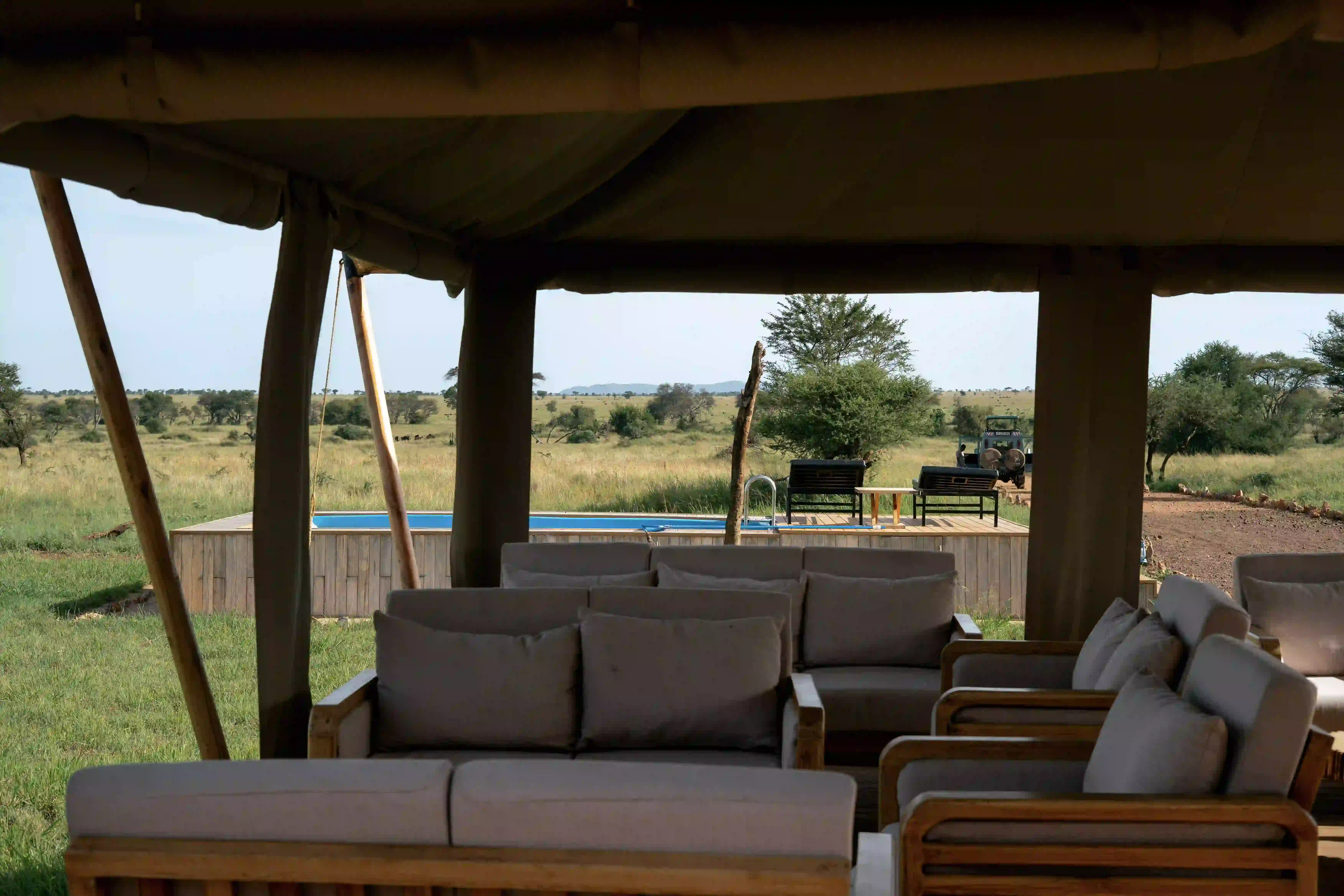
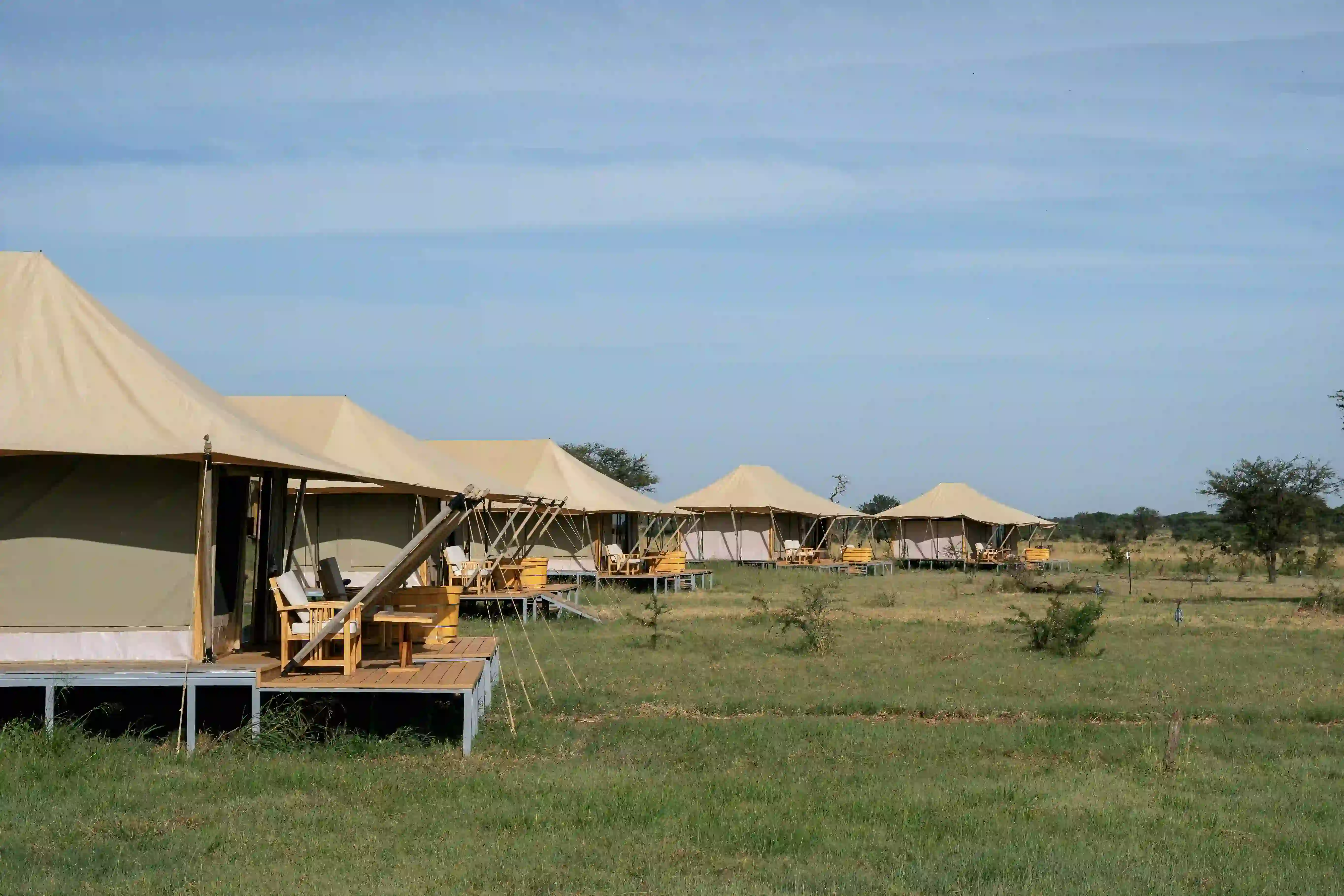
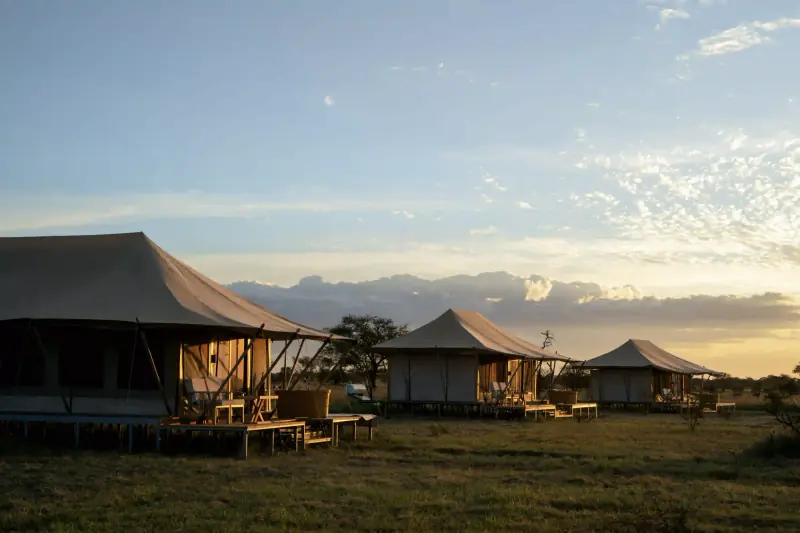
3. Permanent Lodge vs Tented Camp
4. Pools: Useful but Not Automatically Safe
A pool can be transformational for families because it gives children a clear break from safari.
Parents should ask whether the pool is fenced, supervised, heated, visible from rooms and accessible to wildlife.
At some unfenced properties, animals may move through lodge grounds. A pool is not a substitute for supervision.
I treat a pool as a planning feature, not a decorative amenity.
5. Private Vehicles and Lodge-Based Guiding
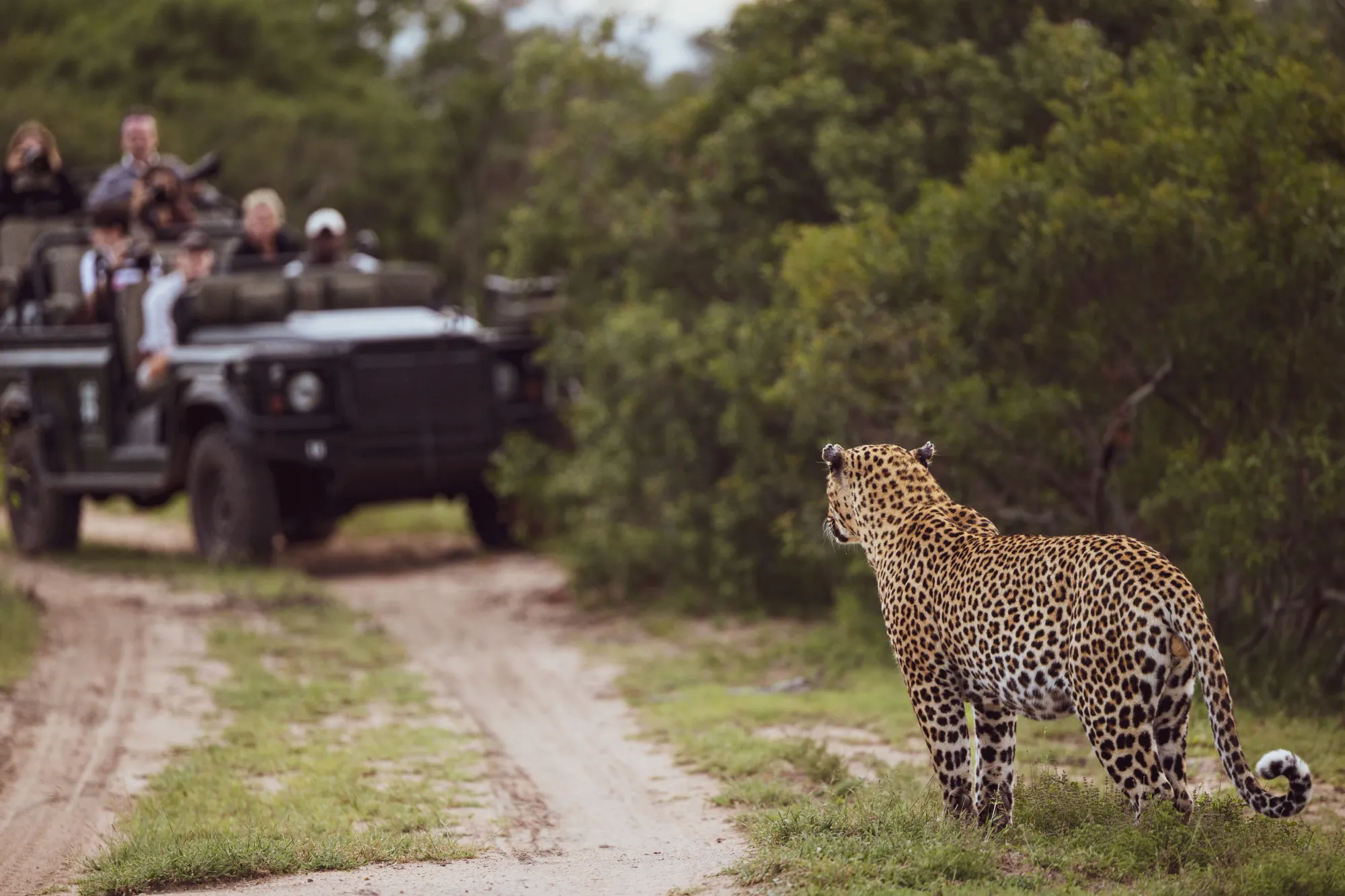
Some lodges include shared game drives, while others can arrange private vehicles at extra cost. On road safaris, the family may travel with one private driver-guide across several parks.
These models create different experiences. A private vehicle is particularly valuable for young children, photographers and grandparents.
Ask whether the private vehicle is guaranteed for every drive or only subject to availability.
Do not assume a luxury lodge automatically includes private guiding.
6. Age Policies and Activities
Family-friendly does not mean every activity is open to every age.
Walking safaris, night drives, canoeing, balloon flights and other experiences may have age or operational restrictions depending on location and provider.
Parents should request written confirmation for the exact activity they care about.
This prevents the child from arriving excited for an experience they cannot join.
7. Meal Flexibility
Children may not want a three-course dinner at 8:00 p.m. after a full game drive.
Ask whether early meals, simpler dishes and packed snacks are available. Share allergies before arrival.
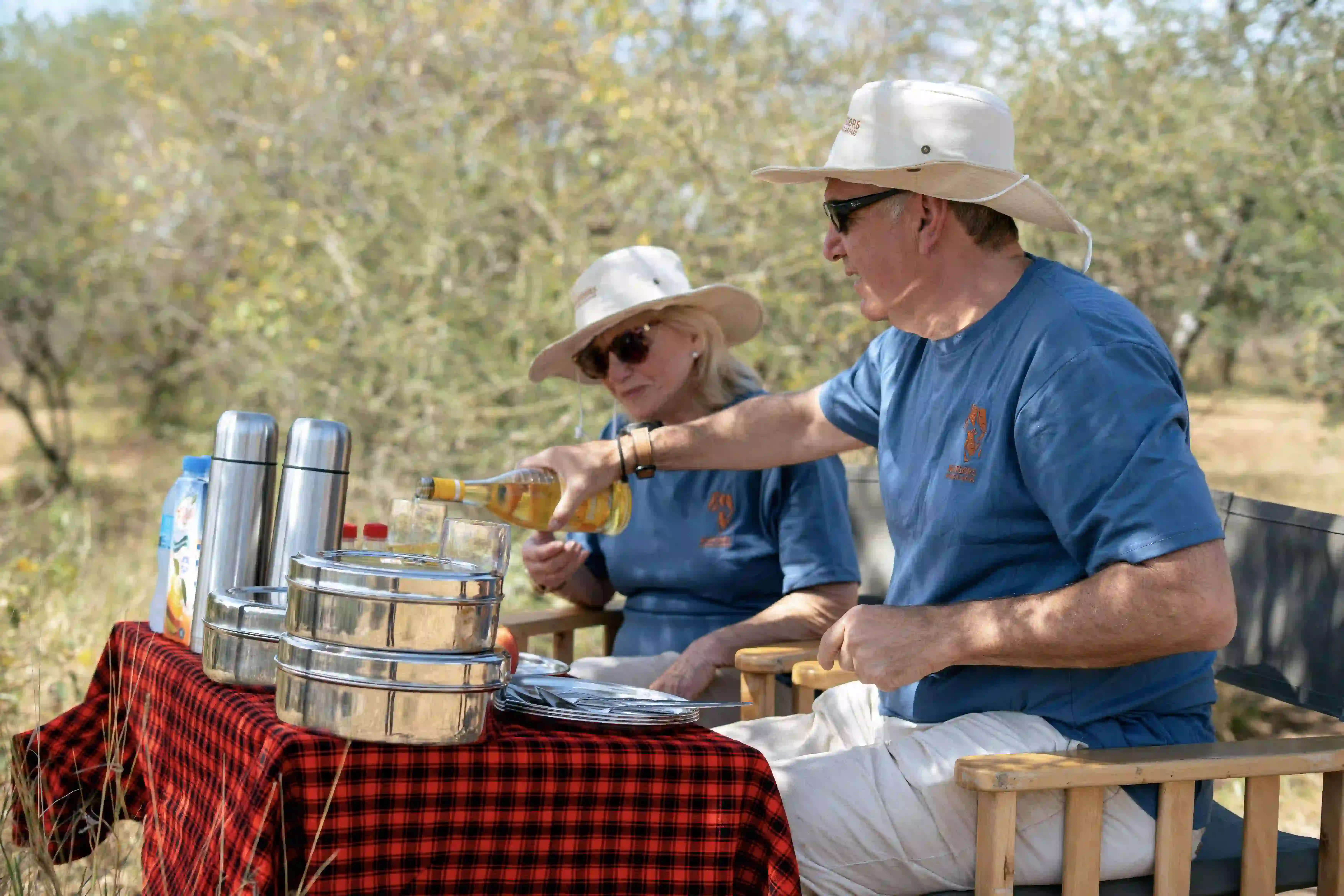
Remote camps plan supplies carefully, so advance notice matters.
A good family lodge understands that feeding a tired child is part of hospitality.
8. Best Lodge Style in Tarangire
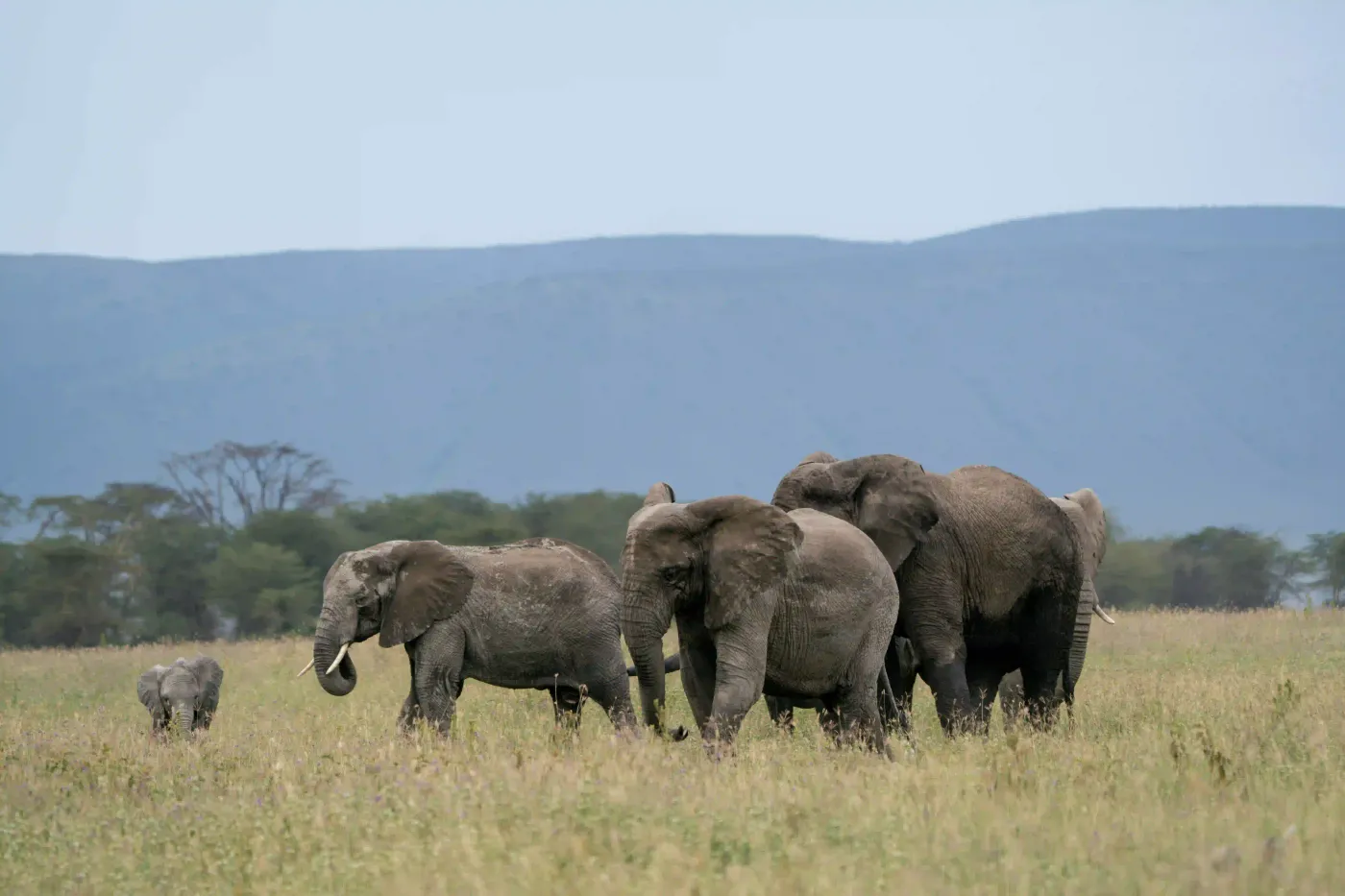
Tarangire is one of my top family parks because elephants and baobab landscapes engage children quickly. TANAPA highlights the park’s high concentration of elephants.
Families can choose camps inside the park for immersion or properties outside/near the park for different facilities and route flexibility.
I look for short access to game-viewing areas, family room layout, pool availability and whether the property works with the next destination.
A two-night stay is often stronger than a rushed transit.
9. Best Lodge Style at Ngorongoro
Ngorongoro offers a choice between crater-rim stays and highland properties.
The rim can reduce some access time and deliver dramatic views. Highland lodges may offer gardens, larger grounds and a slower family atmosphere.
UNESCO recognises the wider area for exceptional natural and cultural significance.
For grandparents or young children, ask about stairs, slopes and room distance.
10. Best Lodge Style in Serengeti
Serengeti lodge selection must begin with region and season. A famous family suite in the wrong region can create a poor safari.
Central Serengeti is a strong all-round choice for many first families. Seasonal camps may be better for specific migration periods.
Older children often enjoy tented camps because the bush feels close. Younger children may benefit from more structured permanent-lodge facilities.
Check age policies and whether the camp is fenced.
11. Best Lodge Style at Lake Manyara and the Highlands
Lake Manyara and nearby highland areas can provide scenic, slower stops between safari destinations.
Farm-style lodges may offer gardens and open space that children appreciate after long drives.
The trade-off can be additional transfer time to park gates.
Use these stays strategically rather than simply because they look family-friendly.
12. Best Lodge Style for Arusha Arrival Nights
The arrival hotel should make the first 24 hours easy. Look for practical airport transfer, quiet rooms, early breakfast and enough space to recover.
A pool can help children reset after a long flight, but late arrival may make it irrelevant.
Do not overspend on a luxury arrival night if the family reaches the hotel at midnight and leaves at 7:00 a.m.
Spend where the family will use the experience.
Free 30-minute call with our trip designer
Schedule a free call with Amina Hassan to get honest advice on lodges, routes, and the best season for your dates.
Book a Free CallSenior Trip Designer · Based in Arusha
13. Multi-Generational Lodge Selection
Grandparents and children can have opposite needs. The lodge must bridge them.
Ask about stairs, walking distance, golf-cart transport where available, shower access, room proximity and emergency plans.
A private villa can be excellent for large families because meals and downtime become flexible.
However, villas can cost more and may reduce social camp atmosphere.
14. Medical and Emergency Questions to Ask
- Nearest clinic or hospital?Shows real access, not vague reassurance.
- Emergency communication?Remote areas may have limited signal.
- Evacuation process?Important for insurance planning.
- First-aid trained staff?Useful for minor incidents.
- Dietary allergy procedure?Critical for severe allergies.
- Vehicle availability at night?May matter for emergencies.
- Airstrip access time?Important in remote regions.
15. How to Evaluate a Family Lodge Online
Do not rely only on marketing photos. Look for actual room configuration, property map, pool setup and recent policy information.
Ask the operator to confirm details directly with the property if they are important.
Recent reviews can reveal practical issues, but individual expectations differ.
A family specialist should translate the information into your family’s needs.
16. What I Would Pay Extra For
17. What I Would Not Pay Extra For
I would not pay for a larger suite if the family is in the room only to sleep and the upgrade forces cuts to route quality.
I would not choose a prestigious lodge with a long daily drive to the wildlife area.
I would not pay for activities the children are too young to join.
I would not add a second pool property when the itinerary has no downtime.
18. Family Lodge Checklist
- RoomBeds, doors, bathrooms, distance.
- SafetyFenced? escort rules? pool setup?
- MealsEarly dinner? allergies? packed snacks?
- SafariPrivate vehicle? seat layout? drive schedule?
- ChildrenMinimum ages? kids activities? babysitting?
- MobilityStairs? slopes? long walks?
- MedicalClinic, communication, evacuation.
- LogisticsGate/airstrip transfer time.
19. Example Lodge Strategy by Family Type
20. My Honest Final Advice
A family lodge is successful when it reduces friction. Children can sleep, parents can relax, meals work, the vehicle is practical and the location supports wildlife.
The best lodge list changes by season, budget, child age and availability. That is why I prefer a selection method to a permanent ranking.
At Warriors of Africa Safari, we can create a current shortlist based on exact dates and family structure.
Do not choose by star rating alone.
Frequently Asked Questions
Final Thoughts from Angel
The best Tanzania safari lodge for a family is not a universal winner. It is the property that fits the right park, the right season and the real family.
At Warriors of Africa Safari, we match accommodation to ages, room needs, pace, budget, mobility and wildlife goals.
Tell us the details that matter. The more honest the information, the better the shortlist.
Family luxury is not how impressive the lodge looks. It is how easy the family feels while staying there.
Angel’s final advice
Additional Family Lodge Planning Details
Booking terms matter for families because one illness can affect several travellers. Ask about deposit schedules, cancellation conditions, child rates and whether room occupancy changes the price. Do not assume a child sharing with parents is free; policies vary by age and property.
Parents should also ask how the lodge handles power and charging. Camera batteries, phones, medical devices and tablets may all need electricity. Remote camps can use generators or solar systems with limited charging hours. If a device is medically necessary, confirm arrangements directly.
Noise is another family consideration. Canvas tents transmit sound. A child who is frightened by animals at night may sleep better in a permanent room, while another child may find the sounds thrilling. Parents know their children better than a brochure does.
The distance to the dining area matters after dark. At unfenced camps, escort procedures can make repeated trips complicated. Families with young children may prefer a room closer to common areas, while parents of light sleepers may prefer more separation from the bar and dining space.
Babysitting should never be assumed. Some properties offer it, some do not, and arrangements may require advance notice. If parents want one private dinner or adult activity, confirm the exact service and who provides it.
Air-conditioning is another misunderstood feature. Many safari camps do not have conventional air-conditioning, and temperatures can vary sharply by region and season. If a child has a medical need or cannot sleep in heat, discuss this before choosing the property.
Family Safari Tanzania
- Family rooms & kid-friendly lodges
- Shorter drive legs between parks
2 Comments
18 Jun, 2025
We booked the Northern Circuit through Arusha and every hand-off—from JRO to Serengeti airstrips—felt calm. Our guide's radio etiquette around cats was flawless.
19 Jun, 2025
Same experience on the Zanzibar extension—stone town pacing one day, reef silence the next. The Arusha ops team was on WhatsApp within minutes whenever we had a question.
2 Jul, 2025
Nyerere by boat at dusk—hippos, herons, and our guide explaining how Tanzania balances tourism with conservation quotas. Unforgettable.