
Best Time to Climb Mount Kilimanjaro: Angel’s Complete Month-by-Month Guide
Introduction: The Best Month Depends on More Than Rain
When people ask me for the best time to climb Kilimanjaro, they often expect one month. I understand why. The mountain is expensive, the journey may be once in a lifetime, and nobody wants to spend summit night in miserable conditions. But the honest answer is more useful: the best period depends on weather tolerance, crowd preference, route, training schedule, safari plans and how flexible you can be.
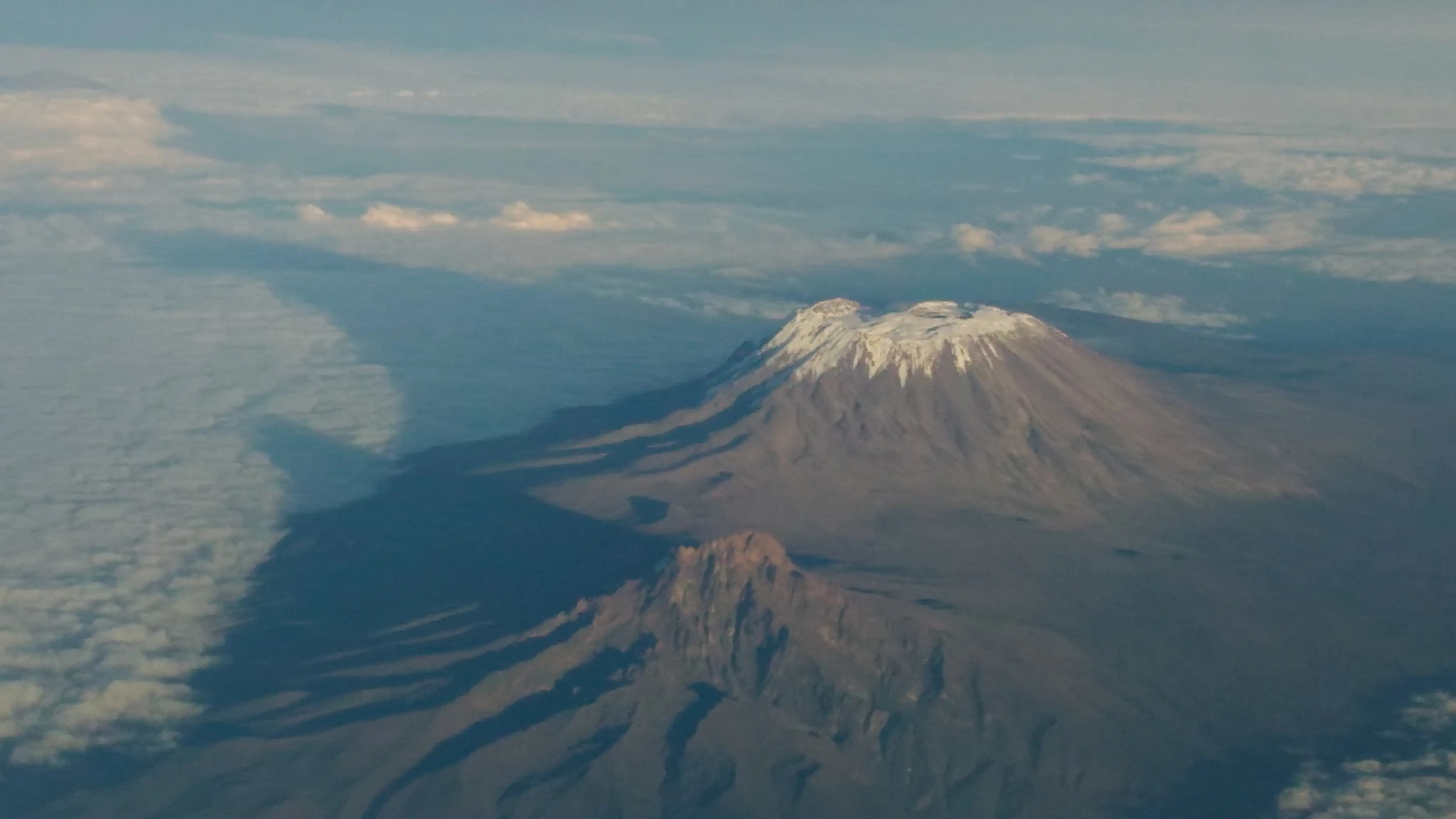
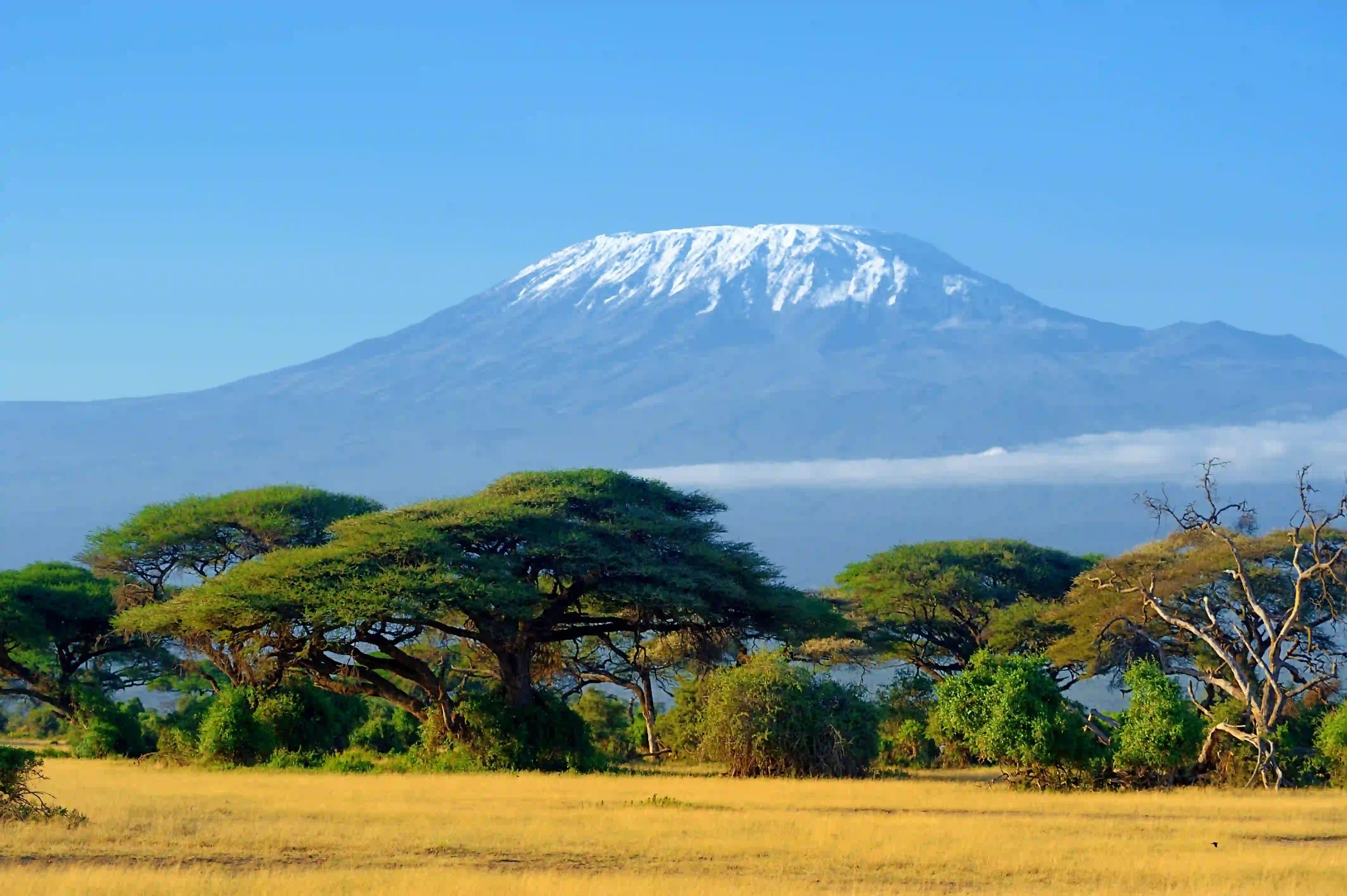
I am Angel from Warriors of Africa Safari, and I never treat Kilimanjaro like a beach holiday where one weather icon decides everything. Kilimanjaro rises to 5,895 metres, and UNESCO describes it as Africa’s highest mountain and the world’s largest free-standing volcanic mass protected within the national park. TANAPA’s official material also shows how the mountain crosses several ecological and climatic zones.
The mountain can create very different conditions from one elevation to another. Lower slopes may be wet while the alpine zone is dry. Summit night can be bitterly cold even when Moshi feels warm. Visibility can change within hours. No month guarantees perfect weather.
This guide gives a practical month-by-month view, then explains crowds, full moon timing, route choice, altitude, safari combinations and how I would choose dates for different travellers.
Choose a season that suits your body and priorities, not only the month that appears most often in advertisements.
Angel’s advice
Quick Answer: Best Kilimanjaro Climbing Periods
1. January: A Strong Early-Year Choice
January can be one of the strongest months for travellers who want to climb and then continue to a northern Tanzania safari. Conditions are often comparatively dry, although the mountain can still create local weather.
The lower mountain may feel warm while higher elevations remain cold. Packing must cover both.
Early January can carry festive demand, so flights, hotels and guides may book ahead.
For wildlife travellers, this period can combine well with southern Serengeti planning depending on migration conditions.
2. February: Often One of My Favourite Months
February is attractive because it often sits within a drier early-year window and can pair beautifully with safari.
The mountain can still receive rain, and summit temperatures remain serious. A favourable month is not an easy mountain.
Couples and photographers may appreciate the broader Tanzania combination at this time.
Book early if your dates are fixed.
3. March: Transition and Growing Rain Risk
March can begin well and become wetter as the month progresses, but exact timing varies.
Trails can become muddier, cloud can increase and wet gear management matters more.
Crowds may reduce, which some climbers value.
I recommend March to travellers who accept variability rather than those whose happiness depends on blue skies.
4. April: Wet and More Demanding
April is generally associated with the long-rain period. This can make the lower and forest zones wet and increase the importance of waterproof systems.
A quieter mountain is the potential advantage.
The challenge is cumulative discomfort: wet boots, damp clothing and reduced views can affect morale.
For a first high-altitude expedition, I usually prefer an easier seasonal window unless dates are fixed.
5. May: Still a Wet-Season Choice
May often remains wet, especially earlier in the month, although conditions can shift toward the drier mid-year period.
Climbers need strong waterproofing and realistic expectations.
Some travellers value lower traffic.
Do not choose May only because a package is cheaper; comfort and route conditions matter.
6. June: The Drier Season Builds
June can be a very good choice as the drier season becomes established.
Nights can feel cold, and summit night remains severe regardless of lower-slope weather.
Crowds may be lower than in the busiest later dry-season months.
June also combines well with safari in several mainland regions.
7. July: Popular and Generally Strong
July is popular because many international travellers have holidays and the mountain is often in a drier period.
Popularity means more climbers on famous routes and pressure on accommodation before and after the climb.
Cold is a real concern. Clearer conditions do not mean warm conditions.
Families or groups travelling with school calendars often target July, so early booking helps.
8. August: High Demand and Strong Classic Conditions
August is one of the busiest months in East African travel. It can be excellent for a climb plus safari.
The disadvantage is demand. Routes, hotels, guides and safari camps can all be busy.
Climbers who dislike traffic should consider a longer or less conventional route rather than abandoning the month entirely.
Budget can rise because the entire Tanzania journey sits in a high-demand period.
9. September: Excellent for Many Climbers
September remains a strong month for many climbers and often combines well with safari.
Crowds can remain high on popular routes.
The mountain still demands full cold-weather preparation.
For couples and groups, September can create a very balanced mountain-safari-beach journey.
10. October: Late Dry-Season Opportunity
October can be a strong choice, especially earlier in the month, but transition toward the short rains becomes more relevant.
Temperatures and cloud patterns can be variable.
Safari combinations remain attractive.
I would choose exact dates and route with some flexibility.
11. November: Short Rains and Lower Crowds
November is associated with the short-rain period, although rainfall is often less continuous than the long rains.
The main advantage can be fewer climbers.
The main disadvantage is unpredictability and more need for waterproofing.
It can suit repeat mountain travellers better than guests who want the most straightforward first ascent.
12. December: Festive Demand and Mixed Weather
December can work well, especially later when many travellers use holiday leave, but demand rises.
Conditions can be mixed after the short rains.
Flights and hotels can be expensive around festive dates.
Book early and protect connection time.
13. Month-by-Month Comparison
Free 30-minute call with our trip designer
Schedule a free call with Amina Hassan to get honest advice on lodges, routes, and the best season for your dates.
Book a Free CallSenior Trip Designer · Based in Arusha
14. Weather on Kilimanjaro Is Not One Weather
UNESCO notes Kilimanjaro’s distinct vegetation zones from lower slopes through montane forest, heath and moorland, alpine desert and summit environments.
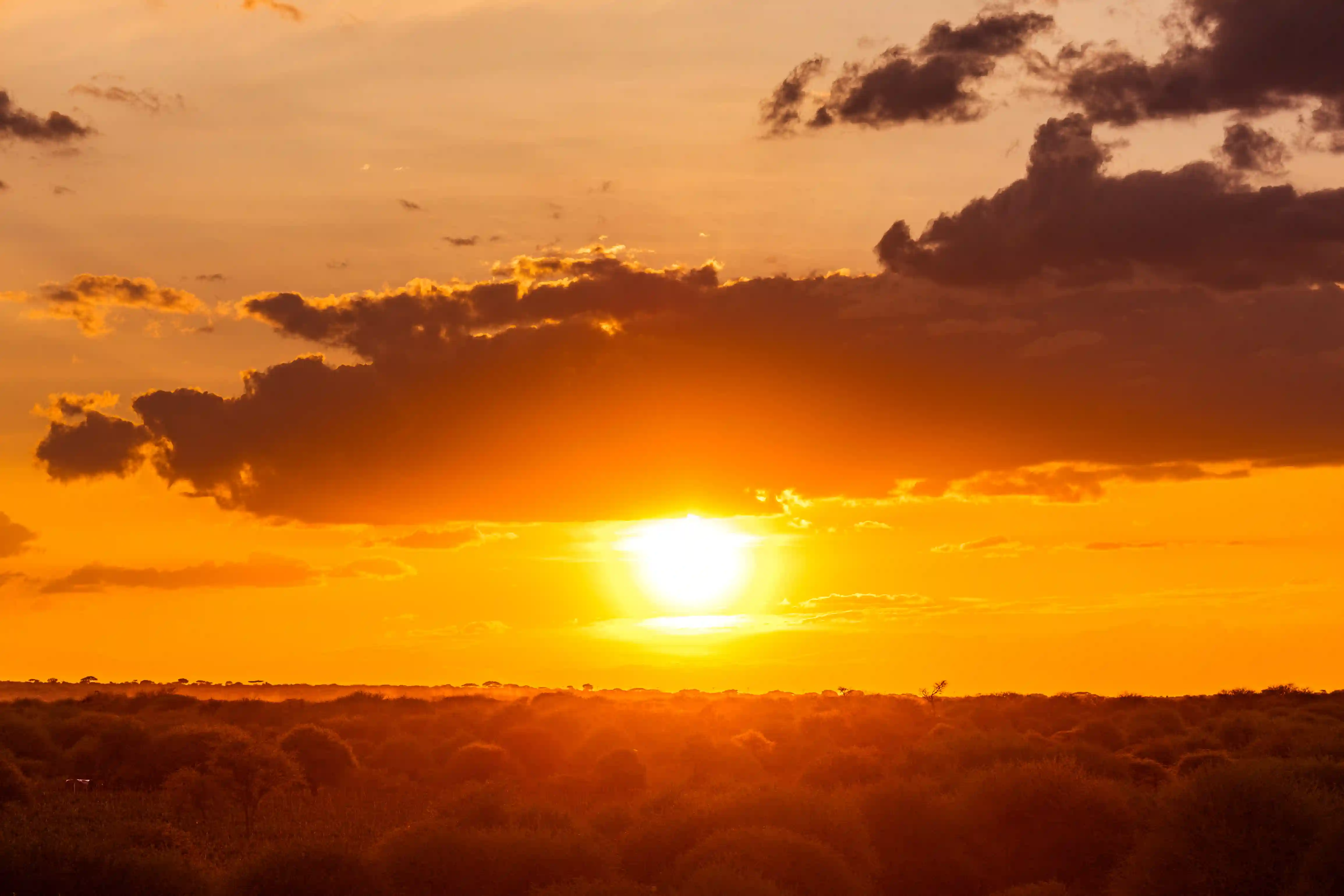
This means a single forecast for Moshi tells you very little about summit night.
You can begin in warm conditions, cross wet forest, walk through exposed alpine terrain and finish in severe cold.
Layering and equipment matter in every season.
15. How Altitude Changes the Meaning of “Best Time”
Good weather does not protect a climber from altitude illness. CDC’s Tanzania page specifically warns that Kilimanjaro’s high altitude may cause altitude sickness and advises travellers to discuss prevention and treatment with a doctor.
CDC’s high-altitude guidance explains that reduced oxygen pressure becomes the central physiological challenge at elevation.
This is why I never choose a shorter itinerary simply because the forecast looks good.
Route duration and acclimatisation strategy matter as much as month.
16. Crowds: When Popular Months Become Less Comfortable
Popular weather windows can create busy camps and trails on famous routes.
Some climbers enjoy the shared energy. Others find it stressful.
A longer or less crowded route can change the experience even within the same month.
Ask about route traffic honestly.
17. Full Moon Climbs: Beautiful but Not Automatically Better
A bright moon can make summit night visually special and reduce the psychological darkness of the climb.
It can also attract more bookings.
Cloud can hide the moon, so a full-moon date is never guaranteed magic.
I would not sacrifice a sensible route or acclimatisation plan simply to hit one lunar date.
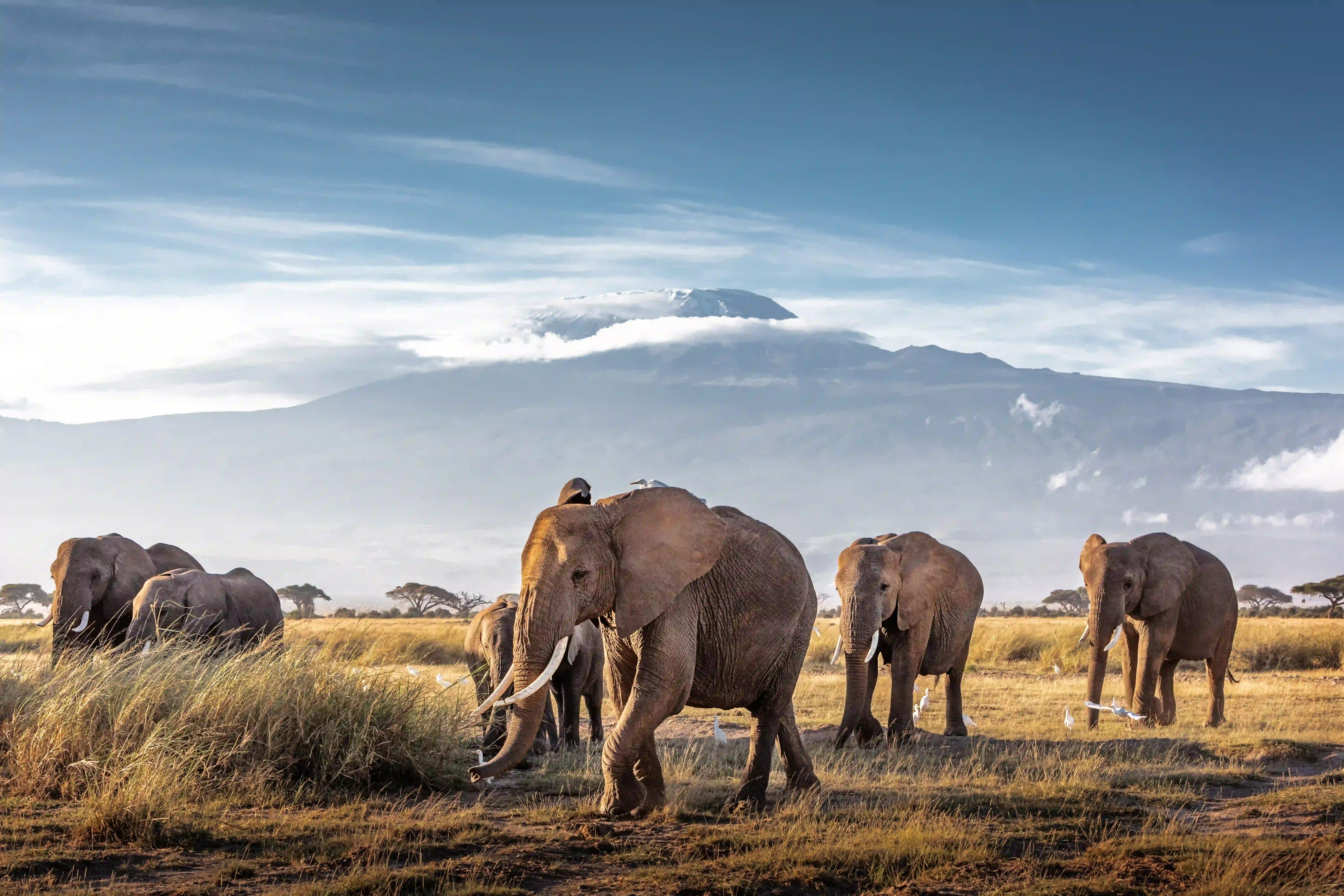
18. Best Time to Combine Kilimanjaro and Safari
19. Best Time to Combine Kilimanjaro and Zanzibar
January-February and June-October are strong broad combinations for many travellers.
The best island coast still depends on tides, activity preference and resort style.
A mountain climb should come before the beach for most travellers because the body is fresher.
Use Zanzibar as recovery, not another overloaded activity programme.
20. My Recommendation by Traveller Type
21. Common Timing Mistakes
22. My Final Date-Choosing Process
- 1Fix any immovable work or school dates.
- 2Choose broad dry/shoulder/rainy preference.
- 3Choose route length and acclimatisation strategy.
- 4Check crowd tolerance.
- 5Add safari or Zanzibar goals.
- 6Check current park and operator logistics.
- 7Book with buffer before international departure.
Frequently Asked Questions
Final Thoughts from Angel
The best time to climb Kilimanjaro is the period that gives you a sensible route, realistic weather expectations and enough time to acclimatise.
At Warriors of Africa Safari, we plan the climb as part of the whole Tanzania journey, including arrival, recovery, safari and Zanzibar where desired.
Tell us your dates, previous trekking experience, crowd preference and travel goals. That is how I would choose the right window.
A good month can help your comfort. A good plan protects the whole climb.
Angel’s final advice
Additional Timing Notes
Climbers should also think about daylight and daily rhythm rather than rain alone. A clear morning can become cloudy by afternoon, and guides may structure departures around route conditions rather than the traveller’s preferred wake-up time. Flexibility is part of mountain travel.
Pre-climb accommodation can influence timing quality. Arriving two nights early gives more space for luggage delays, gear checks, sleep and final briefing. This is especially useful in busy July, August and festive periods when replacing missing equipment at the last minute is harder.
Kilimanjaro Trekking
- Machame or Lemosho routing with acclimatization
- KPAP-compliant crew ratios and safety briefings
2 Comments
18 Jun, 2025
We booked the Northern Circuit through Arusha and every hand-off—from JRO to Serengeti airstrips—felt calm. Our guide's radio etiquette around cats was flawless.
19 Jun, 2025
Same experience on the Zanzibar extension—stone town pacing one day, reef silence the next. The Arusha ops team was on WhatsApp within minutes whenever we had a question.
2 Jul, 2025
Nyerere by boat at dusk—hippos, herons, and our guide explaining how Tanzania balances tourism with conservation quotas. Unforgettable.