
Fly-In Safari vs Road Safari in Tanzania: Angel’s Complete Guide
I’m Angel from Warriors of Africa Safari, and one of the questions I hear often is: “Should we do a fly-in safari or a road safari in Tanzania?” It is a very good question because the answer can change your whole experience. The difference is not only about transport. It affects your time, comfort, cost, route, luggage, guide style, and how much of Tanzania you see between destinations.
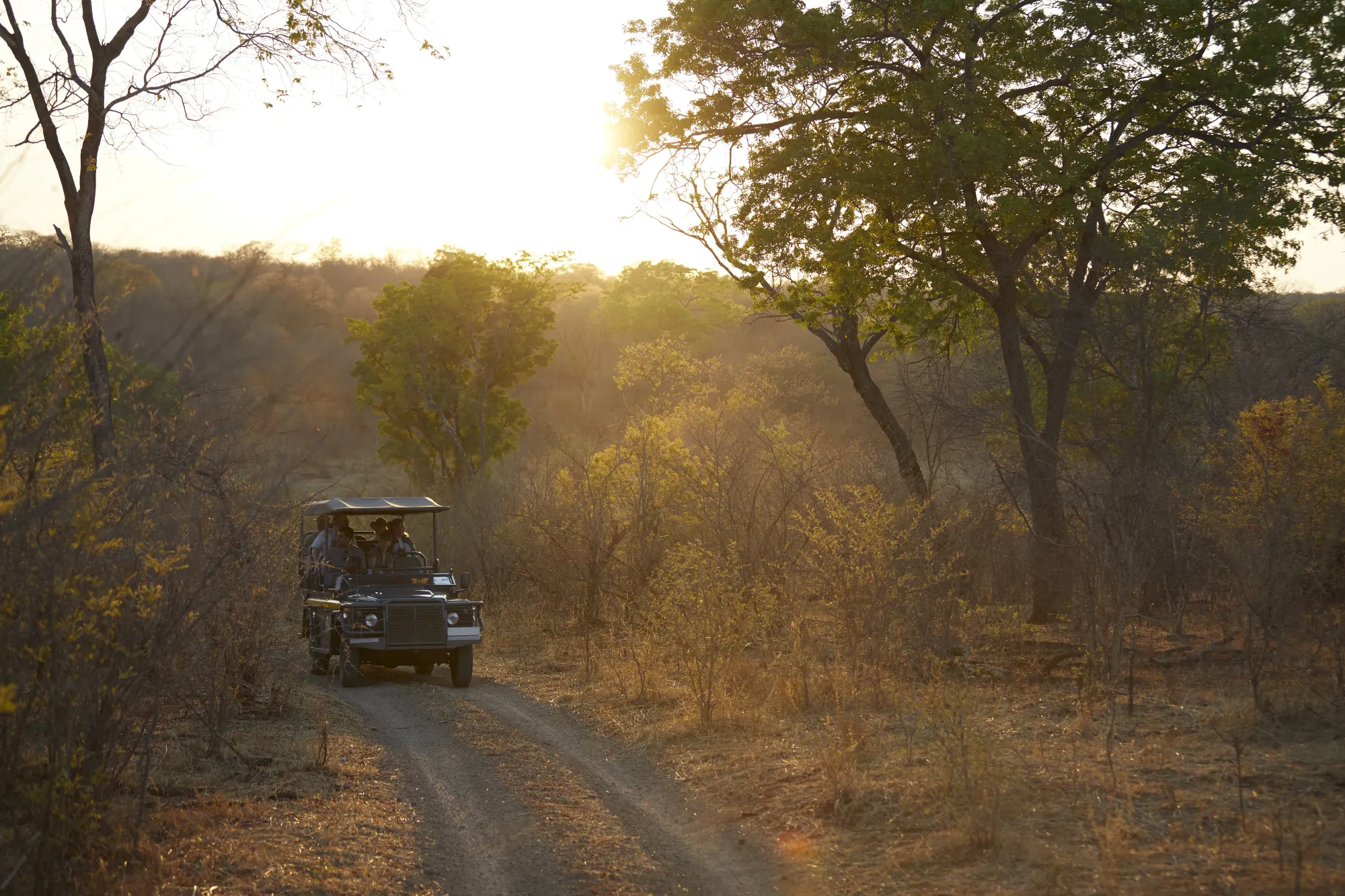
A road safari means travelling between parks by vehicle, usually with a professional guide. This is common on the northern circuit, especially when combining Arusha, Tarangire, Lake Manyara, Ngorongoro, and Serengeti. A fly-in safari means using light aircraft to connect safari regions, then continuing with camp-based game drives or private guiding on arrival.
SafariBookings explains that private safaris in Tanzania can be either road safaris or fly-in safaris. Source: https://www.safaribookings.com/tours/tanzania/private. This is important because both can be private, comfortable, and high quality, but they suit different travellers.
Do not choose flying only because it sounds luxury, and do not choose driving only because it sounds cheaper. Choose the style that fits your route, time, budget, and comfort.
Angel’s advice
Fly-In Safari vs Road Safari at a Glance
Quick Answer: Which Is Better?
Neither option is always better. A road safari is often better for travellers who want a full northern circuit experience, closer contact with changing landscapes, one main guide throughout the trip, and better value. A fly-in safari is often better for travellers who want to save time, reduce long drives, visit remote parks, or combine safari with Zanzibar more smoothly.
If you have 5 to 7 days and want Tarangire, Ngorongoro, and Serengeti, a road safari or road-and-fly combination can work beautifully. If you have limited time but want Serengeti or southern Tanzania, flying may be worth the extra cost. If you want Ruaha, Nyerere, or a remote luxury safari, flying is often the most practical choice.
The best answer depends on your travel personality. Some guests enjoy the journey. Others want to arrive quickly and spend more time in camp or on game drives.
1. What Is a Road Safari in Tanzania?
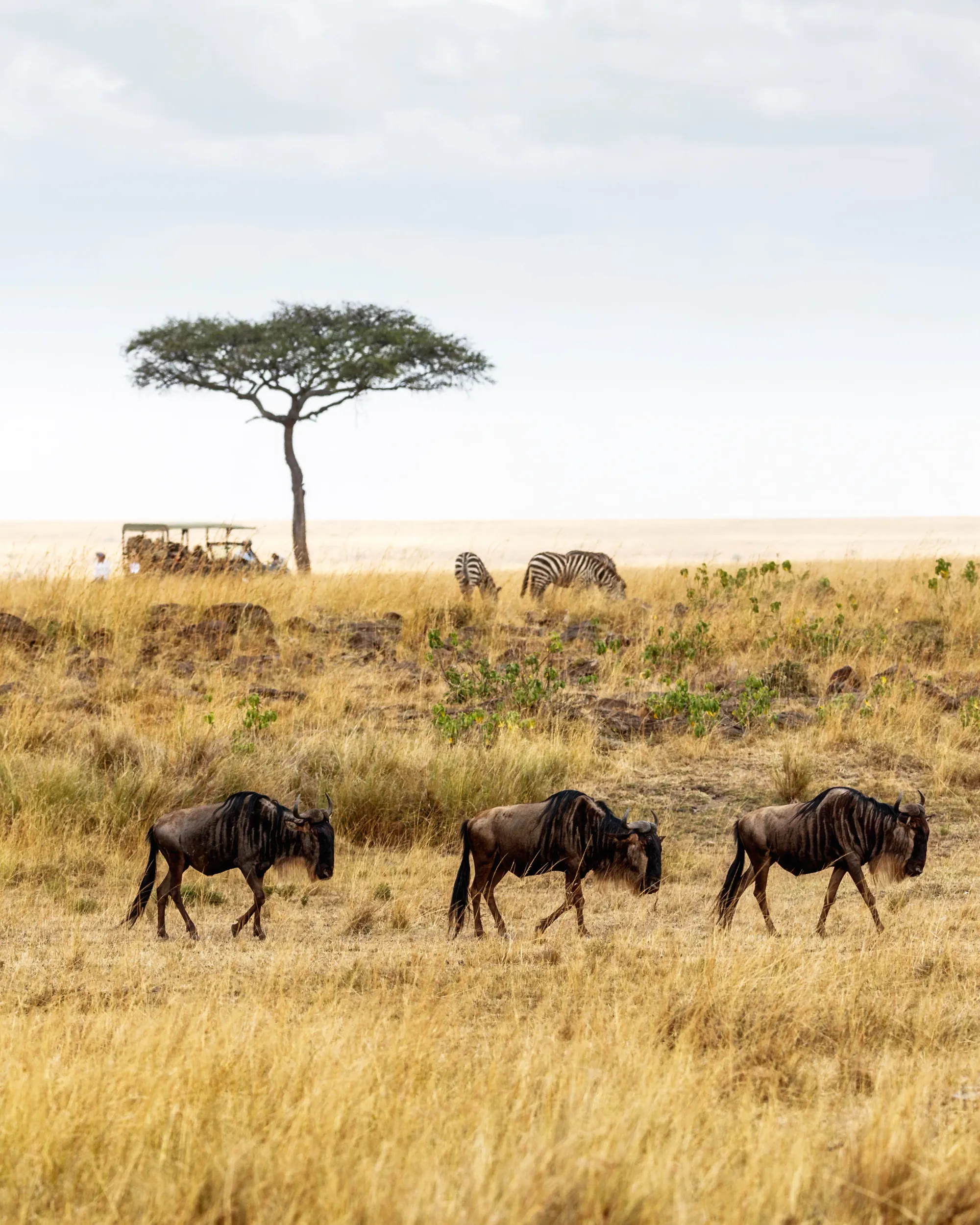
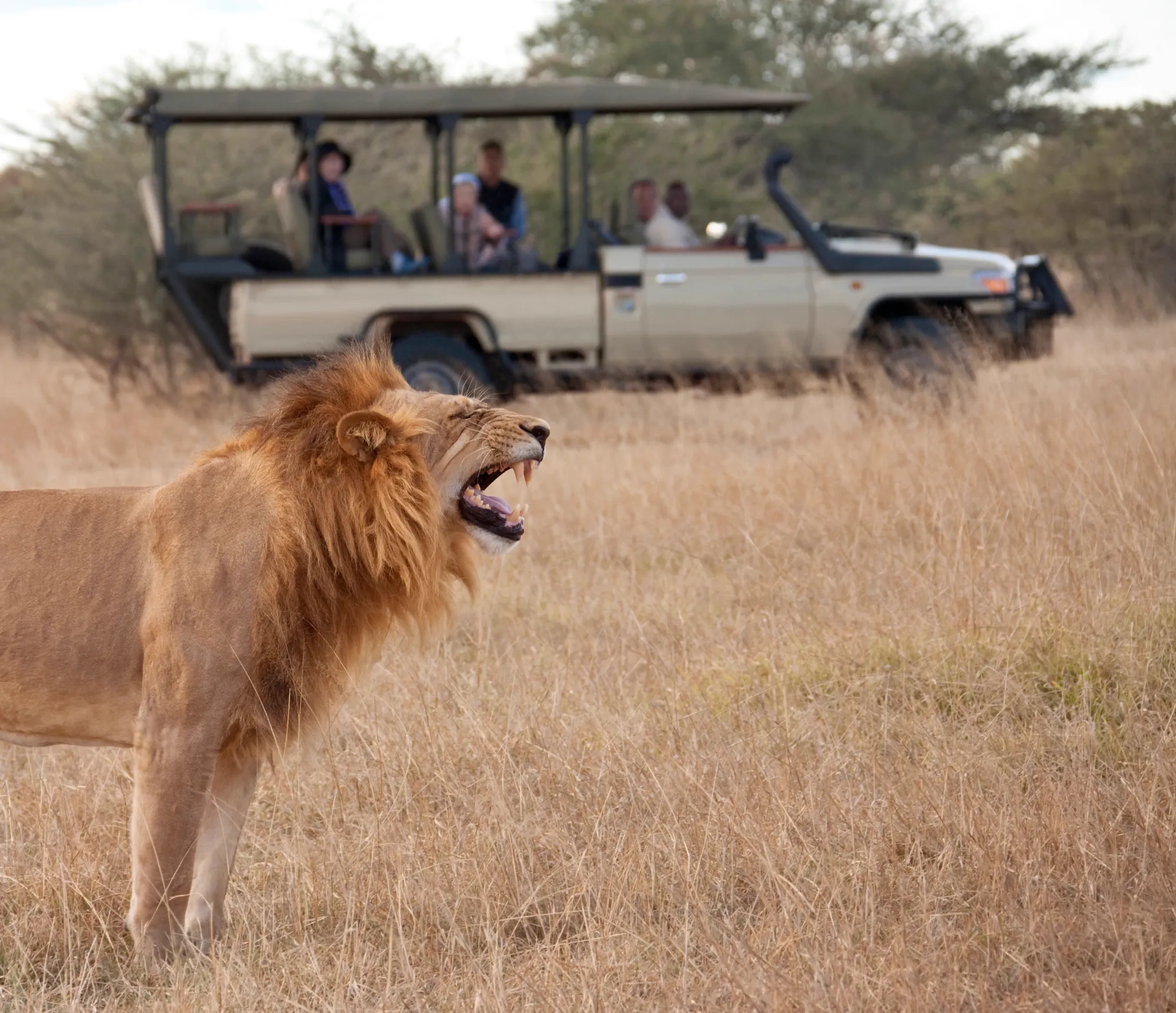
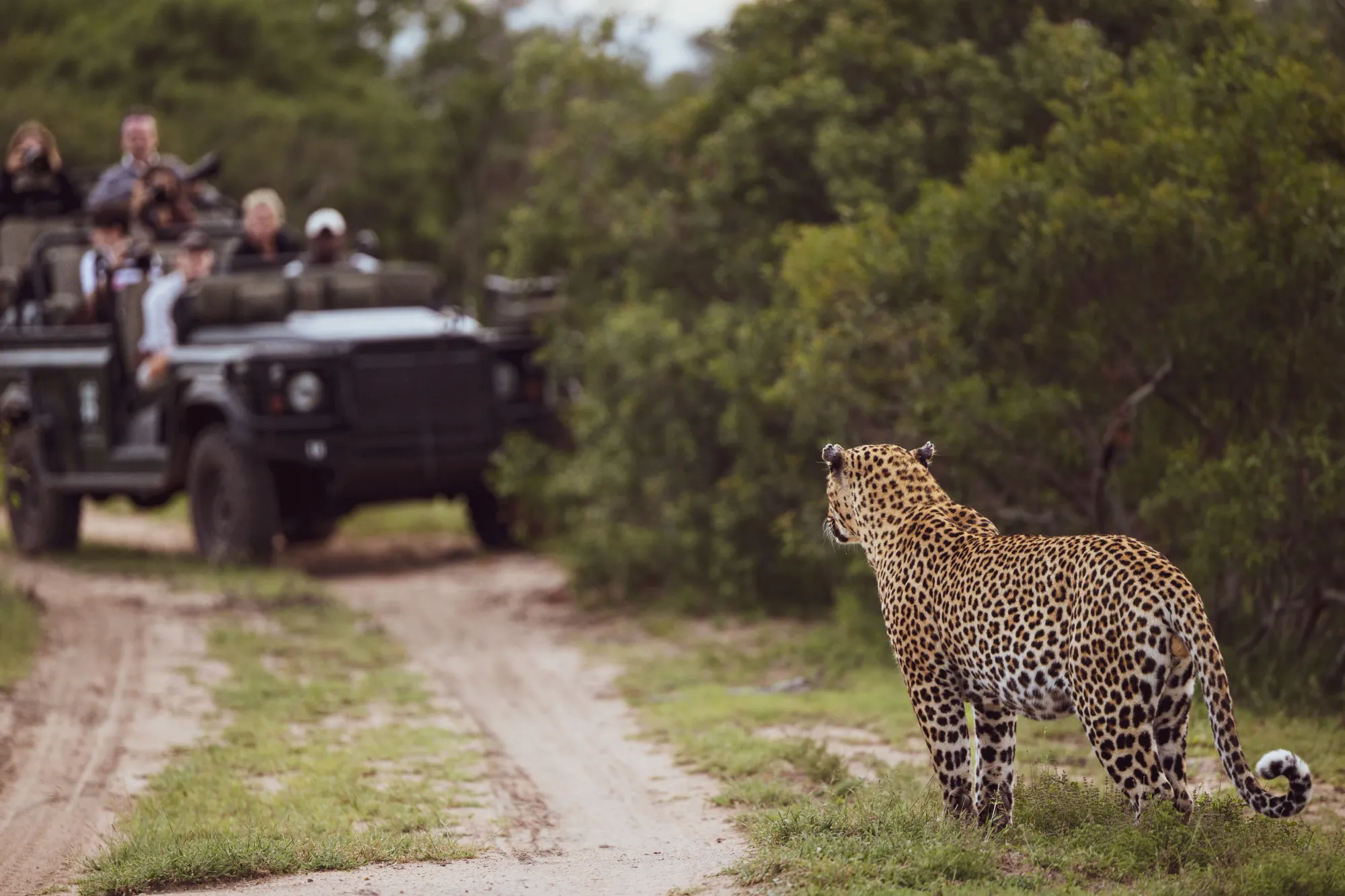
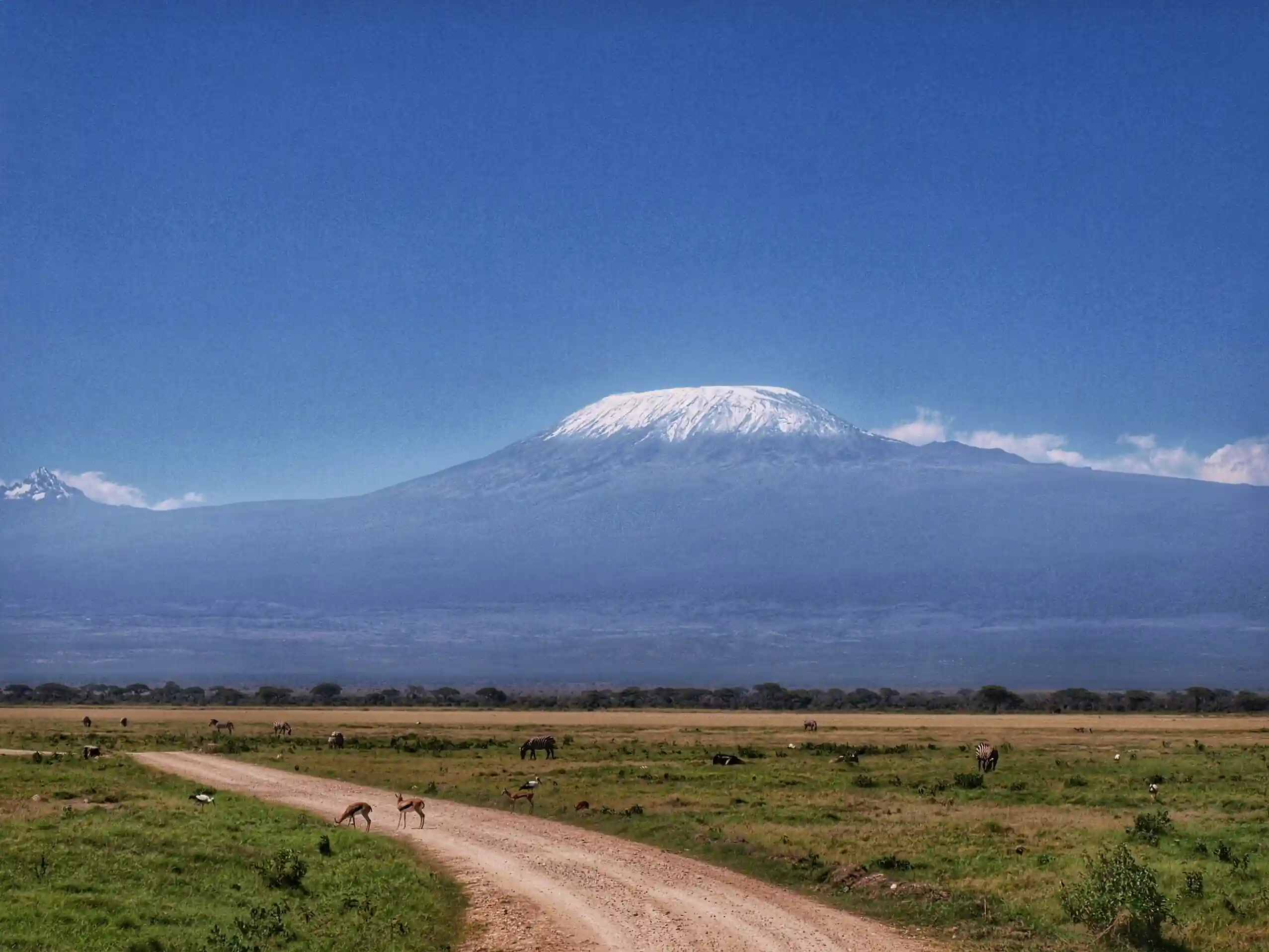
A road safari is a safari where your main movement between destinations is by vehicle. In Tanzania, this is especially common on the northern circuit. You may begin in Arusha, drive to Tarangire, continue to Lake Manyara or Karatu, visit Ngorongoro Crater, and then drive into Serengeti. Your guide often stays with you for most or all of the route.
The advantage is continuity. Your guide becomes part of the experience. They learn your interests, your photography style, your pace, and your comfort needs. You also see the country between parks: towns, farms, local markets, highlands, and changing landscapes. For many travellers, this adds cultural depth.
Road safaris can also offer strong value because you avoid multiple internal flights. They are especially suitable for families, group trips, first-time safari guests, and travellers who like scenic journeys. However, some drives can be long. Arusha to Serengeti can take many hours depending on route and stops. This is why pacing is important.
A road safari should not be packed too tightly. A comfortable route needs enough nights, realistic drive times, and well-placed lodges.
2. What Is a Fly-In Safari in Tanzania?
A fly-in safari uses light aircraft flights to move between safari areas. Guests usually fly from Arusha, Kilimanjaro, Dar es Salaam, or Zanzibar to airstrips near national parks and camps. From the airstrip, the lodge or camp transfers guests and provides game drives.
Fly-in safaris are popular for guests who have limited time, want comfort, or are visiting remote areas. Flying can make Serengeti, Ruaha, Nyerere, Mafia Island, Pemba, and Zanzibar combinations much smoother. Instead of spending a full day on the road, guests may reach a camp faster and have more time for wildlife viewing or rest.
Freedom Destinations describes a Serengeti fly-in safari as using scenic flight transfers and allowing a short three-day Serengeti experience with camp choices. Source: https://freedomdestinations.co.uk/africa/tanzania/safaris/serengeti-fly-in-safari. This shows the main appeal: time efficiency.
Fly-in safaris usually cost more. Luggage limits are also stricter, especially on small aircraft. Soft-sided bags are normally preferred. Guests who travel with large suitcases or heavy camera equipment should plan carefully.
3. Cost Comparison: Fly-In Safari vs Road Safari
Cost is one of the biggest differences. Road safaris are usually more affordable because one vehicle and guide can carry the trip through several destinations. Fly-in safaris add aircraft costs, airstrip transfers, and often higher-end camp arrangements.
SafariBookings notes that safari cost depends on many factors, including accommodation, transport, park fees, season, and whether the trip is private or shared. Source: https://www.safaribookings.com/tanzania-safari-costs. This is why two safaris with the same number of days can have very different prices.
Road safari does not mean low quality. A private road safari can still be luxury if it uses an excellent guide, comfortable vehicle, premium lodges, and a well-paced route. Fly-in safari does not automatically mean better wildlife. It means faster movement and often more remote access.
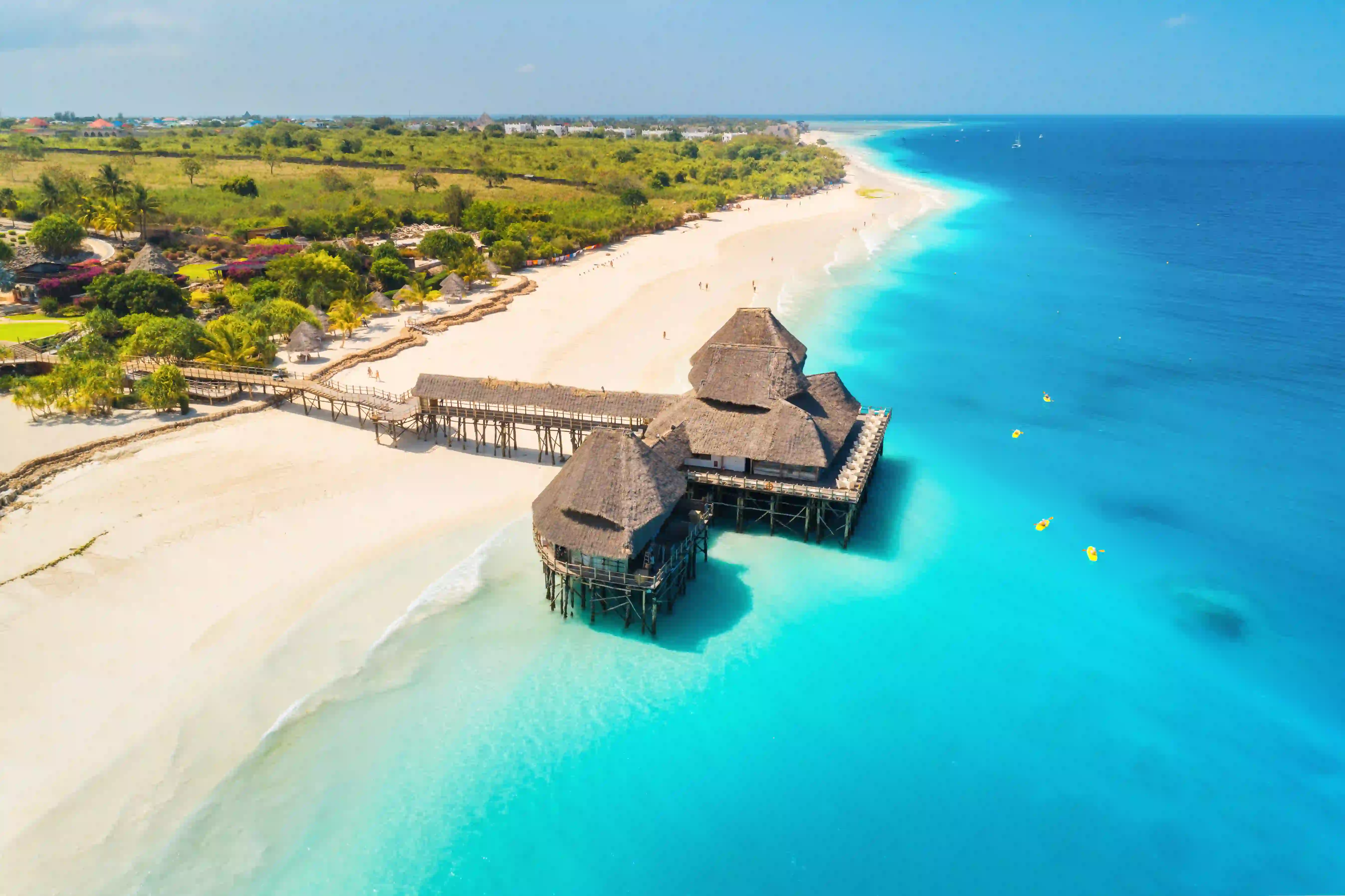
For many travellers, the best solution is a combination: drive the scenic northern circuit, then fly from Serengeti to Zanzibar or Arusha. This saves time at the end while still allowing the cultural and landscape value of road travel.
4. Comfort and Travel Time
Comfort depends on how the route is built. A road safari can be very comfortable if drives are realistic, the vehicle is good, and the itinerary avoids too many one-night stays. It can become tiring if the route is too ambitious. A fly-in safari can feel effortless, but it still includes airstrip transfers, waiting time, and luggage rules.
For senior travellers or guests who dislike long drives, flying can be a strong choice. For families with young children, the answer depends on the children. Some families prefer private road safaris because they can stop when needed and keep one guide throughout. Others prefer flying to reduce long travel days.
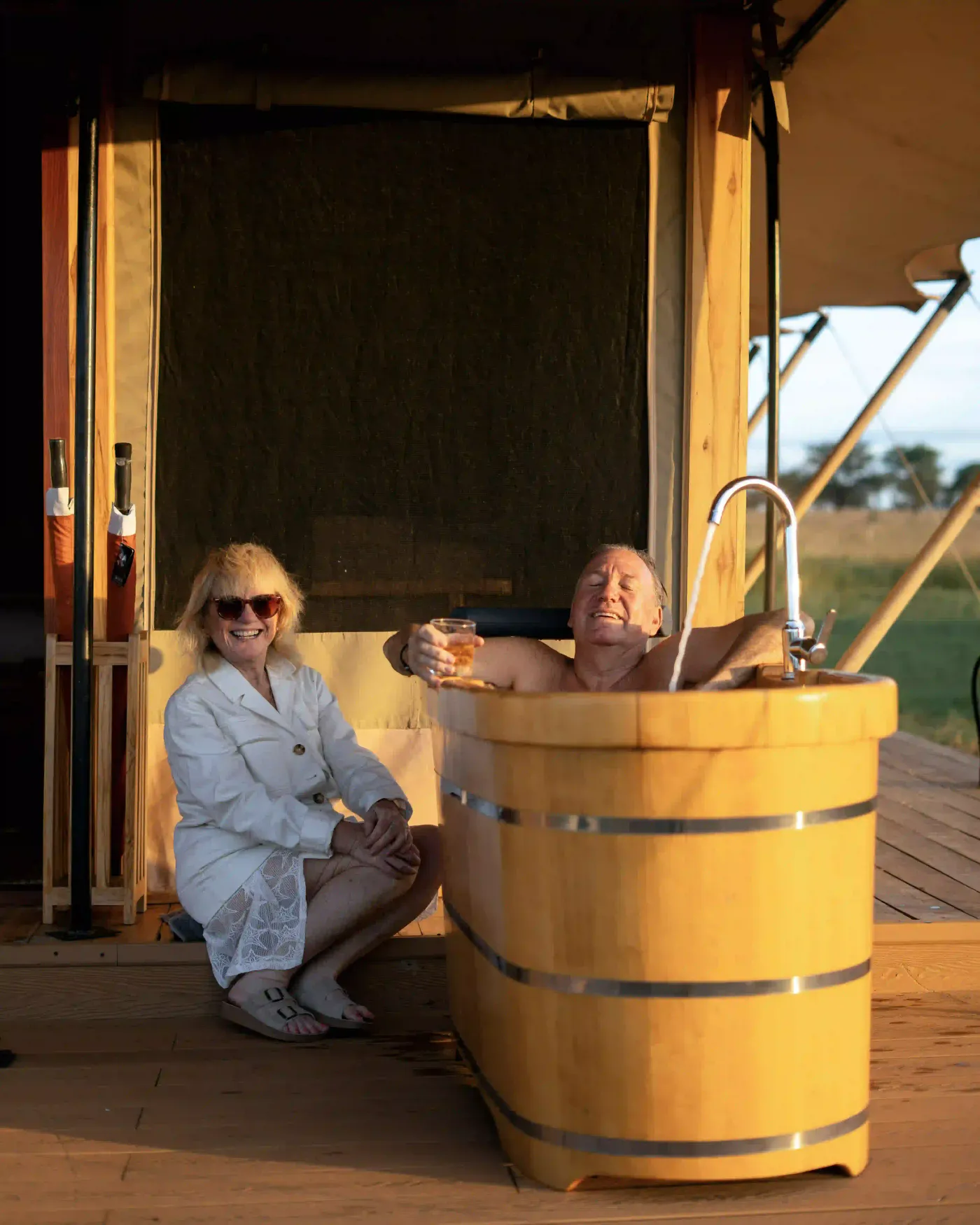
For honeymooners, fly-in safaris can feel elegant and smooth, especially when combined with Zanzibar. For photographers, road safaris offer flexibility with a private vehicle, while fly-in safaris can place them close to specific wildlife regions.
A comfortable safari is not only about the vehicle or aircraft. It is about the rhythm of the itinerary.
Angel’s advice
5. Wildlife Experience: Does Flying Improve Sightings?
Flying does not directly improve wildlife sightings. What improves sightings is being in the right region, with enough time, a good guide, and realistic expectations. Flying can help because it saves transfer time and places you closer to remote areas. But once you arrive, the quality of game drives depends on guiding, location, and season.
In Serengeti, flying can help you reach the northern or southern areas without long overland travel. In Ruaha and Nyerere, flying often makes the journey much easier because these parks are far from the northern circuit. In Tarangire and Ngorongoro, road travel usually makes more sense because the parks connect well by vehicle.
The best wildlife experience is not always the fastest route. Sometimes driving gives you more time to understand landscapes. Sometimes flying gives you more time inside the park. Good planning chooses the option that protects the experience.
6. Best Routes for Road Safaris
The classic northern Tanzania safari is ideal for road travel. A good route might begin in Arusha, continue to Tarangire, move toward Lake Manyara or Karatu, visit Ngorongoro Crater, and then continue to Serengeti. This works well because the destinations connect naturally.
A shorter road safari may include Arusha, Tarangire, and Ngorongoro. A longer road safari can include central Serengeti or even northern Serengeti depending on time. For 10 to 14 days, road travel can feel rich and varied if the pacing is good.
Road safaris are also excellent for group trips. Students, friends, families, and budget-conscious travellers often appreciate the value and shared adventure. For Warriors of Africa Safari, this fits the brand’s mission of combining luxury and group travel with safety and care.
7. Best Routes for Fly-In Safaris
Fly-in safaris are excellent for Serengeti-focused trips, southern Tanzania, remote luxury, and safari-beach combinations. A guest may fly from Arusha to Serengeti, stay in a seasonal camp, then fly to Zanzibar. Another guest may fly from Dar es Salaam to Nyerere or Ruaha for a remote southern circuit safari.
Nyerere is especially attractive for fly-in travel because it offers boat safaris, river scenery, and a different feeling from the northern circuit. Ruaha is excellent for travellers who want baobabs, elephants, lions, and fewer crowds. Combining these destinations by road is not practical for many travellers, so flying becomes part of the luxury.
A fly-in safari can also work for honeymooners because it reduces long transfers and creates a smoother flow from wilderness to beach.
8. Which Safari Style Suits You?
The right choice depends on budget, time, comfort, destination, and travel style. First-time safari guests with 7 to 10 days often do well with a road safari or mixed safari on the northern circuit. Luxury honeymooners with limited time may prefer flying. Repeat Africa travellers may enjoy fly-in southern Tanzania or remote Serengeti camps. Families may choose private road safaris for flexibility, unless the children struggle with long drives.
There is no single best choice. The best safari is the one that feels smooth for your body, your budget, and your dream.
Free 30-minute call with our trip designer
Schedule a free call with Amina Hassan to get honest advice on lodges, routes, and the best season for your dates.
Book a Free CallSenior Trip Designer · Based in Arusha
Mistakes to Avoid
The biggest mistake is underestimating drive times. Tanzania looks simple on a map, but roads, park gates, wildlife stops, and scenic pauses all affect timing. The second mistake is choosing too many flights without understanding luggage limits. The third mistake is assuming a fly-in safari removes all travel fatigue.
Another common mistake is mixing road and fly-in travel poorly. A good combination should save time and improve the route, not add confusion. For example, driving from Arusha through Tarangire and Ngorongoro, then flying out of Serengeti to Zanzibar, can work very well. Flying into one region and then driving backward unnecessarily may not.
The best transport style is the one you barely notice because the journey flows naturally.
Angel’s advice
Angel’s Final Advice
A strong safari is not built from one decision. It is built from many good small decisions: the right season, the right route, the right guide, the right lodge, and the right pace.
Angel, Warriors of Africa Safari
Tell me your travel dates, travel style, group size, and dream experience, and Warriors of Africa Safari will help you design a safe, smooth, and memorable East Africa journey.
FAQs
Honeymoon Safari Tanzania
- Private guide & vehicle for two
- Romantic bush dinners & sundowners
Additional Planning Depth
Road + Fly Safari: Often the Best of Both Worlds
Many of my favourite Tanzania itineraries use both road and flight connections. This style gives travellers the cultural and scenic value of a road safari while still saving time where long drives would become tiring. A common example is to drive from Arusha to Tarangire, continue to Ngorongoro, enter Serengeti by road, and then fly from Serengeti to Zanzibar or Arusha at the end.
This works well because the first part of the route has natural road connections. You see the landscape changing from Arusha to Tarangire, the highlands near Karatu, and the descent toward Ngorongoro. Then, instead of driving all the way back after Serengeti, you fly out and protect your energy.
A road + fly safari is especially strong for honeymooners, families, and luxury travellers with 8 to 12 days. It keeps the safari rich without making the final days feel heavy. It also gives guests a sense of Tanzania beyond the parks while still respecting comfort.
If you are unsure, do not think road or fly. Think road where the journey adds value, and fly where the journey only steals time.
Angel’s advice
Luggage Rules and Practical Flight Tips
Fly-in safaris often use small aircraft, so luggage rules are more strict than international flights. Soft-sided bags are usually preferred because they fit more easily into small aircraft holds. Hard suitcases can be difficult and may be refused or create problems. Weight limits vary by airline and route, so guests should confirm them before travel.
For safari clothing, this usually works fine because you do not need heavy fashion items in the bush. Neutral clothing, light layers, warm morning wear, toiletries, camera equipment, and documents are enough for most travellers. If you are combining safari with Zanzibar, packing light still helps. Laundry may be available at some camps, but it can depend on lodge policy and weather.
Photographers should pay special attention. Camera equipment can be heavy, and small-plane limits may affect what you carry. Always tell the safari planner if you are travelling with large lenses, drones, tripods, or professional equipment. Drone rules are sensitive and should not be assumed.
Road safaris are more flexible with luggage, but that does not mean you should overpack. Vehicles need space for passengers, cool boxes, and comfort. A lighter bag makes every transfer easier.
How to Decide: Angel’s Step-by-Step Method
When I help travellers choose between fly-in and road safari, I ask five questions. First, how many days do you have? If time is short, flying may protect the experience. Second, which parks do you want? Northern circuit parks often connect well by road, while southern and remote parks often need flights. Third, what is your budget? Flying usually increases cost.
Fourth, how do you feel about long drives? Some travellers enjoy them. Others become tired quickly. Fifth, what is the purpose of the trip? Honeymooners may value smooth travel, families may value flexibility, photographers may value location, and groups may value budget.
Once these questions are clear, the answer becomes easier. The transport style should support the safari, not dominate it. A good safari should feel natural from arrival to departure.
Example Transport Choices by Trip Length
For a 5-day safari, a road safari usually works well if you focus on Tarangire, Ngorongoro, and possibly Lake Manyara. For a 7-day safari including Serengeti, a road safari can still work, but guests should be comfortable with longer drives. For a 10-day safari, a road + fly combination is often excellent. For 12 to 14 days, you can choose either a deeper northern circuit or a fly-in southern safari.
For a safari and Zanzibar trip, flying from Serengeti or Arusha to Zanzibar often makes the journey smoother. For Ruaha or Nyerere, flying is usually the more practical choice. For Mikumi from Dar es Salaam, road travel can work well because the park is more accessible.
These examples are not fixed rules, but they show the planning logic. The best safari transport choice depends on the relationship between distance, time, comfort, and budget.
2 Comments
18 Jun, 2025
We booked the Northern Circuit through Arusha and every hand-off—from JRO to Serengeti airstrips—felt calm. Our guide's radio etiquette around cats was flawless.
19 Jun, 2025
Same experience on the Zanzibar extension—stone town pacing one day, reef silence the next. The Arusha ops team was on WhatsApp within minutes whenever we had a question.
2 Jul, 2025
Nyerere by boat at dusk—hippos, herons, and our guide explaining how Tanzania balances tourism with conservation quotas. Unforgettable.