Green Season Safari in Tanzania: Is It Worth It? Angel’s Complete Guide
Many travellers hear the words “green season” and immediately think it means bad safari. I understand why. Nobody wants to spend money on a dream trip and then worry about rain, muddy roads, or missed wildlife. But the truth is more balanced: a green season safari in Tanzania can be beautiful, rewarding, and excellent value when it is planned properly.
The green season usually refers to the wetter months when the landscapes become fresh, grass grows, birds are active, skies become dramatic, and visitor numbers can be lower. In Tanzania, this includes the short rains around November and December and the longer rains around March to May. Conditions vary by region, and not every month feels the same.
In this guide, I will explain what green season really means, when it works, when it needs caution, which parks are best, and who should consider it. I will also be honest about the disadvantages. A green season safari is not perfect for every traveller, but for the right person it can feel private, colourful, and deeply memorable.
Green season is not a bad safari season. It is a different safari season. The secret is matching the month, park, and traveller correctly.
Angel’s advice
Quick Answer: Is Green Season Safari in Tanzania Worth It?
- Is green season worth it?Yes, for travellers who want scenery, birdlife, fewer crowds, photography, and possible better value.
- Best green season months?November, December, January, February, and selected parts of March can be very rewarding.
- Most difficult months?April and May need the most careful planning because of the long rains.
- Best parks?Serengeti, Ngorongoro, Lake Manyara, Tarangire, and Arusha National Park can work well with planning.
- Best for?Photographers, honeymooners, repeat safari guests, birdwatchers, flexible luxury travellers.
- Not ideal for?Travellers who want the driest roads, easiest wildlife visibility, and the most predictable first safari.
What Is Green Season in Tanzania?
Green season is the period when rains refresh the landscape. In Tanzania, weather patterns vary, but travellers often think of two rainy periods: the short rains around November to December and the long rains around March to May. SafariBookings notes that Serengeti has a dry season from June to October and wet season periods that include short rains from November to December and long rains from March to May.
Green season does not mean it rains all day every day. Some days may have short showers, dramatic afternoon clouds, or clear mornings followed by rain later. Other days can be dry and beautiful. The challenge is that weather is less predictable, and some remote roads or camps may be affected.
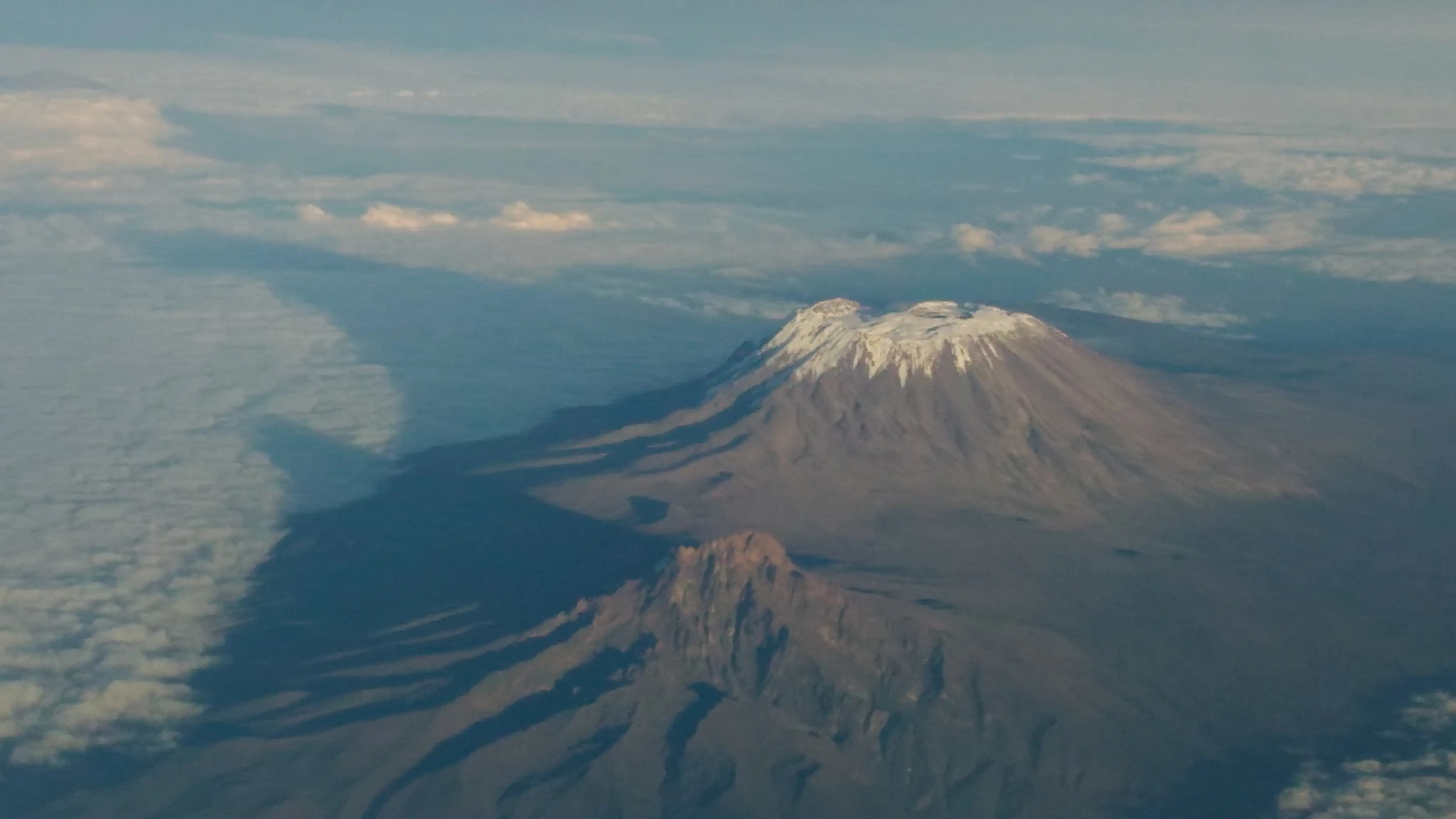
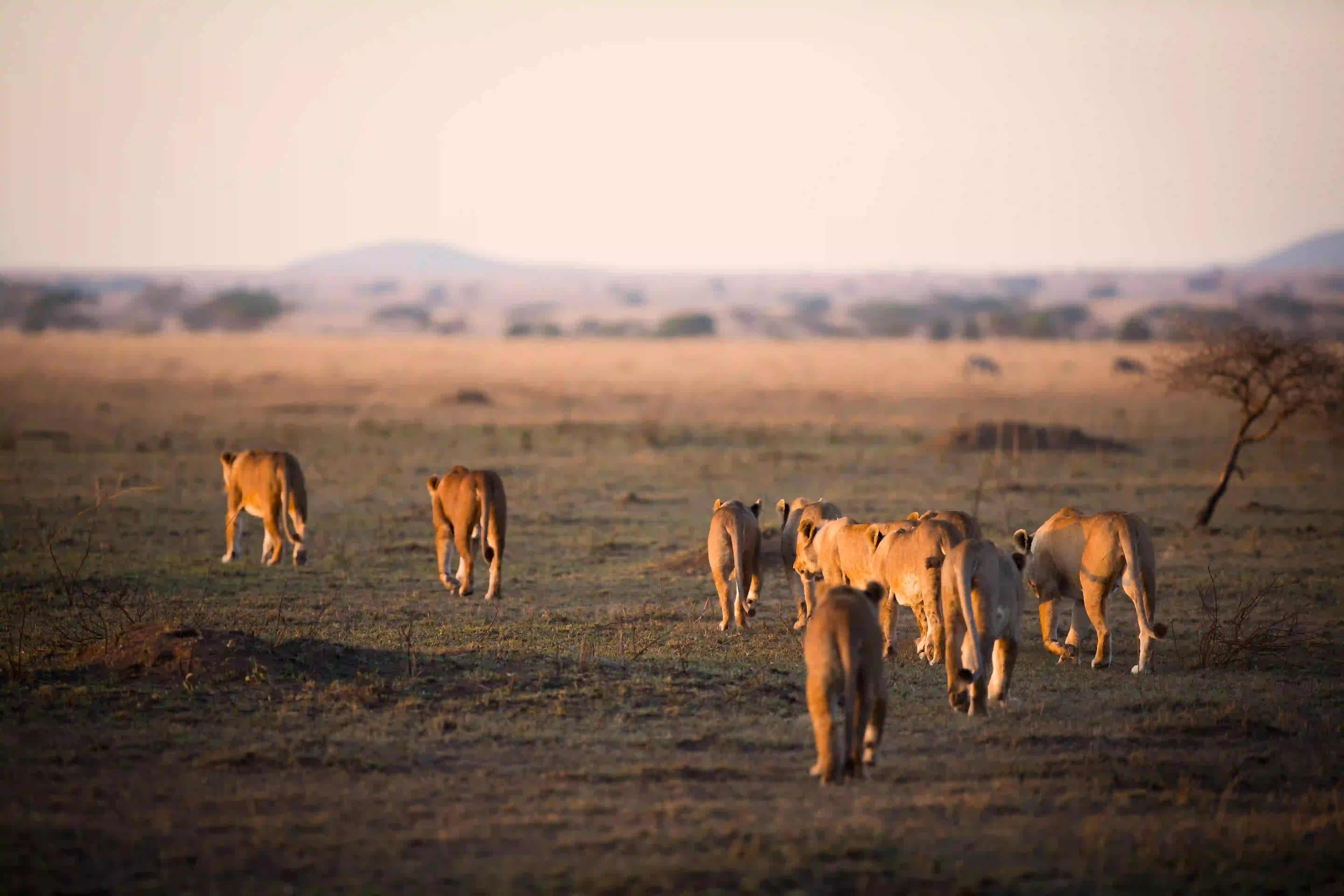
The reward is atmosphere. The dry golden landscapes turn green. Dust settles. Calves, birds, flowers, and dramatic skies bring life to the scenery. For photographers, this can be one of the most interesting times of year because the light, clouds, and colour can be exceptional.
Green season also changes the feeling of safari. There may be fewer vehicles in popular areas, lodges can feel calmer, and the landscape can feel more intimate. For luxury travellers who value privacy, this can be a major advantage.
Pros of a Green Season Safari
The first advantage is beauty. Tanzania can look completely different in green season. Grass is fresh, trees are alive, and the sky often has strong cloud formations. This creates soft, dramatic, and colourful safari photography. If you have only seen dry-season images, green season may surprise you.
The second advantage is fewer crowds. While popular areas can still have visitors, the overall feeling may be calmer than peak months such as July and August. SafariBookings notes that November can be a good month for Tanzania’s northern circuit with some rain and relatively low visitor numbers.
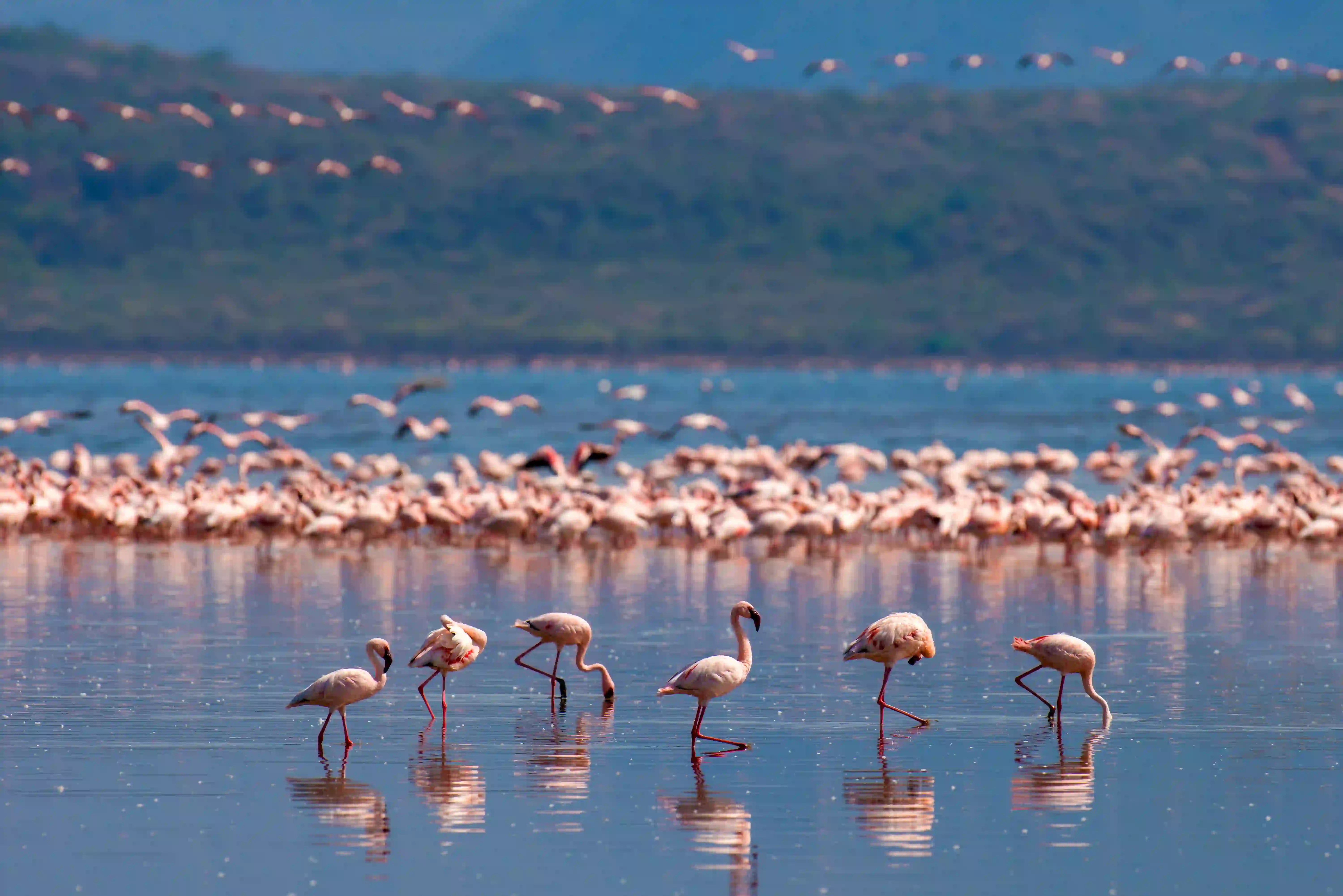
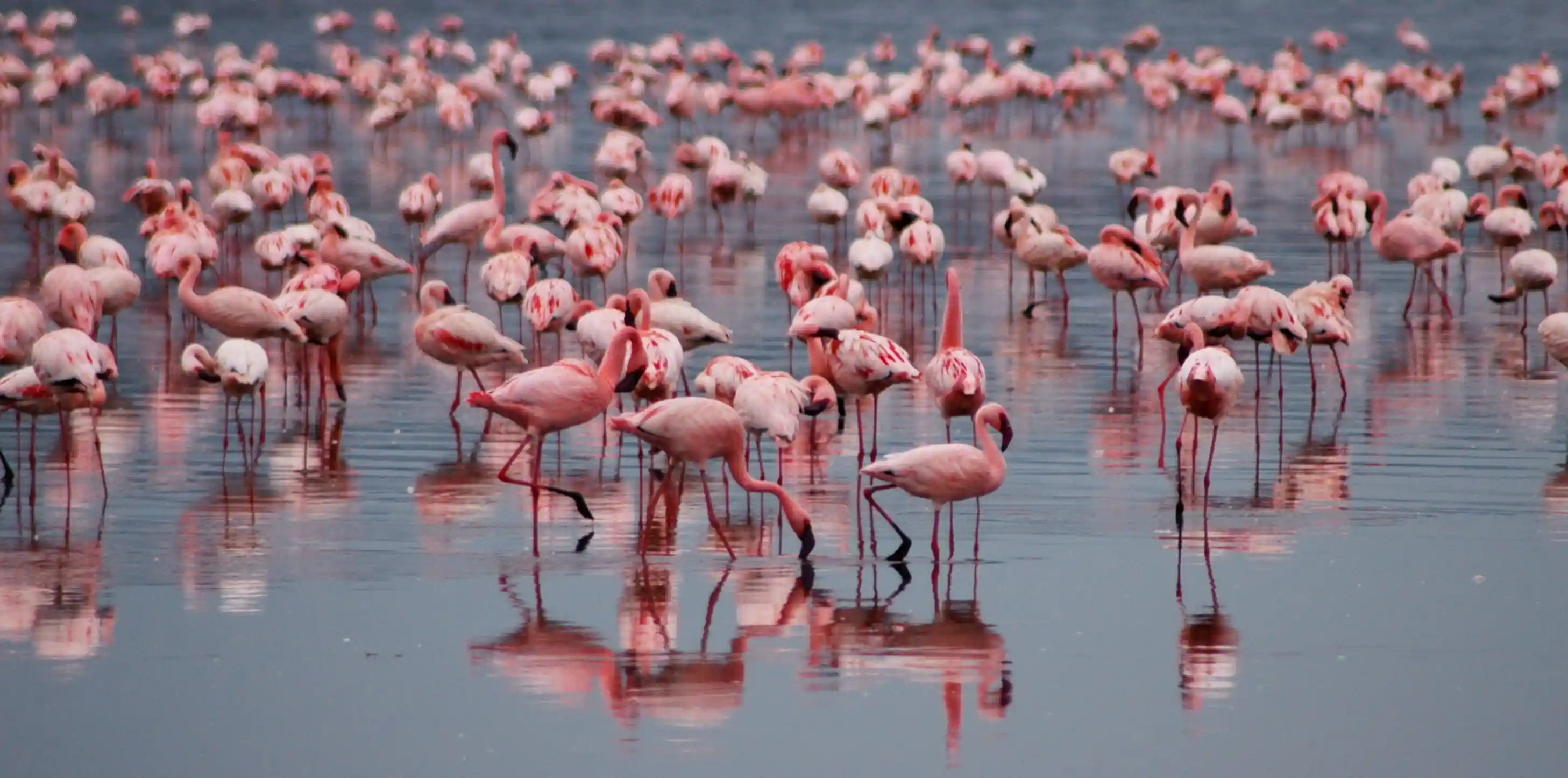
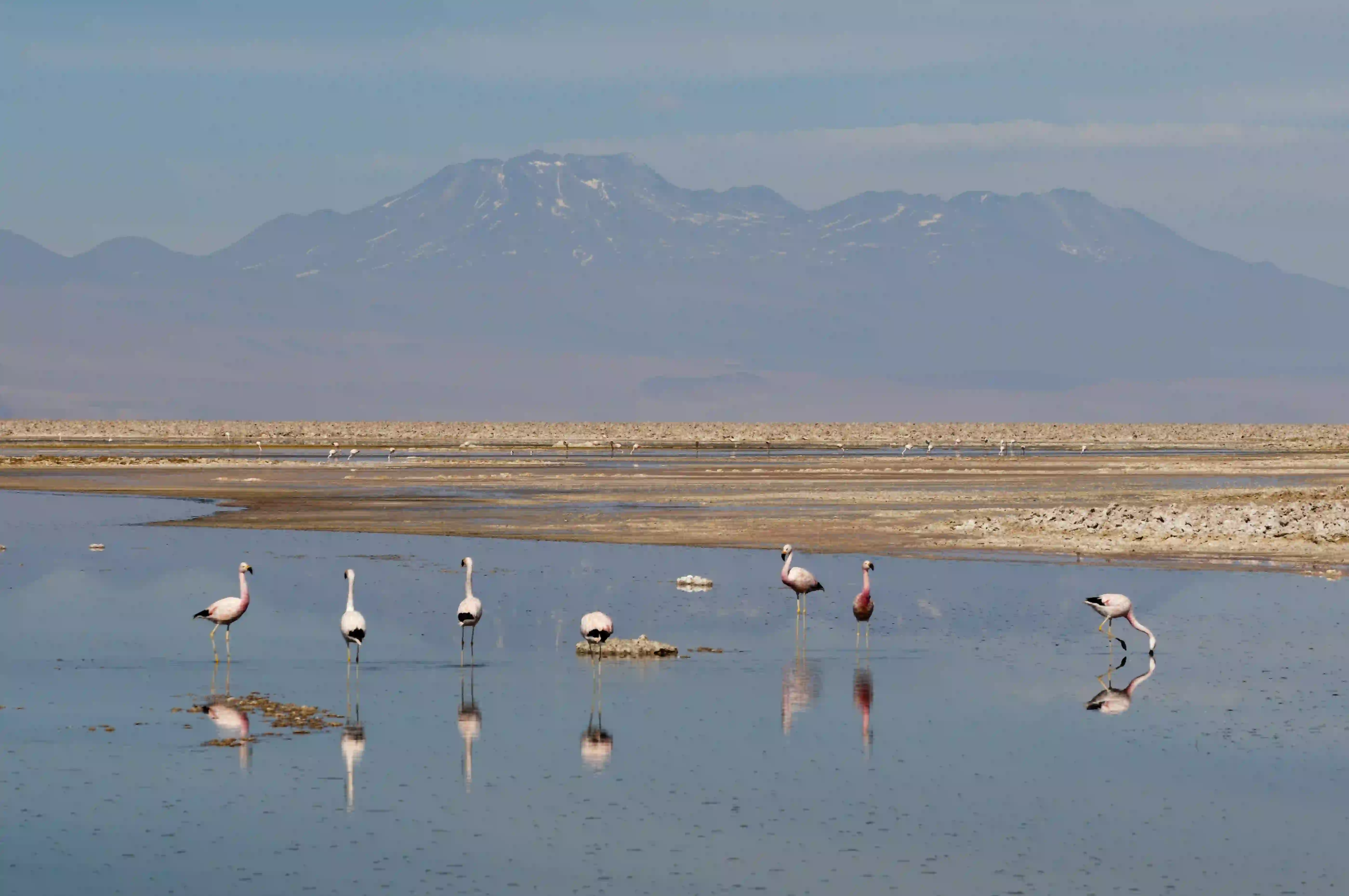
The third advantage is birdlife. Migratory birds are present in many areas, and resident birds can be more colourful in breeding plumage. Lake Manyara, Tarangire, Arusha National Park, Nyerere, and wetland areas can be very rewarding for birdwatchers.
The fourth advantage is value. Some camps and lodges may offer lower rates in selected green season periods, although this varies by property and route. This can allow travellers to access better accommodation for less than peak season pricing.
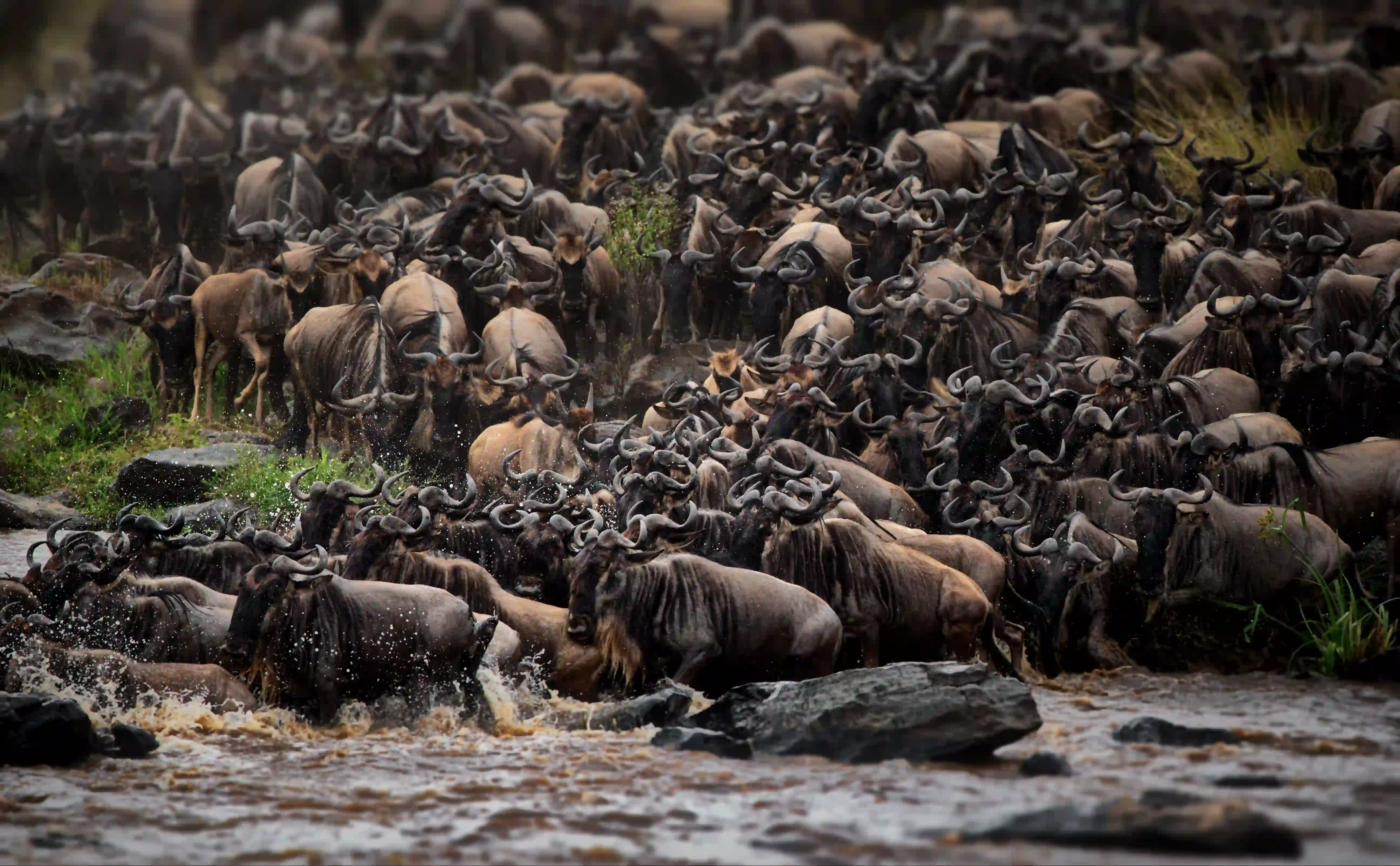
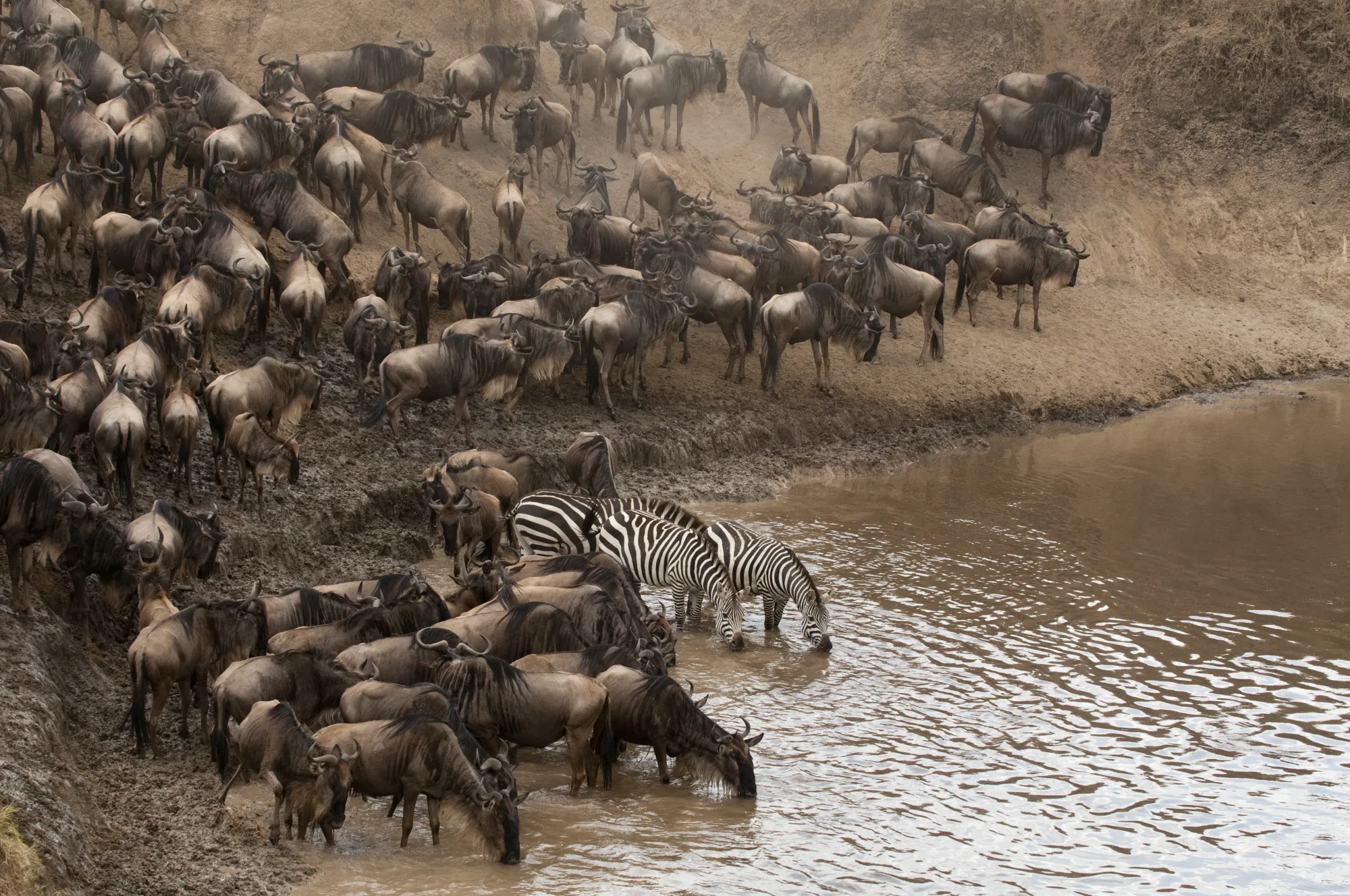
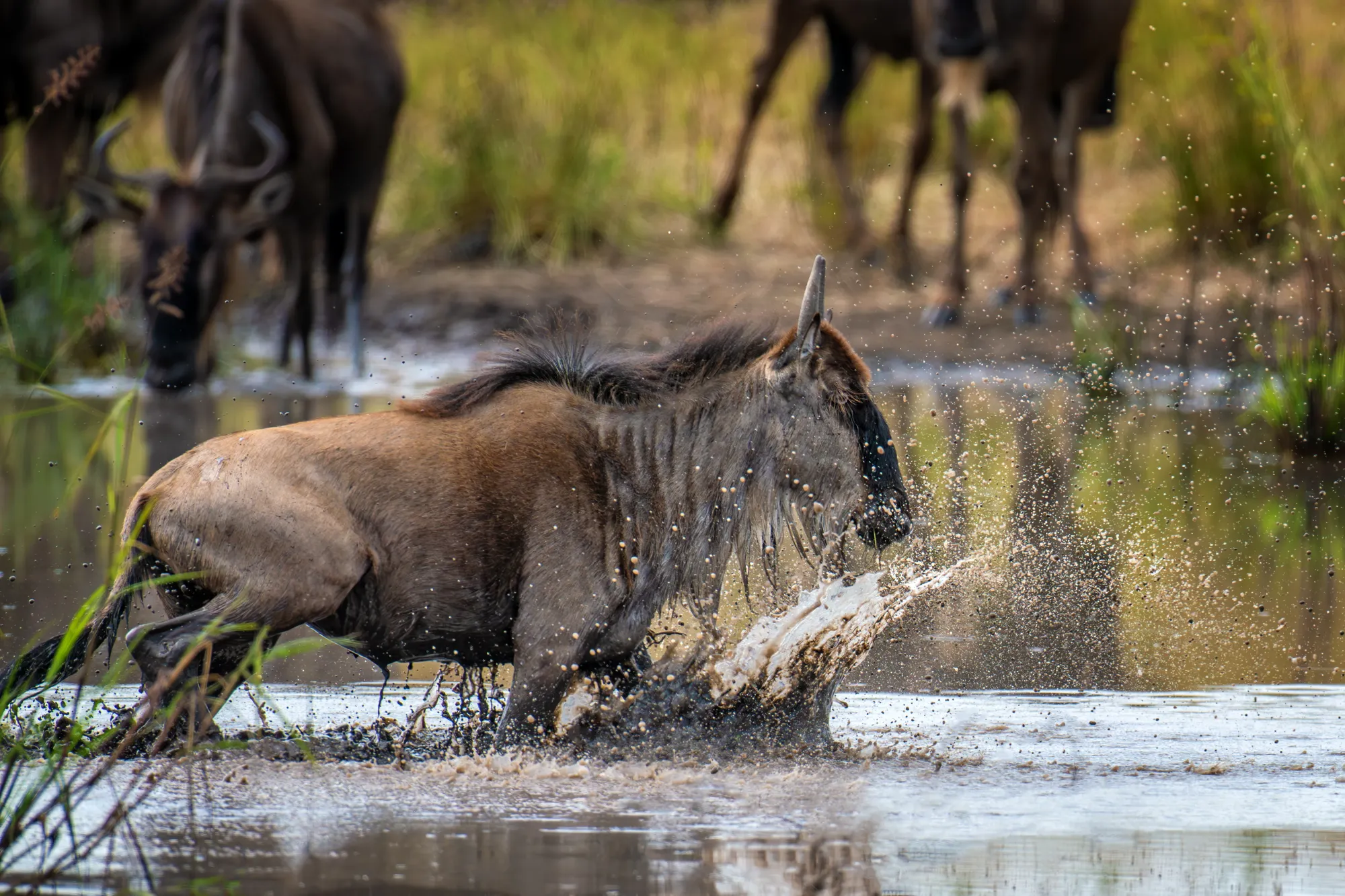
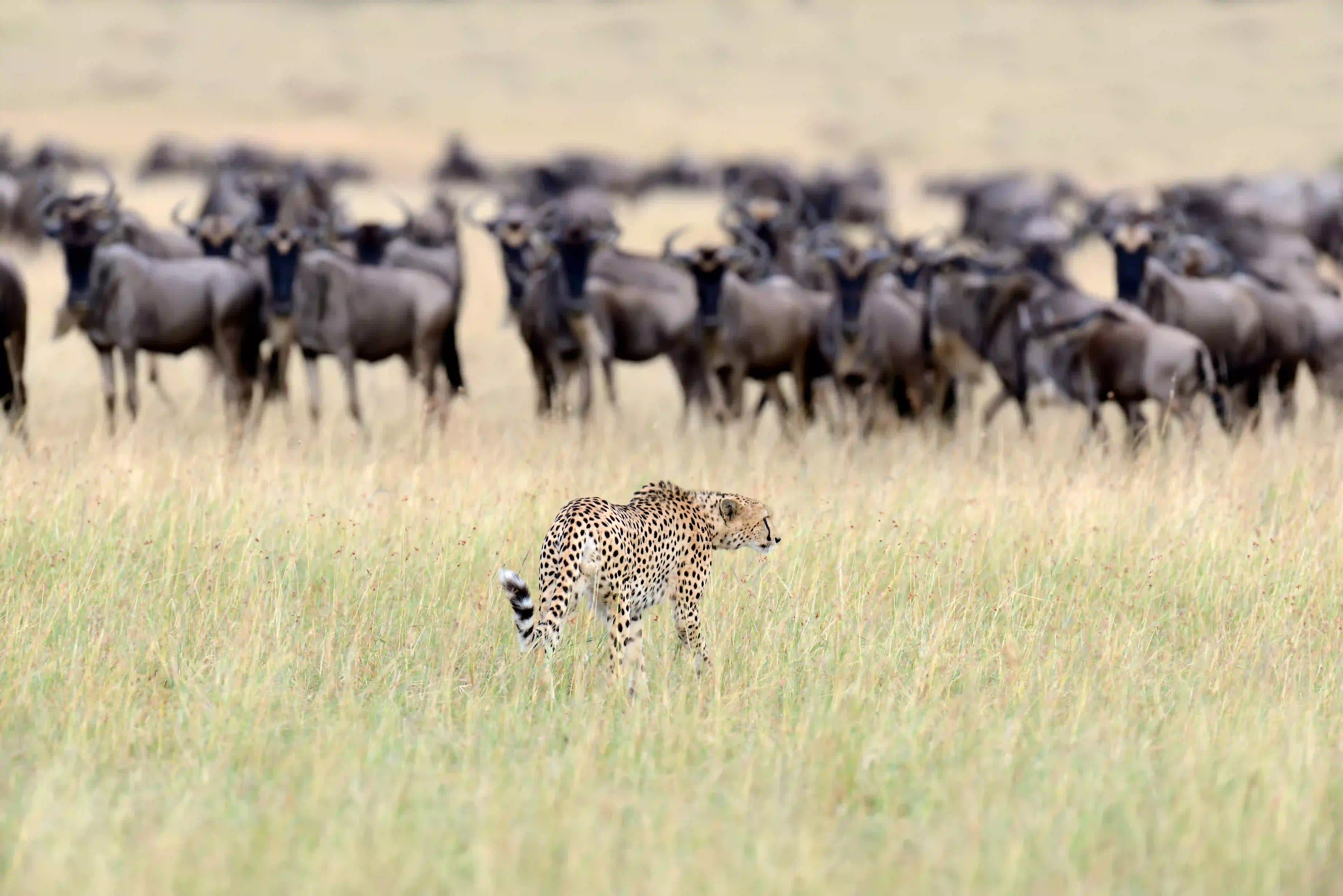
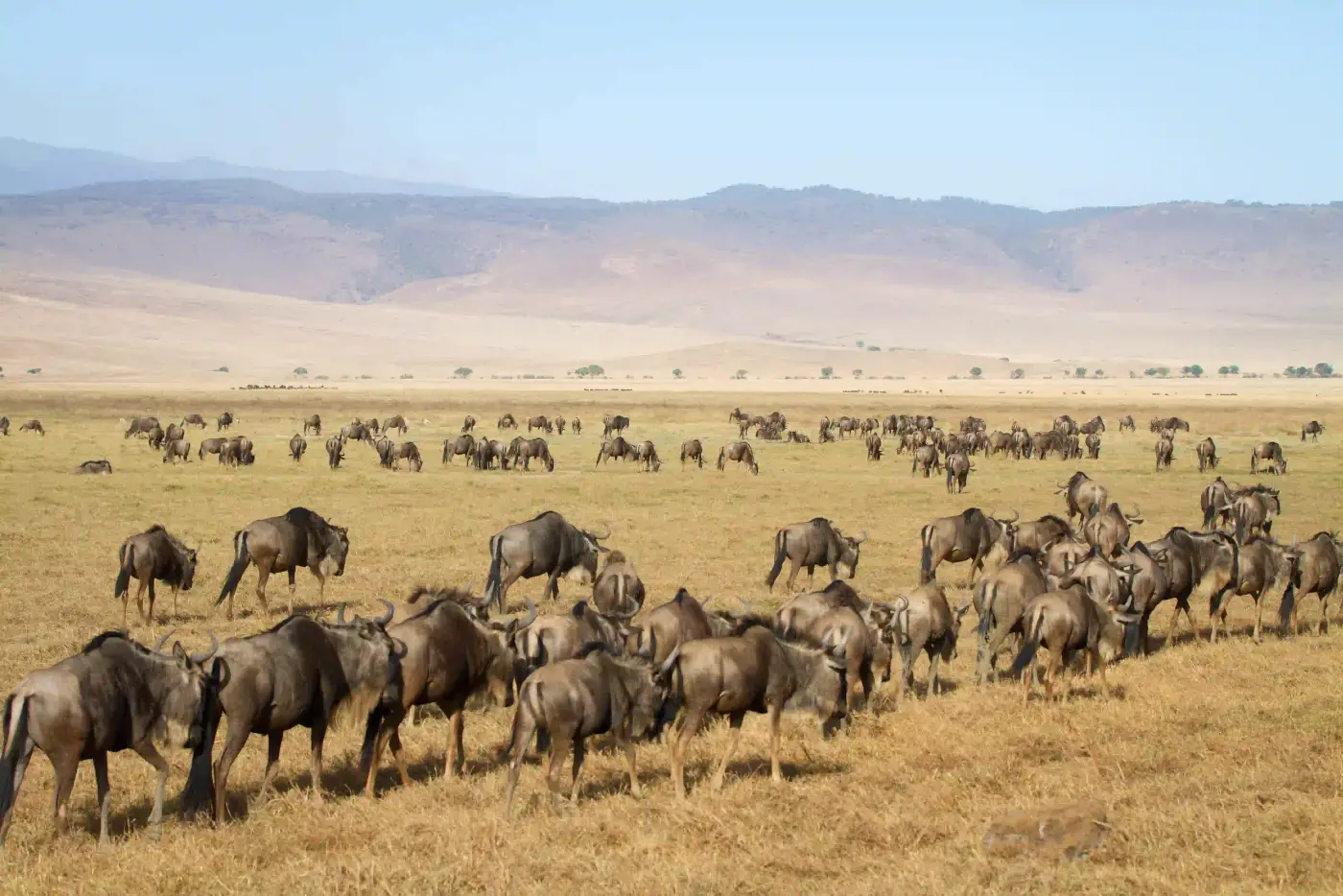
The fifth advantage is calving season. January to March in the southern Serengeti and Ndutu can be one of Tanzania’s most dramatic wildlife periods. Many wildebeest calves are born, and predators are often active nearby. This is technically green-season timing but can be one of the best safari experiences of the year.
- Beautiful sceneryGreener landscapes and dramatic skies improve atmosphere and photography
- Fewer crowdsSome areas feel calmer and more private
- BirdwatchingMigratory birds and breeding plumage can make birdlife exceptional
- Possible valueSome lodges may offer lower rates outside peak season
- Calving seasonJanuary to March can be excellent in southern Serengeti and Ndutu
- Less dustRain refreshes the landscape and makes drives feel softer
If your dream safari includes soft light, green plains, baby animals, birds, and quieter lodges, green season should not be ignored.
Angel’s advice
Cons of a Green Season Safari
A green season safari is not perfect. The first disadvantage is rain. It may not rain all day, but showers can affect game drives, road conditions, and comfort. In April and May especially, some areas can be very wet.
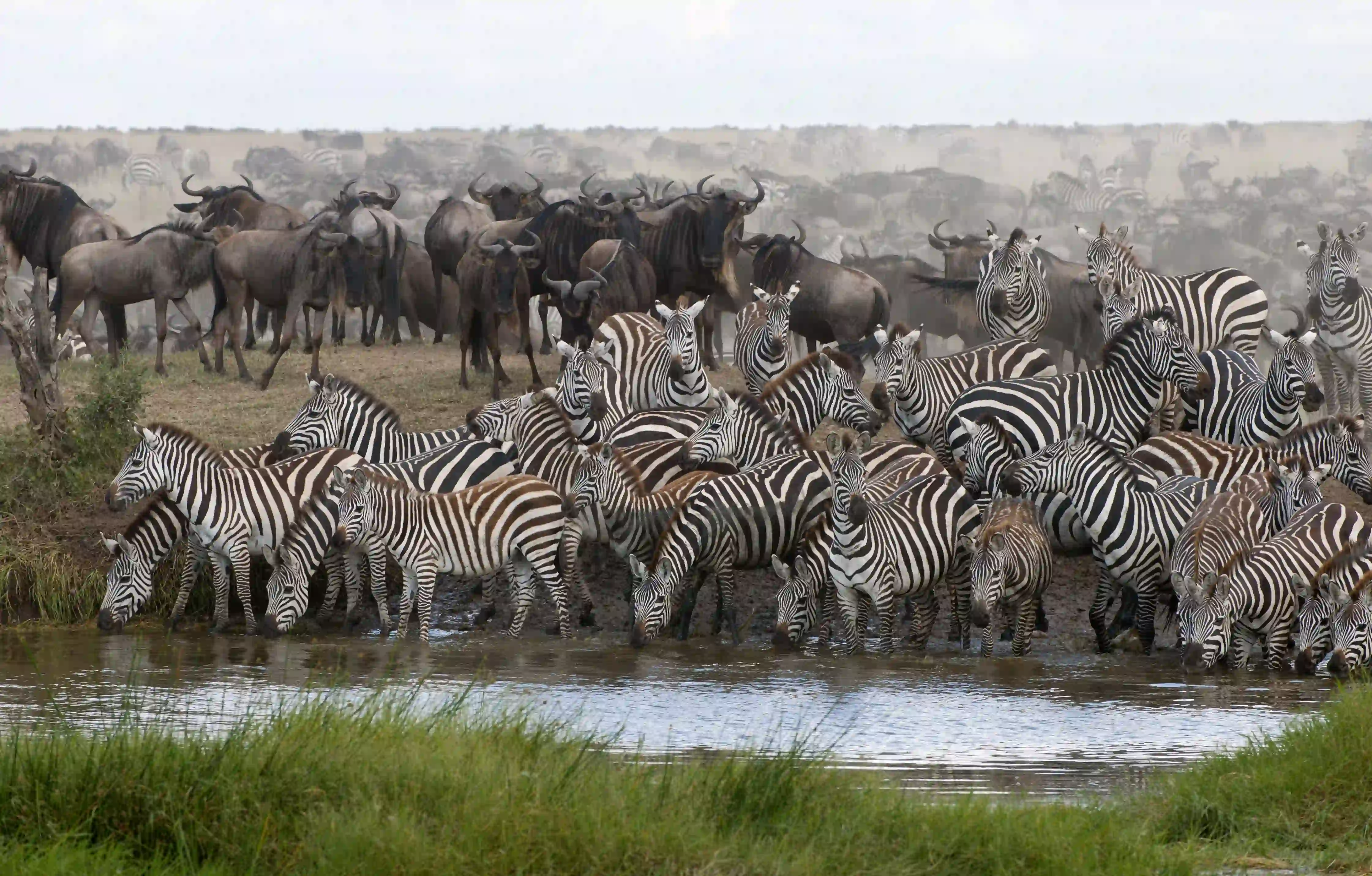
The second disadvantage is wildlife visibility. When grass is taller and water is available in many places, animals may spread out more widely. This can make sightings less predictable in some parks. In dry season, animals often gather near water sources, making viewing easier.
The third disadvantage is access. Some remote camps, especially in southern or western Tanzania, may close during the wettest months. Roads can become challenging, and flying may be more practical for certain routes.
The fourth disadvantage is that first-time travellers sometimes expect dry-season-style sightings. If your priority is the easiest possible safari, June to October may be better. If you want a more atmospheric, flexible, and scenic safari, green season can work beautifully.
- RainPlan flexible timing and choose good lodges/routes
- Taller grassUse skilled guides and allow enough nights
- Some camp closuresConfirm seasonal openings before booking
- Muddy roadsChoose routes carefully and consider fly-in options
- Wildlife spread outMatch parks and months carefully
- Less predictable weatherTravel with realistic expectations
Best Tanzania Parks for Green Season
Not every park performs the same in green season. The northern circuit is generally more flexible because Serengeti, Ngorongoro, Lake Manyara, Tarangire, and Arusha National Park can still be combined with careful planning. SafariBookings notes that the northern circuit can be visited year-round, while some southern and western circuit parks are best in the dry season.
Serengeti is the strongest green season destination because different regions work at different times. Southern Serengeti and Ndutu are excellent from January to March for calving season. Central Serengeti can remain productive in many months. The key is choosing the right region.
Ngorongoro Crater can work year-round because of its compact wildlife area. Rain may affect comfort, but the crater remains a valuable wildlife stop. Lake Manyara can be very scenic in green season, with birdlife, forest, waterfalls, and lake views. Tarangire is strongest in dry season for large wildlife concentrations, but it can still be beautiful in green season for scenery and birds.
Southern parks such as Nyerere and Ruaha usually shine in the dry season. They can be more challenging during wetter months, especially if camps close or wildlife disperses. That does not make them impossible, but it means planning must be more careful.
Month-by-Month Green Season Guide
November is often one of the best entry points into green season. The short rains refresh the landscape, visitor numbers can be lower, and the northern circuit can work well. December is popular because of holidays, but it can still offer green scenery and good safari-and-Zanzibar combinations.
January and February are among the strongest green-season safari months because of the southern Serengeti and Ndutu calving season. This is one of the best times for photographers and travellers who want active predator-prey scenes.
March is a transition month. It can still be rewarding, but rain may increase. April and May are the wettest and most challenging months. These months can offer lush scenery and low visitor numbers, but they are not ideal for every first-time traveller.
June is not usually called green season, but it is a transition into dry season. It can be a strong month because the landscape still has some freshness while wildlife viewing begins to improve.
Green Season Safari Costs and Value
Green season can offer better value, but it is important to understand what “value” means. It does not always mean cheap. It may mean better lodges for your budget, fewer vehicles at sightings, more private service, or a calmer safari atmosphere.
Some properties reduce rates in selected shoulder or low-season months. Flights, park fees, and private vehicle costs may not reduce in the same way, so the total price depends on the route. A private luxury safari will still cost more than a budget group trip, even in green season.
The best value often comes from choosing the right combination. For example, a green-season northern circuit may offer a strong balance of scenery, wildlife, and lodge availability. A poorly planned remote route in the long rains may create more inconvenience than savings.
When I plan green season safaris, I focus first on experience quality, then cost. A slightly more expensive but well-located lodge can be worth it if it reduces difficult driving and improves access to wildlife.
- Lodge ratesMay be lower in selected months and properties
- Park feesUsually remain fixed or less flexible
- Vehicle and guideStill important and should not be compromised
- FlightsDepend on route and availability
- ValueOften comes from privacy, scenery, and better lodge access
- RiskCheapest options may not handle rain and logistics well
Free 30-minute call with our trip designer
Schedule a free call with Amina Hassan to get honest advice on lodges, routes, and the best season for your dates.
Book a Free CallSenior Trip Designer · Based in Arusha
Who Should Choose Green Season?
Green season is ideal for travellers who value beauty, photography, and a quieter safari mood. It suits honeymooners who want privacy, photographers who love dramatic skies, birdwatchers, repeat safari guests, and flexible luxury travellers.
It may not be ideal for travellers who want the most predictable first safari, very dry roads, or the easiest wildlife visibility. Families can still travel in green season, especially December or January, but routes should be chosen carefully.
For first-time travellers, I often recommend January to February as the easiest green-season-style period because the southern Serengeti calving season is so rewarding. November can also be a good softer option. April and May are better for flexible or experienced travellers.
Green season is best for travellers who can enjoy nature as it is, not only as a checklist.
Angel’s advice
Green Season and Zanzibar
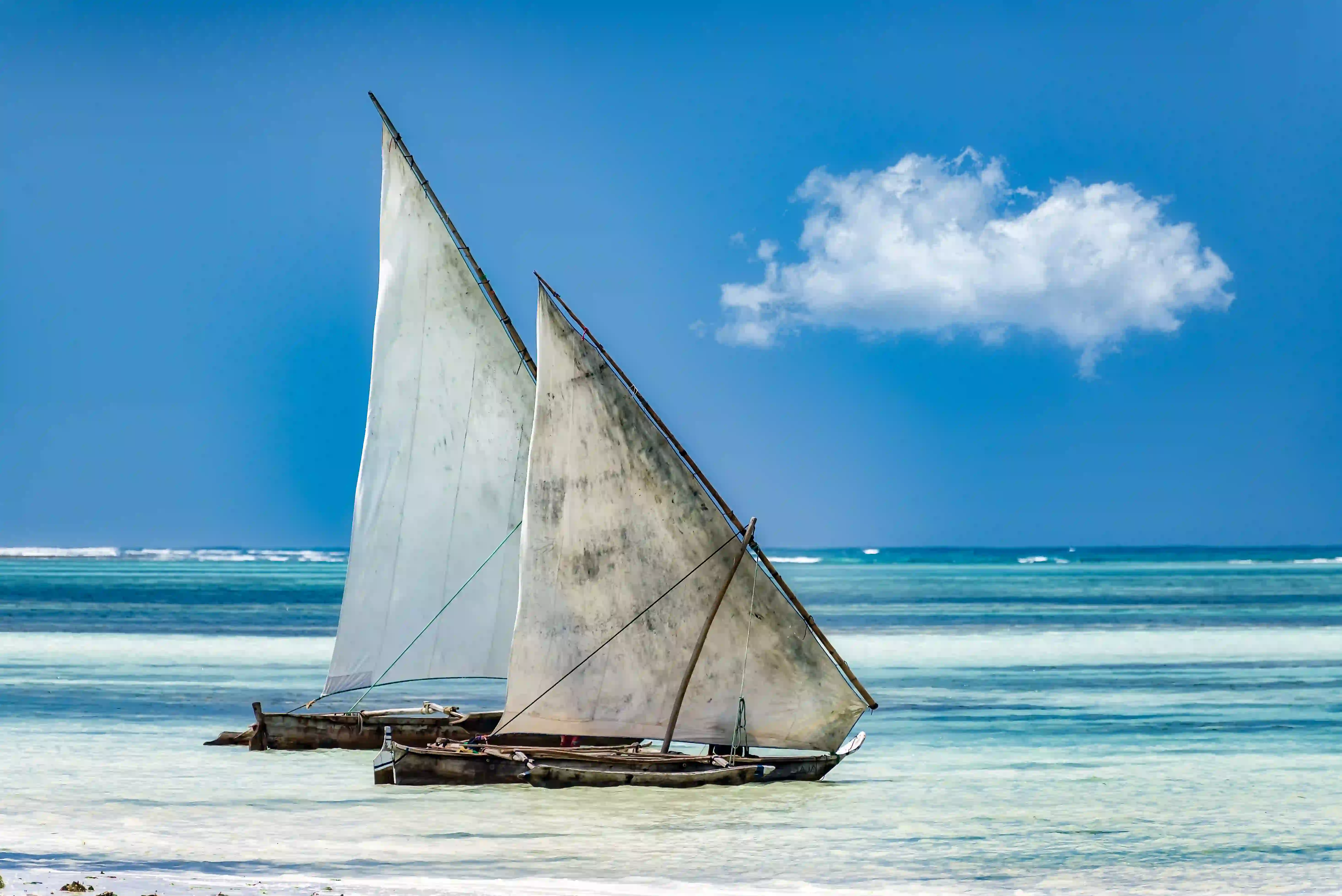
Many travellers want to combine safari with Zanzibar. Green season can work well for safari and beach in some months, but timing matters. January and February are often strong for both safari and Zanzibar. December can also work well, though festive-season demand is high.
March to May is more difficult because the long rains can affect both safari areas and the coast. This does not mean travel is impossible, but it requires flexibility and realistic expectations. If the beach is a major priority, be careful with April and May.
A good green-season safari-and-Zanzibar route might include Tarangire, Ngorongoro, southern Serengeti/Ndutu, and Zanzibar in January or February. For a quieter November trip, central or northern circuit safari followed by Zanzibar can also be considered depending on weather patterns.
Mistakes to Avoid When Booking Green Season
The biggest mistake is assuming green season is always cheap and easy. It can offer value, but only if the route is chosen carefully. The second mistake is choosing remote parks during the wettest months without checking camp operations and road conditions.
The third mistake is expecting dry-season wildlife patterns. In green season, animals may not gather in the same way because water is widely available. This does not mean wildlife disappears; it means you need a guide who understands seasonal movement.
The fourth mistake is packing like it is dry season. Bring a light rain jacket, waterproof protection for cameras, quick-dry clothing, and shoes that can handle damp conditions. The fifth mistake is booking too few nights. Green season rewards patience because weather and animal movement may require flexibility.
- Choosing only by low priceChoose by route quality and lodge location
- Ignoring rain logisticsAsk about roads, camp openings, and backup plans
- Expecting dry-season patternsTravel with seasonal expectations
- Packing poorlyBring rain protection and quick-dry clothing
- Staying too brieflyAllow enough nights for flexibility
- Overlooking January-FebruaryConsider calving season as a top safari period
FAQs: Green Season Safari in Tanzania
Final Thoughts from Angel
Green season safari in Tanzania is worth it for the right traveller. It offers colour, calm, birdlife, photography, and sometimes excellent value. It is also one of the best periods for southern Serengeti calving season, which can be one of the most dramatic wildlife experiences in Tanzania.
But it is not the right choice for everyone. If you want the driest conditions and easiest wildlife visibility, June to October may be better. If you are flexible, curious, and open to a softer safari atmosphere, green season can be truly special.
Tell Warriors of Africa Safari your travel month, budget, and dream experience, and we will help you decide whether green season is right for you. If it is, we will design a route that gives you the best balance of beauty, comfort, wildlife, and peace of mind.
Do not fear the green season. Respect it, plan it well, and it may give you one of the most beautiful safaris of your life.
Angel’s final advice
Great Migration Safari
- Migration-season camp positioning
- Private 4×4 with rooftop viewing
2 Comments
18 Jun, 2025
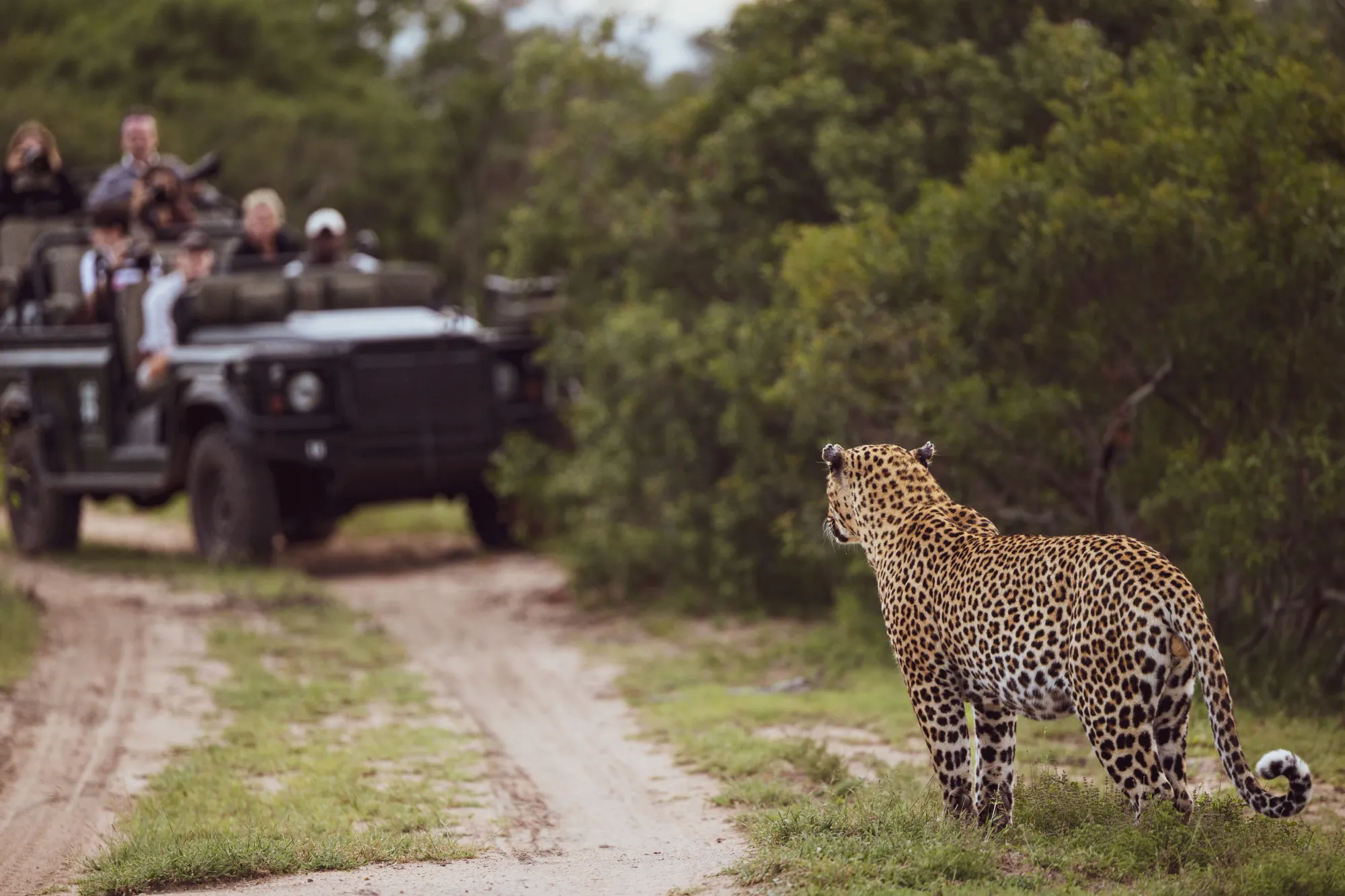
We booked the Northern Circuit through Arusha and every hand-off—from JRO to Serengeti airstrips—felt calm. Our guide's radio etiquette around cats was flawless.
19 Jun, 2025
Same experience on the Zanzibar extension—stone town pacing one day, reef silence the next. The Arusha ops team was on WhatsApp within minutes whenever we had a question.
2 Jul, 2025
Nyerere by boat at dusk—hippos, herons, and our guide explaining how Tanzania balances tourism with conservation quotas. Unforgettable.