
How Difficult Is Mount Kilimanjaro? Angel’s Honest Fitness, Altitude and Summit Guide
Introduction: Kilimanjaro Is Walkable, but That Does Not Mean Easy
Kilimanjaro is often described as a non-technical mountain because the common trekking routes do not normally require advanced rock-climbing skills. That description is useful, but it can be dangerous when people translate non-technical into easy.
I am Angel from Warriors of Africa Safari, and my honest answer is that Kilimanjaro is difficult for most people. The difficulty comes from altitude, repeated days of walking, cold, sleep disruption, summit night, appetite changes and the mental pressure of continuing when the body is tired.
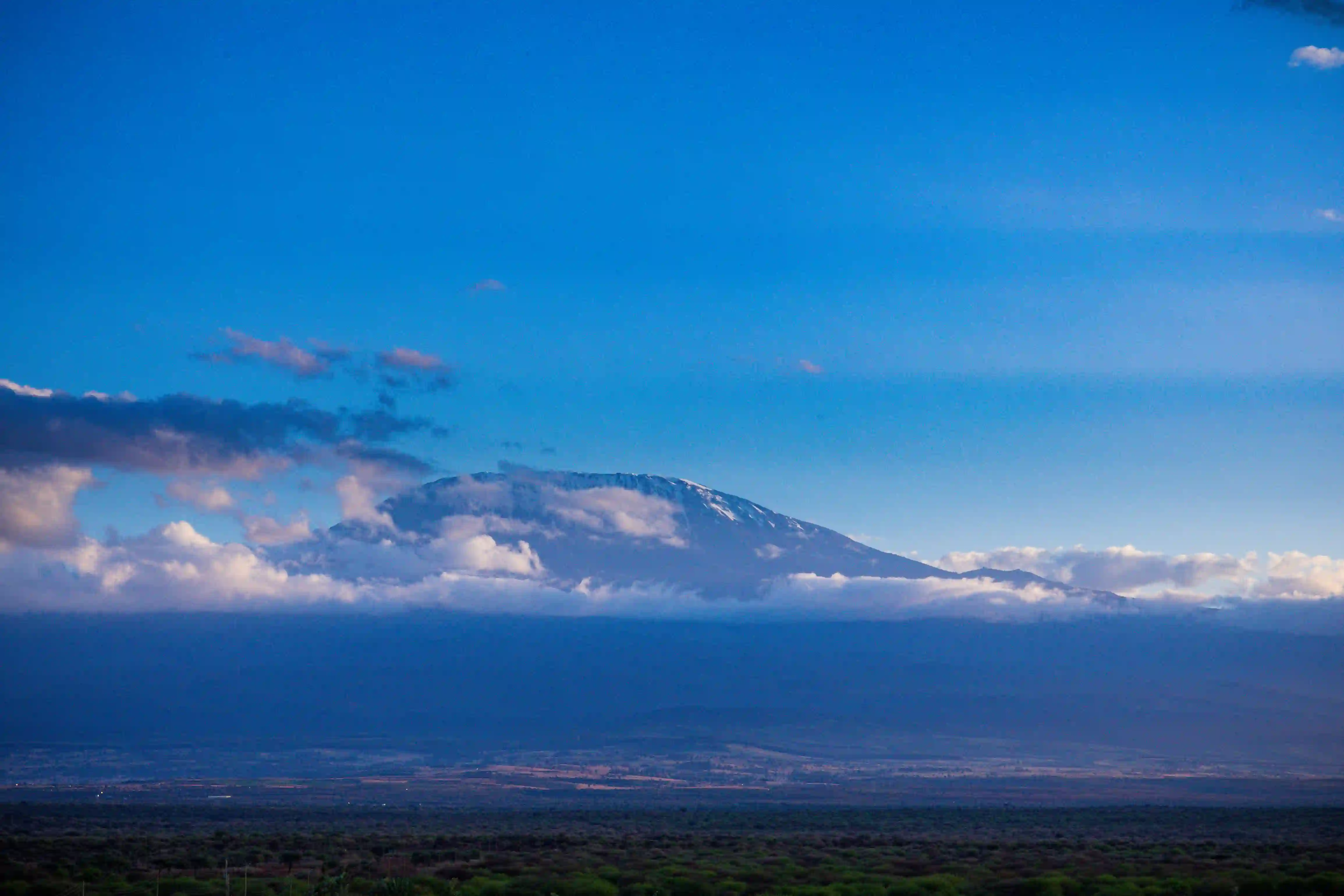
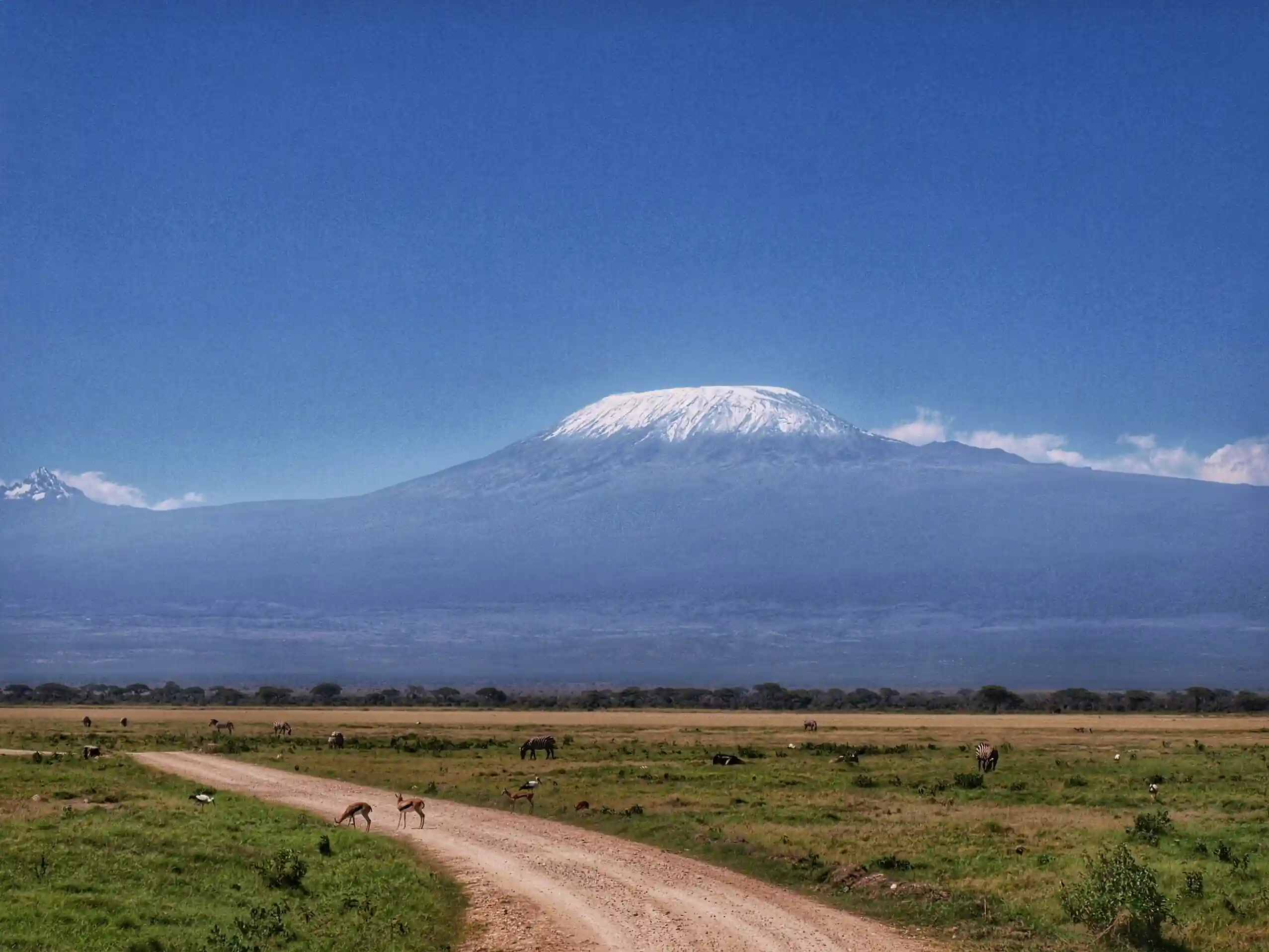
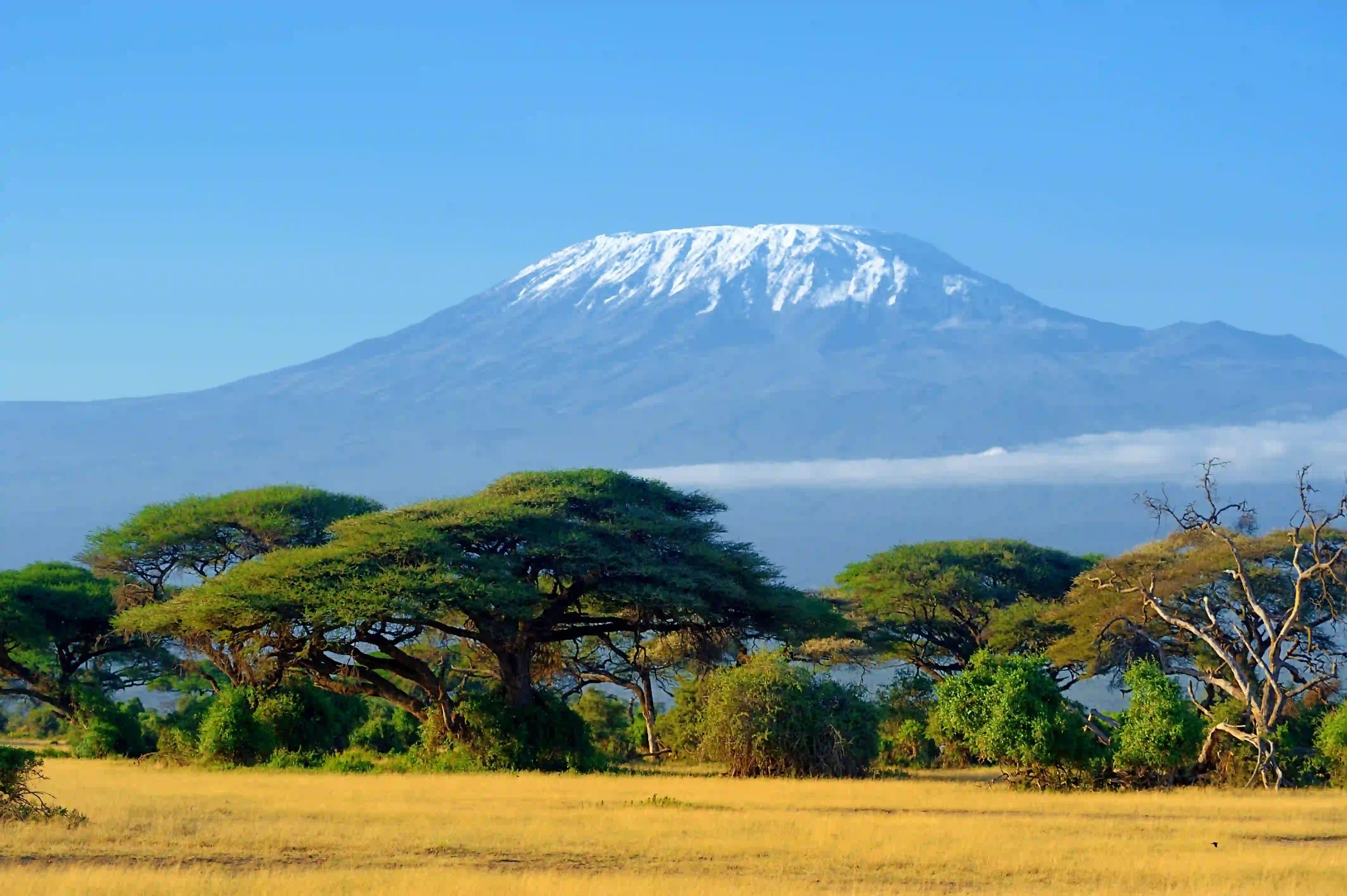
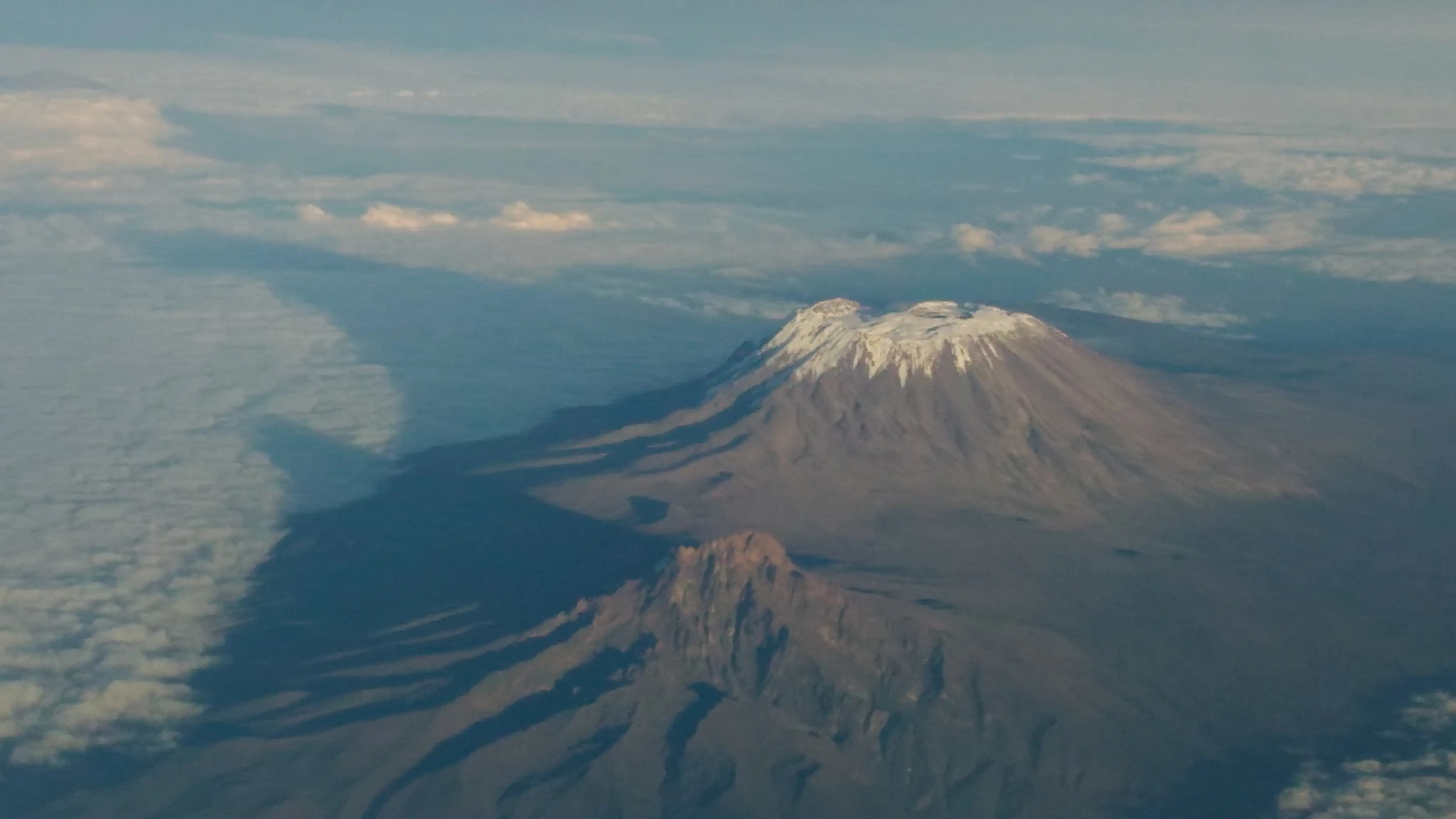
UNESCO identifies Kilimanjaro as Africa’s highest mountain at 5,895 metres and describes the mountain’s dramatic rise above the surrounding plains. CDC specifically warns that the high altitude can lead to altitude sickness and recommends medical discussion about prevention and treatment.
This guide separates the different kinds of difficulty so you can judge yourself honestly: technical, physical, altitude, weather, mental, camping and logistical.
Kilimanjaro is achievable for many ordinary fit people, but nobody should confuse achievable with guaranteed.
Angel’s honest advice
Quick Answer: How Hard Is Kilimanjaro?
1. The Main Difficulty Is Altitude
A strong runner can struggle with altitude. A slower hiker can acclimatise better. Fitness and altitude response are not the same.
CDC’s high-altitude guidance explains that lower oxygen pressure is the central physiological challenge at elevation. At around 3,050 metres, inspired oxygen pressure is already substantially lower than at sea level.
Kilimanjaro’s summit is far above that.
This is why route duration, pace and guide decisions are central.
2. What Altitude Sickness Can Feel Like
Symptoms can include headache, nausea, dizziness, fatigue and poor sleep, among others. Severe altitude illness can become life-threatening.
CDC’s Yellow Book lists warning signs for serious high-altitude illness, including neurological changes for high-altitude cerebral edema and breathlessness at rest for high-altitude pulmonary edema.
This article is not a diagnostic tool. Climbers should follow qualified medical advice and guide protocols.
The correct decision may be to descend.
3. CDC Data Show Why Short Ascents Deserve Caution
CDC’s 2025 Yellow Book chapter on African safaris and climbing expeditions cites recent studies reporting very high acute mountain sickness prevalence on four- and five-day Kilimanjaro ascents.
That does not mean every longer route is safe or every short route fails.
It does show why I take compressed itineraries seriously.
More time is not a guarantee, but it can support a more gradual progression.
4. Is Kilimanjaro Technically Difficult?
On the common trekking routes, climbers generally walk rather than use advanced mountaineering technique.
Some sections can be steep, rough or exposed. Barranco Wall can look intimidating. Summit scree can feel exhausting.
Poor weather can make simple terrain harder.
Mawenzi technical climbing is a separate specialist activity governed by different guidelines.
5. How Fit Do You Need to Be?
You do not need to be an elite athlete, but you should be able to walk for several hours on consecutive days and recover reasonably.
Training should build aerobic endurance, leg strength, uphill capacity, downhill control and time on feet.
Weekend hiking is especially valuable because it tests footwear, pacing and recovery.
Strength without endurance is not enough.
6. Why Runners Sometimes Struggle
Running fitness can be excellent preparation, but fast athletes sometimes find Kilimanjaro psychologically difficult because the correct pace is slow.
Altitude rewards patience.
A marathon time does not predict how the body responds at 5,000 metres.
Train the ego as well as the legs.
7. Why Hikers Often Have an Advantage
Experienced hikers understand uneven ground, layering, hydration and long days.
They are more likely to know their boots and how their feet respond.
However, low-altitude hiking experience still does not guarantee altitude tolerance.
The best preparation combines trekking experience with a sensible mountain plan.
8. Summit Night: The Hardest Part for Most Climbers
Summit attempts often begin late at night or around midnight depending on route and plan.
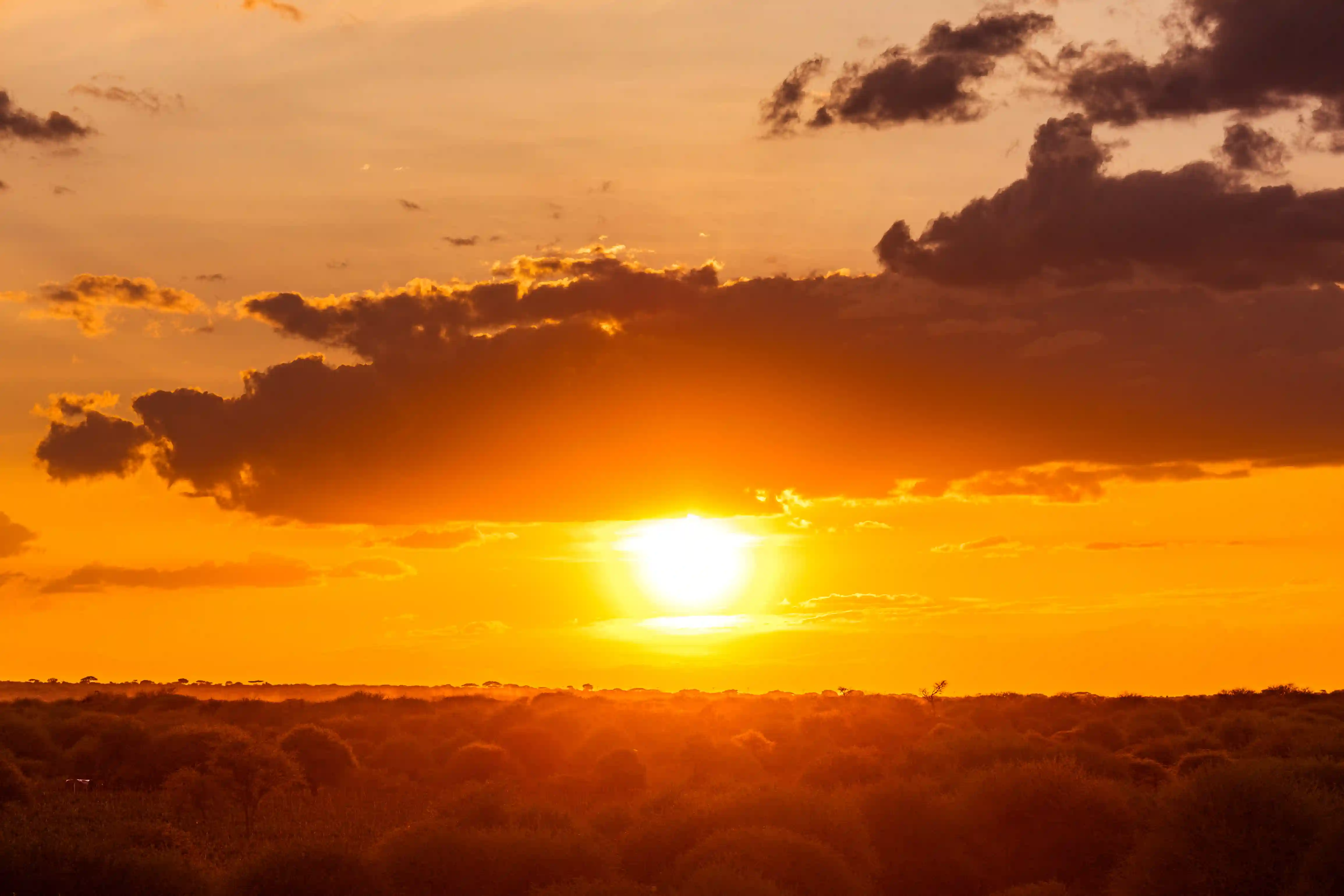
Climbers face darkness, cold, low oxygen, fatigue and a long ascent followed by descent.
The pace can feel painfully slow.
This is where mental preparation matters.
9. How Cold Does It Feel?
Summit conditions can be extremely cold, and wind increases discomfort.
Hands and feet are common weak points when equipment is poor.
A warm day in Moshi should never influence summit packing.
Use a tested layering system and operator equipment list.
10. The Challenge of Sleep
Many climbers sleep poorly at altitude, in tents or because they are anxious.
Several nights of broken sleep compound fatigue.
A warm sleeping bag and comfortable mat help, but altitude can still disrupt rest.
This is one reason the mental challenge grows over the expedition.
11. Appetite and Digestion
Some climbers lose appetite as they gain altitude.
Eating enough becomes harder precisely when energy is needed.
Tell the guide about persistent symptoms rather than hiding them.
Dietary needs should be communicated before the climb.
12. Camping Difficulty
Camping is not a small detail. Cold nights, limited washing, toilet routines and packing every morning affect morale.
Marangu’s hut accommodation changes this dimension but does not remove altitude difficulty.
Climbers who dislike camping should be honest before choosing a route.
Comfort can support recovery.
13. Mental Difficulty: Slow Progress and Uncertainty
Kilimanjaro can feel repetitive when the body is tired. The summit may still appear far away.
Weather changes. A teammate may turn back. You may feel weaker than expected.
Mental resilience means accepting uncertainty, not ignoring symptoms.
The strongest decision can be descent.
14. How Route Choice Changes Difficulty
Free 30-minute call with our trip designer
Schedule a free call with Amina Hassan to get honest advice on lodges, routes, and the best season for your dates.
Book a Free CallSenior Trip Designer · Based in Arusha
15. How Many Training Weeks Do You Need?
There is no universal number because starting fitness differs.
Many travellers benefit from several months of consistent preparation rather than an intense final few weeks.
Training should progress gradually and include recovery.
A clinician or qualified trainer can advise individuals with medical or injury concerns.
16. A Practical Training Framework
17. Who May Find Kilimanjaro Especially Difficult?
Travellers who dislike cold, camping or slow walking may struggle even when physically fit.
People with limited hiking experience can be surprised by consecutive days.
Anyone with relevant medical conditions needs personalised advice.
Climbers with rigid summit expectations can struggle mentally when safety requires a change.
18. Who Should Reconsider or Seek Detailed Medical Advice?
This decision cannot be made from a blog.
Travellers with significant heart, lung, neurological or other relevant conditions should discuss high-altitude travel with a qualified clinician.
Pregnancy and complex medication issues require individual medical advice.
The operator should receive practical information needed for safe planning.
19. Can Older Travellers Climb?
Age alone is not a verdict. Older climbers may have excellent endurance and discipline.
Medical history, recovery, joints and altitude exposure matter.
Longer itineraries and private pacing can help some travellers.
A clinician should advise on personal risk.
20. Can Beginners Climb?
Yes, many first-time high-altitude trekkers attempt Kilimanjaro, but preparation matters.
Choose a sensible route and enough days.
Learn basic trekking systems before the trip.
Do not make summit success the only definition of value.
21. How Does Kilimanjaro Compare with a Normal Hike?
A normal day hike ends with a shower and full recovery. Kilimanjaro repeats effort at increasing altitude.
The cumulative load is the difference.
The summit day can be dramatically longer and colder than a standard recreational hike.
Train for consecutive days.
22. Difficulty Rating by Traveller Type
23. Common Difficulty Myths
- Non-technical means easyAltitude makes it difficult.
- Fit people cannot get altitude sicknessFitness does not create immunity.
- Best weather guarantees summitAltitude and health still matter.
- You can train away all riskTraining helps fitness, not immunity.
- Turning back is failureDescent can be the correct decision.
- Shorter route is more efficientIt can compress acclimatisation.
24. My Honest Difficulty Score
For an ordinary fit first-time high-altitude trekker, I would call Kilimanjaro a serious challenge rather than an impossible expedition.
Technical difficulty on standard trekking routes is relatively low, but altitude difficulty is high.
Summit night is very high difficulty for many people.
The overall experience becomes more manageable with preparation, time and strong guiding.
25. How to Make the Climb More Manageable
- Choose more daysSupports slower progression.
- Train consistentlyBuilds endurance and confidence.
- Break in bootsReduces foot problems.
- Use tested layersImproves cold management.
- Communicate symptomsSupports guide decisions.
- Sleep before tripReduces avoidable fatigue.
- Arrive with bufferProtects against flight/luggage stress.
Frequently Asked Questions
Final Thoughts from Angel
Kilimanjaro is hard enough to deserve respect and achievable enough to inspire ordinary travellers.
At Warriors of Africa Safari, we do not promise summits. We focus on honest route design, preparation, support and responsible decision-making.
Tell us your real fitness, hiking history, medical considerations and time. That truth creates a stronger plan.
The mountain does not care how confident you sounded before the trip. Prepare humbly, walk patiently and listen when safety speaks.
Angel’s final advice
Additional Difficulty Notes
Hydration is another practical challenge. Climbers need to drink regularly, yet cold conditions, nausea and frequent toilet stops can make this difficult. A guide should monitor the group and encourage sensible habits, while individual medical advice should govern anyone with fluid restrictions or relevant health conditions.
The descent is often underestimated because the summit receives all the attention. After turning around at the top or a lower point, climbers still need to lose substantial elevation on tired legs. Downhill conditioning, trekking poles where appropriate and controlled pacing can matter.
Recovery after the mountain should be planned before travel. Some people feel ready for safari the next morning; others are exhausted, sore or unwell. I prefer at least one comfortable recovery night before an ambitious road safari or a tight flight schedule.
Difficulty also depends on expectations. A traveller who expects luxury-hotel comfort may struggle with cold toilets and limited washing, while an experienced camper may find those parts easy. Honest briefing reduces psychological shock.
Kilimanjaro Trekking
- Machame or Lemosho routing with acclimatization
- KPAP-compliant crew ratios and safety briefings
2 Comments
18 Jun, 2025
We booked the Northern Circuit through Arusha and every hand-off—from JRO to Serengeti airstrips—felt calm. Our guide's radio etiquette around cats was flawless.
19 Jun, 2025
Same experience on the Zanzibar extension—stone town pacing one day, reef silence the next. The Arusha ops team was on WhatsApp within minutes whenever we had a question.
2 Jul, 2025
Nyerere by boat at dusk—hippos, herons, and our guide explaining how Tanzania balances tourism with conservation quotas. Unforgettable.