How Much Does a Tanzania Safari Cost? Angel’s 2026 Planning Guide
Introduction: Angel’s Honest Answer About Safari Cost
The best safari is not the one that sounds most impressive on paper. It is the one that is planned around your real travel style.
Angel’s advice
One of the first questions I receive from travellers is, “Angel, how much does a Tanzania safari really cost?” It is a good question because Tanzania is not a destination where price is only about a hotel room. A safari price includes the vehicle, guide, fuel, park fees, conservation charges, accommodation, meals, logistics, and the time needed to move between wild places. That is why two safaris that look similar on paper can feel completely different once you arrive.
The honest answer is that a Tanzania safari can range from a simple shared camping trip to a private luxury journey with fly-in flights and exclusive lodges. SafariBookings gives a useful general benchmark, estimating average Tanzania safari costs at about $250 per person per day for budget travel, $375 per person per day for mid-range travel, and $600 or more per person per day for luxury travel. Those figures are not fixed quotes, but they help travellers understand why Tanzania is usually more expensive than a normal holiday. Source: SafariBookings Tanzania Safari Costs.
At Warriors of Africa Safari, I prefer to explain safari cost in a clear way before recommending any package. A lower price can sometimes mean long drives, crowded vehicles, basic accommodation, or a route that is not well matched to the season. A higher price should mean better guiding, better locations, more comfort, smoother logistics, and more personal care. The goal is not always to book the most expensive safari. The goal is to book the right safari for your dream, budget, and comfort level.
Quick Answer: Tanzania Safari Cost at a Glance
Why Tanzania Safari Prices Vary So Much
Tanzania safari prices vary because the country offers many types of safari. A short road safari from Arusha to Tarangire and Ngorongoro will cost very differently from a ten-day fly-in safari to Serengeti, Ruaha, and Nyerere. A shared camping safari will not be priced like a private honeymoon safari with luxury tented camps. Even the same park can have different costs depending on season, lodge location, and whether you fly or drive.
The biggest cost drivers are accommodation, park and conservation fees, vehicle and guide costs, internal flights, group size, season, and itinerary design. Park fees are important because they are charged per person and often per 24-hour period. Tanzania National Parks publishes official tariff documents for national park-related charges, while Ngorongoro Conservation Area Authority publishes tariff information for Ngorongoro-related fees. These official charges help explain why Tanzania safaris cannot be compared directly with ordinary road trips or beach holidays.
Another reason prices vary is distance. Tanzania is large, and safari routes can involve many hours of driving if they are not planned carefully. Fuel, vehicle maintenance, guide time, and park routing all affect cost. A good local operator does not simply sell days; they design flow. This means choosing a route that gives enough wildlife time without wasting too many hours on the road.
Season also changes pricing. Peak months such as July, August, September, October, and the festive period are usually in high demand. Lodges in prime locations can fill early, and prices are often higher. The green season can offer better value, but it needs careful route planning because rain can affect some roads or remote areas.
A safari should feel clear before you pay. If a route, price, or promise is confusing, ask more questions.
Angel’s honest note
Typical Tanzania Safari Cost by Travel Style
Budget safaris are usually the lowest-priced option and often use camping or simple lodges. They can be good for travellers who care more about wildlife than comfort, but they may involve shared vehicles, fixed schedules, and fewer luxury touches. A budget safari can still be beautiful if the guide is good and the route is well designed, but guests should understand what is included before booking.
Mid-range safaris are often the best balance for many travellers. They usually include comfortable lodges or tented camps, private or small-group vehicles, decent meals, and well-known parks. This style suits couples, families, and first-time safari guests who want comfort without moving into luxury pricing.
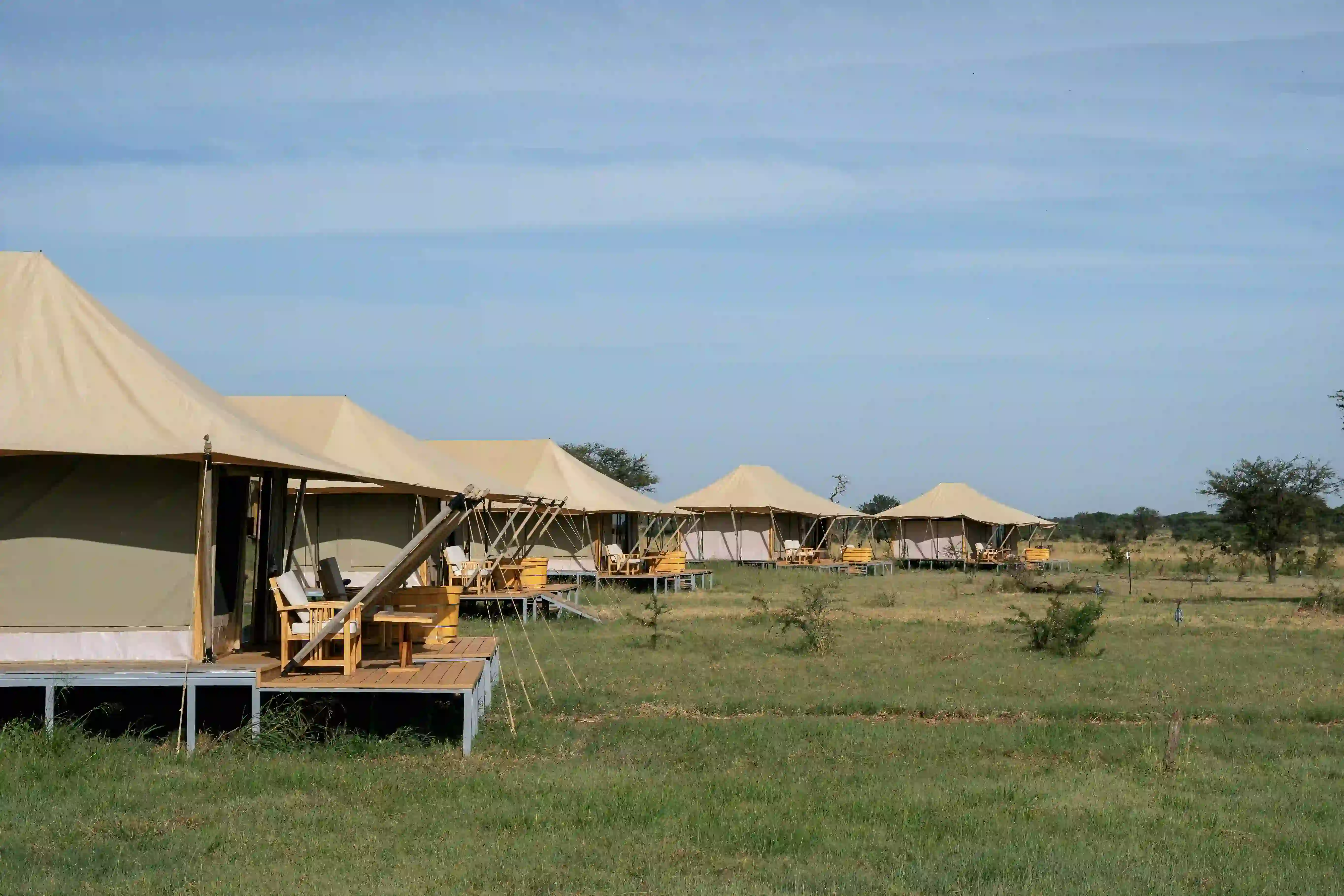
Luxury safaris focus on comfort, privacy, lodge location, service, and smooth logistics. This may include private vehicles, handpicked camps, fly-in flights, high-end tented camps, crater-rim stays, mobile migration camps, or beach extensions in Zanzibar. Luxury is not only about a beautiful room. It is also about having enough time, good guiding, and a route that feels effortless.
Ultra-luxury safaris are for guests who want the highest level of privacy and service. These may include exclusive-use villas, private charter flights, private concessions, wellness experiences, fine dining, and very remote camp locations. They are not necessary for every traveller, but they can create a rare level of comfort and seclusion.
What Is Usually Included in a Tanzania Safari Price?
A good safari quote should clearly show what is included. Most complete safari packages include accommodation, meals during safari, a professional guide, a safari vehicle, fuel, park fees, drinking water during game drives, airport transfers, and route planning. If the safari includes domestic flights, those should also be listed clearly.
Travellers should be careful when a quote looks cheap but does not explain inclusions. Sometimes park fees, crater fees, airport transfers, drinks, tips, or domestic flights are not included. That can make the final trip more expensive than expected. A transparent safari company should explain what is included and what is not.
Meals depend on the safari style. Many lodges offer full board, meaning breakfast, lunch, and dinner. Some luxury properties include selected drinks, laundry, or extra activities, while others charge separately. Always check because inclusions can differ between lodges.
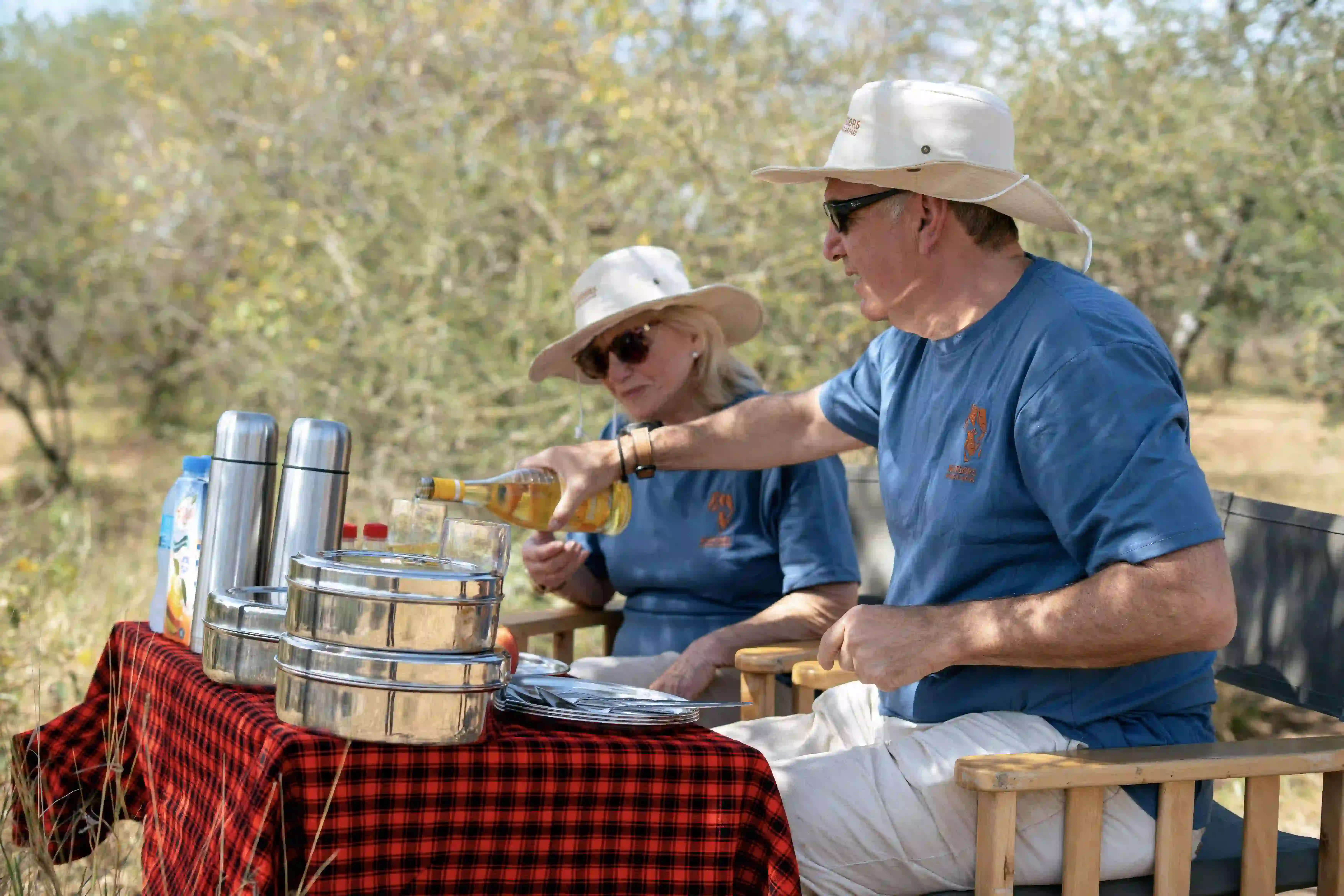
Transport is another important part of the price. A road safari usually includes a 4x4 safari vehicle and guide. A fly-in safari includes flights between airstrips and may use lodge-based vehicles in the parks. Fly-in safaris are usually more expensive but save time and reduce long road transfers.
Common Extra Costs Travellers Forget
Even when a safari is quoted as a package, some extra costs may still apply. These can include international flights, visa fees, travel insurance, tips, drinks, laundry, hot-air balloon safaris, premium activities, personal shopping, medical items, and optional Zanzibar activities.
Tipping is one of the most common costs travellers forget to budget for. Tipping is not forced, but it is a normal part of safari culture when the service is good. Guides, camp staff, porters, and transfer drivers may all be tipped depending on the trip. Warriors of Africa Safari can give guests a clear tipping guide before travel so they do not feel confused on the ground.
Travel insurance is another important cost. A safari takes you into remote areas, and medical evacuation or trip cancellation coverage can be very valuable. Guests should choose insurance that matches their route, activities, and health needs.
Visa and health-related costs should also be checked early. Tanzania’s official eVisa system allows visitors to apply online, and the Tanzania Immigration Department lists ordinary visa requirements such as passport validity and return ticket. Health advice should be checked with a travel clinic or official public health source; CDC Travelers’ Health notes malaria prevention guidance for Tanzania, especially in areas below 1,800 metres. Sources: Tanzania eVisa, Tanzania Immigration, CDC Travelers’ Health.
Private Safari vs Group Safari Cost
A private safari costs more because the vehicle, guide, route, and daily schedule are dedicated to you. This gives more flexibility and comfort. You can spend longer at sightings, stop for photography, adjust breaks, and travel at a pace that suits your family or group.
A group safari usually reduces cost because travellers share the vehicle and guide. It can be a good option for students, solo travellers, friends, or guests who want a social experience. The trade-off is that the schedule is less flexible, and the route is usually fixed.
For luxury travellers, families, honeymooners, photographers, and seniors, I usually recommend private safaris. The value is not only privacy; it is control over pace and comfort. For budget-conscious travellers, a group safari can be a useful way to experience Tanzania without carrying the full cost of a private vehicle.
Cost by Route: Northern Circuit, Southern Circuit and Safari + Zanzibar
The northern circuit is the most popular route for first-time visitors. It usually includes Tarangire, Lake Manyara, Ngorongoro Crater, and Serengeti. It can be done by road, fly-in, or a mix of both. Because it includes famous parks and sometimes long distances, the price depends heavily on lodge level and number of days.
The southern circuit, including Nyerere and Ruaha, can feel more remote and private. It may involve domestic flights, which increases cost, but it can reward travellers with fewer crowds and a wilder atmosphere. Southern Tanzania is often excellent for repeat safari guests or travellers who want remote luxury.
A safari and Zanzibar trip adds beach accommodation and flights after safari. This increases the total budget, but it also creates a complete holiday. Many honeymooners and families prefer this structure because safari days can be active and early, while Zanzibar gives time to rest.
Free 30-minute call with our trip designer
Schedule a free call with Amina Hassan to get honest advice on lodges, routes, and the best season for your dates.
Book a Free CallSenior Trip Designer · Based in Arusha
How to Save Money Without Spoiling the Safari
Saving money on safari should be done carefully. The best way is not always to choose the cheapest quote. A poorly planned cheap safari can lead to rushed days, uncomfortable accommodation, weak guiding, or too much time on the road. Instead, save money through smart planning.
Travel in the shoulder or green season if your schedule is flexible. Choose a route that reduces backtracking. Stay longer in fewer locations instead of changing lodges every night. Mix mid-range lodges with one or two luxury highlights. Travel with friends or family so the vehicle cost is shared. Consider a road safari for the northern circuit and save fly-in flights for remote areas where they truly help.
Another smart approach is to be clear about your priorities. If the Great Migration is your dream, spend more on the right Serengeti location and reduce costs elsewhere. If Zanzibar relaxation matters most, choose a balanced safari length instead of adding too many park days. A good safari planner can protect the experience while adjusting the budget.
Angel’s Cost Planning Advice
- Compare inclusionsA low total price may hide missing fees or weak logistics
- Choose location firstA camp in the right area can be more valuable than a famous name
- Protect guide qualityThe guide can make or break the safari
- Budget for comfortGood rest improves the whole experience
The first thing I ask travellers is not, “What is your cheapest budget?” I ask, “What do you want to feel when you are here?” Some guests want adventure and do not mind basic camping. Others want privacy, soft beds, beautiful views, and a slower pace. Both can be good safaris, but they should not be sold as the same experience.
My second advice is to avoid comparing quotes only by total price. Compare the route, park days, lodge locations, room type, guide arrangement, vehicle type, included fees, domestic flights, and emergency support. A cheaper quote may skip important costs or use a less efficient route.
My third advice is to leave space in the budget for comfort. Safari days can start early, drives can be long, and remote travel can be tiring. Good accommodation, a professional guide, and a comfortable vehicle can make the difference between a trip that feels stressful and one that feels unforgettable.
Sample Tanzania Safari Budgets by Trip Length
A practical way to understand safari cost is to look at the trip length. A three-day safari will always look cheaper as a total number, but it may not give enough time for Serengeti. A seven-day safari costs more overall, but the experience can feel far better because the route has more time to breathe. A ten-day safari with Zanzibar may look higher, but it can create a complete holiday with both adventure and rest.
Travellers should also remember that the per-day cost may not rise in a straight line. Some costs, such as airport transfers and vehicle preparation, are spread across the trip. Other costs, such as park fees and accommodation, increase every day. This is why a five-day safari may not be half the price of a ten-day safari, and why a quote should always be read carefully.
Below is a planning table, not a fixed price list. Actual prices depend on season, lodge choice, number of travellers, park selection and whether domestic flights are used.
How Park Fees and Conservation Charges Affect Your Budget
Park fees are one of the biggest reasons Tanzania safari prices are higher than many travellers expect. These fees help fund protected areas and are charged separately from accommodation and guide costs. National parks, conservation areas and special activities can each have their own tariff structure.
Serengeti, Tarangire, Lake Manyara, Nyerere, Ruaha and other national parks fall under Tanzania National Parks for many official tariff categories. Ngorongoro has its own conservation authority and often has separate charges related to entry, vehicle access and crater descent. This means a route that includes Ngorongoro Crater and Serengeti can cost more than a route that includes only lower-fee areas.
Park fees are usually not optional. If a quote does not include them, the traveller may face extra charges later. This is why Warriors of Africa Safari should always present clear inclusions and explain whether fees are already built into the package price.
How Season Changes the Price
Season has a strong effect on safari cost. During peak months, many travellers want the same lodges, the same regions and the same migration areas. This increases demand and reduces availability. July to October, Christmas, New Year and some holiday periods are usually more expensive and should be booked early.
Green season can lower costs in some areas because lodges may offer seasonal rates or special offers. It can also feel more private, with fewer vehicles in some parks. The trade-off is that some roads may be wetter, some remote camps may close and wildlife may spread out because water is available in more places.
If your travel dates are flexible, the season can be one of the easiest ways to improve value. If your dates are fixed, the route should be designed around what is strongest during those dates instead of forcing a famous destination at the wrong time.
Red Flags in a Cheap Safari Quote
A very cheap quote is not automatically bad, but it deserves questions. Ask whether the vehicle is private or shared. Ask which lodges are used and where they are located. Ask whether park fees, crater fees, transfers and meals are included. Ask how many hours of driving are expected each day.
Some cheap quotes reduce cost by placing guests far from the park entrance. That can mean longer daily drives and less time watching wildlife. Others reduce cost by using shared vehicles even when the traveller assumed the safari was private. Some may not include important fees that will appear later.
A professional safari company should not be afraid of questions. Clear answers protect the guest and the operator. The best quote is not always the cheapest. It is the one that explains the experience honestly.
FAQs: Tanzania Safari Cost
Plan Your Tanzania Safari with Angel
The right safari should feel safe, smooth and personal. Tell me your travel dates, budget, travel style and dream experience, and Warriors of Africa Safari will help you design a Tanzania journey that fits you. Whether you want a private luxury safari, a group adventure, a family holiday, a honeymoon, or a safari and Zanzibar escape, we will help you choose the right route, season and pace.
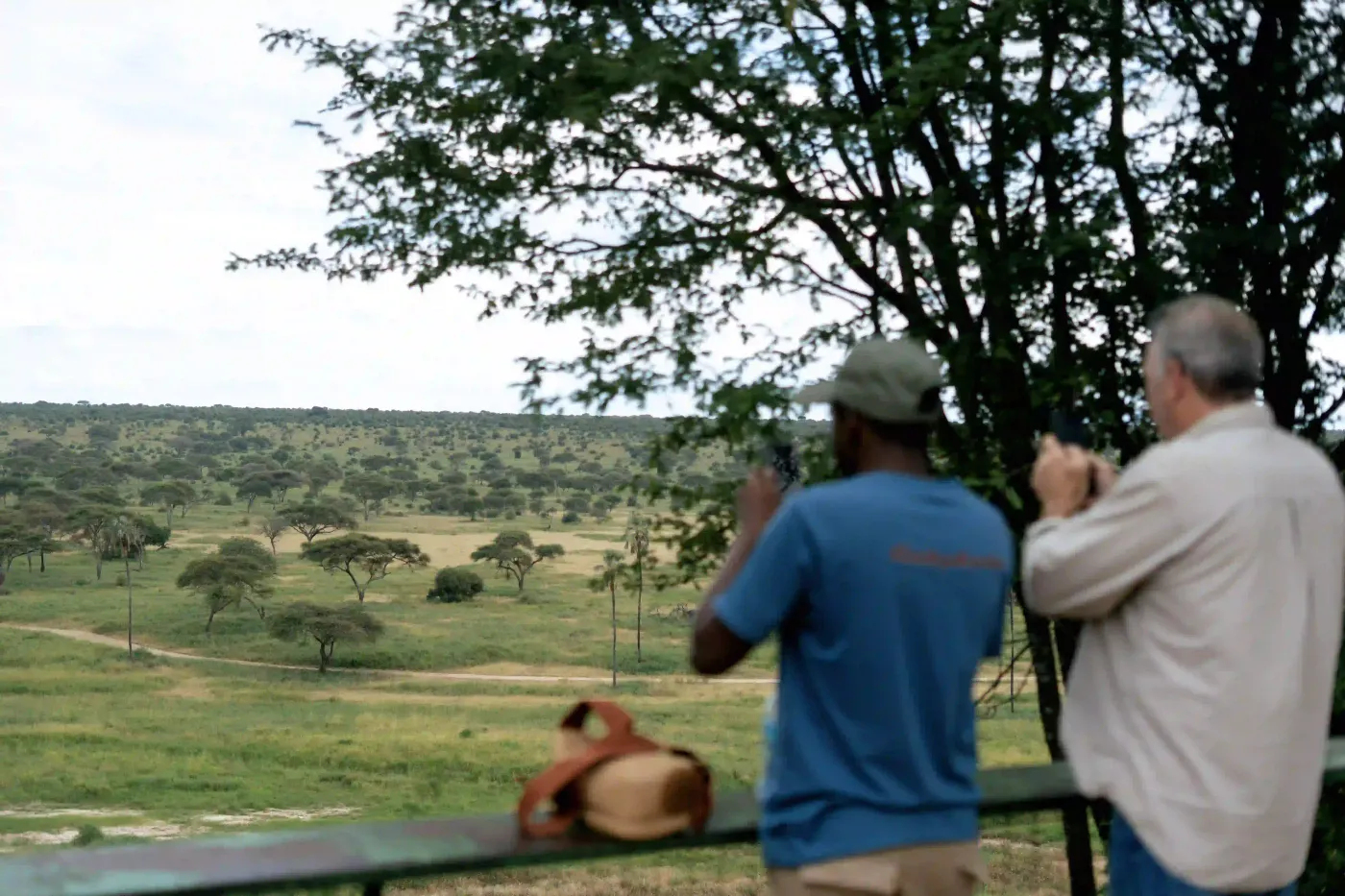
Budget Camping Safari
- Mobile tented & designated campsite nights
- Shared or private 4×4 options
2 Comments
18 Jun, 2025
We booked the Northern Circuit through Arusha and every hand-off—from JRO to Serengeti airstrips—felt calm. Our guide's radio etiquette around cats was flawless.
19 Jun, 2025
Same experience on the Zanzibar extension—stone town pacing one day, reef silence the next. The Arusha ops team was on WhatsApp within minutes whenever we had a question.
2 Jul, 2025
Nyerere by boat at dusk—hippos, herons, and our guide explaining how Tanzania balances tourism with conservation quotas. Unforgettable.