
Is Tanzania Safe for Safari? Angel’s Complete Guide
Introduction
One of the most important questions travellers ask before booking is: “Angel, is Tanzania safe for safari?” It is a fair question. Safari is exciting, but many guests are travelling far from home, sometimes with children, elderly parents, honeymoon partners, or a group of friends. They want to know whether they will be looked after, whether the parks are safe, and what they should do before arrival.
My honest answer is this: Tanzania is one of Africa’s most popular safari destinations, and many travellers visit every year for wildlife, beaches, trekking, and culture. A well-planned safari with a professional operator, experienced guides, reliable vehicles, and careful communication can feel safe, smooth, and relaxed. But like any international destination, Tanzania requires awareness, preparation, and respect for local rules.
Safety is not only about avoiding danger. It is about good planning. It is airport transfers, responsible driving, trained guides, medical preparation, travel insurance, park etiquette, respectful cultural behaviour, and knowing who to contact if plans change. This guide explains safari safety in a calm and practical way.
The best safari choice is the one that matches your travel style, not the one that only looks good on paper.
Angel says
Quick Answer: Is Tanzania Safe for Safari?
For most travellers who book with a professional safari company and follow guide instructions, Tanzania safari travel can be safe and enjoyable. The main safety risks are usually not from wildlife when guests follow rules; they are more often linked to poor planning, road travel, health preparation, petty crime in urban areas, or ignoring guide instructions.
It is important to check current travel advisories before departure. The U.S. Department of State currently advises travellers to reconsider travel to Tanzania due to unrest, crime, terrorism, and targeting of gay and lesbian individuals, with some areas carrying increased risk. Travel advisories can change, and travellers from different countries should check their own government’s advice before departure. This does not mean every safari area has the same risk, but it does mean travellers should stay informed and plan carefully.
Understanding Safety in Tanzania
Safety is a wide topic. Some travellers worry about wildlife. Others worry about health, airports, roads, crime, or political news. A good safari company should help you understand the real risks and reduce them through planning. That is why I prefer honest advice instead of telling every traveller, “Everything is perfect.”
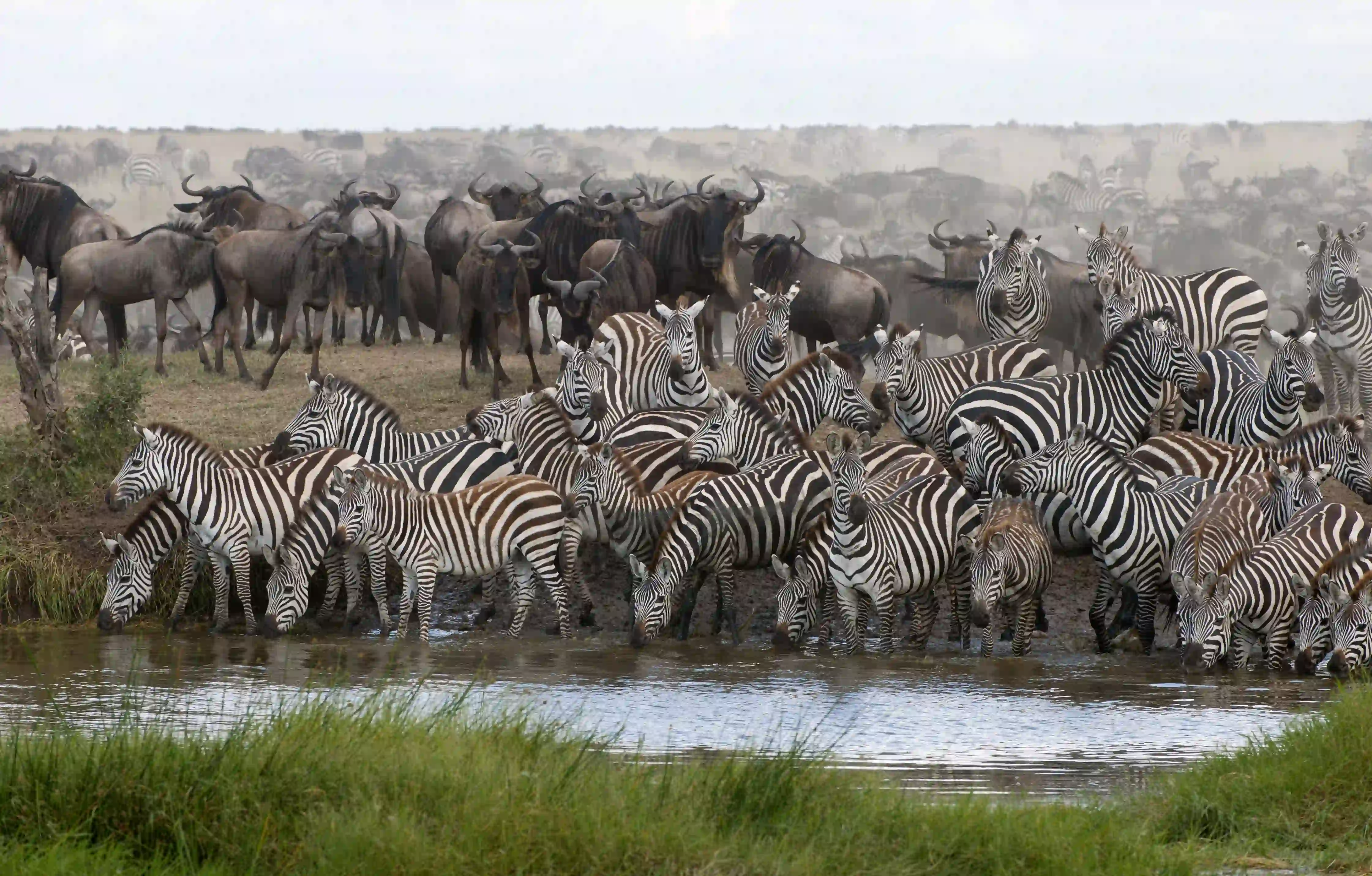
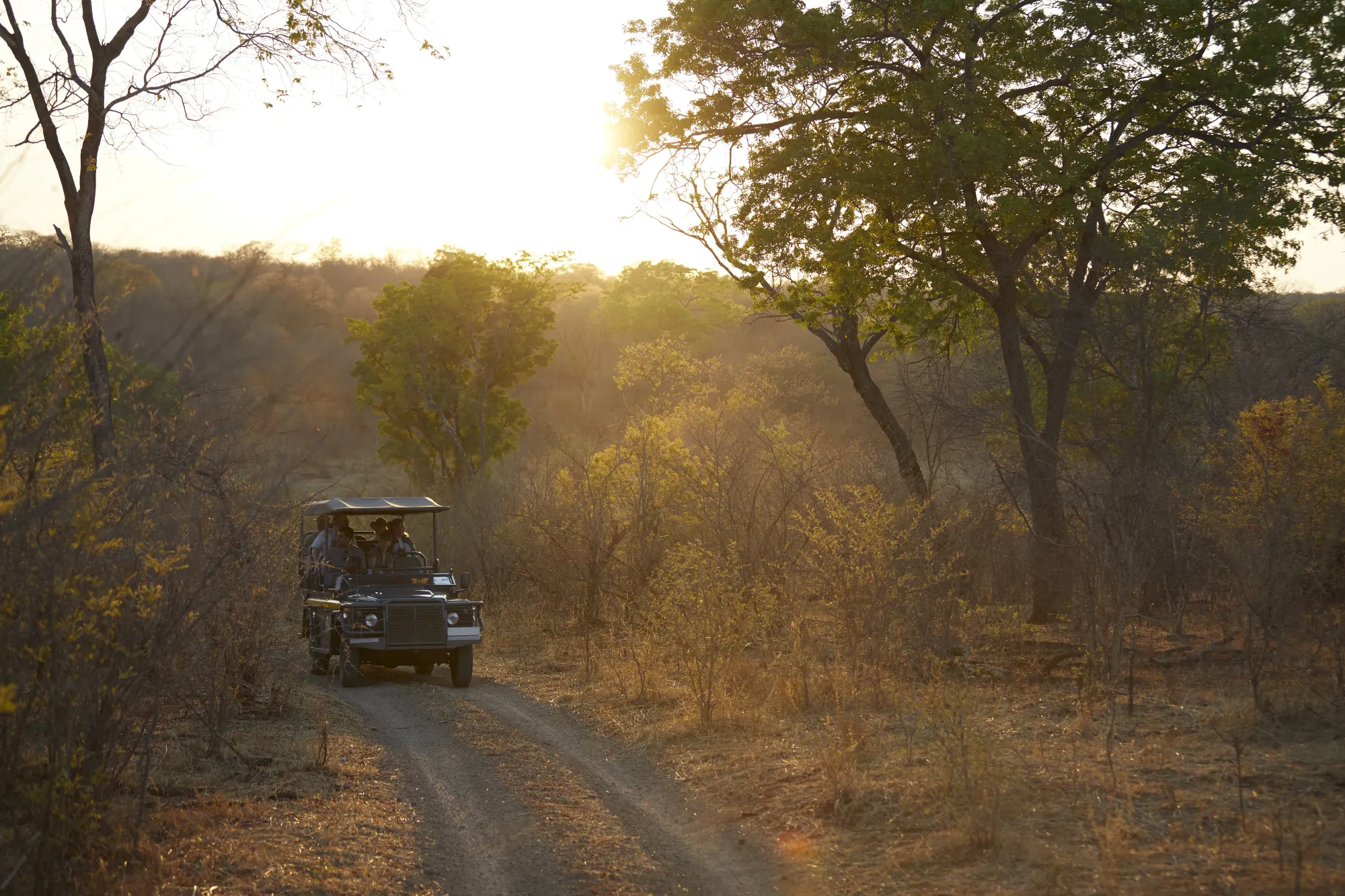
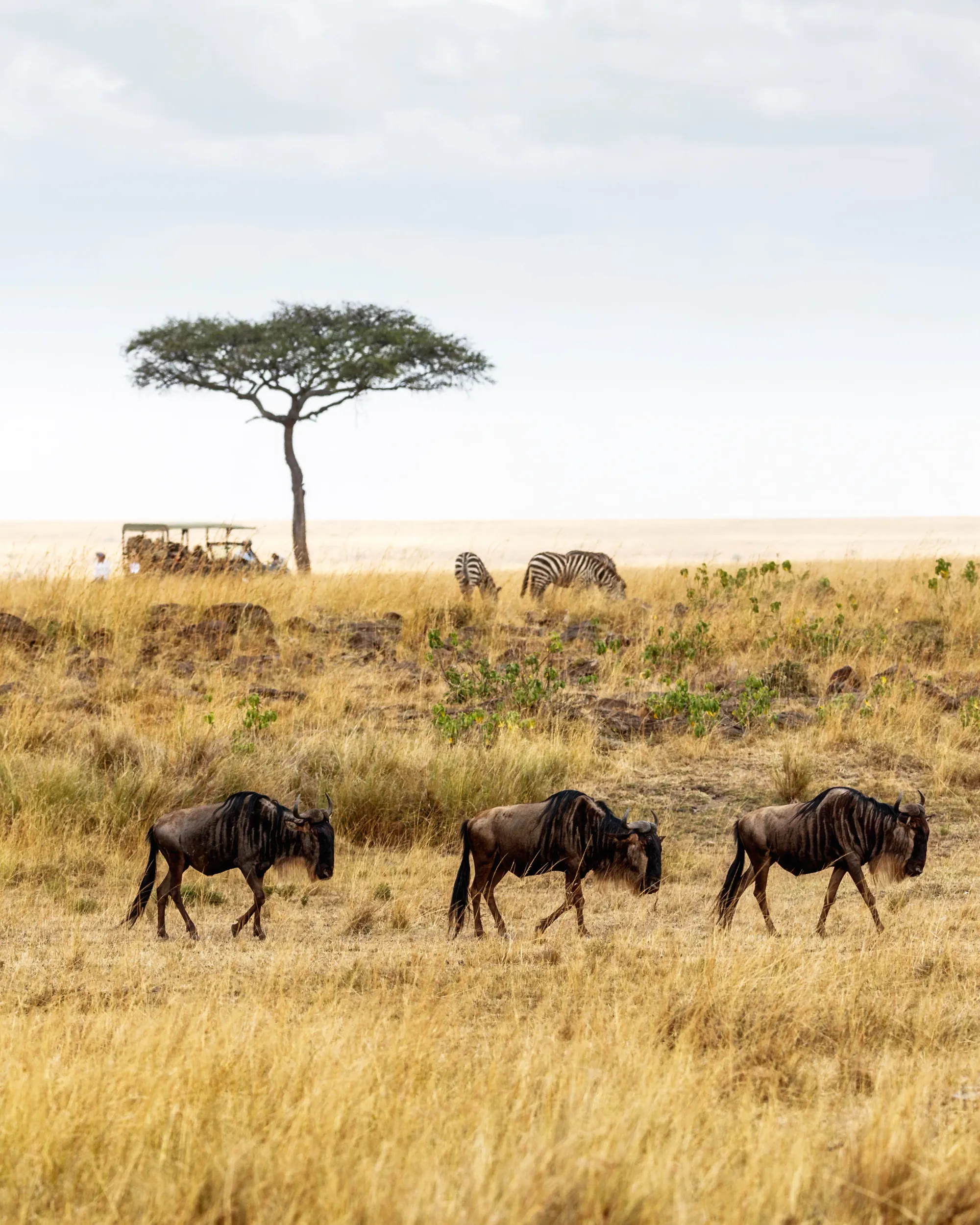
Tanzania’s famous safari areas, including Serengeti, Ngorongoro, Tarangire, Lake Manyara, Nyerere, Ruaha, and Mikumi, receive many visitors. Professional guides know the routes, park rules, animal behaviour, and lodge procedures. When guests listen to guides, wildlife viewing is usually controlled and respectful.
Urban areas require more normal travel awareness. In places like Arusha, Dar es Salaam, and Stone Town, visitors should avoid walking alone late at night, keep valuables secure, use trusted transport, and follow local advice. These are practical travel habits, not reasons to fear the destination.
Wildlife Safety on Safari
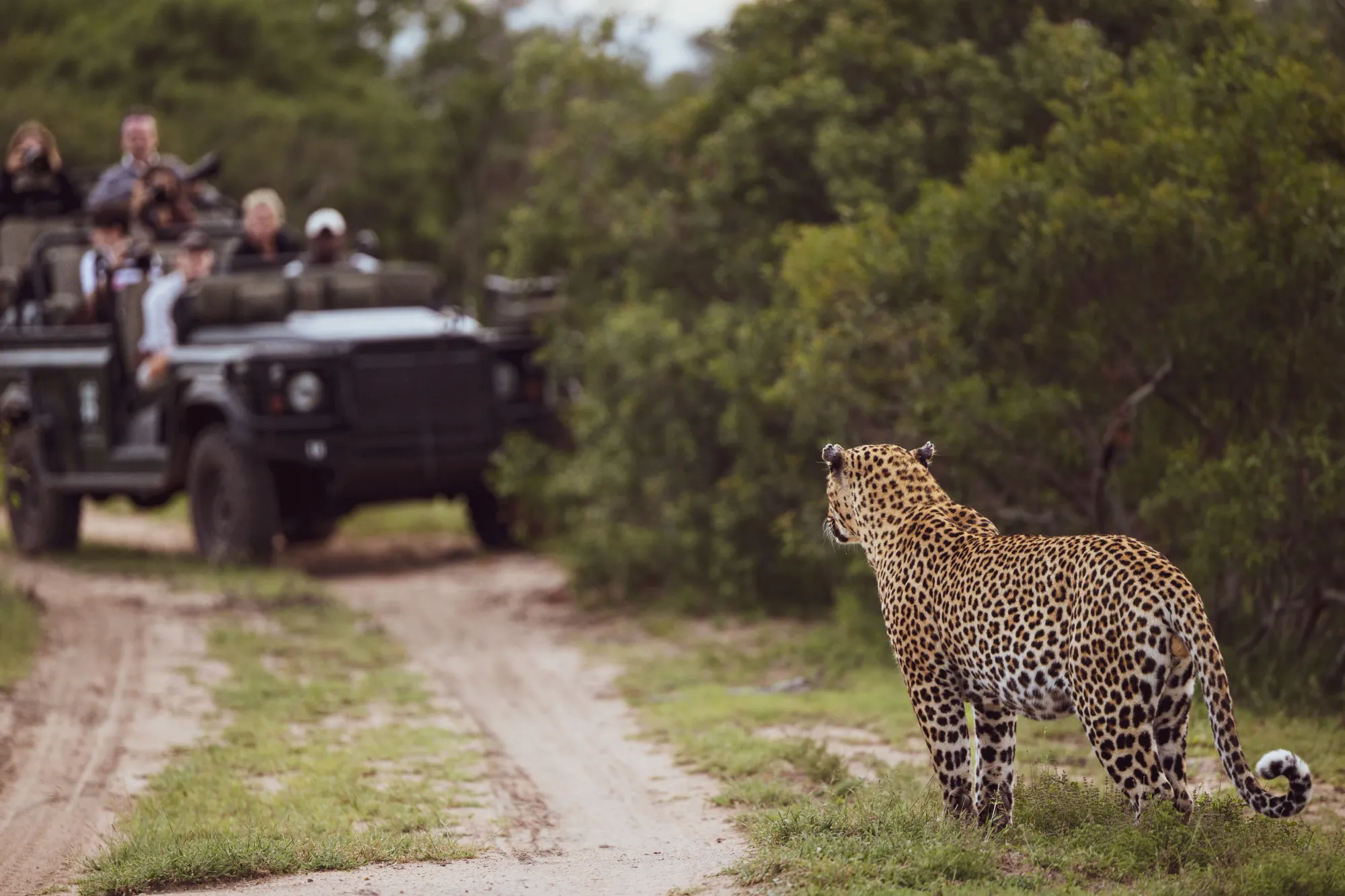
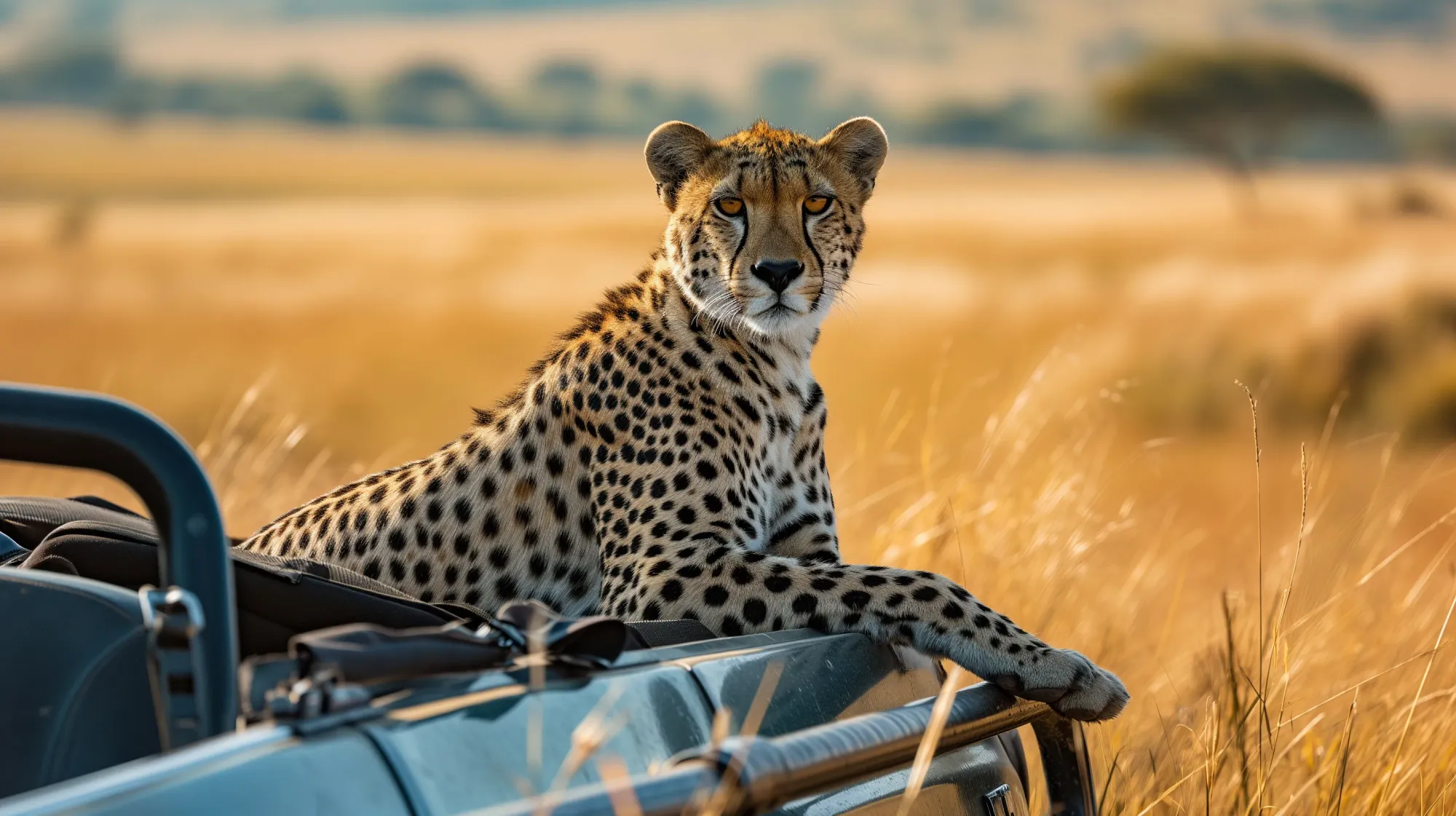
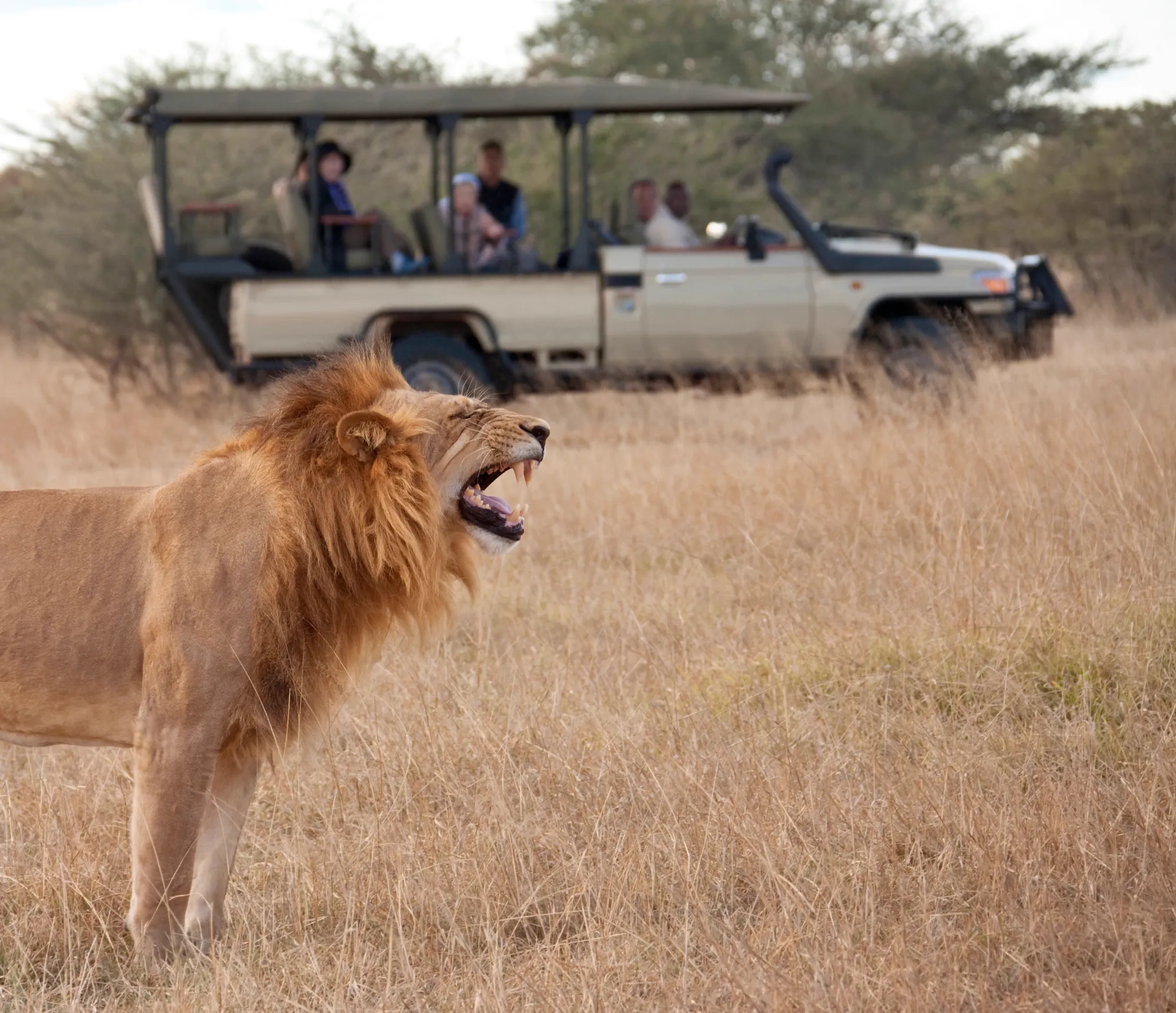
Wildlife safety begins with respect. Safari animals are wild, even when they look calm. Lions may sleep for hours, elephants may appear peaceful, and buffalo may stand quietly, but they are powerful animals. Your guide understands their behaviour better than you do, so always follow instructions.
In most national park game drives, guests stay inside the vehicle unless the guide says it is safe to get out at approved places. Do not stand up suddenly, shout, wave food, make animal sounds, or try to attract attention. Do not ask the guide to drive too close. Good wildlife viewing is not about disturbing animals; it is about observing them naturally.
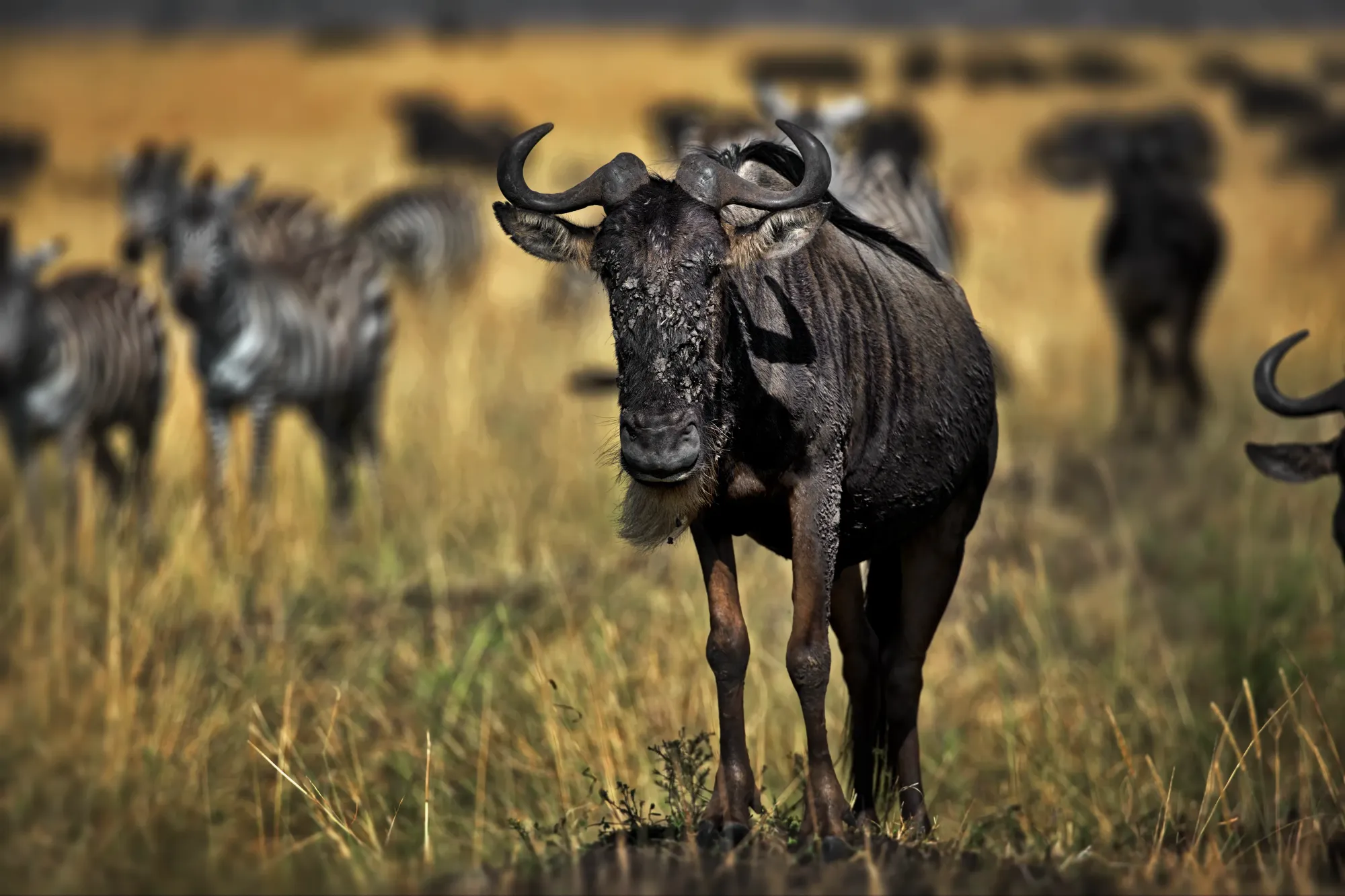
TANAPA and conservation authorities have rules to protect visitors, wildlife, and the environment. Walking safaris, night drives, and special activities must be done only where permitted and with qualified guides. This is one reason professional planning matters.
- Stay in the vehicle unless allowedPrevents dangerous encounters
- Keep voices lowAvoids stressing wildlife
- Do not feed animalsProtects natural behaviour and guest safety
- Do not block animal movementAllows wildlife to move freely
- Listen to the guideGuides read animal behaviour and risk
- Respect distanceBetter for safety and photography
Road Safety and Transfers
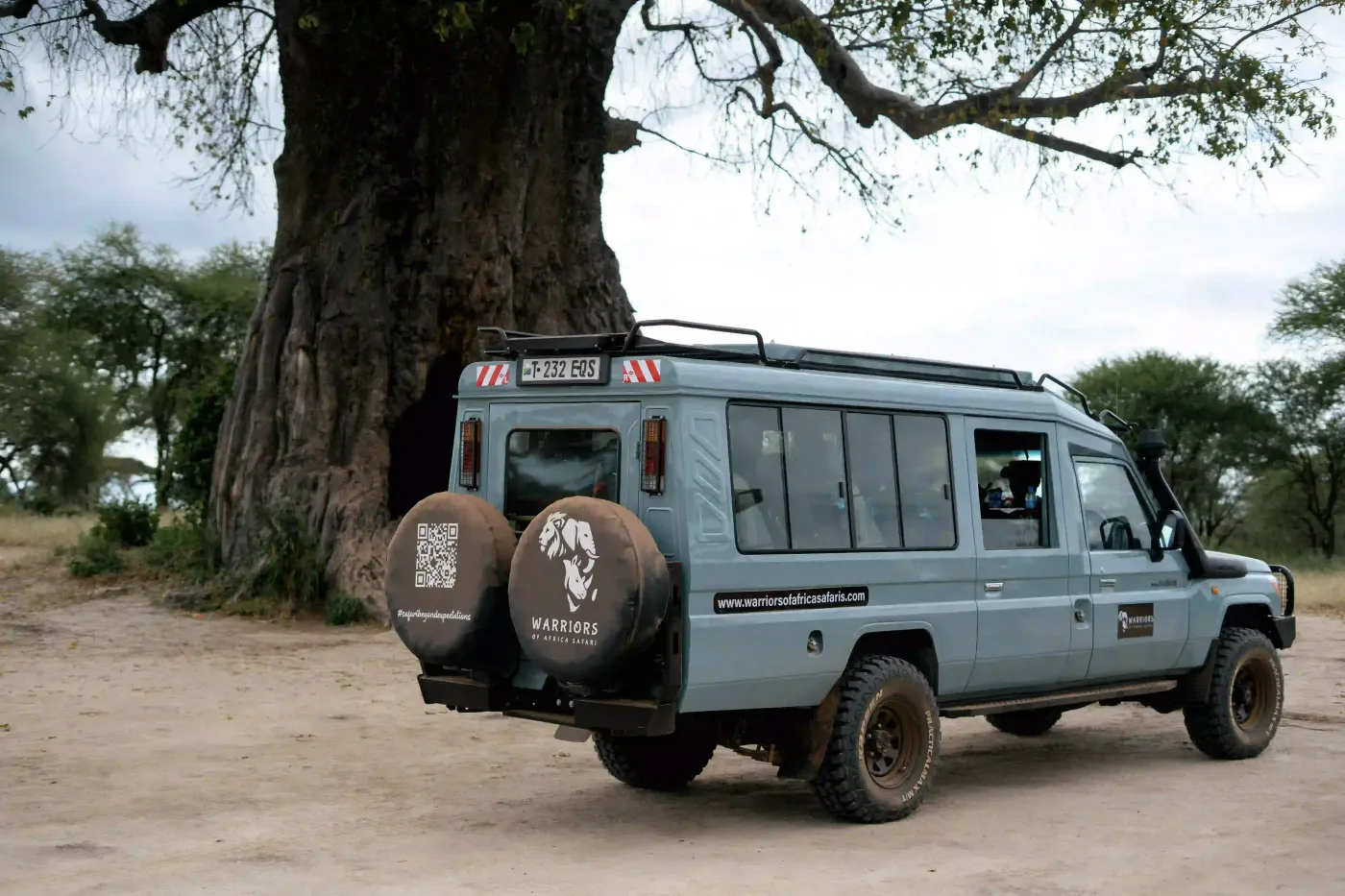
Road travel is one of the most important safety topics in Tanzania. Safari routes can include paved roads, gravel roads, park tracks, dust, rain, and long distances. A good vehicle and experienced driver-guide make a major difference.
Private transfers are safer and smoother than arranging random transport on arrival. Airport pickups should be planned before you land, especially if you arrive late. Your driver should have your name, trip details, and clear communication with the office. For long safari routes, the vehicle should be properly maintained and suitable for the terrain.
Fly-in safaris can reduce road time, especially for luxury guests or travellers visiting remote parks such as Nyerere, Ruaha, northern Serengeti, or multiple regions. They cost more, but they can improve comfort and reduce fatigue.
Health Safety: Vaccines, Malaria and Travel Clinics
Health preparation should start before the trip. The CDC Travelers’ Health page for Tanzania recommends travellers review vaccines and medicines with a healthcare professional and notes malaria prevention advice for certain areas. This is important because health advice depends on your medical history, route, season, and previous vaccinations.
Do not wait until the week before travel. Some vaccines or medicines need time. Travellers should also discuss malaria prevention, insect bite protection, food and water safety, altitude if climbing Kilimanjaro or Mount Meru, and any personal medical conditions.
Travel insurance is essential. It should cover medical emergencies, evacuation where appropriate, trip interruption, and activities you plan to do. If you are climbing mountains, check that trekking is covered. If you are travelling to remote parks, ask whether emergency evacuation is included or available.
- VaccinesSpeak to a travel clinic or doctor
- Malaria preventionAsk about medication and bite prevention
- Travel insuranceChoose strong medical and evacuation coverage
- Prescription medicineCarry enough plus extra
- Food and waterFollow lodge and guide advice
- Altitude tripsPrepare separately for Kilimanjaro or Meru
Safety for Families
Tanzania can be a wonderful safari destination for families when the trip is designed properly. The most important family safety factors are pacing, lodge choice, vehicle type, drive times, food, and guide personality. A private safari is often best for families because the schedule can adjust to the children.
Not every lodge accepts very young children, and some camps have age limits for walking safaris or certain activities. Parents should ask about family rooms, swimming pools, child-friendly meals, medical support, and whether long drives are suitable. Children should understand basic safari rules before arrival: no shouting at animals, no running around vehicles, and always listen to the guide.
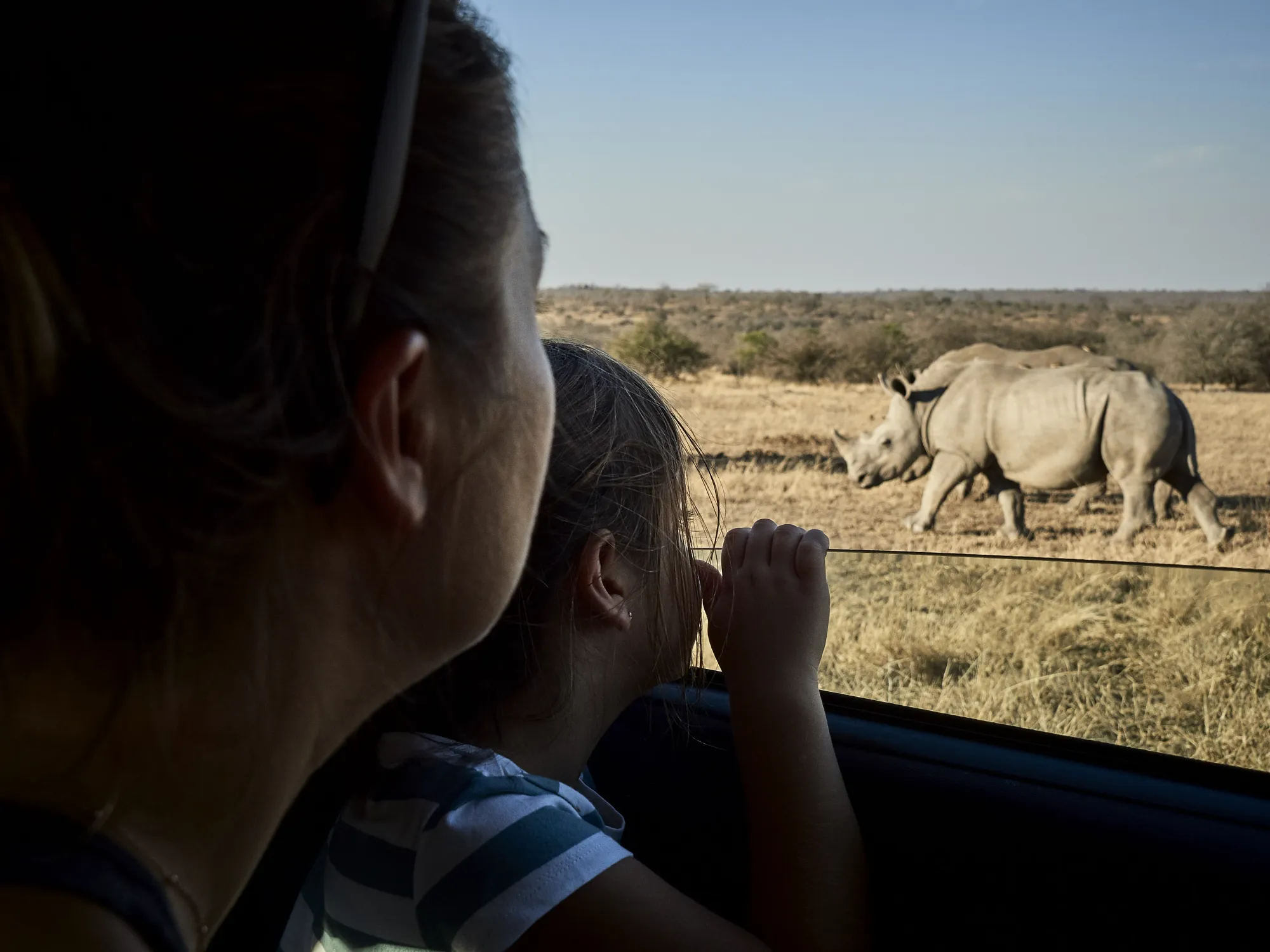
For families, safety also means avoiding exhaustion. A rushed itinerary with long drives every day can make children tired and parents stressed. It is better to slow down and enjoy fewer places properly.
Safety for Solo Travellers, Women and Seniors
Solo travellers can enjoy Tanzania safely with good planning. Private transfers, trusted accommodation, clear communication, and a reliable operator are important. Avoid arriving without a plan, especially at night. Share your itinerary with someone at home and keep emergency contacts accessible.
Women travellers should use the same practical caution they would use in many destinations: avoid isolated areas at night, use trusted transport, dress respectfully in towns and cultural areas, and communicate with the operator if anything feels uncomfortable. On safari, being with a professional guide and arranged lodges adds structure and support.
Senior travellers should focus on comfort, medical preparation, and pacing. Choose lodges with easier access, private vehicles, shorter drive times where possible, and clear medical planning. Safari can be comfortable at any age when it is not rushed.
- Solo travellersUse trusted transfers and clear itineraries
- Women travellersUse normal caution and professional transport
- FamiliesChoose private vehicles and child-friendly lodges
- SeniorsPlan slow pacing and accessible lodges
- HoneymoonersUse private routing and trusted resorts
- Student groupsUse organised group leadership and clear rules
Documents, Visa and Entry Safety
Entry preparation is part of travel safety. Tanzania Immigration’s official eVisa system allows travellers to apply online, and its ordinary visa information notes that a valid passport with at least six months validity is among standard requirements. Requirements can change based on nationality, so check official sources before travel.
Carry printed and digital copies of your passport, visa approval, travel insurance, flight tickets, itinerary, and emergency contacts. Keep original documents secure. Do not give your passport to unofficial people. At airports, follow official signs and use pre-arranged transfers.
If travelling with children, check whether additional documents are needed, especially if only one parent is travelling. Rules can change and may depend on your airline or transit country.
Money, Valuables and City Safety
Petty theft can happen in cities and busy areas, as it can in many parts of the world. Avoid displaying expensive jewellery, large amounts of cash, or unsecured camera gear in towns. Use hotel safes where available. Keep your day bag closed and close to you in markets or crowded places.
In safari lodges, the atmosphere is usually relaxed, but you should still take care of valuables. Do not leave passports, money, or electronics lying around unnecessarily. During game drives, keep cameras secure from dust and sudden movement.
Use trusted ATMs in safe locations if needed, preferably during daylight. Ask your guide or hotel where to go. Many safari packages include most major costs, so you may not need to carry much cash except for tips, drinks, souvenirs, or personal expenses.
Cultural Respect and Personal Safety
Respecting local culture is part of staying safe and welcome. Tanzania is warm and hospitable, but travellers should dress modestly in towns, villages, and Stone Town, especially away from beach resorts. Ask before taking photos of people. Avoid public arguments, political demonstrations, or sensitive discussions in public spaces.
The U.S. travel advisory also mentions risks for LGBTQ+ travellers. Travellers should review current advice, understand local laws and social context, and make decisions based on their personal comfort and risk tolerance. Warriors of Africa Safari can help with discreet, professional planning, but travellers should also consult official advisories.
Responsible cultural behaviour is not about fear. It is about respect.
Free 30-minute call with our trip designer
Schedule a free call with Amina Hassan to get honest advice on lodges, routes, and the best season for your dates.
Book a Free CallSenior Trip Designer · Based in Arusha
Angel’s Practical Safety Tips
Most safari safety problems can be reduced with preparation. Book with a professional operator. Share your health needs early. Do not hide medical conditions that may affect travel. Follow guide instructions. Avoid unnecessary night movement in cities. Use trusted transfers. Keep copies of documents. Buy travel insurance.
I also advise guests to communicate. If you feel unwell, tell your guide early. If a drive feels too long, say so. If you are nervous around certain animals, let your guide know. A good guide wants you to feel safe, not silent.
- Use pre-arranged transfersReduces arrival stress
- Follow guide instructionsKeeps wildlife viewing safe
- Check advisories before travelKeeps decisions informed
- Buy travel insuranceProtects against unexpected issues
- Pack medication properlyAvoids health stress
- Avoid demonstrationsReduces exposure to unrest
- Choose the right pacePrevents exhaustion
Good planning should make you feel calmer, not more confused.
Angel says
Emergency Planning and Communication
Emergency planning is not something to fear; it is something that gives peace of mind. Before departure, travellers should know who will meet them at the airport, which hotels or lodges are booked, which parks are included, and who to call if a flight is delayed. A professional safari company should monitor transfers and communicate with guides, lodges, and guests.
In remote safari areas, mobile signal may be limited. This is normal. Lodges and guides usually have their own communication systems, but guests should not expect city-level internet everywhere. Tell family or friends at home that you may be offline during game drives or while moving between remote camps.
If you have a medical condition, share the important details before travel. This allows the team to plan better lodge choices, road pacing, and emergency support. Safety improves when the operator has the right information early.
FAQs
Final Thoughts from Angel
Tanzania safari can be safe, beautiful, and deeply rewarding when planned well. The key is not to ignore safety, but to prepare for it calmly. Choose professional guides, reliable vehicles, thoughtful routes, proper health preparation, and clear communication.
At Warriors of Africa Safari, we want guests to feel safe, relaxed, cared for, and confident from the first message to the final transfer. Tell us who is travelling, your comfort needs, your travel dates, and any concerns you have. We will help design a safari that feels smooth, respectful, and secure.
Good planning should make you feel calmer, not more confused.
Angel says
5 Days Tanzania Safari
- Tarangire, Ngorongoro & Serengeti in one route
- Crater descent with picnic lunch
2 Comments
18 Jun, 2025
We booked the Northern Circuit through Arusha and every hand-off—from JRO to Serengeti airstrips—felt calm. Our guide's radio etiquette around cats was flawless.
19 Jun, 2025
Same experience on the Zanzibar extension—stone town pacing one day, reef silence the next. The Arusha ops team was on WhatsApp within minutes whenever we had a question.
2 Jul, 2025
Nyerere by boat at dusk—hippos, herons, and our guide explaining how Tanzania balances tourism with conservation quotas. Unforgettable.