
Kilimanjaro vs Mount Meru: Which Trek Is Right for You? Angel’s Complete Comparison
Introduction: Bigger Is Not Automatically Better
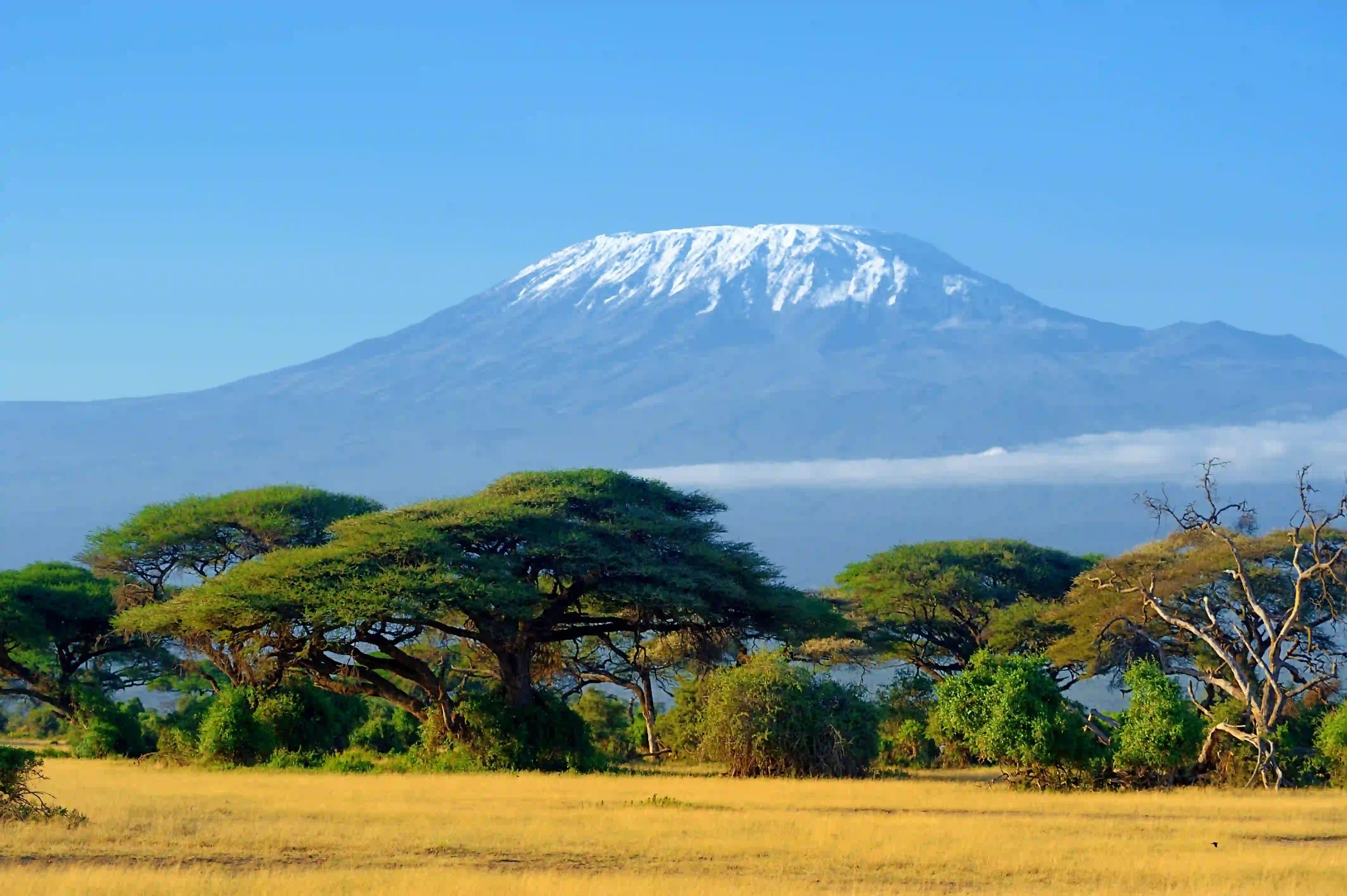
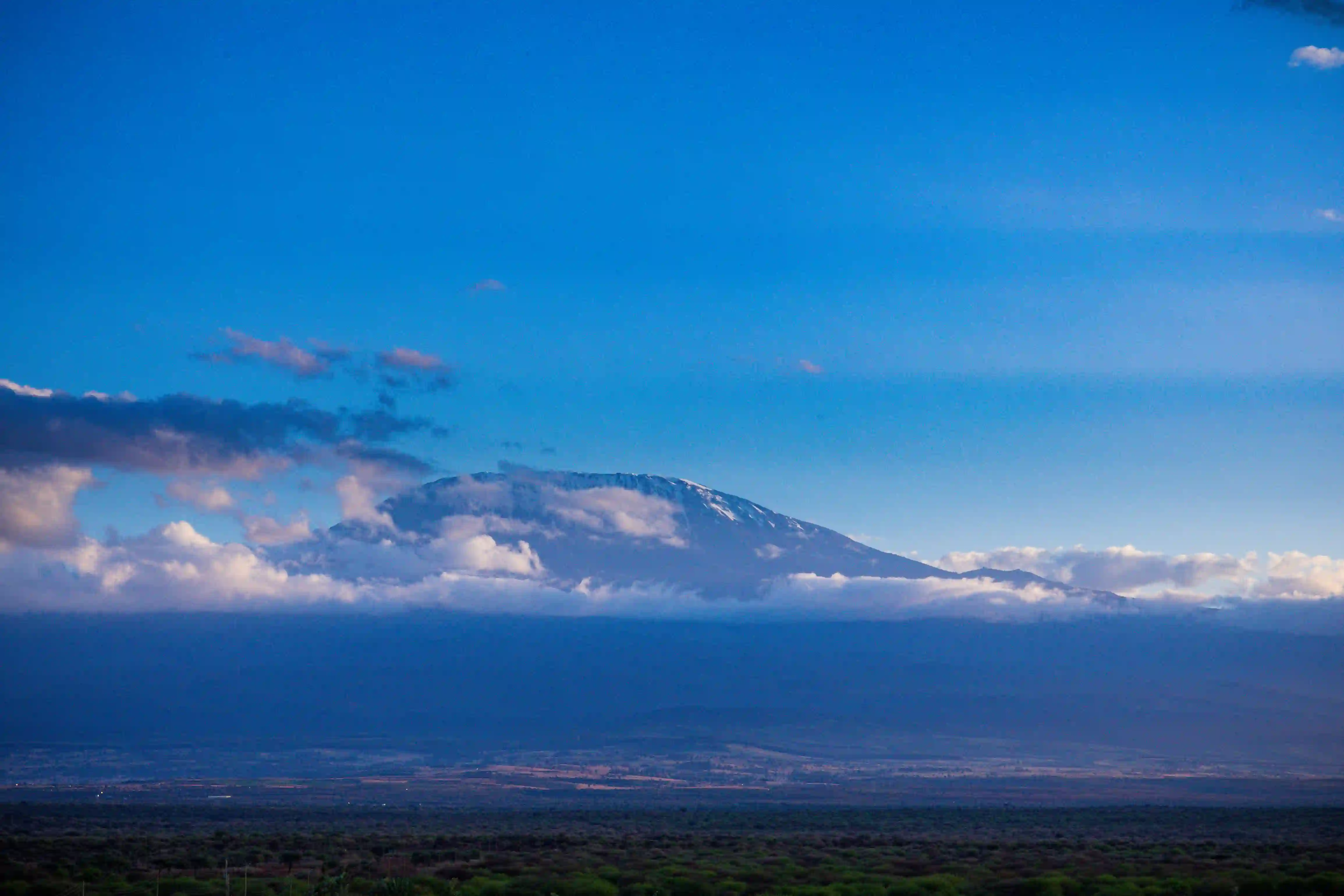
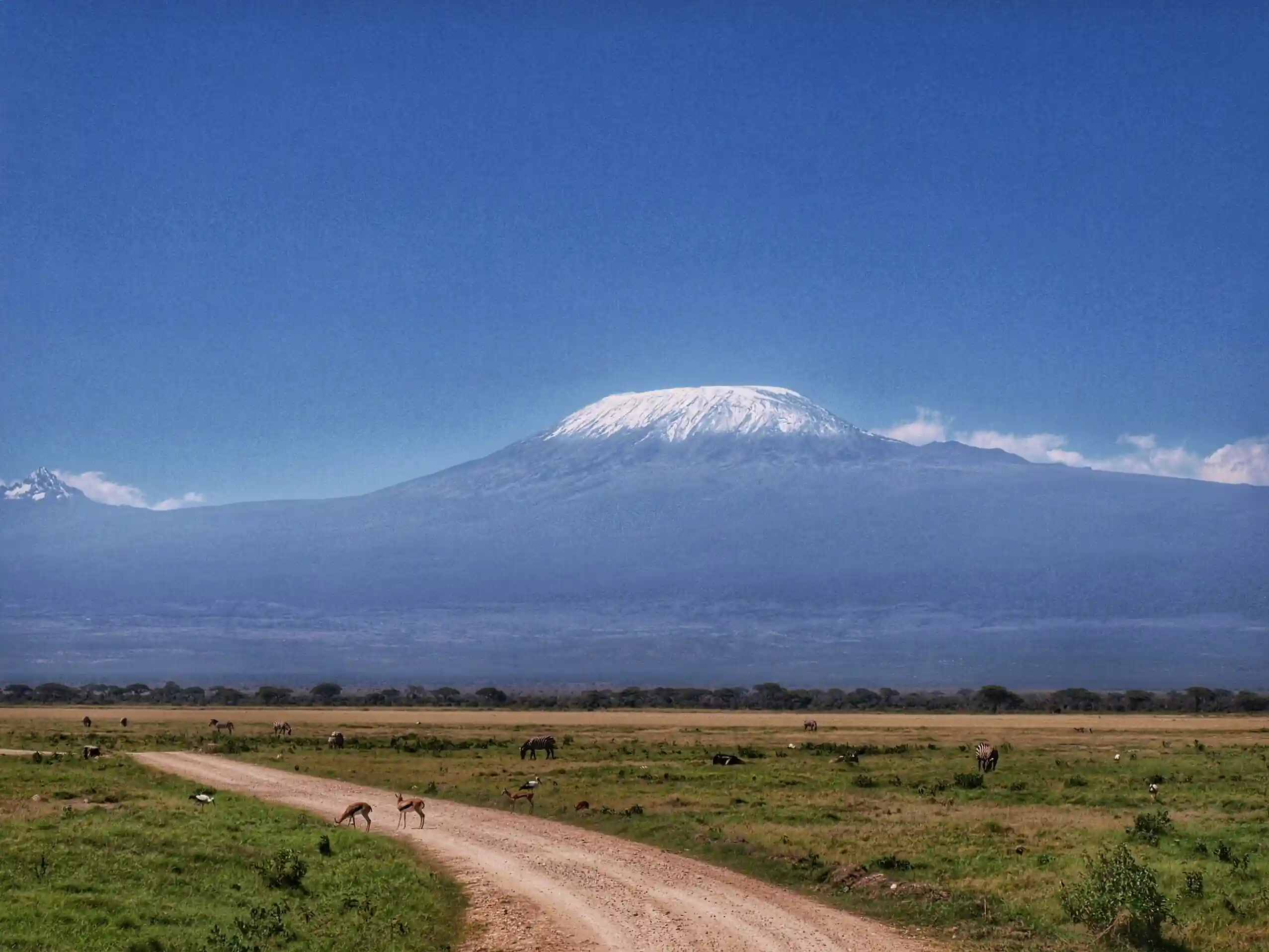
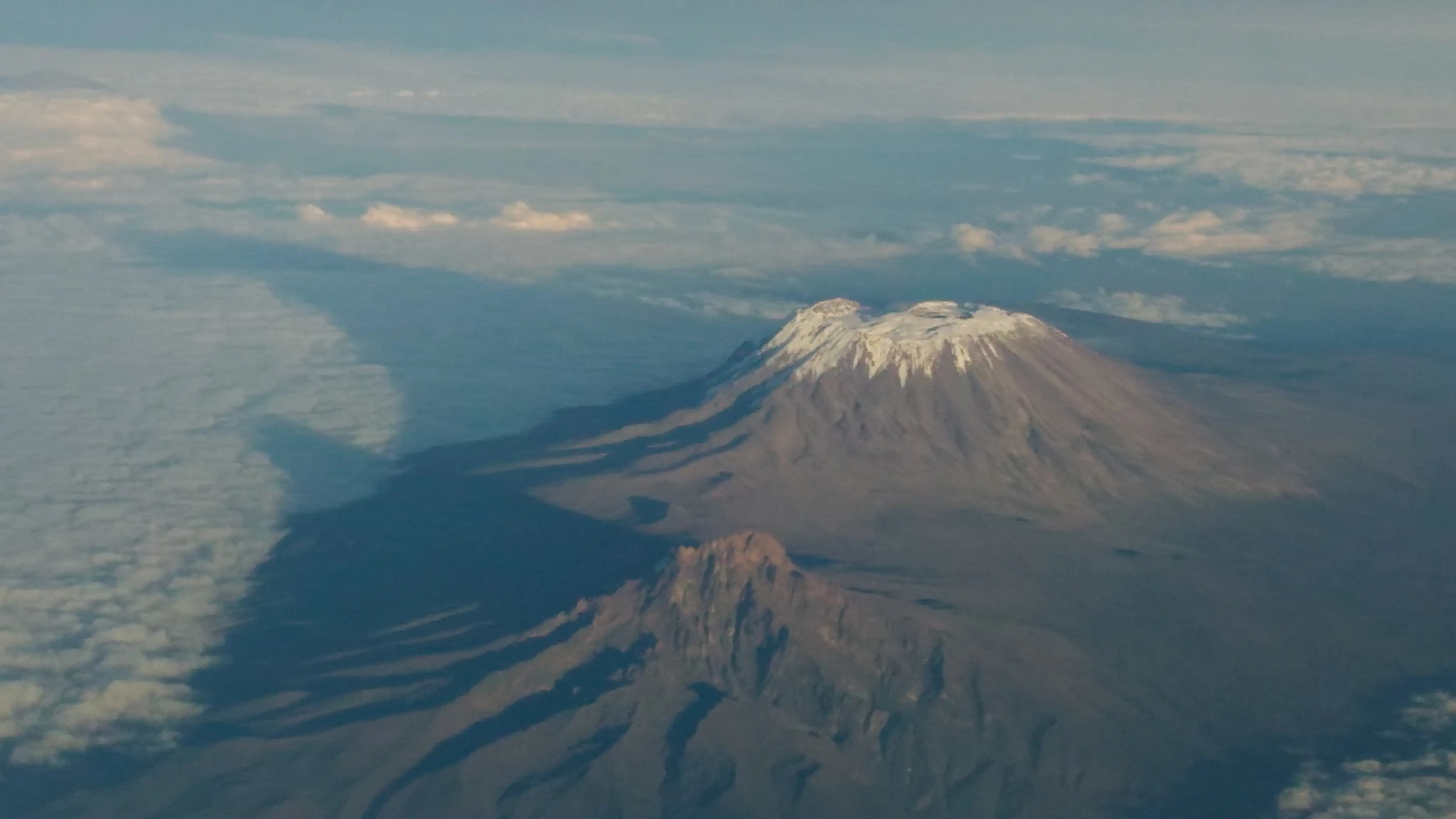
Kilimanjaro gets the headlines, and for good reason. At 5,895 metres it is Africa’s highest point. But Mount Meru offers a very different experience inside Arusha National Park, with a lower summit, a shorter itinerary and a strong sense of wilderness.
I am Angel from Warriors of Africa Safari, and I never treat Meru as a failed version of Kilimanjaro. TANAPA’s Arusha National Park information presents Mount Meru as a major park feature and an acclimatisation option before Kilimanjaro. UNESCO provides the official 5,895-metre context for Kilimanjaro.
The choice depends on your goal. Do you want Africa’s highest summit? A shorter trek? Fewer crowds? Wildlife context? A warm-up before Kilimanjaro? A lower budget? A less famous mountain?
This guide compares altitude, duration, difficulty, technical character, scenery, wildlife, crowds, accommodation, health, costs and who I would recommend each mountain to.
Choose the mountain whose experience you want, not the mountain whose name impresses other people.
Angel’s advice
Quick Answer: Kilimanjaro vs Mount Meru
1. Altitude: The Biggest Difference
Kilimanjaro’s 5,895-metre summit creates a much greater high-altitude challenge. UNESCO confirms it as Africa’s highest point.
TANAPA’s Arusha National Park brochure identifies Mount Meru at about 4,566 metres.
Both mountains are high enough for altitude illness to matter. Lower is not risk-free.
CDC explains that altitude illness becomes a concern when the body fails to adjust to elevation; individual medical advice matters.
2. Duration
Kilimanjaro commercial itineraries commonly span roughly five to nine or more trekking days depending on route.
Mount Meru is commonly climbed in a shorter multi-day format, often around three to four days.
Shorter duration makes Meru attractive to travellers with limited time.
However, a short itinerary can still be physically demanding.
3. Summit Goal
Kilimanjaro is for travellers who specifically dream of the highest point in Africa.
Meru offers no substitute for that symbolic goal, but it delivers its own crater-rim and volcanic landscape.
Some climbers value fame; others value a quieter mountain.
Be honest about what motivates you.
4. Technical Difficulty
Common Kilimanjaro trekking routes are generally non-technical, though terrain can be steep and summit night is severe.
Mount Meru can involve narrower, steeper and more exposed terrain near the summit ridge depending on conditions and route.
Neither should be described casually as easy.
Guide instructions and current trail conditions matter.
5. Physical Difficulty
Kilimanjaro usually demands more total days and greater altitude.
Meru can feel steeper and more concentrated.
A strong hiker may find Meru physically intense but recover sooner.
Fitness does not create immunity to altitude illness on either mountain.
6. Crowds
Popular Kilimanjaro routes can be busy in peak seasons.
Mount Meru is generally quieter and can feel more personal.
Crowd preference is a legitimate route decision.
Travellers who dislike busy trails often appreciate Meru.
7. Scenery
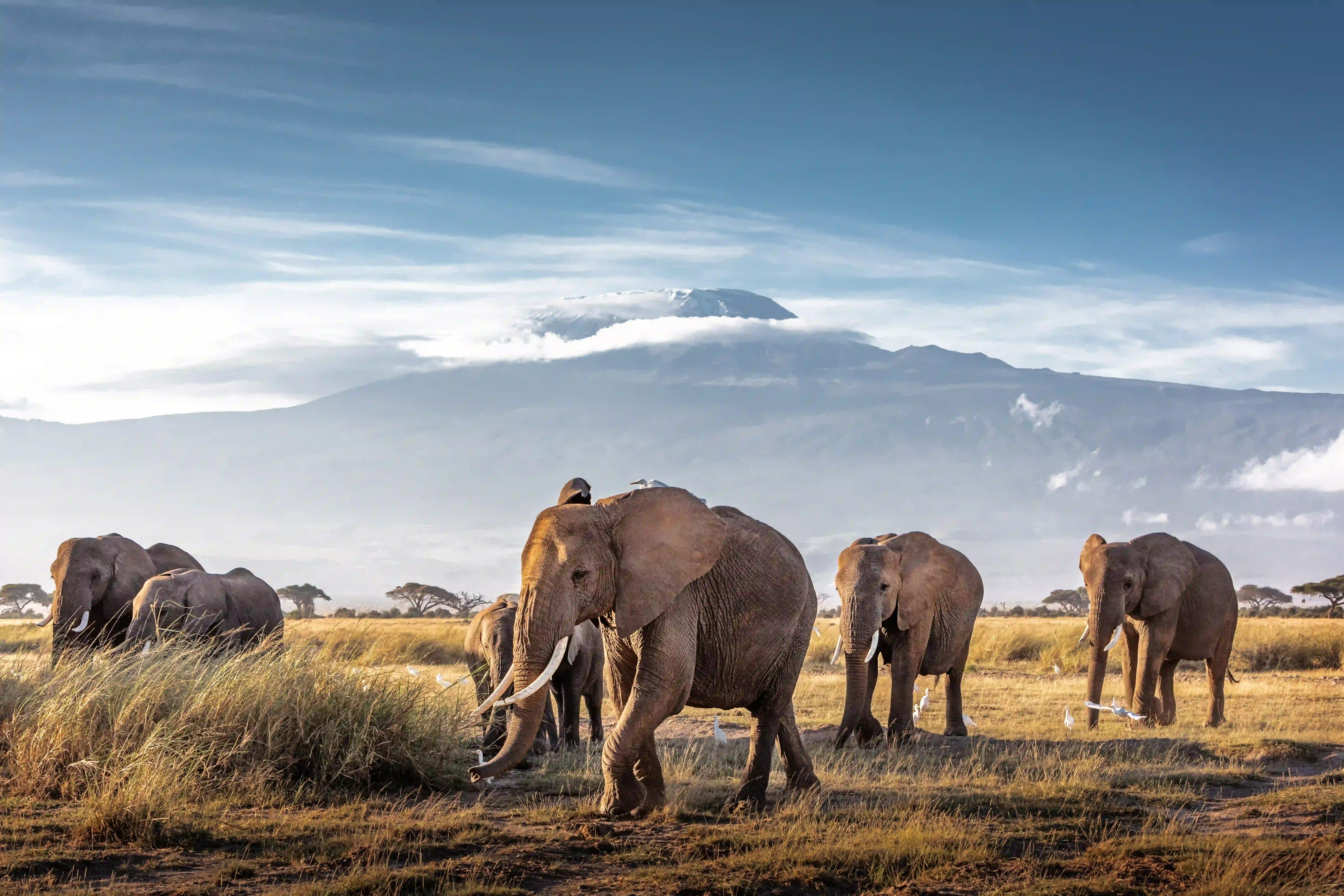
Kilimanjaro crosses dramatic ecological zones and has the scale of a giant volcanic massif.
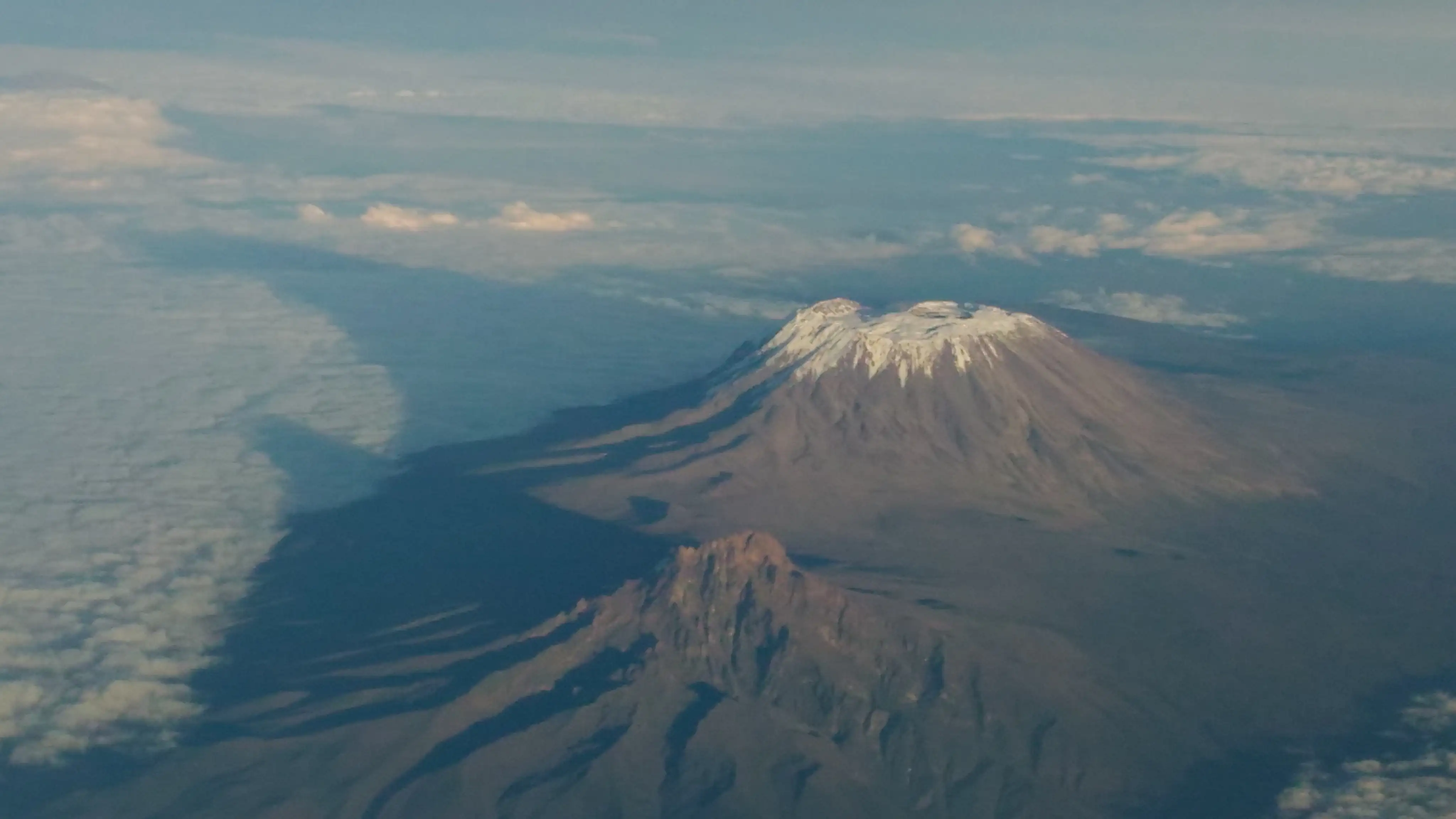
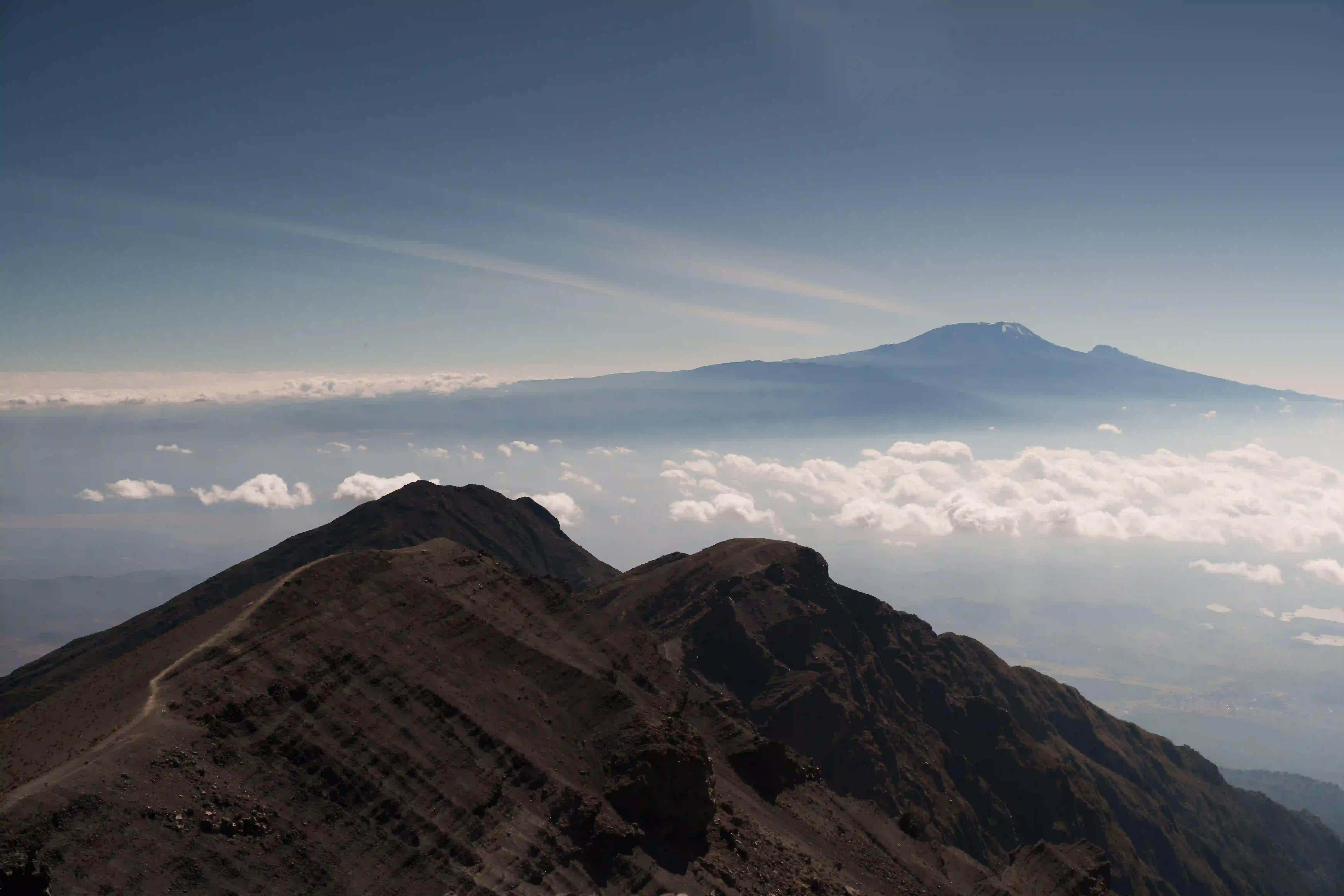
Meru offers forest, volcanic scenery, crater-rim views and, in good conditions, views toward Kilimanjaro.
The mountains are visually different rather than better and worse.
Photographers may enjoy both for different reasons.
8. Wildlife
Mount Meru sits inside Arusha National Park, where TANAPA highlights wildlife and varied habitats.
%20Arusha%20National%20Park.webp)
The approach can carry a stronger sense of wildlife context than the typical Kilimanjaro trek.
Ranger arrangements and park rules are part of the Meru experience.
Wildlife sightings are never guaranteed.
9. Accommodation
Kilimanjaro accommodation depends on route: most routes camp, while Marangu uses huts.
Mount Meru commonly uses mountain huts on the standard climb.
Travellers who dislike tents may appreciate this.
Huts do not remove cold, altitude or physical difficulty.
10. Acclimatisation Before Kilimanjaro
TANAPA explicitly presents Mount Meru as an acclimatisation warm-up before Kilimanjaro.
This can give trekking experience at altitude before the higher mountain.
It also adds fatigue and cost, so the sequence must include recovery.
No warm-up guarantees immunity from altitude illness.
11. Best for Beginners
A fit beginner may choose either mountain with proper preparation.
Meru can be shorter but steeper and more exposed.
Kilimanjaro can be less technically intimidating on standard routes but far higher.
The right answer depends on fear of exposure, altitude experience and time.
12. Best for Experienced Hikers
Experienced hikers may value Meru’s quieter feel and concentrated challenge.
Kilimanjaro offers a longer expedition and major altitude objective.
Strong hikers should still avoid overconfidence at altitude.
Choose by experience goal.
13. Best for Couples
Couples wanting a major bucket-list expedition may choose Kilimanjaro.
Couples wanting a shorter, quieter trek before safari may prefer Meru.
The stronger partner should not choose the route alone.
A private departure can support different pacing.
14. Best for Safari Combinations
Both mountains connect well with northern Tanzania safari.
Meru’s Arusha National Park location makes it geographically convenient before Tarangire, Ngorongoro or Serengeti.
Kilimanjaro can be followed by safari and Zanzibar for a longer three-part journey.
Recovery time should be built in.
15. Best for Budget
Meru is often less expensive overall because the climb is shorter and the expedition system is smaller.
Kilimanjaro has more park days, crew logistics and expedition costs.
Exact prices change and should be compared by inclusions.
Never choose an unsafe operator simply to save money.
16. Side-by-Side Decision Table
Free 30-minute call with our trip designer
Schedule a free call with Amina Hassan to get honest advice on lodges, routes, and the best season for your dates.
Book a Free CallSenior Trip Designer · Based in Arusha
17. Can You Climb Both?
Yes. Some travellers climb Meru first, recover, then attempt Kilimanjaro.
The advantage is extra trekking experience and altitude exposure.
The disadvantage is fatigue, cost and a much longer trip.
A clinician and operator should assess the individual plan; prior altitude exposure does not guarantee protection.
18. Sample Combined Itinerary
19. Common Comparison Mistakes
- Meru is easy because lowerStill a high and demanding mountain.
- Kilimanjaro is technical climbingCommon routes are trekking routes, though difficult.
- Meru guarantees acclimatisationNo guarantee.
- Kilimanjaro is always more scenicScenery is subjective.
- Shorter is always cheaper valueQuality and purpose matter.
- Fit means altitude-safeFalse.
20. My Recommendation by Traveller Type
Frequently Asked Questions
Final Thoughts from Angel
Kilimanjaro and Mount Meru are not substitutes. They are different mountain experiences.
At Warriors of Africa Safari, we choose between them by altitude goal, available days, crowd preference, trekking background and the wider safari plan.
Tell us what you want to feel at the end of the climb. That answer is often more useful than asking which mountain is famous.
Climb Kilimanjaro for the roof of Africa. Climb Meru because the mountain itself speaks to you.
Angel’s final advice
Detailed Decision Notes Before You Choose
Think about the purpose of the trip before the mountain. A traveller whose main dream is to stand on Africa’s highest point should not choose Meru only because it is shorter. They may finish satisfied with the climb but still feel they avoided the real goal. Conversely, someone who values quiet trails, wildlife context and a compact mountain experience may be happier on Meru than on a famous summit they never truly wanted.
Consider the number of nights you enjoy sleeping in mountain accommodation. Kilimanjaro can require a long sequence of camping nights depending on route, while Meru’s common hut-based format changes the routine. A climber who sleeps badly in tents may arrive at summit night on Kilimanjaro already depleted. Comfort preference is not weakness; it is information.
Fear of exposure deserves honest attention. A person can be aerobically strong and still become anxious on a narrow or steep ridge. Meru’s upper mountain can feel more exposed than the broad walking image many people associate with Kilimanjaro. Discuss this before booking rather than discovering it in darkness near the summit.
Altitude history is useful but not predictive. Someone who felt good at 3,500 metres on a previous trip may still struggle higher. A climber who felt mild symptoms once may do better on another itinerary. Use past experience to guide route length and medical discussion, not to create certainty.
The recovery plan also changes the best choice. Meru can fit into a shorter holiday with a safari afterward. Kilimanjaro often deserves more recovery before long game drives or beach flights. If annual leave is limited, a shorter mountain plus a deeper safari can create a better total trip than squeezing every experience around a longer expedition.
For photographers, decide whether the priority is mountain scale or varied wildlife context. Kilimanjaro offers dramatic ecological progression and the symbolic summit. Meru can add forest, volcanic ridges and the broader Arusha National Park setting. Neither mountain guarantees clear views, so weather flexibility remains important.
For couples, the strongest partner should not quietly set the objective. Talk about cold tolerance, camping, fear of exposure, pace and summit motivation separately. A route that is exciting for one person can become stressful for the other. The best shared expedition protects both people.
Finally, compare operators with the same seriousness as mountains. A well-supported Meru climb can be better than a poorly managed Kilimanjaro trip, and the reverse is true. Guide quality, health monitoring, crew welfare, food, equipment and emergency decisions shape the experience more than the mountain name alone.
More Questions to Ask Yourself
Ask how much uncertainty you are comfortable carrying. On Kilimanjaro, the summit goal can dominate the entire journey and altitude may force a change even when fitness is strong. On Meru, the objective is lower but the summit ridge and weather can still require conservative decisions. A traveller who needs certainty may find either mountain emotionally challenging.
Ask what kind of post-climb memory you value. Some people want the symbolic photograph at Uhuru Peak. Others remember the quiet of a forest trail, a volcanic ridge or seeing wildlife before the climb. The best choice is often revealed by which memory excites you most before you start comparing statistics.
Ask how much of your total Tanzania budget should go to the mountain. A longer Kilimanjaro expedition can reduce what remains for safari, private guiding or Zanzibar. A shorter Meru climb can leave more budget and time for a deeper overall journey. Neither allocation is universally better.
Kilimanjaro Trekking
- Machame or Lemosho routing with acclimatization
- KPAP-compliant crew ratios and safety briefings
2 Comments
18 Jun, 2025
We booked the Northern Circuit through Arusha and every hand-off—from JRO to Serengeti airstrips—felt calm. Our guide's radio etiquette around cats was flawless.
19 Jun, 2025
Same experience on the Zanzibar extension—stone town pacing one day, reef silence the next. The Arusha ops team was on WhatsApp within minutes whenever we had a question.
2 Jul, 2025
Nyerere by boat at dusk—hippos, herons, and our guide explaining how Tanzania balances tourism with conservation quotas. Unforgettable.