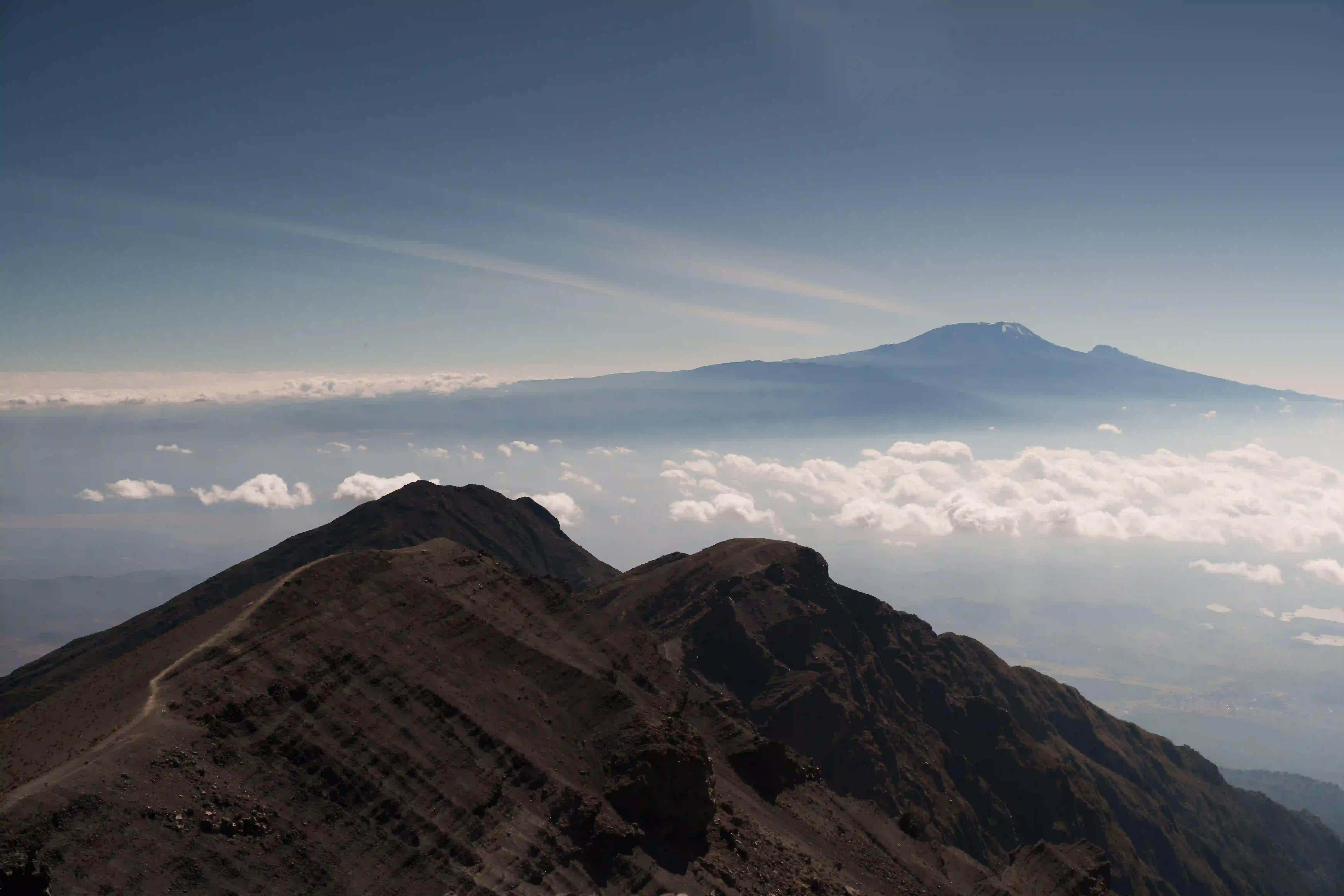
Mount Kilimanjaro Packing List: Angel’s Complete Gear and Clothing Guide
Introduction: Good Gear Cannot Remove Altitude, but Bad Gear Can Ruin a Strong Climb
Packing for Kilimanjaro is difficult because the mountain asks one bag to handle several environments. You may begin in warm conditions, move through wet forest, cross exposed heath and alpine terrain, sleep in cold camps and attempt the summit in severe wind and low temperatures.
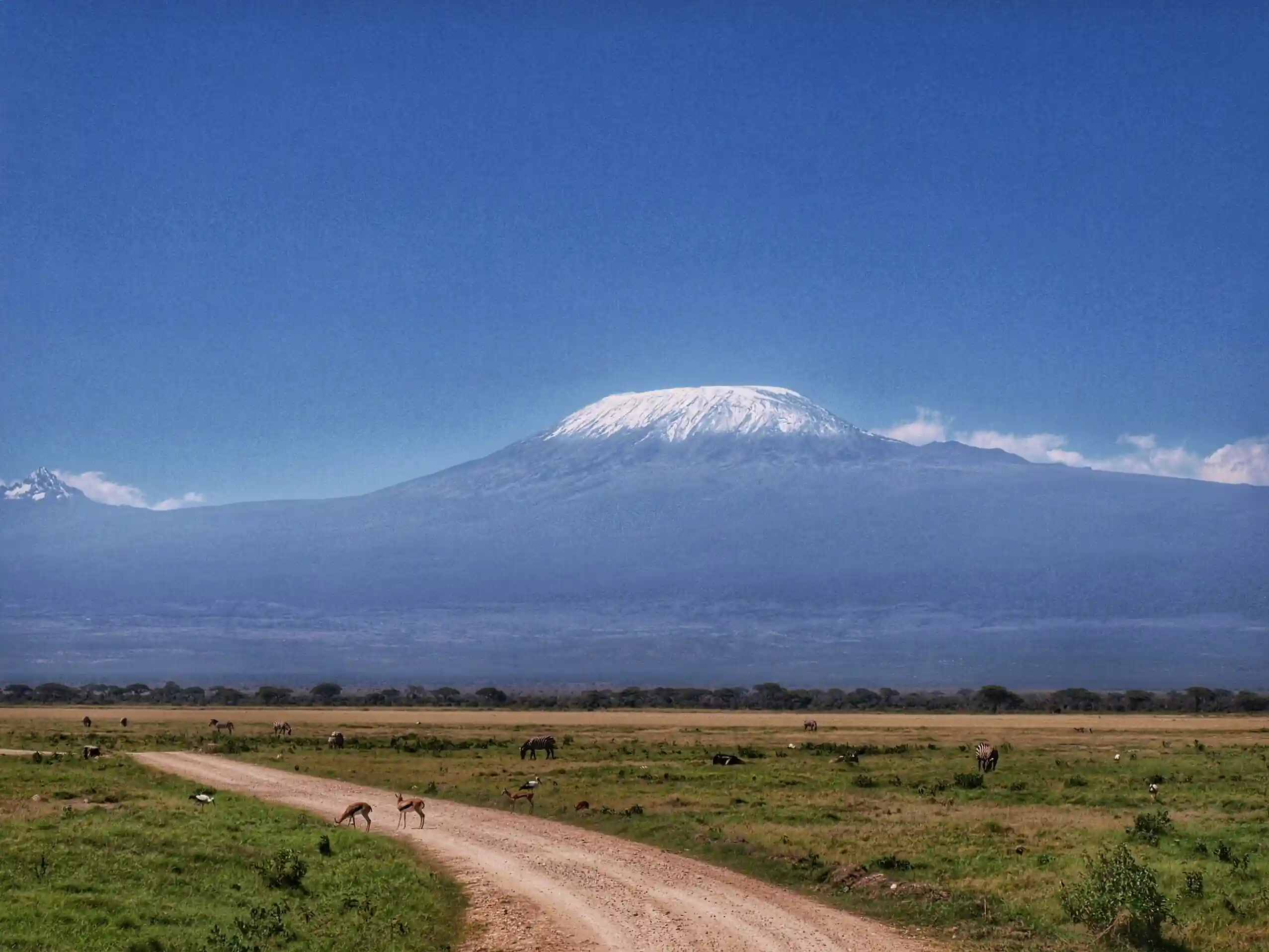
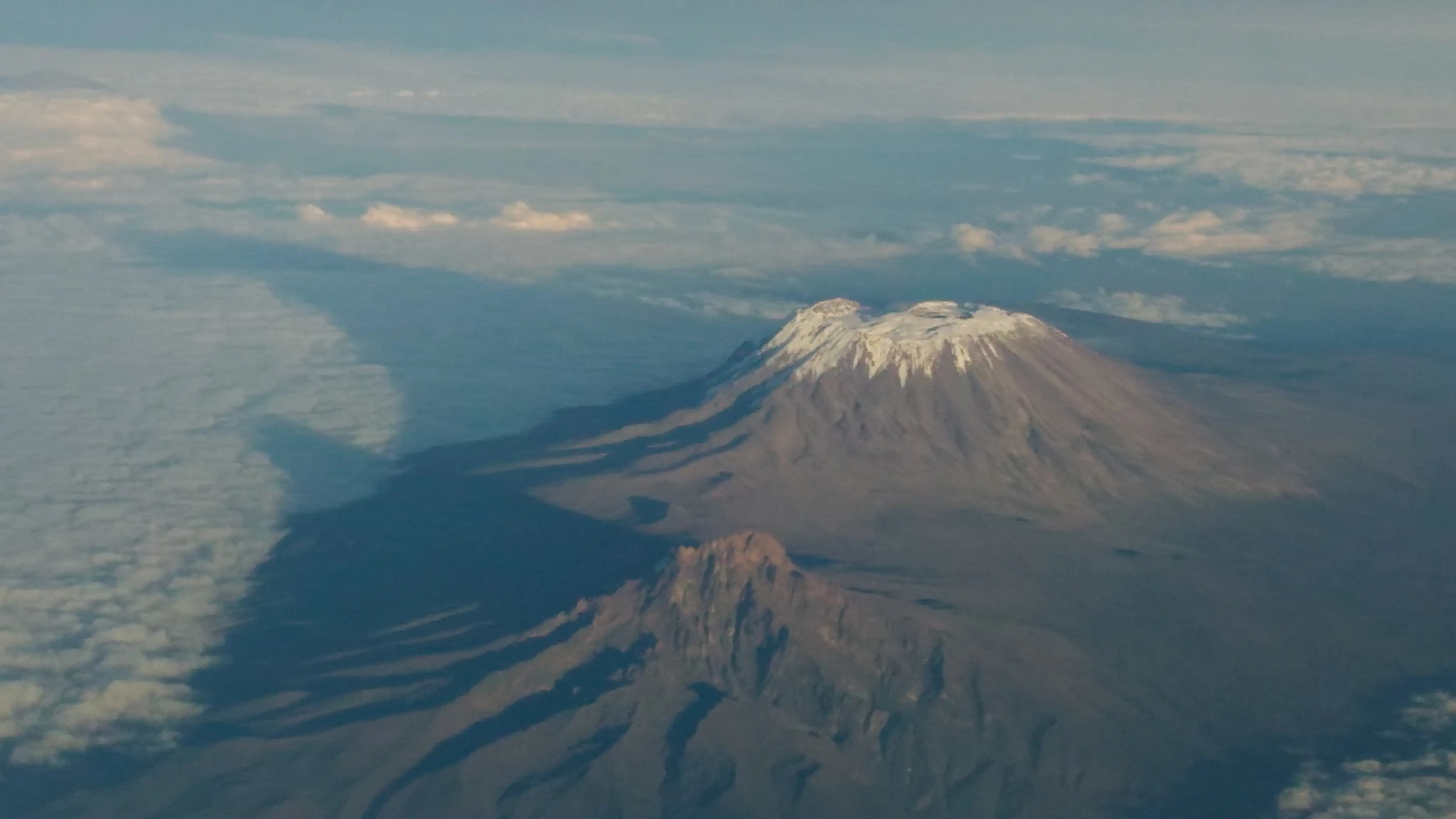
I am Angel from Warriors of Africa Safari, and my first packing rule is simple: do not pack for Moshi. Pack for the whole mountain. UNESCO identifies Kilimanjaro as Africa’s highest point at 5,895 metres, while TANAPA’s official material shows the range of environments and regulated mountain context.
My second rule is that a packing list should match the exact route, number of days, season and operator system. A Marangu trek with huts is not identical to an eight-day camping route. Rental arrangements, porter systems and baggage limits should be confirmed before you buy expensive equipment.
This guide separates essentials from optional items and explains why each category matters. It also covers summit night, common mistakes, rented gear, documents, electronics, hygiene, women-specific considerations, medications and combining the climb with safari or Zanzibar.
Buy less, test more. A familiar jacket and broken-in boots are worth more than a suitcase of brand-new expedition gear.
Angel’s advice
Quick Answer: The Core Kilimanjaro Packing System
1. Hiking Boots: The Most Important Item to Test
Choose boots that fit your feet and the terrain rather than copying another climber. Mid-height waterproof hiking boots are common, but the exact model matters less than fit, grip and familiarity.
Break boots in on long walks and descents. A boot that feels comfortable for twenty minutes in a shop may create heel lift or bruised toes after six hours.
Test the socks you will wear with the boots. Do not introduce a new insole system during the expedition.
Carry critical footwear in hand luggage when possible under airline rules because replacing familiar boots after delayed baggage is difficult.
2. Socks and Foot Care
Bring several pairs of trekking socks suited to your feet and expected conditions. Some climbers like liners; others do not.
Rotate socks so feet stay as dry as possible. Wet feet increase discomfort and can contribute to blister problems.
Pack a small personal blister-care kit and learn how to use it before travel. Serious wounds need professional attention.
Trim toenails sensibly before the trip and practise downhill walking because descent can punish toes.
3. Base Layers
Base layers sit next to the skin and help manage moisture. Synthetic and wool options are common.
You do not need a fresh base layer every day. Pack enough to rotate while respecting porter-weight systems.
For summit night, a dry thermal base can be psychologically and physically valuable.
Avoid cotton as your main cold-weather system because it can remain wet and uncomfortable.
4. Mid Layers
A fleece or similar mid layer adds adjustable warmth. The best system lets you add or remove insulation without unpacking the whole bag.
One lighter active layer and one warmer layer can work better than one extremely bulky garment.
Test movement with your shell jacket over the top.
Do not assume all fleece weights are equal; choose by actual warmth and layering.
5. Insulated Jacket
A warm down or synthetic jacket is one of the key high-altitude items. It is useful in cold camps and during the summit attempt depending on conditions.
Down offers excellent warmth-to-weight but needs protection from moisture. Synthetic insulation can retain more performance when damp.
The jacket should fit over lower layers without restricting movement.
Rental may be available, but inspect fit and condition before the climb.
6. Waterproof Shell Jacket and Trousers
Rain protection is essential in every season because mountain weather is variable. A historically dry month does not guarantee a dry week.
The jacket should provide real weather protection rather than functioning only as a light city raincoat.
Waterproof trousers should fit over trekking clothing and be easy enough to put on when weather changes.
Test the full system with your backpack and layers.
7. Trekking Trousers and Lower-Body Layers
Use comfortable trekking trousers that dry reasonably quickly and allow movement.
A thermal bottom layer can be important for cold evenings and summit night.
Some climbers carry soft-shell trousers for wind and cold. The exact system depends on route and personal tolerance.
Avoid packing many heavy jeans or fashion trousers for the mountain.
8. Gloves: Use a Layered System
Hands can become a serious weak point on summit night. I prefer a liner glove plus a warmer insulated outer glove or mitten system.
The liners help with zips, poles and small tasks without exposing bare skin for long.
Warm outer gloves must fit without compressing circulation.
Test holding trekking poles and opening your jacket while wearing them.
9. Hats, Buff and Face Protection
Bring a sun hat or cap for lower and exposed sections, plus a warm beanie for cold camps and summit night.
A buff or neck gaiter can help with dust, wind and warmth.
Sunglasses with strong UV protection are essential at altitude.
Sun protection should include sunscreen and lip protection.
10. Sleeping Bag and Sleep System
Sleep quality affects the entire climb. Confirm whether the operator provides sleeping bags, what rating is appropriate and whether a liner is useful.
Temperature ratings are not universal comfort guarantees. Cold sleepers may need a warmer system.
A sleeping mat may be provided on camping routes, but confirm thickness and condition.
Keep sleep clothing dry and reserve it when possible.
11. Daypack
Your daypack should carry water, rain gear, warm layers, sun protection, snacks, camera and personal essentials.
A pack in the roughly 25-40 litre range is common, but body size and operator advice matter more than one number.
Use a rain cover plus internal waterproof organisation because a cover alone may not protect against driven rain.
Train with the loaded pack.
12. Duffel Bag and Porter System
Operators commonly use porter-carried duffels on camping routes, with weight limits and packing rules.
Confirm the exact limit before travel. Do not assume an international checked-baggage allowance is relevant to the mountain.
Use waterproof inner bags or dry sacks to protect clothing and sleeping gear.
Respect porter systems and do not hide excess weight.
Free 30-minute call with our trip designer
Schedule a free call with Amina Hassan to get honest advice on lodges, routes, and the best season for your dates.
Book a Free CallSenior Trip Designer · Based in Arusha
13. Water System
Hydration is important, but water systems can freeze near the summit. Many climbers carry insulated bottles as well as a hydration bladder lower down.
Confirm how drinking water is treated and supplied by your operator.
Practise drinking regularly during training.
Anyone with medical fluid restrictions should follow clinician advice.
14. Trekking Poles
Trekking poles can help with balance and reduce stress on descents for some climbers.
They are most useful when you have practised with them. Poor technique can create frustration.
Adjust length for ascent and descent.
Check airline packing rules because poles may not be accepted in hand luggage.
15. Headlamp
A reliable headlamp is essential for summit night and camp movement.
Carry spare batteries or a dependable charging plan appropriate to cold conditions.
Test the lamp with gloves.
Do not depend only on a phone flashlight.
16. Electronics and Charging
Cold drains batteries quickly. Keep critical electronics warm when practical and carry power banks within airline rules.
Remote camps may have limited or no charging.
Bring the correct Tanzania plug adapter for hotel use and confirm voltage requirements for devices.
A phone can be useful, but do not make the expedition dependent on constant connectivity.
17. Toiletries and Hygiene
Pack compact toiletries, hand sanitiser, tissues, menstrual products where needed and a small quick-dry towel if advised.
Wipes can help, but all waste must be managed responsibly according to operator and park systems.
Do not overpack full-size cosmetic bottles.
Bring high-SPF sunscreen and lip protection.
18. Personal Medication and First Aid
Carry prescribed medication in hand luggage and bring enough for the trip plus a reserve.
CDC warns that Kilimanjaro’s altitude can cause altitude sickness and recommends discussing prevention and treatment with a doctor.
Do not copy another climber’s prescription plan. Medication decisions require qualified medical advice.
Tell the guide about significant symptoms rather than hiding them.
19. Documents and Money
Carry passport, visa or entry documents as applicable, travel-insurance details, emergency contacts and booking confirmations.
Keep digital backups securely.
Tips, rentals and local payments should be planned according to operator guidance.
Do not carry large amounts of visible cash on the mountain.
20. Women-Specific Packing Considerations
Menstrual products should be packed in sufficient quantity because preferred brands may be difficult to replace during the expedition.
A personal hygiene plan is useful for cold camps and limited washing.
Sports bras, base layers and underwear should be tested on long training days.
Any medication or health concerns should be discussed with a clinician.
21. Summit Night Packing Checklist
22. What to Rent vs Buy
23. Packing for Safari After Kilimanjaro
Do not take every mountain item into the safari vehicle. Arrange stored luggage where your itinerary allows.
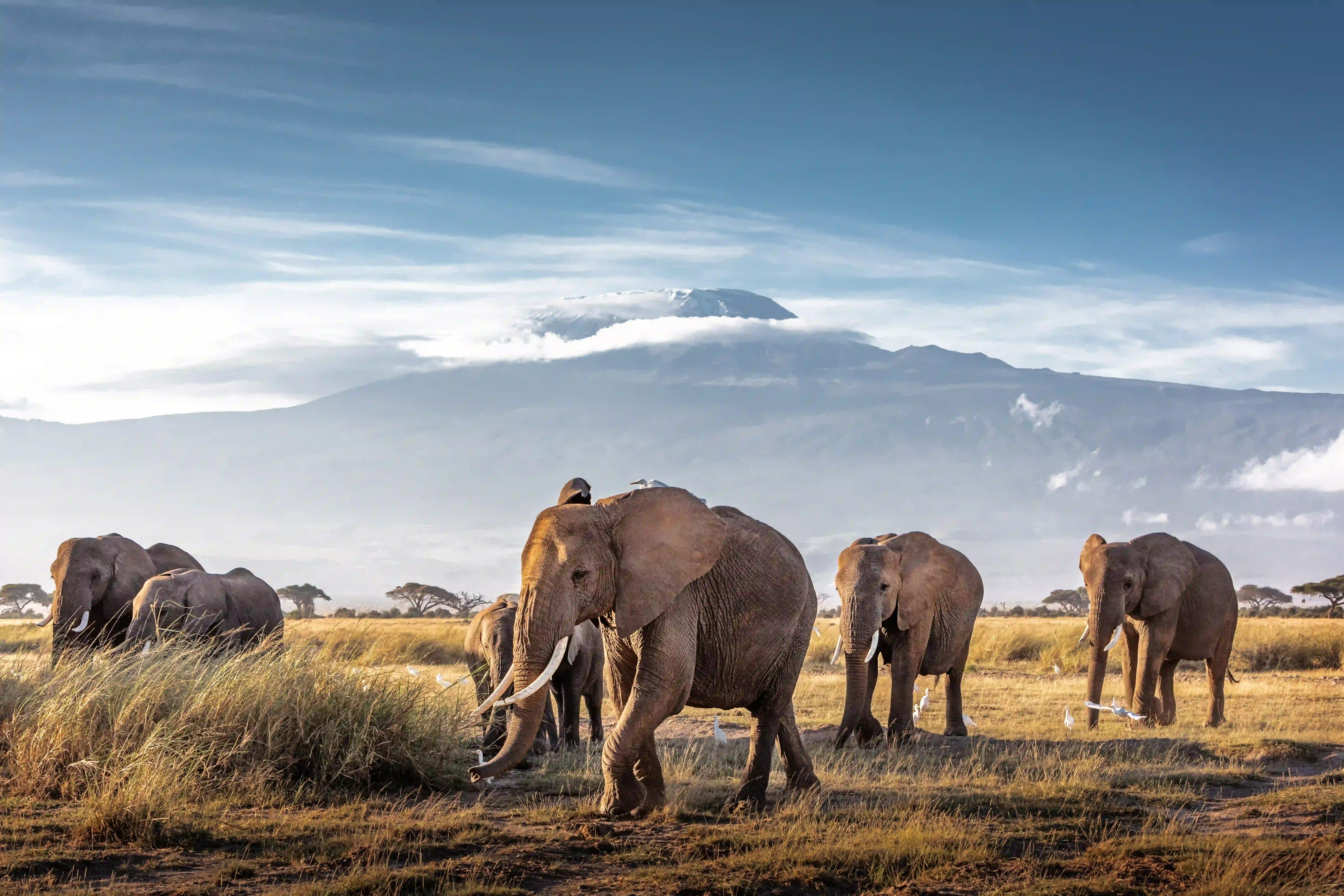
Safari needs lighter clothing, sun protection and camera gear, while cold mountain layers can remain packed.
A recovery hotel between climb and safari can support laundry and repacking.
If a bush flight is involved, confirm baggage limits before leaving home.
24. Packing for Zanzibar After Kilimanjaro
Add swimwear, light breathable clothing, sandals and modest clothing for cultural areas.
Do not let the beach wardrobe double the total luggage unnecessarily.
Soft-sided luggage is often easier when domestic flights are involved.
Keep sunscreen and any marine equipment needs separate from mountain gear.
25. Common Packing Mistakes
Frequently Asked Questions
Final Thoughts from Angel
A strong Kilimanjaro packing list is not the longest list. It is a tested system that keeps you warm, dry and organised without burdening the mountain team.
At Warriors of Africa Safari, we match the equipment list to route, season, rental plan and the rest of your Tanzania journey.
Tell us what you already own and what you plan to rent. That is the best starting point.
The mountain rewards preparation. Test your boots, test your layers and know where your summit gloves are before you need them.
Angel’s final advice
Kilimanjaro Trekking
- Machame or Lemosho routing with acclimatization
- KPAP-compliant crew ratios and safety briefings
2 Comments
18 Jun, 2025
We booked the Northern Circuit through Arusha and every hand-off—from JRO to Serengeti airstrips—felt calm. Our guide's radio etiquette around cats was flawless.
19 Jun, 2025
Same experience on the Zanzibar extension—stone town pacing one day, reef silence the next. The Arusha ops team was on WhatsApp within minutes whenever we had a question.
2 Jul, 2025
Nyerere by boat at dusk—hippos, herons, and our guide explaining how Tanzania balances tourism with conservation quotas. Unforgettable.