
Mount Meru Climb Guide: Angel’s Complete Trekking and Safari Planning Guide
Introduction: Tanzania’s Other Great Mountain Deserves Its Own Story
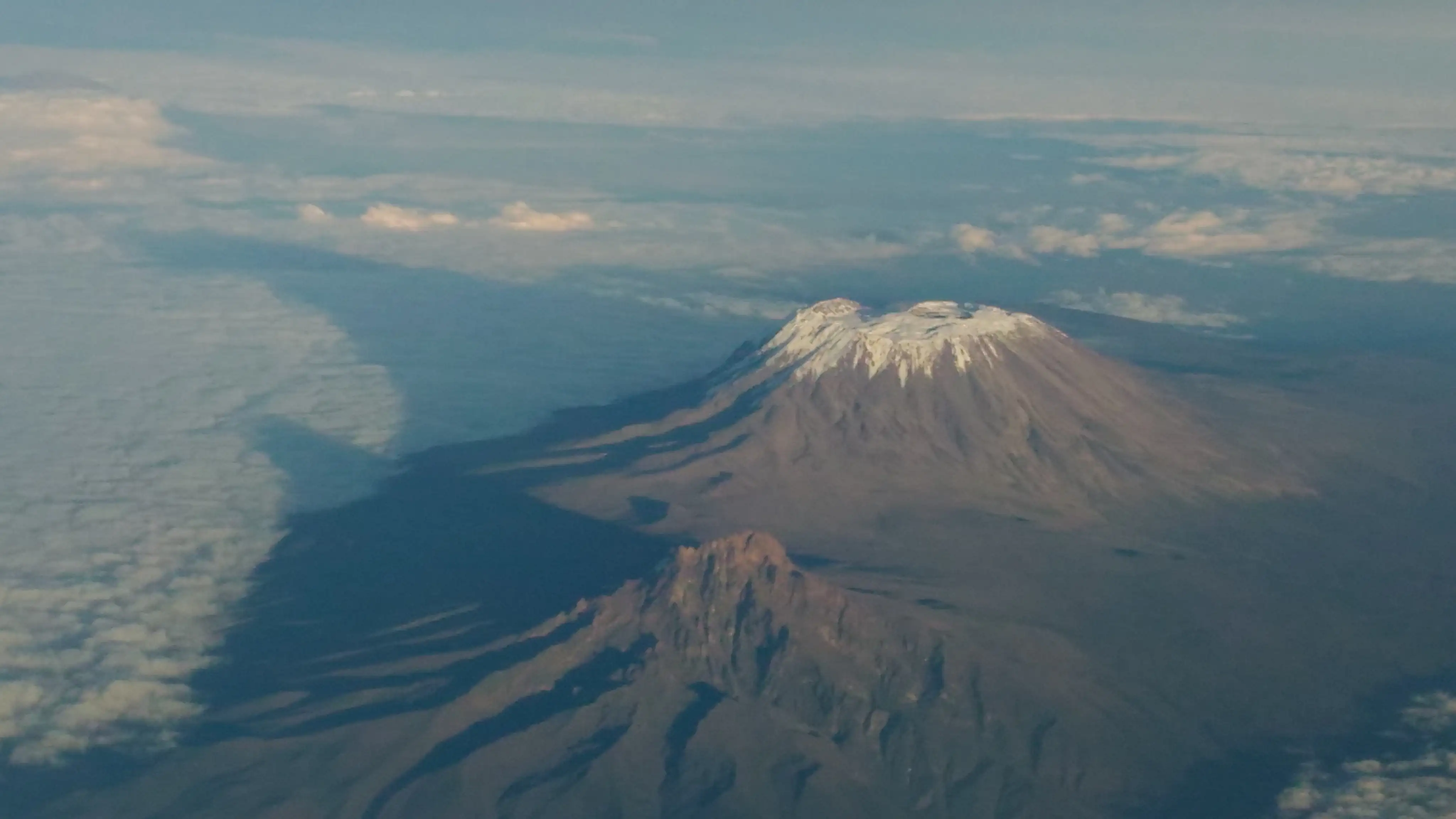
Mount Meru lives in the shadow of Kilimanjaro in almost every travel conversation, but the mountain deserves more respect than the word warm-up. It rises inside Arusha National Park and offers a shorter, quieter climb with forest, wildlife context, volcanic scenery and a demanding summit approach.
I am Angel from Warriors of Africa Safari, and I recommend Meru to travellers who want a real mountain experience without the longer Kilimanjaro expedition, to hikers who prefer fewer crowds, and to some climbers preparing for Kilimanjaro.
TANAPA’s official Arusha National Park page describes the park as being on the foothills of Mount Meru and presents the mountain as a high-altitude acclimatisation warm-up before Kilimanjaro. TANAPA’s park brochure gives Meru at about 4,566 metres and outlines the park’s wildlife and mountain setting.
This guide explains who Meru suits, the standard climb structure, huts, altitude, difficulty, wildlife, ranger context, best time, packing, training, health, common mistakes and how to add safari or Kilimanjaro.
Do not climb Meru only because Kilimanjaro exists. Meru is a serious and beautiful objective in its own right.
Angel’s advice
Quick Answer: Mount Meru at a Glance
- Where?Inside Arusha National Park in northern Tanzania.
- Height?About 4,566 m in TANAPA brochure context.
- Typical duration?Often 3-4 days in common itineraries.
- Accommodation?Mountain huts are common on the standard route.
- Main challenge?Altitude, steep terrain, long summit day and exposure.
- Wildlife?The lower mountain sits within a wildlife-rich national park.
- Guide/ranger context?Climb operates within TANAPA park systems; ranger arrangements are part of current logistics.
- Best for?Shorter mountain objective, quieter trek, acclimatisation before Kilimanjaro.
1. Where Is Mount Meru?
Mount Meru rises inside Arusha National Park, close to Arusha city and the northern safari circuit.
TANAPA describes the park as only about 45 minutes from Arusha city centre and highlights Meru as a major feature.
This location makes the climb easy to combine with Tarangire, Ngorongoro or Serengeti.
It also means the approach has a stronger national-park wildlife context than many mountain treks.
2. How High Is Mount Meru?
TANAPA’s official Arusha National Park brochure gives Mount Meru at approximately 4,566 metres.
That is lower than Kilimanjaro but still high enough for altitude illness to matter.
Do not compare only summit numbers. Rate of ascent and individual response matter.
Anyone with relevant health concerns should seek qualified medical advice.
3. How Long Does the Climb Take?
Common commercial itineraries use about three or four days.
The four-day version can provide a less rushed structure and easier descent planning.
Exact schedules depend on operator, park systems and current conditions.
I prefer enough time over the shortest possible label.
4. The Standard Route Experience
The standard climb progresses through the park toward mountain huts before the summit attempt.
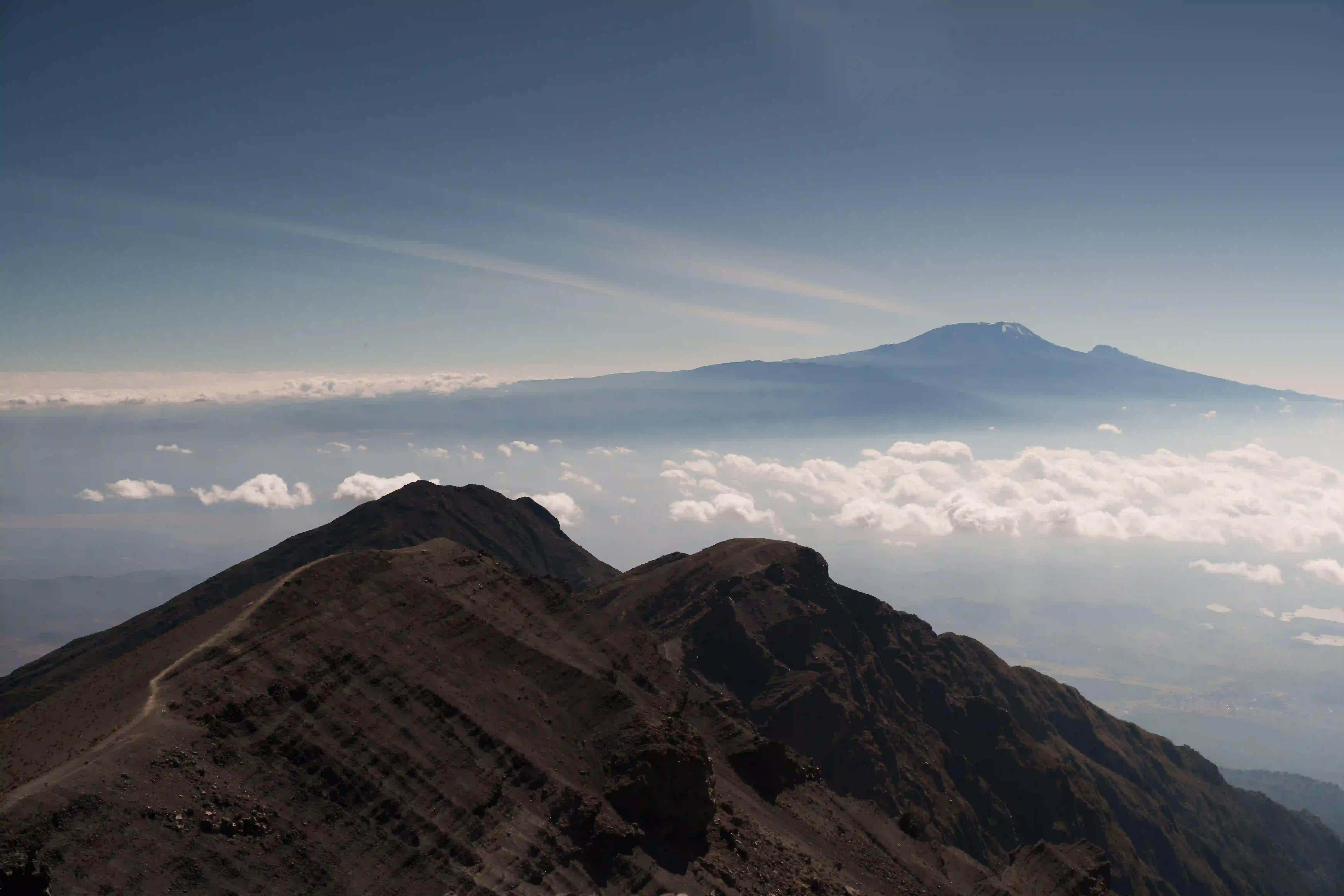
The landscape changes from forest and wildlife-rich lower areas toward open volcanic terrain.
The summit approach is more exposed and demanding.
Ask the operator for a day-by-day elevation profile rather than one route name.
5. Day 1: Park Approach to the First Hut
The first day introduces the forested lower mountain and the national-park setting.
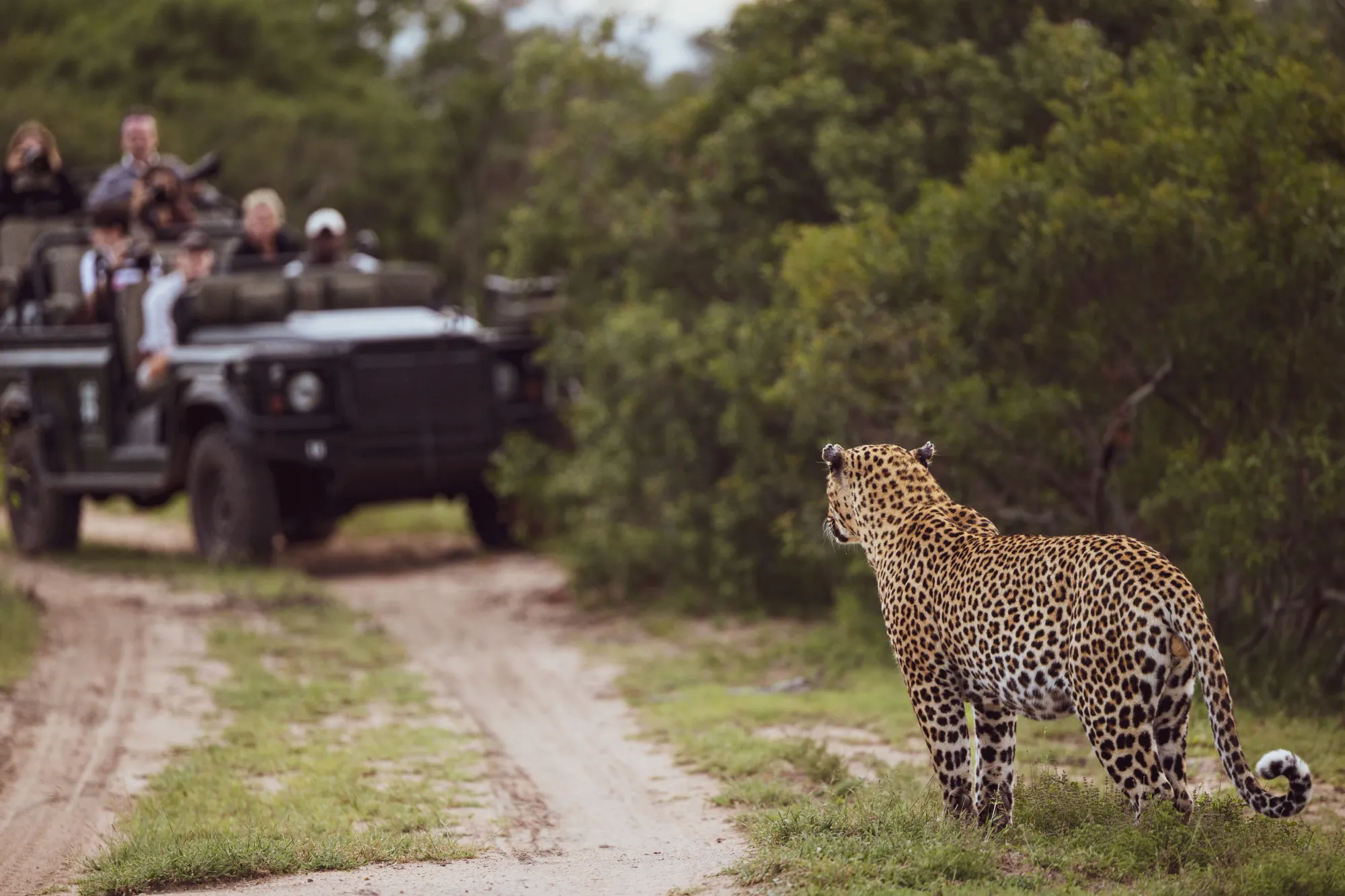
Wildlife can be present, which is one reason ranger procedures matter.
The walk should be paced conservatively rather than treated as a race.
Use the evening to eat, hydrate and organise cold-weather equipment.
6. Day 2: Higher Hut and Acclimatisation
The second stage gains elevation and opens wider views.
Many itineraries include an acclimatisation side walk or time around the higher hut area.
Do not skip rest and food because summit excitement is growing.
Symptoms should be communicated honestly.
7. Summit Night and Socialist Peak
The summit attempt is usually the hardest part: darkness, cold, steep terrain, altitude and long hours.
The ridge environment can feel exposed, and confidence with uneven terrain matters.
Weather can change decisions.
The summit is never guaranteed.
8. Descent
The descent is physically demanding on tired legs.
A four-day itinerary can make the return feel less compressed than a very fast schedule.
Trekking poles can help some climbers when used correctly.
Keep attention on footing after the emotional high.
9. How Difficult Is Mount Meru?
I rate Meru as a serious trek rather than a casual hike.
The altitude is significant, the summit day is long and sections can feel steep or exposed.
Strong fitness helps but does not remove altitude risk.
Travellers with severe fear of exposure should discuss the route honestly.
10. Altitude Illness on Meru
At roughly 4,566 metres, Meru reaches a height where altitude illness is a genuine concern.
CDC’s high-altitude guidance explains that reduced oxygen pressure drives the risk and that symptoms can progress.
No prior fitness level creates immunity.
Follow guide protocols and qualified medical advice.
11. Wildlife on the Lower Mountain
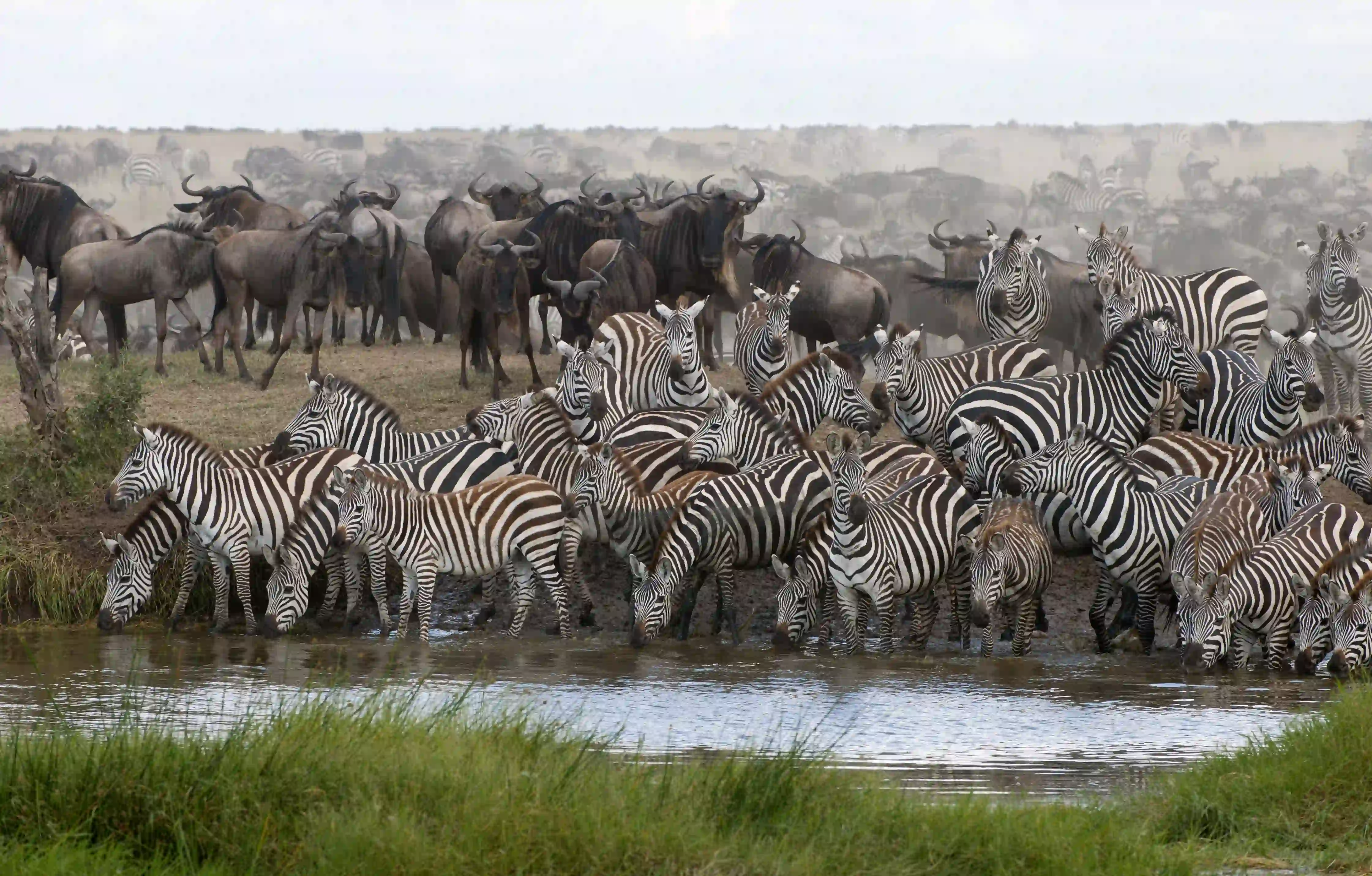
Arusha National Park contains diverse wildlife and habitats, and the Meru climb begins within that protected context.
%20Arusha%20National%20Park.webp)
TANAPA’s official park material highlights wildlife such as giraffe, buffalo, primates and other species in the wider park.
Sightings are never guaranteed.
Wildlife presence is one reason independent wandering is inappropriate.
12. Ranger Support and Park Rules
Meru climbing operates inside a national park, and current ranger/guide arrangements should be confirmed with the operator and TANAPA systems.
TANAPA tariff material has included a ranger service fee for climbing Mount Meru, reflecting this operational context.
Fees and rules can change, so do not rely on an old blog price.
Use current quotations.
Free 30-minute call with our trip designer
Schedule a free call with Amina Hassan to get honest advice on lodges, routes, and the best season for your dates.
Book a Free CallSenior Trip Designer · Based in Arusha
13. Best Time to Climb
Broadly, January-February and June-October are popular drier windows for northern Tanzania mountain travel.
March-May is generally wetter, while November can bring short rains.
Meru’s forest and mountain weather can still produce rain in a drier month.
Choose dates based on the whole Tanzania journey.
14. Crowds
Meru is generally quieter than Kilimanjaro.
This can create a more intimate mountain experience.
Holiday periods can still be busier.
A quiet mountain is not an empty mountain.
15. Huts and Sleeping
The standard climb commonly uses mountain huts rather than a full tent-camping system.
This appeals to travellers who dislike tents.
Huts do not guarantee warm or perfect sleep.
Bring an appropriate sleeping system according to operator guidance.
16. What to Pack
Pack a layered clothing system, waterproof shell, warm insulation, gloves, hats, sunglasses, headlamp, broken-in boots and a suitable sleep system.
Summit gear should be accessible before the night attempt.
A daypack carries water and daily essentials while operator systems handle the larger bag according to current arrangements.
Confirm porter and baggage rules before travel.
17. Training
Train for consecutive walking days, steep ascent and long descent.
Use hills, stairs, strength work and long hikes according to fitness.
Practise with boots and daypack.
Anyone with injury or medical concerns should seek professional guidance.
18. Meru Before Kilimanjaro
TANAPA presents Meru as an acclimatisation warm-up for Kilimanjaro.
The sequence gives real trekking and altitude exposure.
It also adds fatigue, so recovery is necessary.
It does not guarantee protection from altitude illness on Kilimanjaro.
19. Meru After Kilimanjaro
I rarely recommend Meru immediately after Kilimanjaro unless the traveller has a specific reason and adequate recovery.
Most climbers prefer safari or beach after the higher expedition.
A separate future Meru trip can be more enjoyable.
Listen to the body.
20. Meru and Safari
Meru pairs naturally with northern Tanzania safari because Arusha is the gateway.
A short climb can be followed by Tarangire and Ngorongoro.
With more time, add Serengeti.
Use at least one recovery night when needed.
21. Sample 4-Day Climb Framework
This is a general framework, not a promise of current timings or route operation. Exact itinerary should be confirmed with the operator and TANAPA requirements.
22. Meru vs Kilimanjaro
23. Who Should Choose Meru?
- Short on timeSerious trek in fewer days.
- Crowd-sensitiveQuieter than Kilimanjaro.
- Safari travellerEasy Arusha integration.
- Future Kili climberUseful mountain experience.
- Repeat Tanzania visitorLess conventional objective.
- Hut-preferring trekkerCommon hut-based format.
24. Common Mistakes
Frequently Asked Questions
Final Thoughts from Angel
Mount Meru is one of Tanzania’s most underrated adventure experiences because it combines mountain challenge, volcanic scenery and a national-park setting.
At Warriors of Africa Safari, we can plan Meru as a standalone climb, a preparation trek before Kilimanjaro or the first chapter of a safari.
Tell us your trekking history, available days and altitude experience. That shapes the right plan.
Meru is not the mountain you climb because you could not climb Kilimanjaro. It is the mountain you climb because you chose Meru.
Angel’s final advice
Detailed Practical Planning Notes
A Mount Meru plan should begin with arrival timing. Because the trailhead is relatively close to Arusha, travellers sometimes assume they can land and climb immediately. I prefer enough time for baggage recovery, equipment checks, briefing and sleep. A delayed suitcase containing boots can otherwise become a major problem.
The summit-day schedule should be understood before booking. Early starts, darkness and long hours can surprise travellers who think a shorter mountain means a relaxed trek. Ask when the team normally wakes, how much water is carried, what turnaround decisions are used and how descent is structured.
Footwear should be tested on steep descents, not only flat city walks. Meru can punish toes and knees after the summit effort. Trekking poles help some climbers when used properly, but they should be practised before travel rather than introduced at the gate.
The hut system changes packing but does not eliminate the need for a serious sleeping strategy. Cold sleepers should confirm the expected sleep system, whether mattresses are provided and what sleeping-bag specification the operator recommends. A poor night before summit day can affect morale.
Hydration and appetite should be discussed openly with the guide. At altitude, some climbers eat less or develop headaches. Hiding symptoms because the mountain is shorter than Kilimanjaro is a mistake. Meru is high enough to require respect and conservative decisions.
Wildlife procedures are part of the character of the climb. The lower mountain is within Arusha National Park, and movement should follow ranger and guide instructions. Do not treat a buffalo or giraffe sighting like an informal roadside stop. The protected-area context is one of Meru’s strengths and one of the reasons discipline matters.
If Meru is followed by safari, the first safari day should match recovery. A private vehicle and a shorter Tarangire or Arusha-area day may be better than an immediate full-day drive after descent. Some travellers recover quickly; others need sleep, laundry and a slow breakfast.
If Meru is used before Kilimanjaro, the sequence should not become a competition. The value is experience with pacing, gear and elevation. Arriving at Kilimanjaro with sore knees, poor sleep or illness defeats the purpose. Build recovery and remain willing to change the plan.
Budget comparisons should use full inclusions. Ranger arrangements, park fees, hut logistics, transfers, crew and equipment can be quoted differently. A low headline price may exclude items another operator includes. Ask for a written list before paying.
The strongest reason to choose Meru is that you genuinely want the mountain. It is quieter, shorter and less famous, but those are not signs of inferiority. For the right traveller, the combination of challenge, volcanic terrain and Arusha National Park setting is exactly the point.
Kilimanjaro Trekking
- Machame or Lemosho routing with acclimatization
- KPAP-compliant crew ratios and safety briefings
2 Comments
18 Jun, 2025
We booked the Northern Circuit through Arusha and every hand-off—from JRO to Serengeti airstrips—felt calm. Our guide's radio etiquette around cats was flawless.
19 Jun, 2025
Same experience on the Zanzibar extension—stone town pacing one day, reef silence the next. The Arusha ops team was on WhatsApp within minutes whenever we had a question.
2 Jul, 2025
Nyerere by boat at dusk—hippos, herons, and our guide explaining how Tanzania balances tourism with conservation quotas. Unforgettable.