
Senior Safari Travel in Tanzania: Comfortable and Safe Planning — Angel’s Complete Guide
Introduction: Age Should Change the Planning, Not Remove the Adventure
I speak with many travellers in their sixties, seventies and beyond who worry that safari may be too difficult. Often, the real problem is not age. It is an itinerary designed without enough attention to road time, vehicle access, lodge terrain, medication, bathroom needs and recovery.
I am Angel from Warriors of Africa Safari, and I believe senior safari travel should be planned with honesty rather than assumptions. Some seventy-year-olds are stronger hikers than travellers half their age. Some guests have arthritis, heart conditions, limited mobility or simply prefer a slower day. The plan should follow the person.
Tanzania offers several routes that can be adapted. Ngorongoro provides high-impact wildlife viewing in a compact area, Tarangire can offer rewarding elephant-focused safari, and Serengeti delivers exceptional wildlife depth but requires careful attention to scale and transfer. UNESCO and TANAPA provide the official landscape and park context behind those differences.
This guide covers medical preparation, travel insurance, private vehicles, road versus fly-in safari, lodge selection, steps and bathrooms, altitude, game-drive length, food, heat, medication, Zanzibar extensions, solo seniors and multi-generational families.
A comfortable safari is not a less adventurous safari. It is an adventure designed intelligently.
Angel’s advice
Quick Answer: Senior Safari Planning at a Glance
- VehiclePrivate when flexibility or mobility matters.
- Trip pace2-3 nights per area; avoid repeated one-night stays.
- Road timeUse flights selectively when they remove major transfers.
- Medical prepConsult a qualified clinician and review current travel-health advice.
- Lodge accessConfirm stairs, slopes, bathroom setup and distance.
- Game drivesMatch length to comfort; full days are optional.
- Best short routeTarangire + Ngorongoro.
- Best iconic routeNgorongoro + Serengeti with efficient transfers.
- Beach finishZanzibar can provide excellent recovery if property access suits.
1. Start with Health, Not Fear
A senior traveller should begin with an honest health review, not a generic statement that safari is easy or difficult.
The CDC’s current Tanzania traveller page advises travellers to review vaccines and medicines and includes malaria-prevention considerations for certain areas. A qualified clinician should consider the exact itinerary, medical history and medications.
Travellers with heart, lung, mobility or other chronic conditions should discuss the trip early enough to make changes if needed.
The operator needs practical information relevant to travel, but private medical details should be handled respectfully.
2. Travel Insurance and Medical Evacuation
Travel insurance deserves more attention as age increases because policies may have exclusions, age limits or pre-existing-condition rules.
Read the policy rather than assuming the word comprehensive means everything.
Check medical care, evacuation, cancellation, baggage and the activities in the itinerary.
Carry insurer contact details and ensure family members know where they are.
3. Why a Private Vehicle Can Transform a Senior Safari
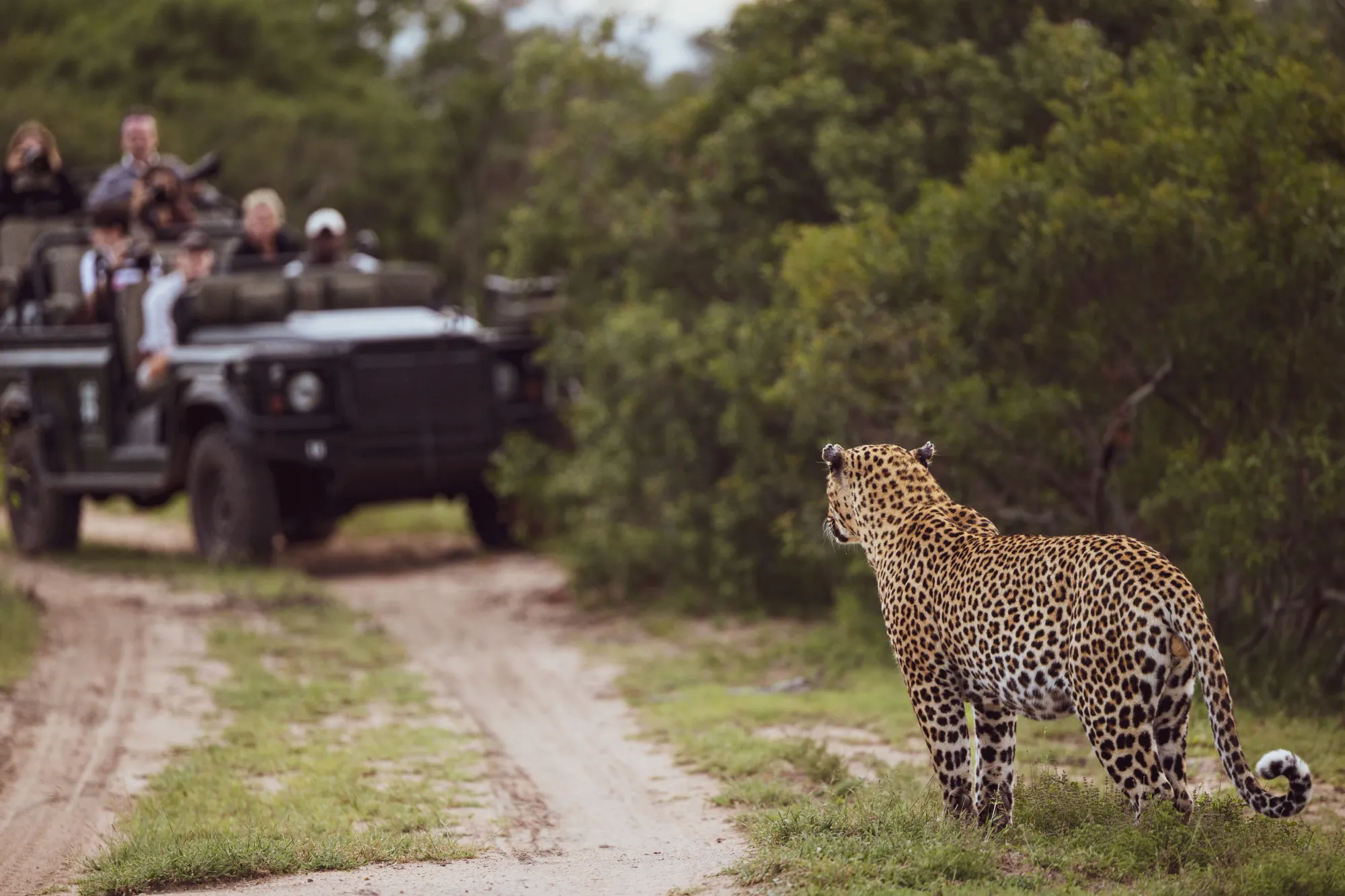
A private vehicle allows bathroom breaks, slower entry, flexible start times and the option to return early.
Guests with back pain can avoid staying out simply because a shared group wants another two hours.
Photographers and birders also benefit from control.
I often prioritise private guiding before a room upgrade.
4. Vehicle Access: Ask About the Step
Safari 4x4s can be high off the ground. The ability to climb in and out several times a day matters.
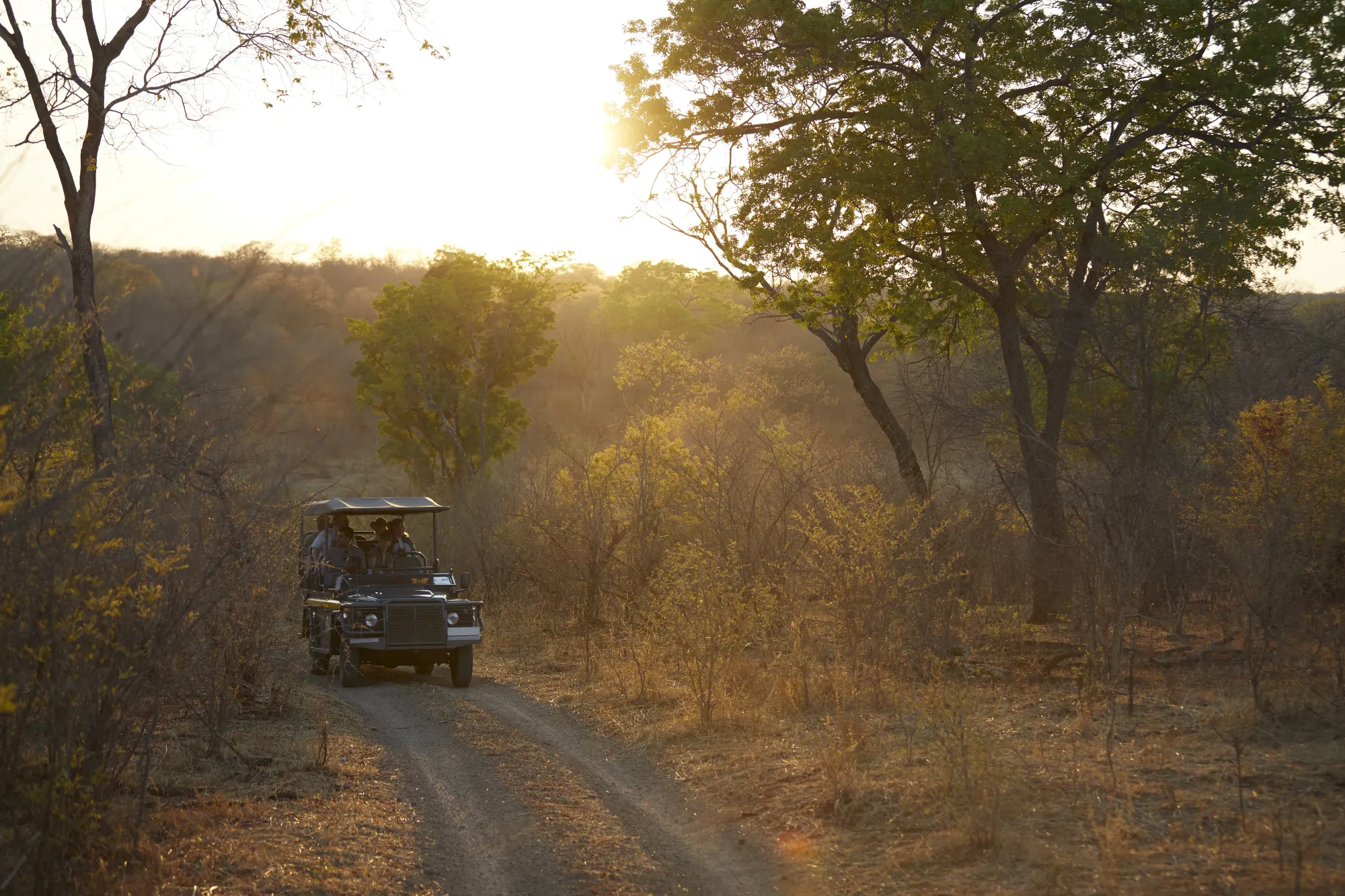
Ask about step height, grab handles and whether a portable step can be provided.
If a traveller uses a cane, walker or other aid, discuss storage before travel.
Never accept vague accessibility promises. Check the actual vehicle.
5. Road Safari vs Fly-In Safari
I often prefer a hybrid. Road travel through the northern circuit can be scenic, while a flight from Serengeti can remove backtracking.
Small aircraft are not automatically easier. Travellers should ask about aircraft access, baggage limits and airstrip facilities.
A short flight followed by a two-hour rough camp transfer may not save as much energy as expected.
Plan door to door.
6. Best Parks for Senior Travellers
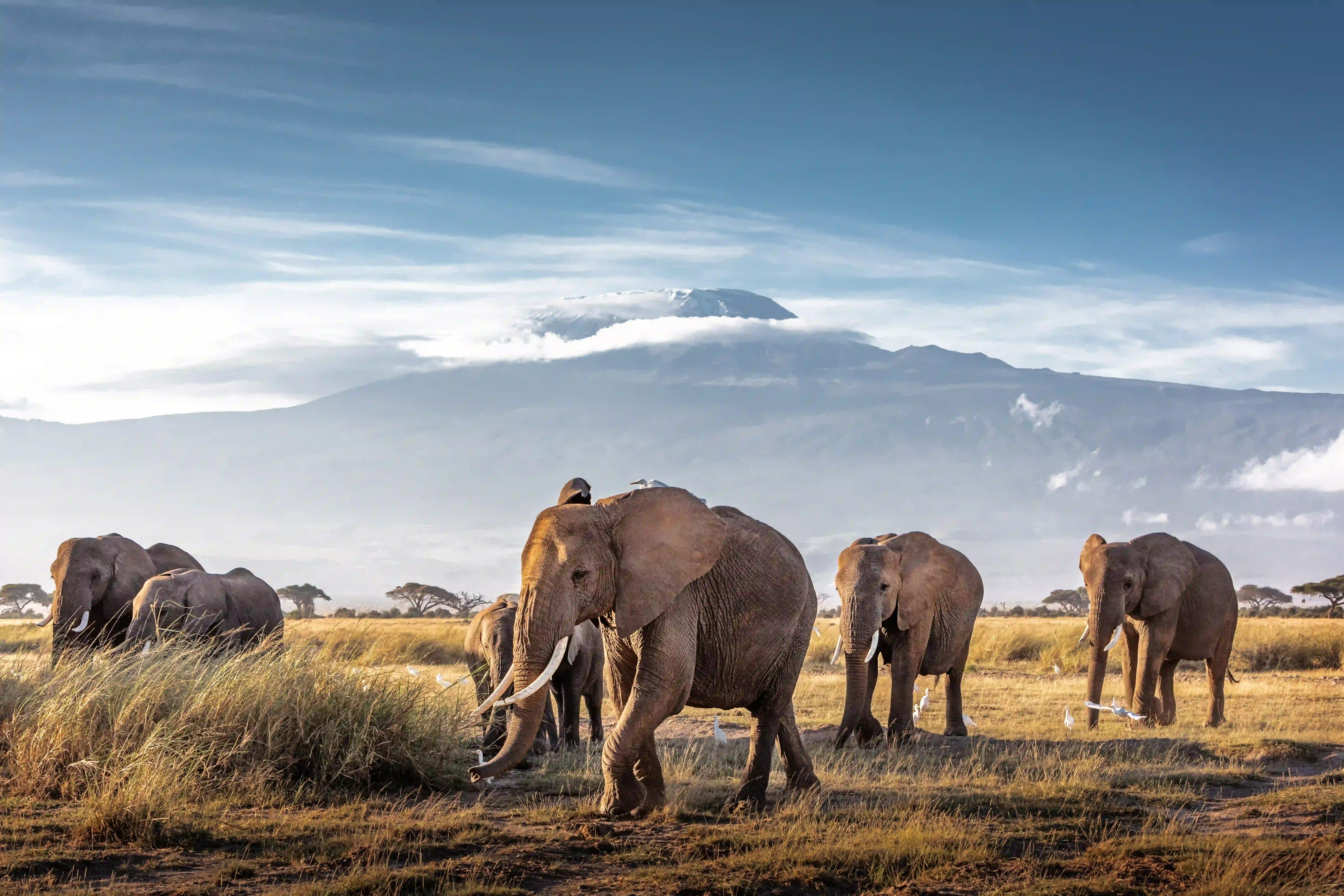
Tarangire is strong for travellers who want elephants and a park that fits naturally into the northern route. TANAPA highlights its elephant concentration and proximity to Arusha.
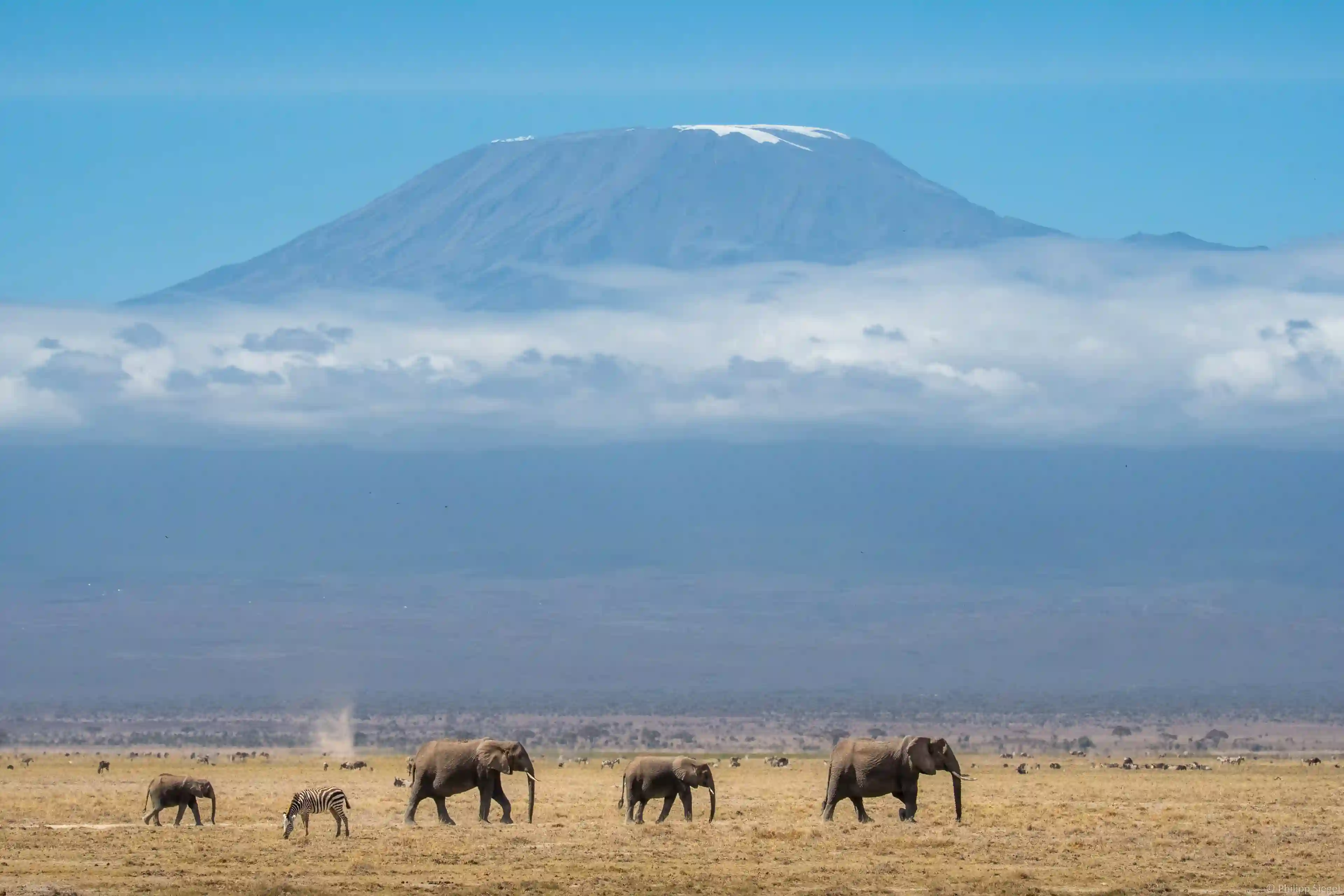
Ngorongoro can deliver a high-impact wildlife day without a week of driving. UNESCO describes the crater landscape and wildlife concentration as exceptional.
Serengeti is extraordinary, but the scale is large. UNESCO describes 1.5 million hectares of savannah and annual migration. Seniors should choose camp location and transfer carefully.
Arusha National Park can provide a gentle first day, while remote southern parks suit travellers comfortable with more complex logistics.
7. Lodge Accessibility: Ask Specific Questions
The word accessible can mean very different things in remote lodges.
Ask how many steps lead to the room, whether paths are steep, how far dining is, whether vehicles can approach the room, and whether showers have high thresholds.
Some stunning crater-rim or hillside lodges involve slopes that are difficult for guests with limited mobility.
A room category change may solve the problem if discussed early.
8. Bathrooms and Night-Time Movement
Night-time bathroom access matters for many senior travellers. Confirm whether the bathroom is inside the room, whether steps are involved and how lighting works.
At unfenced camps, guests may need escorts outside after dark. A detached bathroom or separate tent may not suit everyone.
Travellers who wake frequently should prioritise simple room layouts.
This is a comfort issue and a safety issue.
9. How Long Should Game Drives Be?
A senior safari does not need full-day drives every day.
Morning drives with a midday rest can be excellent. Full days may still be worthwhile in Serengeti when wildlife is far from camp.
The private vehicle makes this choice easier.
Build variation into the week.
10. Back, Hip and Joint Comfort
Safari roads can be bumpy. Travellers with back, hip or joint issues should tell the operator before booking.
Vehicle seating, suspension, transfer length and daily drive time matter.
A small cushion may help some travellers, but medical advice should come from a clinician.
Do not hide a limitation because you fear losing the trip. Good planning can often adapt.
11. Medication Management
Carry essential medication in hand luggage and keep it in original or clearly documented packaging where appropriate.
Bring enough for the trip plus a reserve. Consider temperature requirements for medication and ask about refrigeration if needed.
Time-zone changes can affect dosing schedules, so discuss complex medication timing with a clinician.
Keep a written list of medicines and emergency contacts.
12. Heat, Sun and Hydration
Safari days can include strong sun and dry conditions. Hydration is important, but travellers may reduce drinking because they worry about bathroom stops.
A private vehicle makes comfort breaks easier. Drink sensibly and discuss any fluid restrictions with a clinician.
Use sun protection and layers. Early mornings can be much colder than midday.
Highland areas such as Ngorongoro can feel surprisingly cool.
Free 30-minute call with our trip designer
Schedule a free call with Amina Hassan to get honest advice on lodges, routes, and the best season for your dates.
Book a Free CallSenior Trip Designer · Based in Arusha
13. Altitude and the Ngorongoro Highlands
The highlands are at elevation, and some travellers notice cooler conditions or mild effects.
Most safari travellers are not undertaking a mountain climb, but guests with heart or lung concerns should discuss the itinerary with a clinician.
Allow time to rest after long-haul travel.
Do not confuse the crater safari with Kilimanjaro altitude, but do not ignore individual health either.
14. Food, Diet and Digestion
Senior travellers may have dietary restrictions, diabetes management, low-sodium needs or food sensitivities.
Remote lodges can often prepare when informed early.
Do not change the diet dramatically on the first day simply because the buffet is exciting.
Carry necessary medical snacks according to health and customs guidance.
15. Hearing and Vision Considerations
Guests with hearing aids should bring batteries, charging solutions and protective storage.
Dust can affect devices and glasses. Keep cleaning supplies accessible.
Tell the guide if hearing is limited so explanations can be positioned appropriately.
Binoculars should be chosen for ease of use, not only magnification.
16. Solo Senior Travellers
Solo seniors can choose private safari for control or group departures for social connection.
Single supplements may affect cost. A well-matched small group can be enjoyable, but pace compatibility matters.
Airport transfers should be pre-arranged, especially after late arrivals.
Share emergency contacts with the operator.
17. Multi-Generational Safaris
Grandparents travelling with children need a route that respects both attention span and mobility.
A private vehicle is extremely useful because one day can be shortened without negotiating with strangers.
Choose family rooms and accessible rooms near each other.
Build pool or rest time into the itinerary.
18. Adding Zanzibar After Safari
Zanzibar can be an excellent senior finish because it slows the journey, but property access matters.
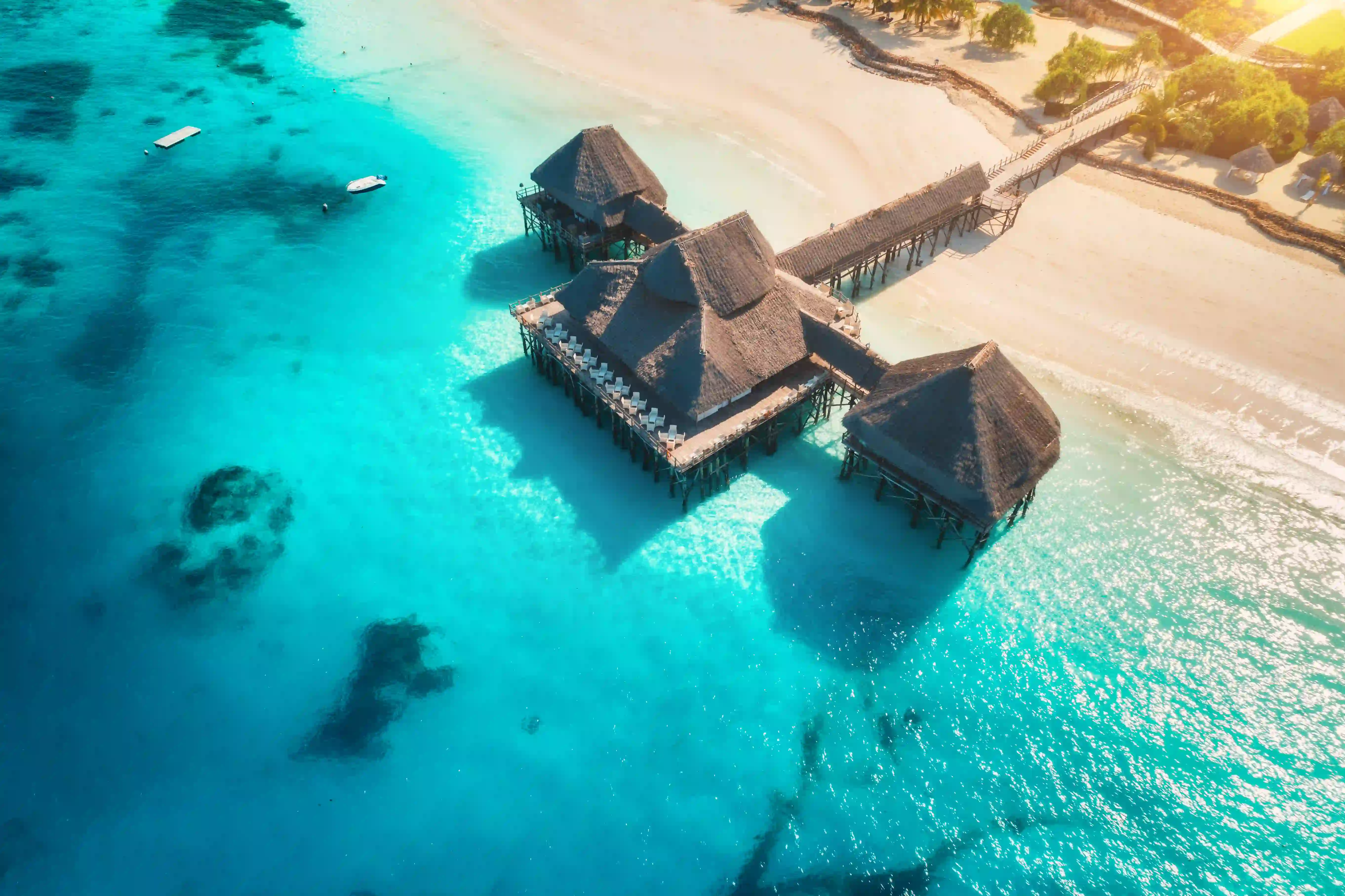
The official tourism authority highlights beaches, marine life, culture and adventure.
Ask about stairs, long beach walks, airport transfer time and whether the room is near dining.
A quiet resort with simple access may be more luxurious than a dramatic property on a steep slope.
19. Sample Senior-Friendly Itineraries
20. Senior Safari Checklist
- HealthClinician review? vaccines? malaria plan?
- InsuranceAge limits? pre-existing conditions? evacuation?
- VehicleStep height? private? comfort?
- LodgeStairs? slopes? bathroom? distance?
- MedicationStorage? refrigeration? reserve supply?
- DrivesMaximum comfortable duration?
- FlightsSmall-aircraft access and baggage?
- EmergencyContacts and evacuation process?
21. Common Senior Safari Mistakes
22. What Comfortable Luxury Really Means for Seniors
Comfortable luxury is a vehicle that is easy to enter, a room near dining, a shower that feels safe, a guide who does not rush and a route that avoids unnecessary backtracking.
It may include a fly-in segment, but only when it genuinely saves energy.
It may include a private vehicle, but only if the guide quality is strong.
The best luxury removes friction.
Frequently Asked Questions
Final Thoughts from Angel
Senior safari travel in Tanzania can be adventurous, luxurious and deeply comfortable when the details are handled honestly.
At Warriors of Africa Safari, we plan around the person: mobility, medical considerations, road tolerance, privacy, energy and preferred pace.
Tell us what support you need before booking. Good planning is not about limiting the trip. It is about making the right trip possible.
The best senior safari does not ask you to prove anything. It gives you the freedom to experience Tanzania well.
Angel’s final advice
Additional Comfort and Accessibility Planning Details
International flight timing can influence the whole safari. I prefer a recovery night after a long-haul arrival, especially when the traveller has limited mobility, complex medication or poor sleep. Starting a six-hour road transfer immediately after immigration is rarely my idea of luxury.
Compression socks, circulation concerns and long periods of sitting should be discussed with a clinician when relevant. From a planning perspective, regular safe breaks and a private vehicle can help travellers who do not tolerate long immobility.
Travellers with diabetes or other conditions affected by meal timing should share practical needs before travel. Game drives can run longer than expected when wildlife is interesting, so the guide should know when a meal or medication schedule cannot be delayed.
CPAP machines and other powered medical devices require careful preparation. Confirm voltage, adapters, power continuity and backup options with the lodge and operator. Remote solar camps may have different systems from city hotels.
For travellers with visual impairment, the guide can support the experience through detailed description, sound and close communication. For hearing impairment, seating position and hearing-device charging matter. Accessibility should be considered broadly, not only as wheelchair access.
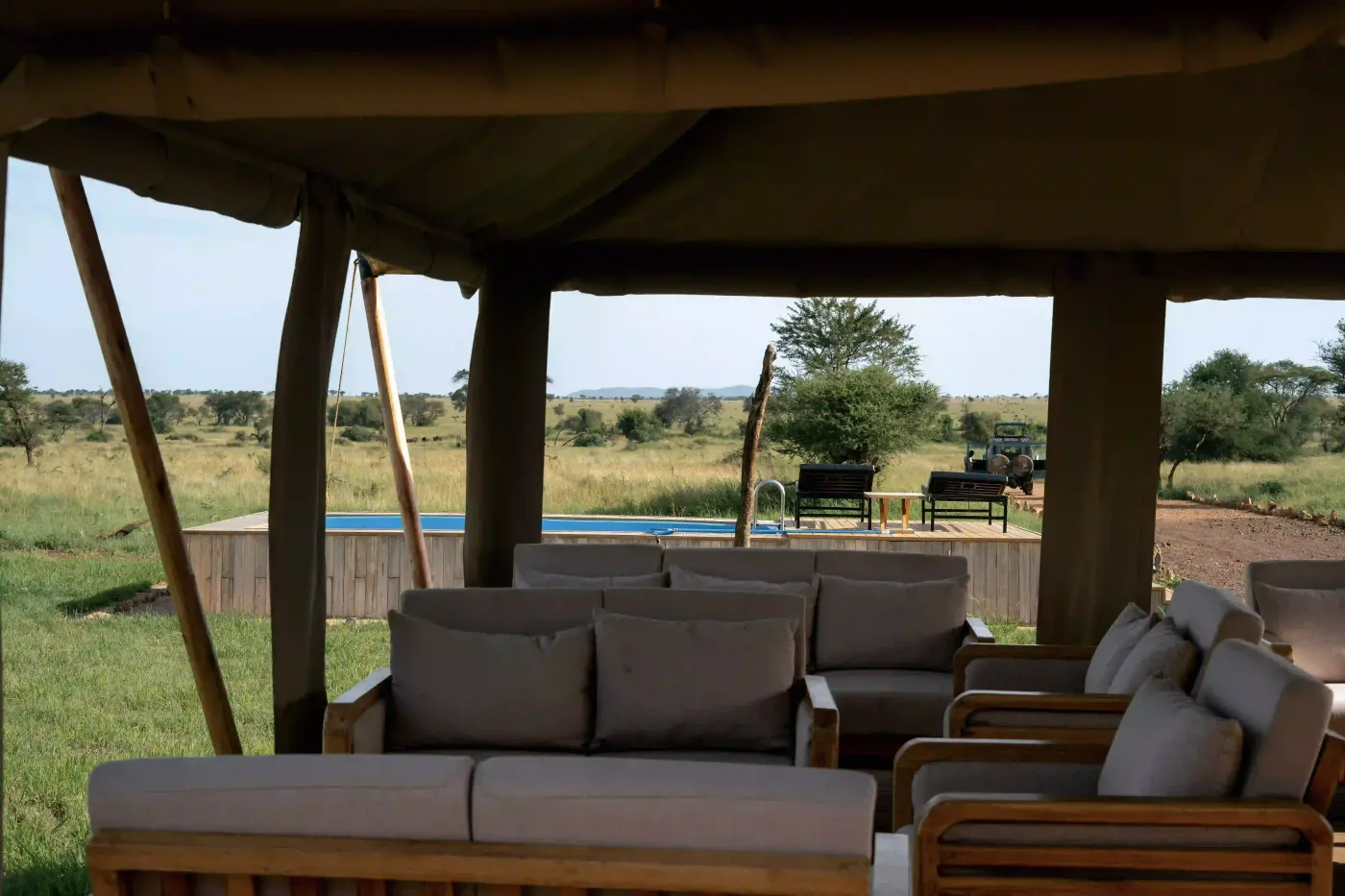
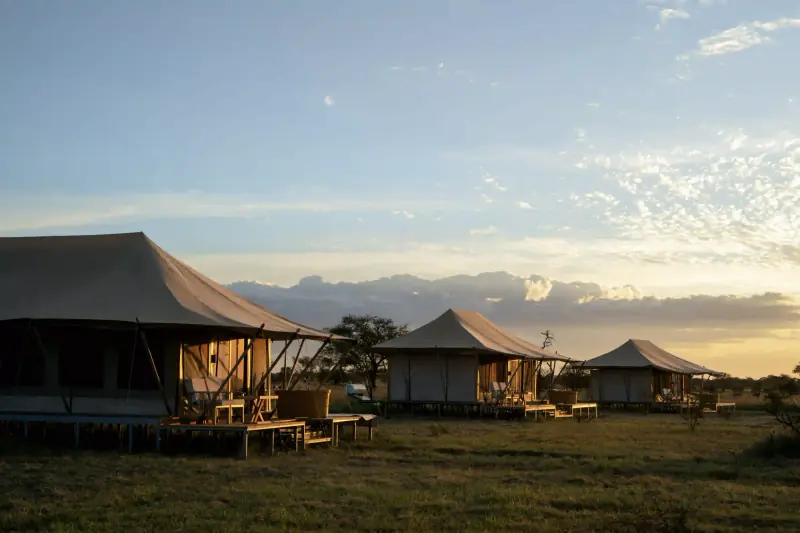
Luxury Tanzania Safari
- Boutique & luxury lodge portfolio
- Private vehicle throughout
2 Comments
18 Jun, 2025
We booked the Northern Circuit through Arusha and every hand-off—from JRO to Serengeti airstrips—felt calm. Our guide's radio etiquette around cats was flawless.
19 Jun, 2025
Same experience on the Zanzibar extension—stone town pacing one day, reef silence the next. The Arusha ops team was on WhatsApp within minutes whenever we had a question.
2 Jul, 2025
Nyerere by boat at dusk—hippos, herons, and our guide explaining how Tanzania balances tourism with conservation quotas. Unforgettable.