
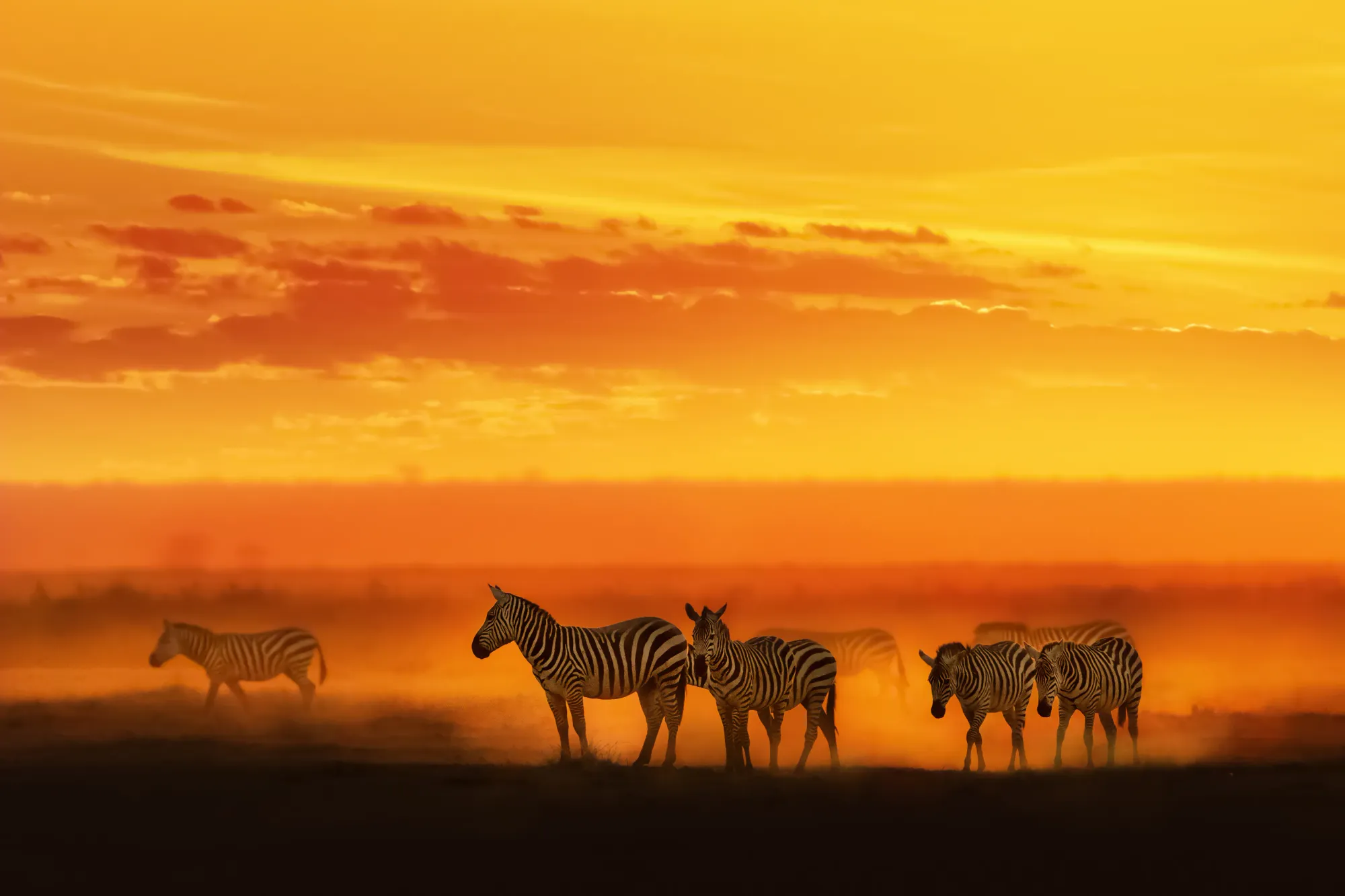
Tanzania Safari Guide for First-Time Visitors: Angel’s Complete Planning Guide
Introduction: Your First Safari Should Feel Exciting, Not Confusing
The best safari is not the one that sounds most impressive on paper. It is the one that is planned around your real travel style.
Angel’s advice
When travellers speak to me about their first safari, I often hear the same mix of excitement and worry. They want to see lions, elephants, giraffes and wide open landscapes, but they also wonder how game drives work, whether Tanzania is safe, what to pack, how many days they need, and whether they should choose a private safari or a group trip.
My first advice is simple: your first Tanzania safari does not need to be complicated. Tanzania has some of Africa’s most famous safari destinations, including Serengeti, Ngorongoro Crater, Tarangire, Lake Manyara, Nyerere and Ruaha. The official Tanzania Tourism website presents Tanzania as a destination with key regions and attractions from Serengeti and Ngorongoro to Zanzibar and beyond. Source: Tanzania Tourism Board.
A good first safari is not about rushing to every park. It is about choosing a route that matches your time, comfort level, budget, travel month and dream experience. If you plan well, your first safari can feel safe, smooth and deeply memorable.
Quick Answer: First-Time Tanzania Safari at a Glance
- Best first safari routeTarangire, Ngorongoro and Serengeti
- Best length7 to 10 days for most travellers
- Best seasonJune to October for easiest wildlife viewing
- Best safari stylePrivate safari if comfort and flexibility matter
- Best add-onZanzibar after safari for rest and beach time
- Main planning mistakeTrying to fit too many parks into too few days
Where Should First-Time Visitors Go in Tanzania?
For most first-time visitors, the northern circuit is the easiest and most rewarding safari route. It includes famous destinations such as Tarangire National Park, Lake Manyara National Park, Ngorongoro Crater and Serengeti National Park. This route works well because it gives variety without making the journey too complicated.
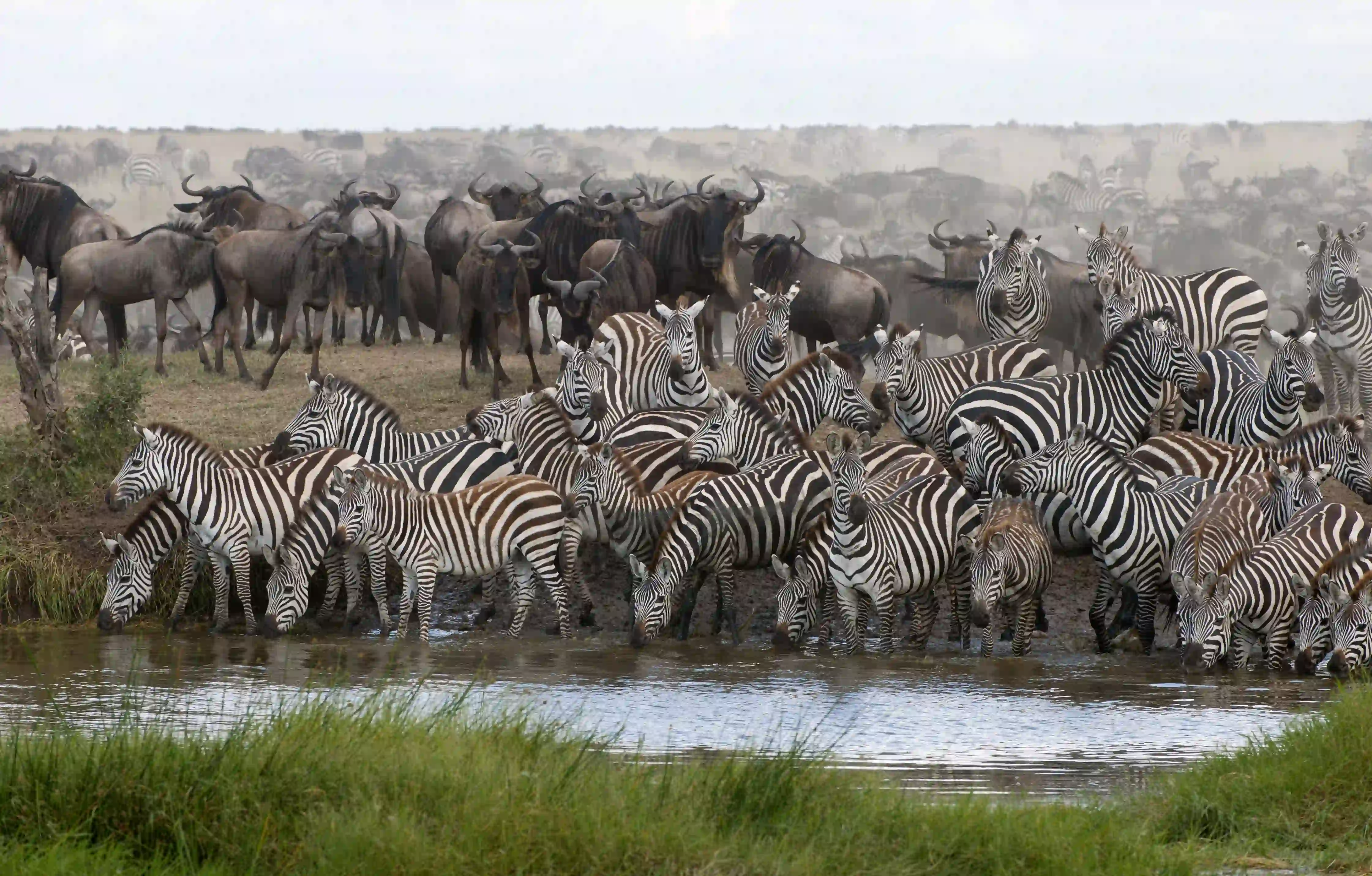
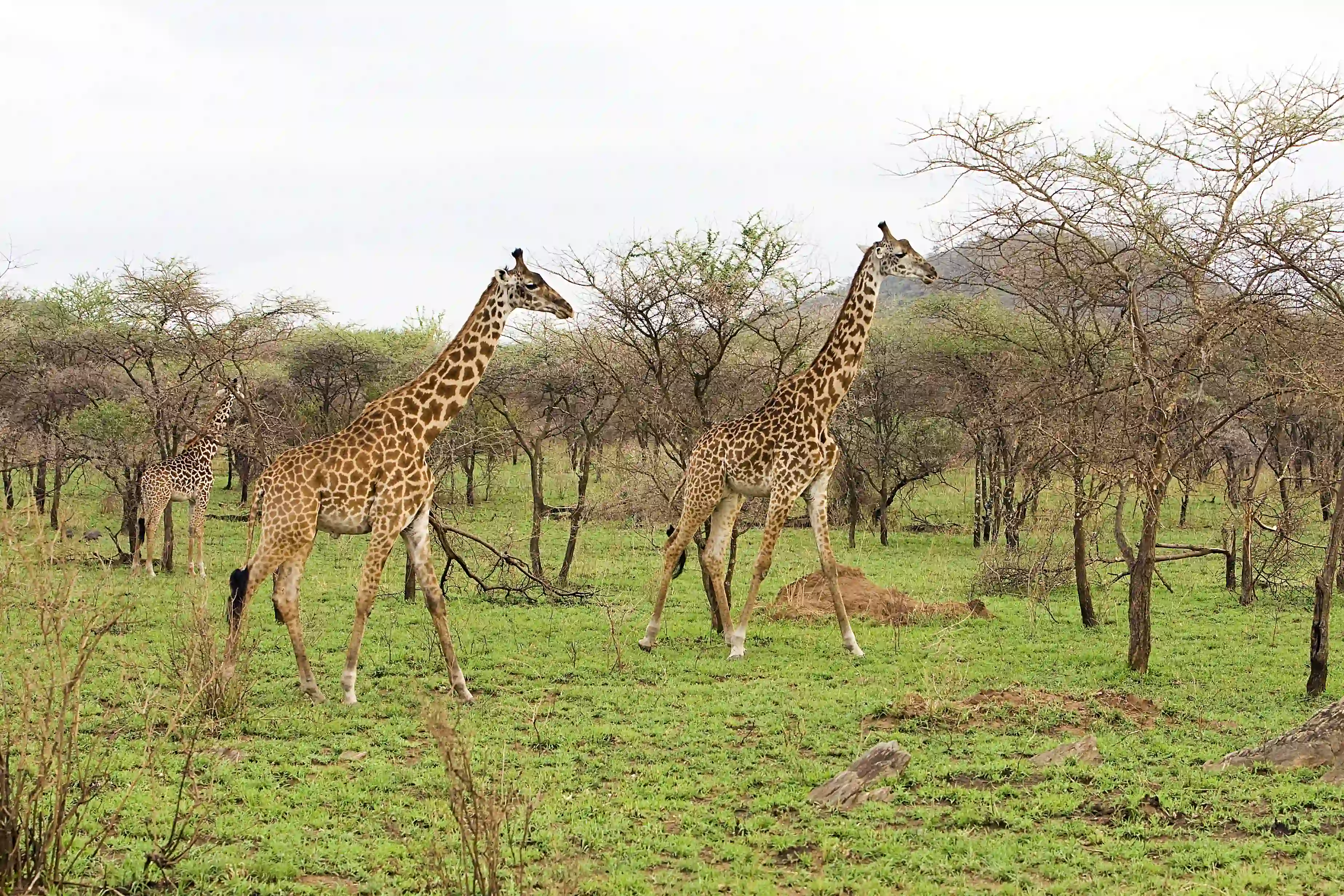
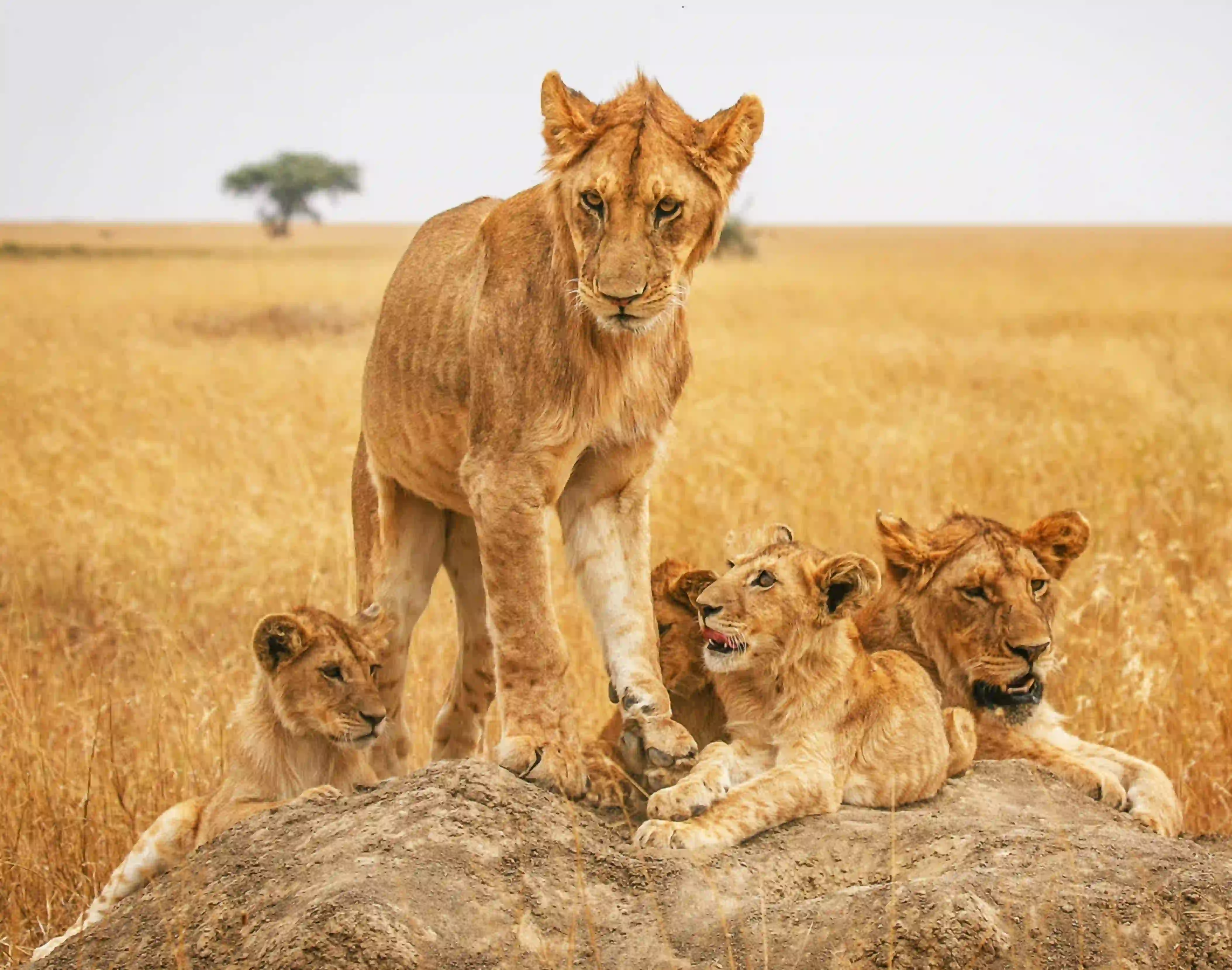
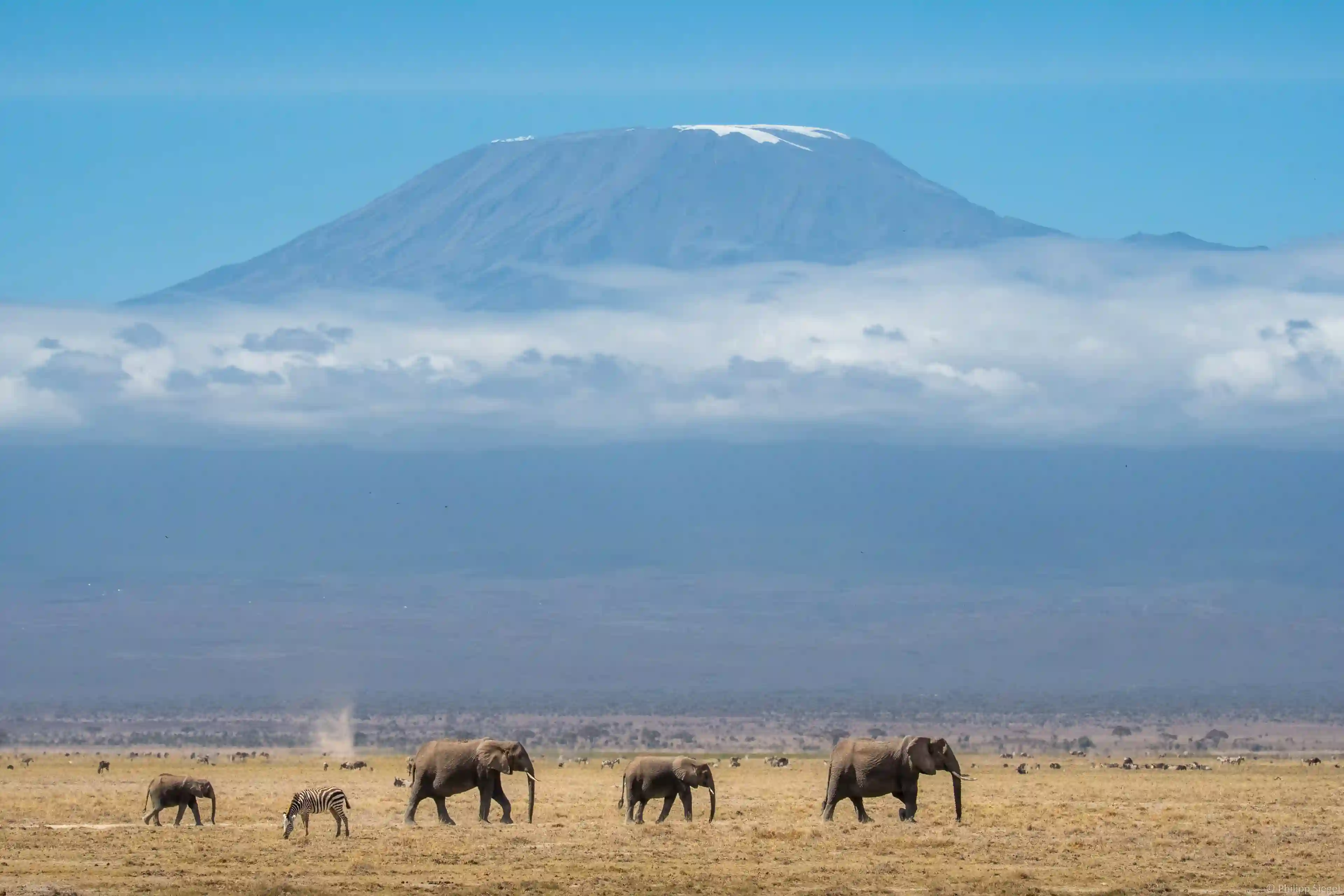
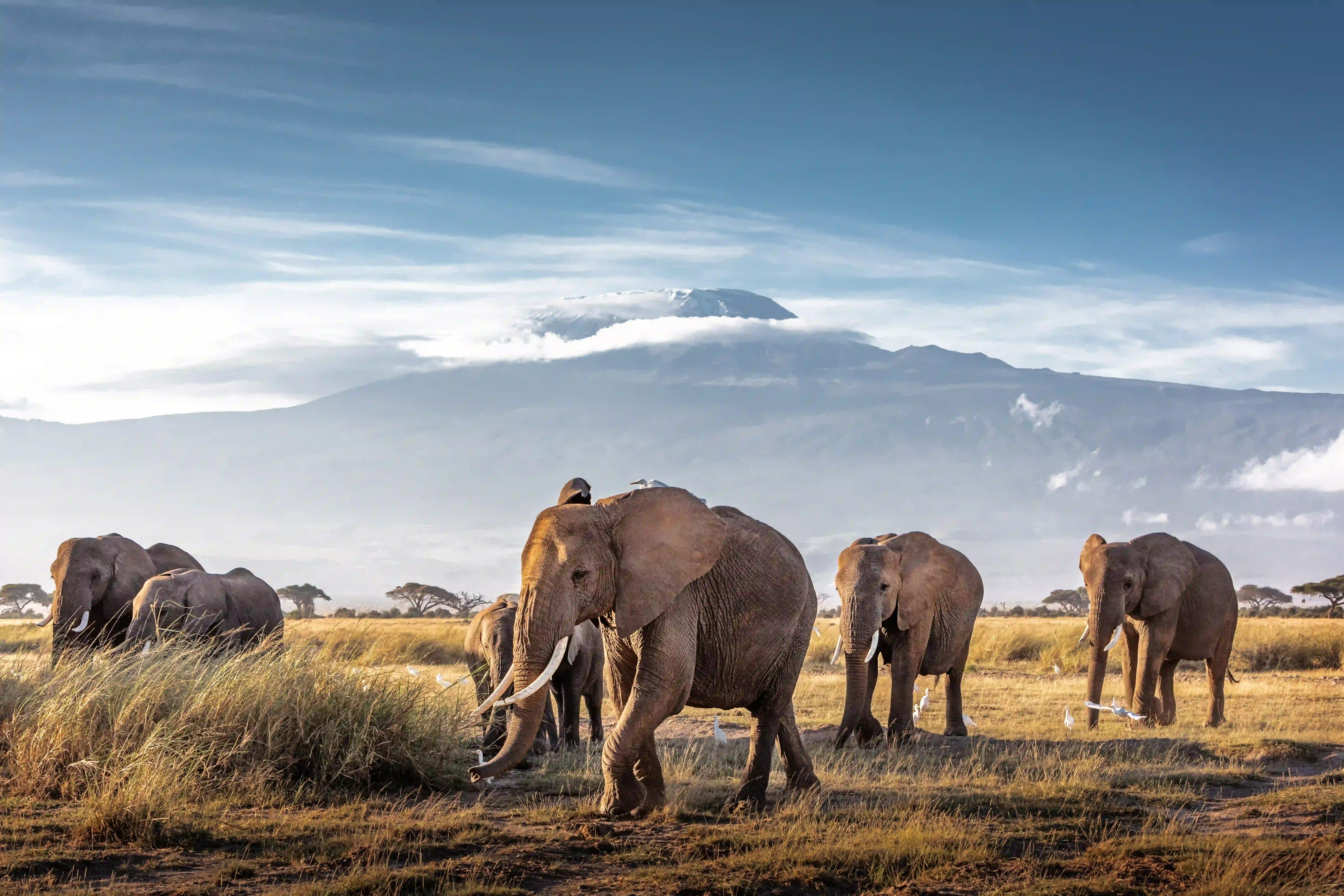
Serengeti is best for classic big-game safari, open plains, big cats and the Great Migration. Ngorongoro Crater is excellent for concentrated wildlife in a dramatic volcanic setting. Tarangire is wonderful for elephants, baobabs and dry-season wildlife. Lake Manyara is scenic and compact, with forest, birdlife, primates and lake views.
The southern circuit is also excellent, especially for repeat visitors or travellers who want fewer crowds. Nyerere National Park offers river and boat safari experiences, while Ruaha offers wild landscapes, baobabs, elephants and predator viewing. These areas can feel more remote and private, but they often require more flying or longer planning.
For a first safari, I usually suggest starting with northern Tanzania unless a traveller specifically wants remote wilderness. Northern Tanzania is easier to understand, easier to combine with Zanzibar, and gives a strong introduction to East African safari.
A safari should feel clear before you pay. If a route, price, or promise is confusing, ask more questions.
Angel’s honest note
What Happens on a Safari Day?
A typical safari day starts early. You may wake before sunrise, have tea or coffee, and leave camp while the air is still cool. Early morning is often one of the best times for wildlife because many animals are active before the heat of the day.
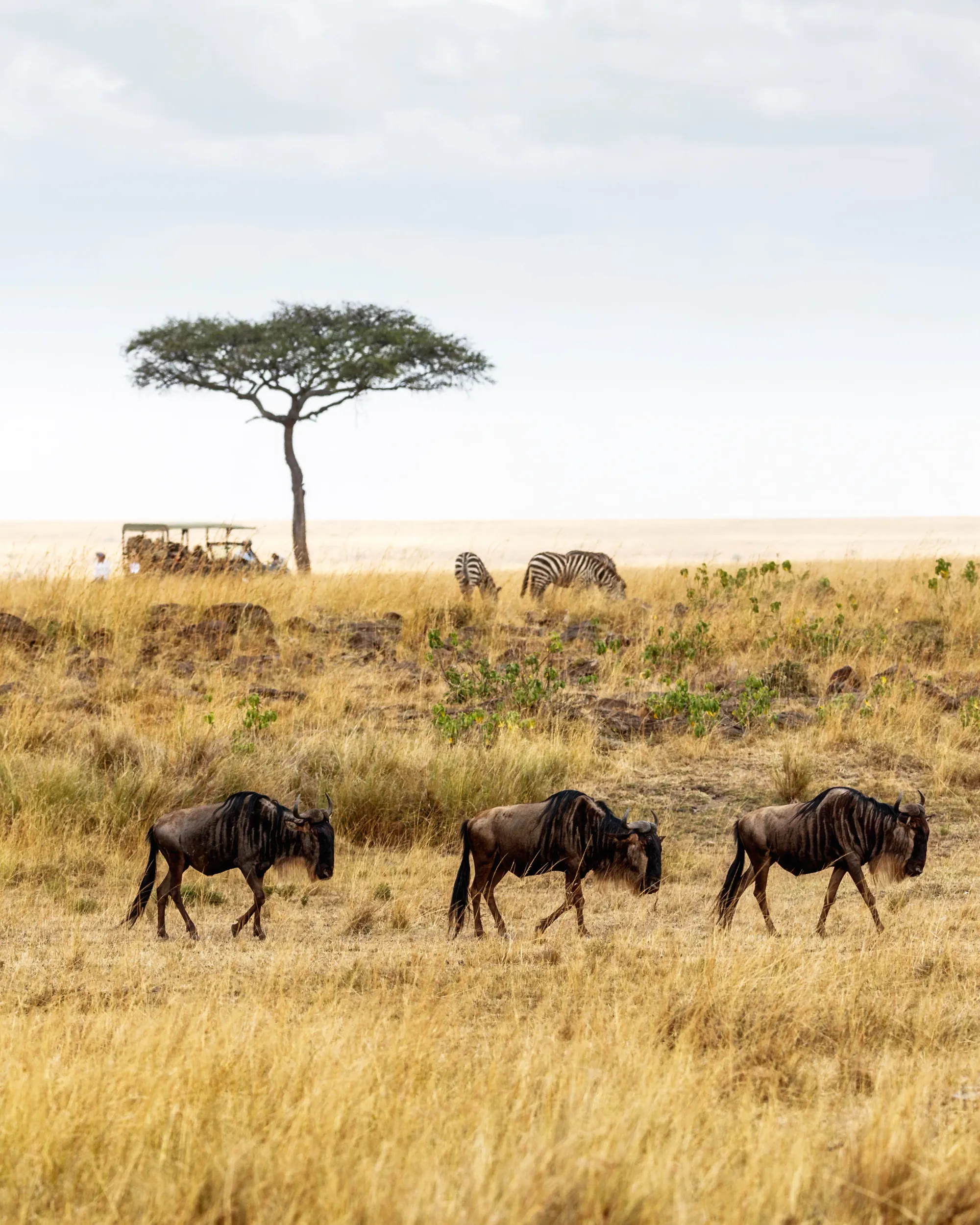
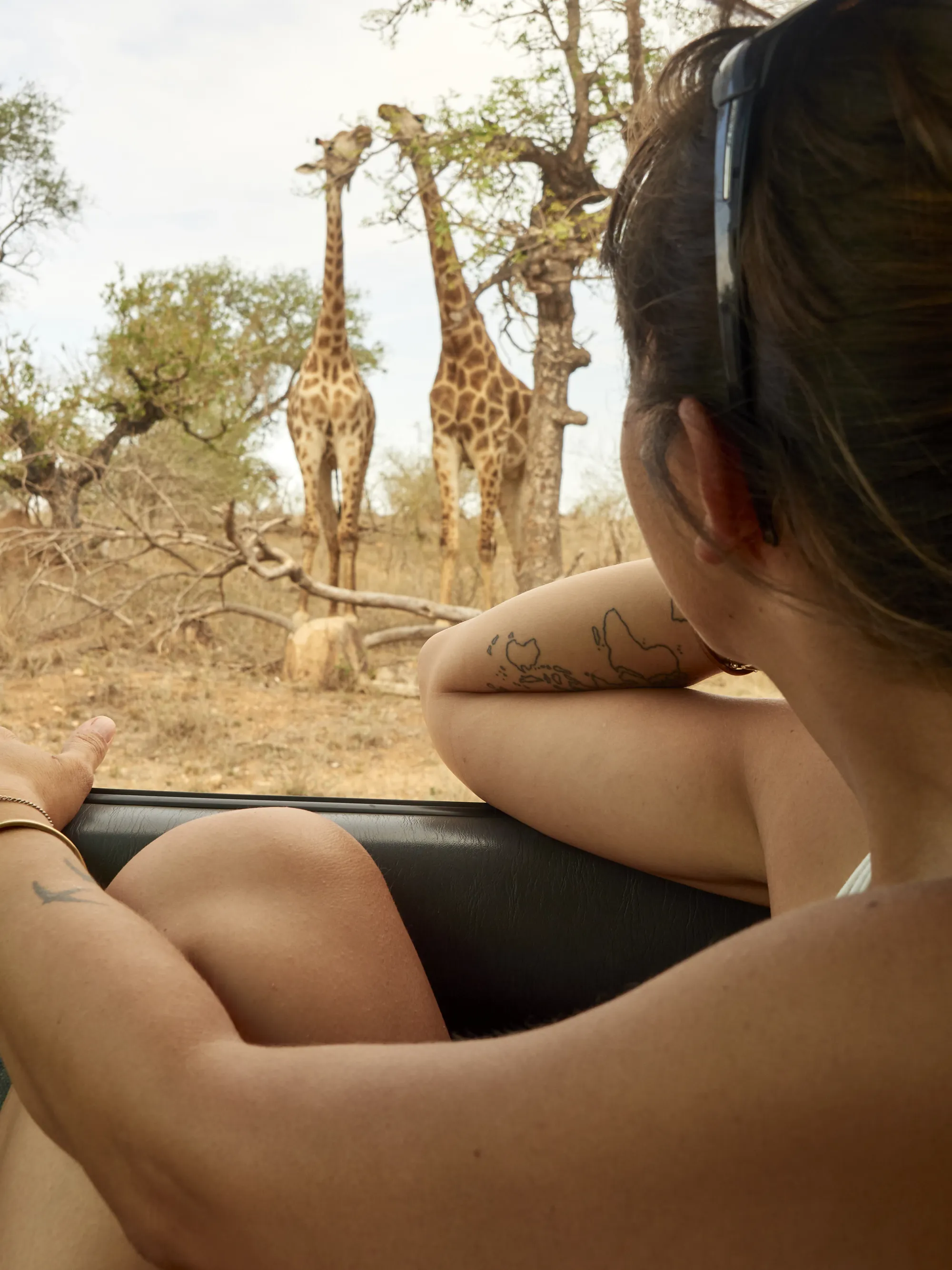
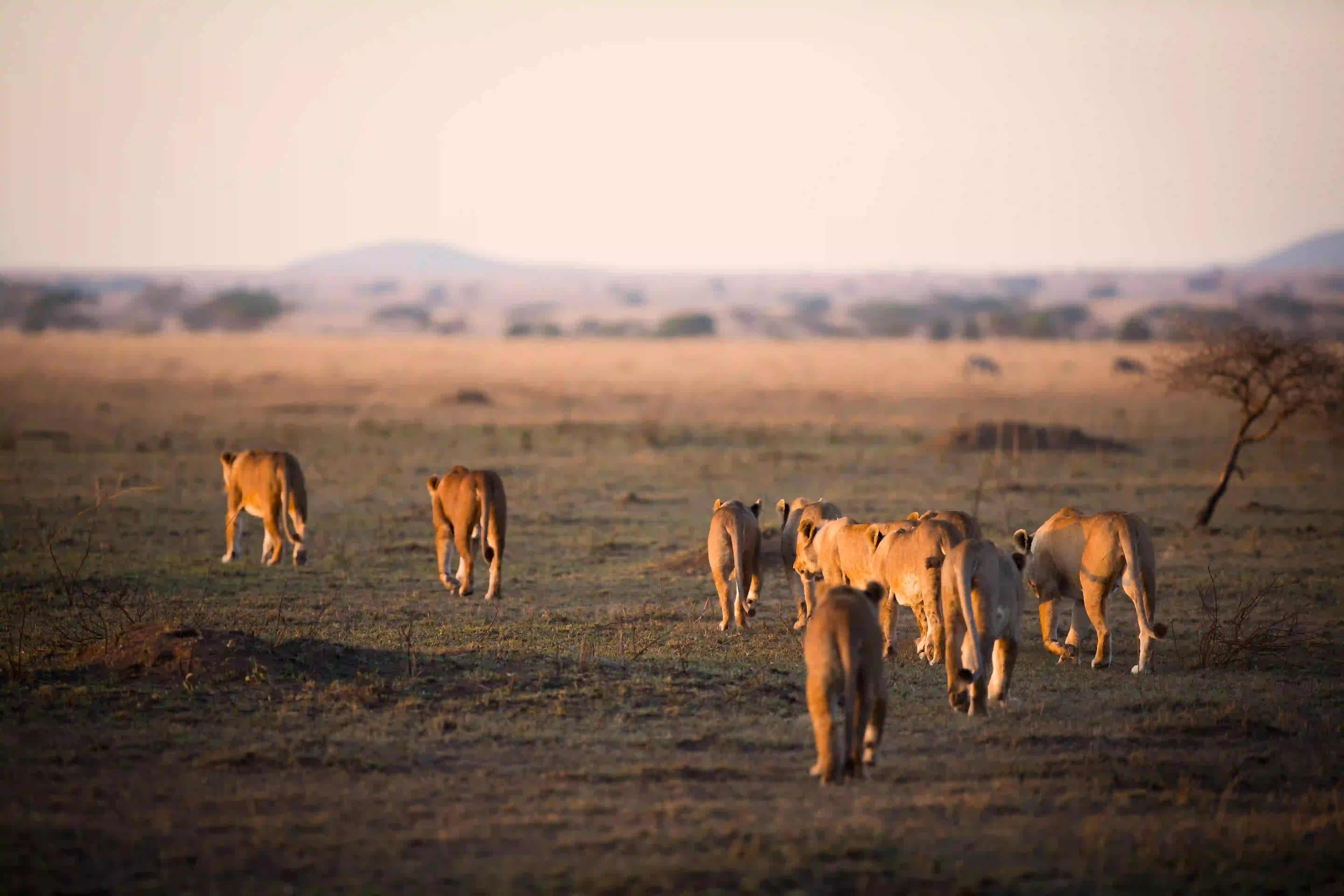
During the game drive, your guide will look for tracks, listen to other guide updates, read animal behaviour, and choose the best routes. You may stop for lions, elephants, giraffes, birds, zebras or even small details such as dung beetles, tracks and plants. A good guide does more than drive; they help you understand what you are seeing.
Some days include a picnic breakfast or lunch in the park. Other days may return to the lodge for rest during the heat of the afternoon. Evening game drives can be beautiful because the light becomes soft and animals often become active again.
Luxury safaris may include private vehicles, flexible timing, sundowners, bush meals, fly-in flights, handpicked camps and slower pacing. Group safaris usually follow a more fixed schedule but can be more affordable and social.
Private Safari vs Group Safari for First-Time Visitors
A private safari gives you your own vehicle and guide. This is the best choice for families, couples, honeymooners, photographers, senior travellers and guests who want flexibility. You can stop when you want, spend longer at sightings, control the pace and have more personal attention.
A group safari is a shared experience. It usually costs less because the vehicle and guide cost is divided among guests. It can be good for students, solo travellers or budget-conscious guests who do not mind a fixed schedule.
For a first safari, I usually recommend private travel if the budget allows. First-time guests often have many questions, and a private guide creates a more relaxed learning experience. But a well-organised group safari can still be a good choice if expectations are clear.
When Is the Best Time for a First Tanzania Safari?
The easiest answer for first-time visitors is June to October. This is the dry season, when wildlife is generally easier to see because vegetation is thinner and animals gather around water. SafariBookings describes June to October as the best general period for wildlife viewing in Tanzania. Source: SafariBookings Tanzania Best Time.
January and February are also excellent, especially for travellers who want the southern Serengeti calving season. The green scenery can be beautiful, and predator activity may be strong around the herds.
March to May is the long rainy season. This period can offer fewer crowds and green landscapes, but it requires careful planning. Some remote camps may close or routes may be harder. November and early December can also be lovely for travellers who want softer scenery and birdlife.
The best time depends on your priorities. If you want the simplest first safari, choose the dry season. If you want calving, choose January to March. If you want value and fewer people, consider selected green-season months with expert advice.
How Many Days Should a First Tanzania Safari Be?
A first safari should usually be at least five days if you want a meaningful experience. Five days can cover Tarangire, Ngorongoro and a short Serengeti visit, but it will feel active. Seven days is better for most travellers because it gives more time in Serengeti and reduces rushing.
Ten days is excellent if you want a complete northern Tanzania safari and perhaps Zanzibar after. Fourteen days gives space for a deeper journey, such as Serengeti, Ngorongoro, Tarangire, Lake Manyara and Zanzibar, or even a southern circuit extension.
The mistake I see often is trying to fit too many parks into too few days. It is better to enjoy fewer places properly than to spend most of the trip moving between lodges.
What Should First-Time Visitors Pack?
- Neutral clothingComfortable for game drives and dust
- Warm layerMornings can be cold, especially Ngorongoro
- Sun protectionHat, sunglasses and sunscreen are important
- Comfortable shoesUseful for travel days and camp walks
- Medicine and documentsImportant for health and smooth entry
- Camera or binocularsImproves wildlife viewing and memories
Packing for safari is easier when you think about comfort, layers and practical travel. Neutral colours such as khaki, beige, olive and brown work well. Avoid very bright colours for game drives and avoid heavy luggage because safari vehicles and small aircraft may have luggage limits.
Bring light clothing for warm days, a fleece or jacket for cold mornings, comfortable closed shoes, sun protection, insect repellent, camera equipment, personal medicine and copies of important documents. Early mornings in highland areas such as Ngorongoro can be cold, so layers are important.
Health planning should be done before travel. CDC Travelers’ Health recommends that travellers going to certain areas of Tanzania take prescription medicine to prevent malaria, with malaria transmission in areas below 1,800 metres. Source: CDC Travelers’ Health Tanzania. Speak with your doctor or travel clinic early because some medicines must be started before arrival.
Is Tanzania Safe for First-Time Safari Travellers?
Tanzania is one of Africa’s most established safari destinations, and many travellers visit safely every year. However, safe travel depends on professional planning, reliable transfers, trained guides, suitable vehicles, good communication and sensible personal choices.
On safari, listen to your guide. Do not stand up near predators unless your guide says it is safe. Do not walk alone around unfenced camps at night. Do not feed animals. Keep a respectful distance from wildlife. These rules are simple, but they protect both guests and animals.
Visa and entry requirements should be checked before travel. Tanzania’s official eVisa portal allows online visa applications for mainland Tanzania and Zanzibar, and the immigration department lists ordinary visa requirements such as a valid passport with at least six months validity, visa fee, passport photo and return ticket. Sources: Tanzania eVisa and Tanzania Immigration.
Safari Etiquette: How to Behave Around Wildlife and Local Communities
Safari etiquette is part of responsible travel. Keep voices low at sightings, avoid pressuring guides to go off-road where it is not allowed, and allow animals space to move naturally. Good sightings are better when wildlife is not stressed.
Photography should also be respectful. Do not use flash directly at animals at night unless your guide confirms it is permitted. Ask before photographing local people, especially during cultural visits. A respectful guest learns more and leaves a better impact.
When visiting communities, avoid treating people like attractions. Travel with a responsible guide, listen carefully, buy directly from local artisans when appropriate, and understand that culture is not a performance. Warriors of Africa Safari can help arrange cultural experiences that feel respectful and meaningful.
Free 30-minute call with our trip designer
Schedule a free call with Amina Hassan to get honest advice on lodges, routes, and the best season for your dates.
Book a Free CallSenior Trip Designer · Based in Arusha
Angel’s First Safari Planning Tips
- Do not rush the routeMore time in fewer places improves the safari
- Book early in peak seasonBetter lodges and guides fill quickly
- Choose private safari for flexibilityEspecially useful for families and photographers
- Ask what is includedAvoids hidden cost surprises
- Add Zanzibar after safariGives time to relax after early mornings
Choose the safari around your travel style, not only around famous names. A honeymoon couple may want privacy and romance. A family may need shorter drives and flexible meals. A photographer may need more time in fewer parks. A senior traveller may need slower pacing and comfortable lodges.
Book early for peak season, especially if you want July, August, September, October or festive travel. The best lodges and guides can be reserved months ahead.
Ask what is included in your quote. A proper safari quote should show accommodation, meals, park fees, vehicle, guide, transfers and any domestic flights. If something is unclear, ask before paying.
Plan rest time. Safari is exciting, but it can also be tiring. Early mornings, dusty roads and long days are part of the experience. A well-paced safari gives you time to enjoy the journey rather than just tick destinations off a list.
Choosing Accommodation: Lodge, Tented Camp or Mobile Camp?
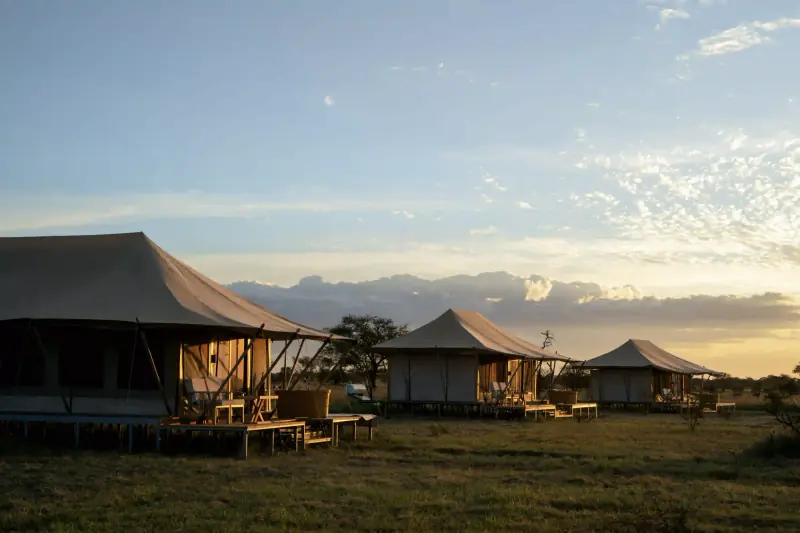
First-time travellers often ask whether a tented camp is safe. In Tanzania, a tented camp does not mean a small camping tent unless the package is specifically a camping safari. Many tented camps are elegant, spacious and very comfortable, with proper beds, private bathrooms and attentive service.
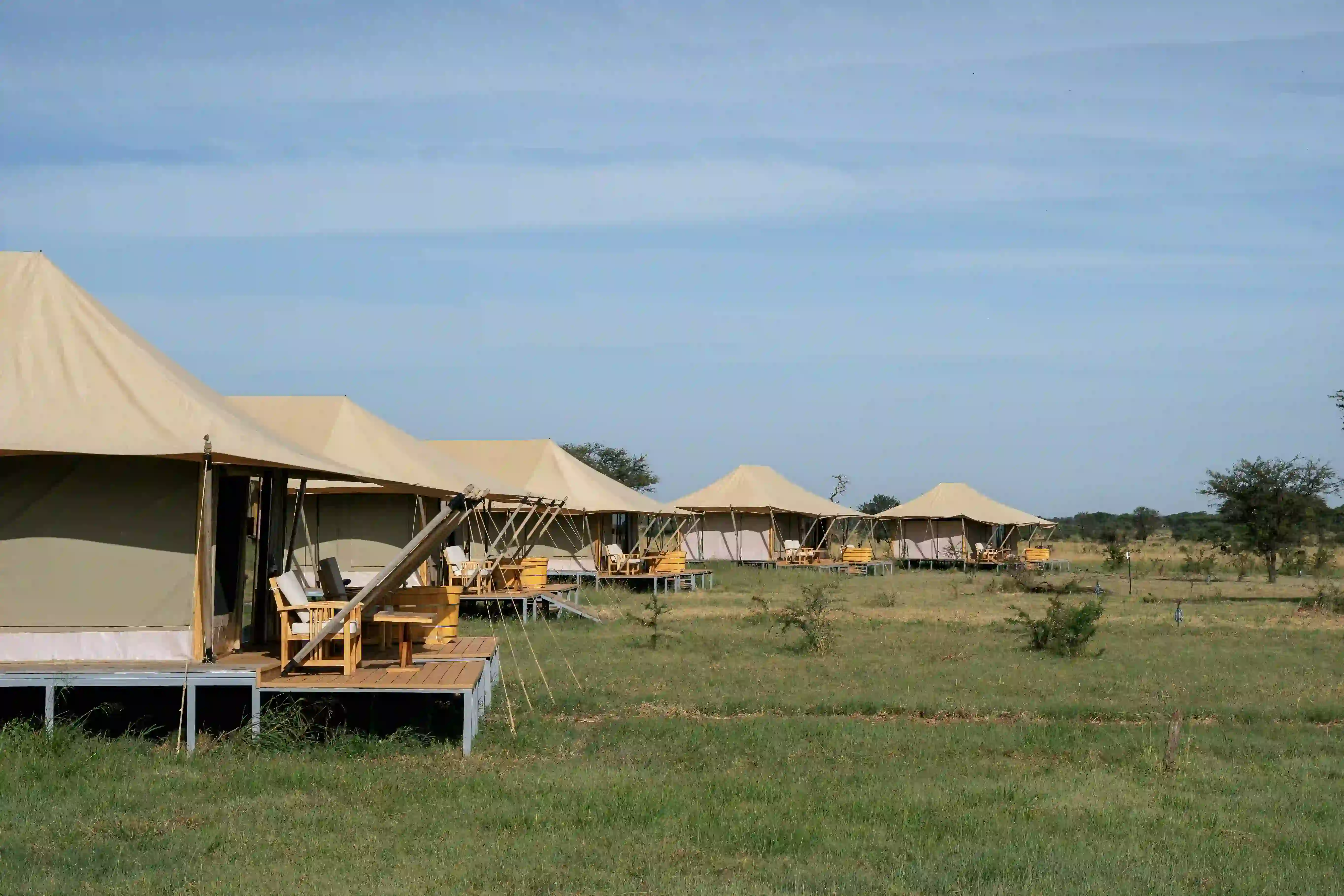
Lodges usually have more solid structures, gardens, pools or larger facilities. They can be good for families and travellers who prefer a familiar hotel feeling. Tented camps feel closer to nature and can be very romantic or adventurous without losing comfort. Mobile camps are sometimes positioned seasonally to follow wildlife movement, especially in the Serengeti.
The right accommodation depends on your comfort level and route. A first-time traveller who worries about the wild may prefer lodges at the beginning and a tented camp later. A honeymoon couple may prefer small luxury camps. A family may need connecting rooms, flexible meals and a pool.
Understanding Safari Vehicles and Guides
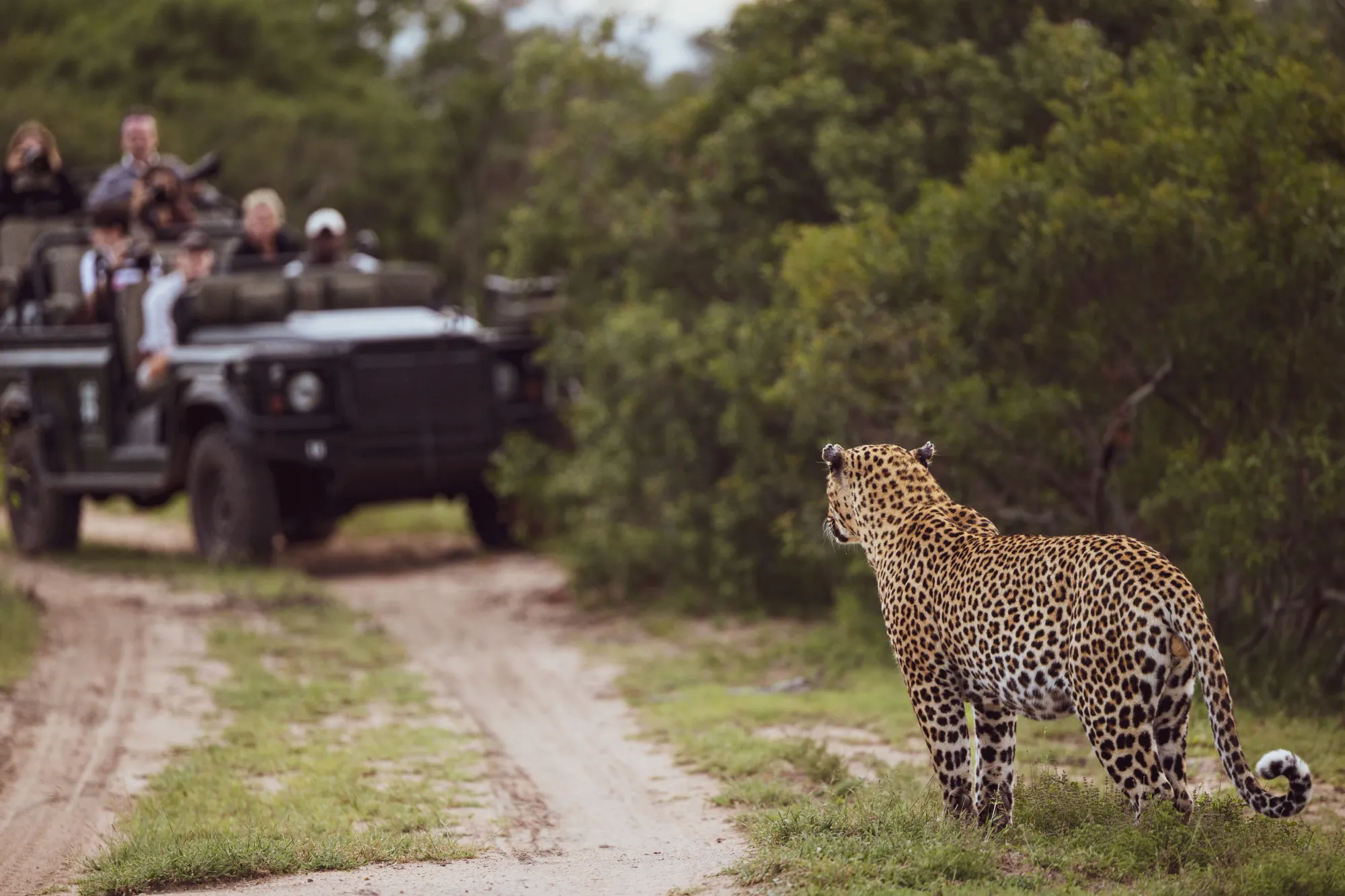
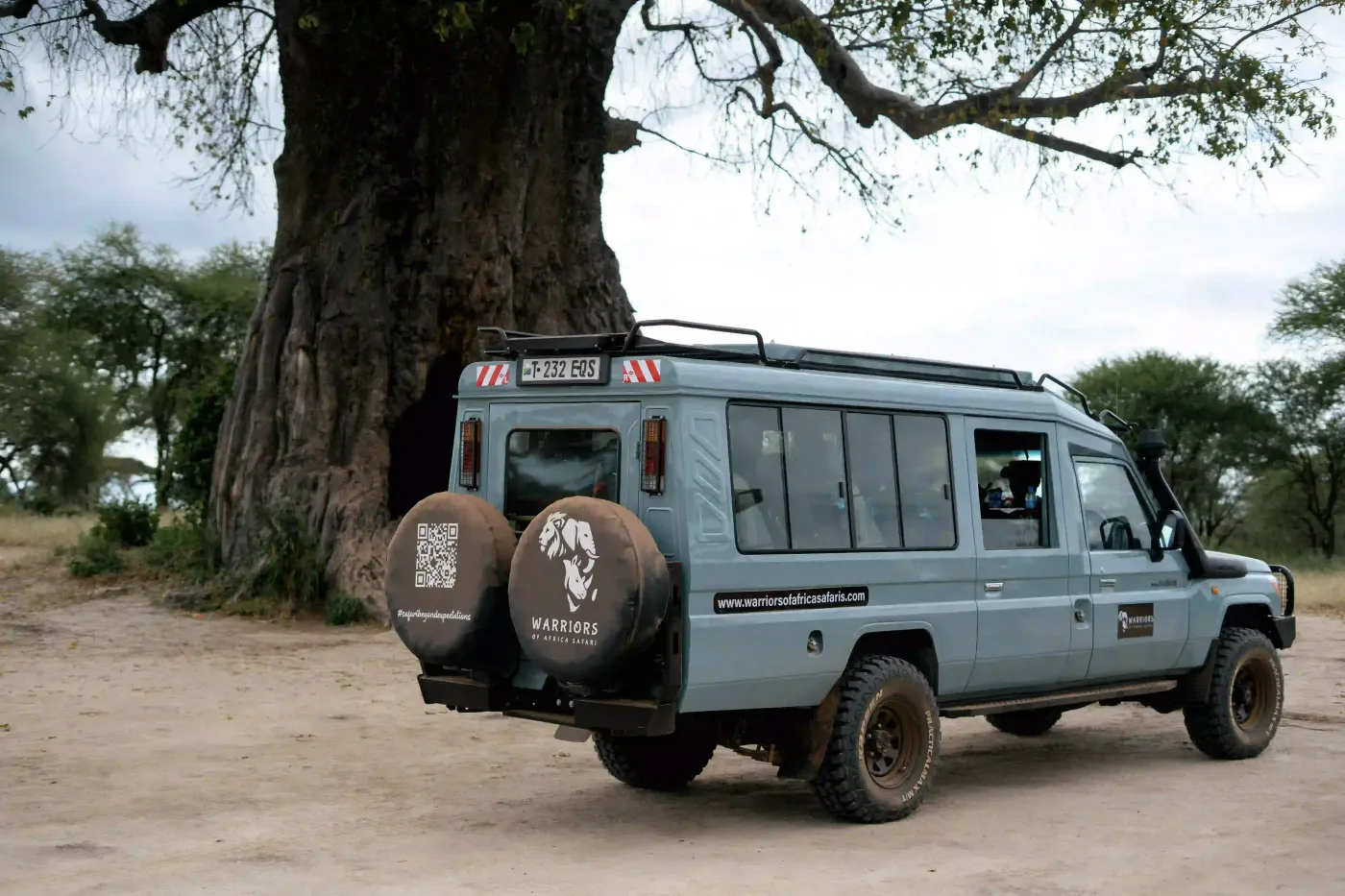
The safari vehicle is your moving viewing platform, so it matters. Most Tanzania safaris use 4x4 vehicles with pop-up roofs, allowing guests to stand and view wildlife safely. A private vehicle gives more space and flexibility. A shared vehicle reduces cost but means everyone follows the same schedule.
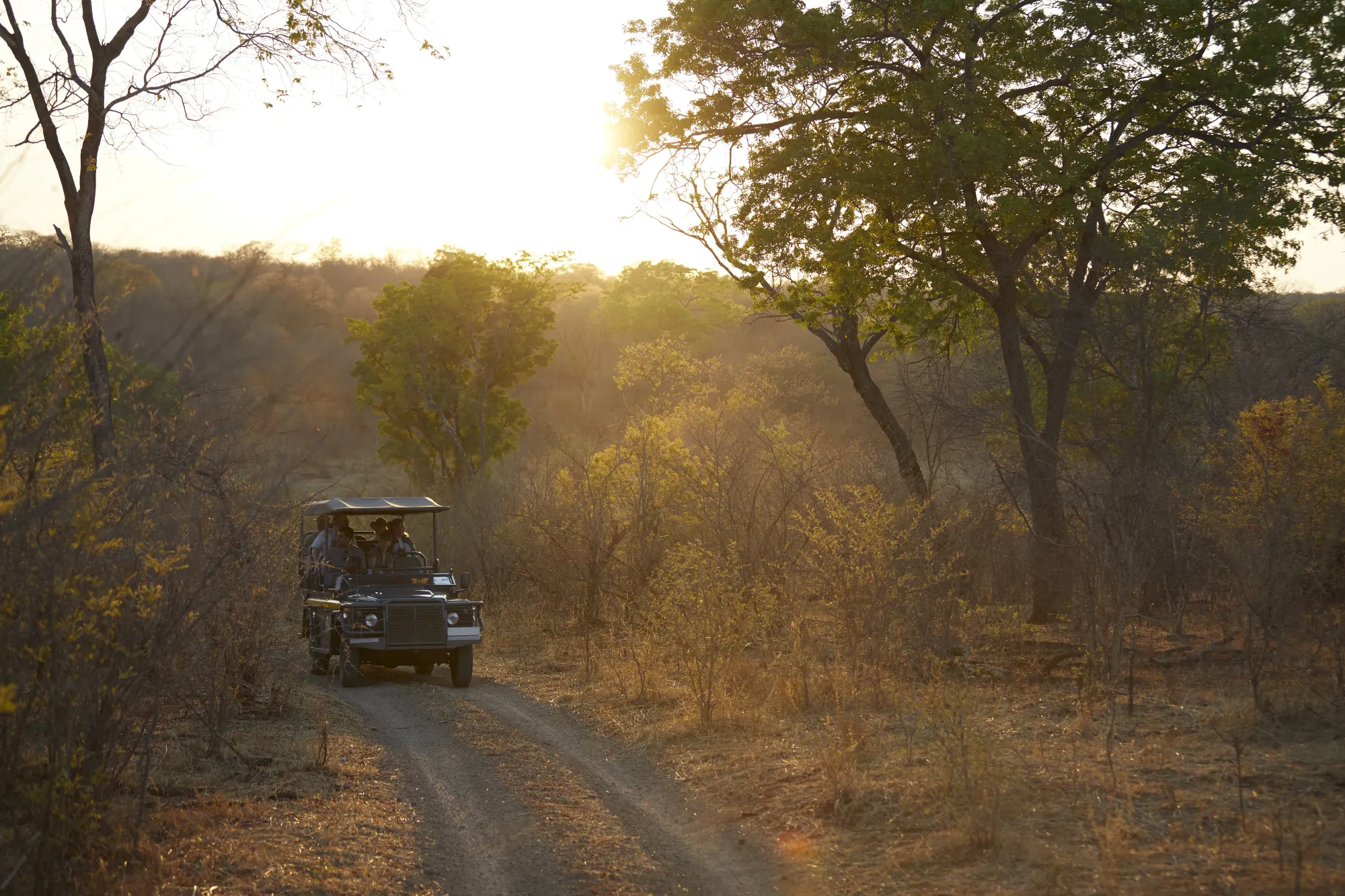
The guide is one of the most important parts of the safari. A great guide understands animal behaviour, weather, tracks, road conditions and guest comfort. They also know when to wait, when to move and how to position the vehicle without disturbing wildlife. This is why a good safari is never just about the parks.
First-time travellers should ask whether their guide will stay with them throughout the safari or whether they will use lodge-based guides in each place. Both can work, but the experience feels different. A dedicated guide creates continuity, while lodge guides may know their local area deeply.
Food, Bathrooms and Comfort on Safari
Many first-time travellers worry about food and bathrooms. Safari lodges and camps are used to hosting international guests, and meals are usually generous. Breakfast may be served before or after the morning game drive, lunch may be at the lodge or picnic style, and dinner is usually served after sunset.
Private dietary needs should be shared before travel. Vegetarian, vegan, gluten-free or allergy-sensitive meals can often be arranged, but the safari company and lodges need advance notice because remote camps plan supplies carefully.
Bathrooms vary during game drives. Lodges have normal bathrooms, and many parks have picnic sites or rest stops. In remote areas, comfort stops may be more basic. A good guide will explain what to expect and plan stops respectfully.
Money, Documents and Communication
- Passport validityNeeded for entry and visa processing
- VisaMany travellers need it before or on arrival
- Travel insuranceImportant for remote travel
- Cash for tipsUseful for guides and staff
- Offline documentsHelpful if Wi-Fi is weak
Before travel, make sure your passport, visa, travel insurance and flight details are in order. Tanzania’s official immigration guidance for ordinary visas mentions a valid passport with at least six months validity, a visa fee, passport photo and return ticket. The official eVisa system allows online applications for mainland Tanzania and Zanzibar.
Carry some cash in US dollars for tips and small expenses, but do not carry more than necessary. Cards may work at some lodges and hotels, but remote areas may have limited connectivity. It is useful to keep digital and printed copies of important documents.
Mobile signal can be weak in remote safari areas. Some camps have Wi-Fi, but it may be slow. This is part of the wilderness experience. Tell family or work contacts that you may not always be reachable.
Best Beginner Mistakes to Avoid
The first mistake is choosing a safari only by price. Price matters, but a safari is a guided wilderness journey. If the quote is low because the route is rushed, the vehicle is crowded, the lodge is far from the park, or key fees are missing, the experience may not feel like good value. A first safari should be clear, comfortable and realistic.
The second mistake is believing every wildlife sighting is guaranteed. Tanzania has excellent wildlife, but animals are wild and move according to weather, food, water and behaviour. A good guide improves your chances, but honest safari planning never promises exact moments. This is especially true for river crossings, leopards, rhinos and tree-climbing lions.
The third mistake is packing too much. Safari luggage should be simple and practical. Soft bags are easier to fit in vehicles and small aircraft. Neutral clothing, layers and comfortable shoes are more useful than formal outfits.
The fourth mistake is planning no rest time. Many guests arrive after long international flights and want to start immediately. Sometimes that works, but a relaxed first night in Arusha can make the whole journey smoother. A tired traveller may not enjoy the first game drive as much as they should.
How Warriors of Africa Safari Helps First-Time Guests
- Route planningCreates a smooth flow between parks
- Season adviceMatches travel dates to the best destinations
- Lodge selectionBalances comfort, budget and location
- Private guidingGives personal support and flexibility
- Pre-travel guidanceReduces stress before arrival
First-time travellers need more than a list of parks. They need someone to explain the route, the pace, the season, the vehicle, the lodge style and the small details that make the journey feel safe. This is where Warriors of Africa Safari can add real value.
Our role is to listen first. We ask about your travel dates, budget, comfort level, health needs, family needs, dream animals, preferred accommodation and whether you want Zanzibar after safari. Then we design a route that matches the guest instead of forcing every traveller into the same package.
We also help guests understand what to expect before arrival. This includes airport transfers, tipping, packing, visa reminders, health preparation, daily safari rhythm and communication during the trip. The more prepared a guest feels, the more relaxed the safari becomes.
For me, a successful first safari is when a traveller says, “I felt safe, I understood what was happening, and I could enjoy the moment.” That is the feeling we want every Warriors of Africa Safari guest to have.
FAQs: Tanzania Safari for First-Time Visitors
Plan Your Tanzania Safari with Angel
The right safari should feel safe, smooth and personal. Tell me your travel dates, budget, travel style and dream experience, and Warriors of Africa Safari will help you design a Tanzania journey that fits you. Whether you want a private luxury safari, a group adventure, a family holiday, a honeymoon, or a safari and Zanzibar escape, we will help you choose the right route, season and pace.
5 Days Tanzania Safari
- Tarangire, Ngorongoro & Serengeti in one route
- Crater descent with picnic lunch
2 Comments
18 Jun, 2025
We booked the Northern Circuit through Arusha and every hand-off—from JRO to Serengeti airstrips—felt calm. Our guide's radio etiquette around cats was flawless.
19 Jun, 2025
Same experience on the Zanzibar extension—stone town pacing one day, reef silence the next. The Arusha ops team was on WhatsApp within minutes whenever we had a question.
2 Jul, 2025
Nyerere by boat at dusk—hippos, herons, and our guide explaining how Tanzania balances tourism with conservation quotas. Unforgettable.