
Tanzania Safari with Kids: What Parents Should Know — Angel’s Complete Family Guide
Introduction: A Family Safari Should Be Designed Around Children, Not Just Include Them
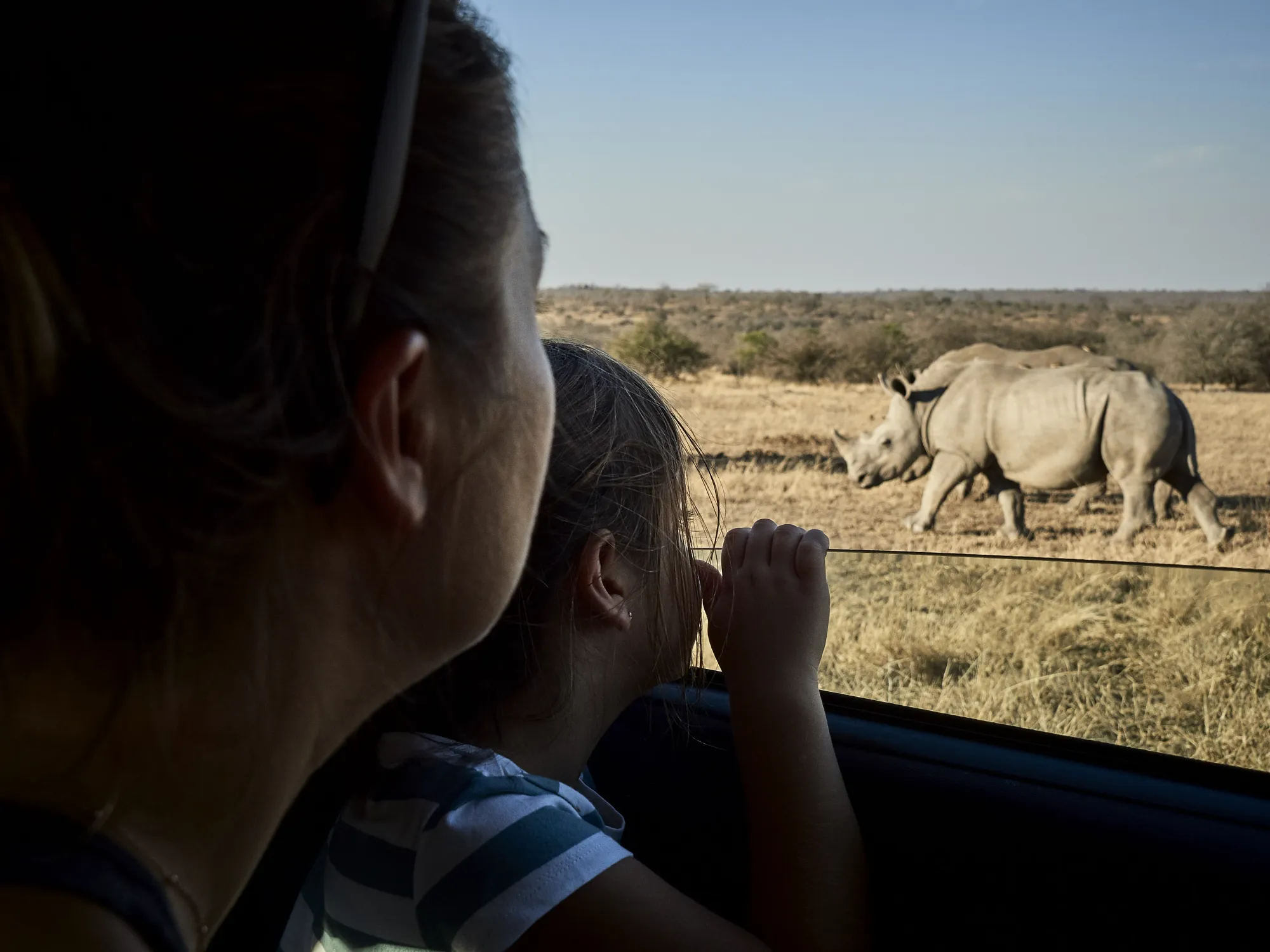
A Tanzania safari with children can become one of the strongest family memories you ever create. It can also become tiring very quickly if the route is built like an adult safari and the children are simply expected to keep up. The difference is usually not the park. It is the pace.
I am Angel from Warriors of Africa Safari, and when parents ask me whether Tanzania is suitable for children, my answer is yes — with careful planning. I need to know the children’s ages, how they handle long car journeys, whether they wake early, what they eat, how much structure they enjoy, and whether anyone has medical or mobility needs.
Tanzania’s safari areas vary greatly. TANAPA highlights Tarangire’s exceptional elephant importance, UNESCO describes Serengeti as a vast savannah ecosystem shaped by annual migration, and UNESCO recognises the Ngorongoro Conservation Area for its extraordinary wildlife concentration and mixed natural and cultural significance. Those facts help us choose a route, but they do not tell us whether a six-year-old will enjoy eight hours in a vehicle.
This guide is for parents who want honest planning. I will cover suitable ages, health preparation, wildlife safety, vehicles, car seats, drive length, food, family rooms, packing, keeping children interested, school-age differences, teenagers, multi-generational travel, Zanzibar, and the mistakes I would avoid.
The goal is not to make children endure safari. The goal is to help them become curious about it.
Angel’s advice
Quick Answer: Tanzania Safari with Kids at a Glance
- Best age?There is no universal minimum; personality, route and lodge policies matter. Many school-age children engage more easily than toddlers.
- Best first park?Tarangire is a strong family choice because elephants and baobabs are immediately engaging.
- Private vehicle?Highly recommended for many families because it allows bathroom breaks, shorter drives and flexible timing.
- How many safari nights?About 5-7 nights works well for many first-time families; younger children may prefer shorter.
- Best route?Tarangire + Ngorongoro, with Serengeti added for older or wildlife-focused children.
- Health planning?Use current travel-health advice and speak with a qualified clinician before travel.
- Beach extension?Zanzibar is an excellent recovery chapter if the coast and resort suit the family.
- Biggest mistake?Too many parks, too many one-night stays and adult-length drives every day.
1. What Is the Best Age for a Tanzania Safari?
There is no single perfect age because children differ. A calm five-year-old who loves animals may engage more than a restless eleven-year-old who dislikes car journeys. I look at personality before age.
Very young children need shorter drives, more frequent breaks and accommodation chosen carefully. Some camps and activities have age restrictions, so parents must check the exact product rather than assume every safari experience accepts every child.
Children around primary-school age often begin to enjoy animal behaviour, binoculars, tracks and simple photography. Teenagers may appreciate migration ecology, predators, conservation and more challenging travel days.
The key is to avoid comparing your child with another family’s social-media trip. Build around the real child.
2. Health Preparation Before Travel
Health planning should begin well before departure, especially for children. The CDC’s current Tanzania traveller page advises travellers to review vaccines and medicines and notes malaria prevention considerations for certain areas of Tanzania. This is not a reason to panic; it is a reason to use qualified medical advice.
Parents should consult a clinician who understands travel medicine, the child’s health history and the exact itinerary. Malaria risk, routine vaccines, food and water precautions, sun exposure and mosquito-bite prevention can all matter.
Carry essential prescription medication in hand luggage. Bring enough for the trip plus a sensible reserve, and keep copies of prescriptions or medical information where appropriate.
Travel insurance should be checked carefully for medical care, evacuation and the activities included in the itinerary. Do not assume every policy covers every region or activity.
3. Wildlife Safety: What Children Must Understand
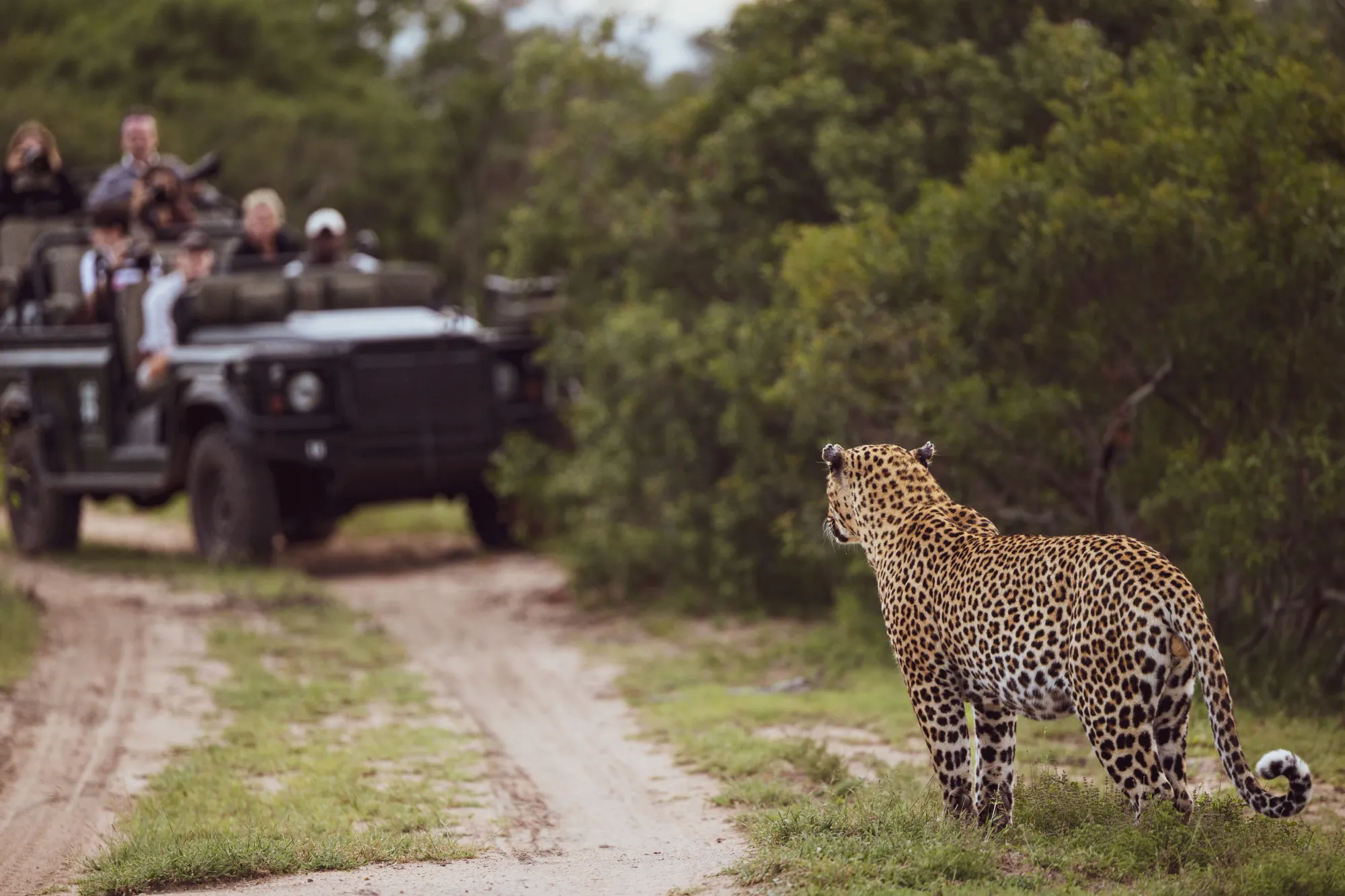
Safari vehicles are designed for wildlife viewing, but animals remain wild. Children must understand that a lion beside the vehicle is not a zoo animal and an elephant should never be teased, called or approached.
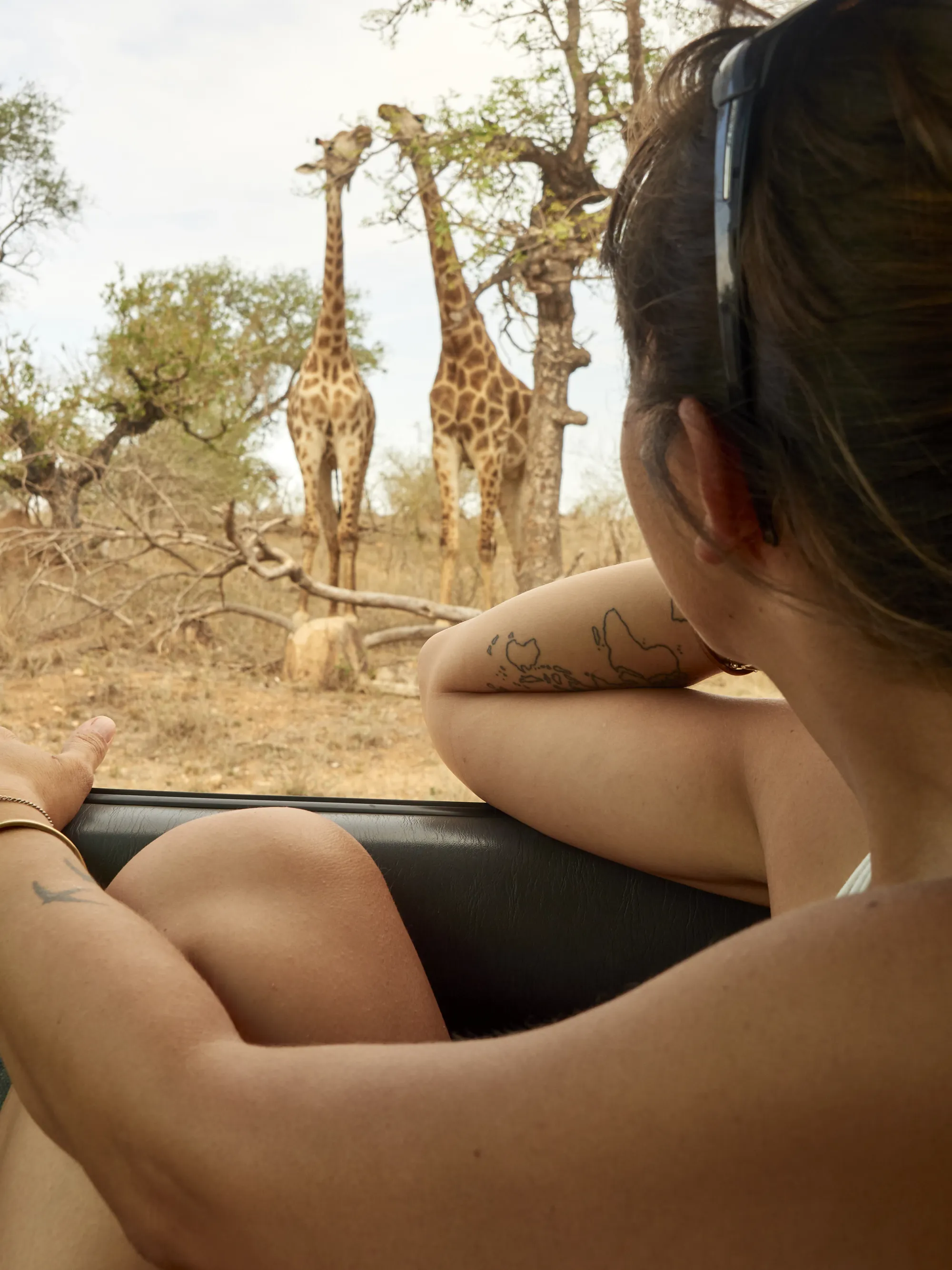
Parents should support the guide’s instructions. Sudden standing, shouting or putting arms outside when told not to can create unnecessary risk. At unfenced camps, children may need escorts after dark or at other times according to property rules.
Never let a child walk away from a vehicle or lodge area without permission because the landscape may contain wildlife that is difficult to see.
A good guide explains rules calmly. Fear is not the goal. Respect is.
4. Why I Strongly Recommend a Private Vehicle for Many Families
A private vehicle is one of the most useful family upgrades because it changes the schedule rather than merely the room.
A child who needs a bathroom break does not have to worry about strangers. A tired family can return early. A wildlife-obsessed teenager can stay longer with a cheetah. Parents can keep snacks and layers organised without feeling intrusive.
The private vehicle also lets the guide learn the children’s interests. A good family guide can turn tracks into clues and birding into a competition.
The cost is higher, but for younger children or multi-generational groups, I often prioritise it before luxury room upgrades.
5. Safari Vehicles, Seat Belts and Car Seats
Parents should ask specific questions about the vehicle before booking. Safari 4x4s vary in seating, roof design, step height and restraint systems.
Do not assume your home-country car-seat setup will automatically fit every safari vehicle or transfer vehicle. Discuss the child’s age and needs with the operator before arrival and confirm what equipment is available or what you should bring.
Long road transfers may use different vehicles from game drives. Airport transfers may also differ.
This is an area where precise communication matters more than generic promises.
6. How Long Should Children Spend on Game Drives?
Young children often do better with shorter drives than adults. Two or three hours can be exciting; eight hours can become a test.
Older children may enjoy full-day drives when wildlife is active and the guide keeps them engaged. The same child may still need a quiet day after several early mornings.
I like alternating intensity: a full wildlife day followed by a shorter drive or lodge afternoon.
Do not judge the value of a safari by hours spent in the vehicle. Quality matters.
7. Best Parks for Families
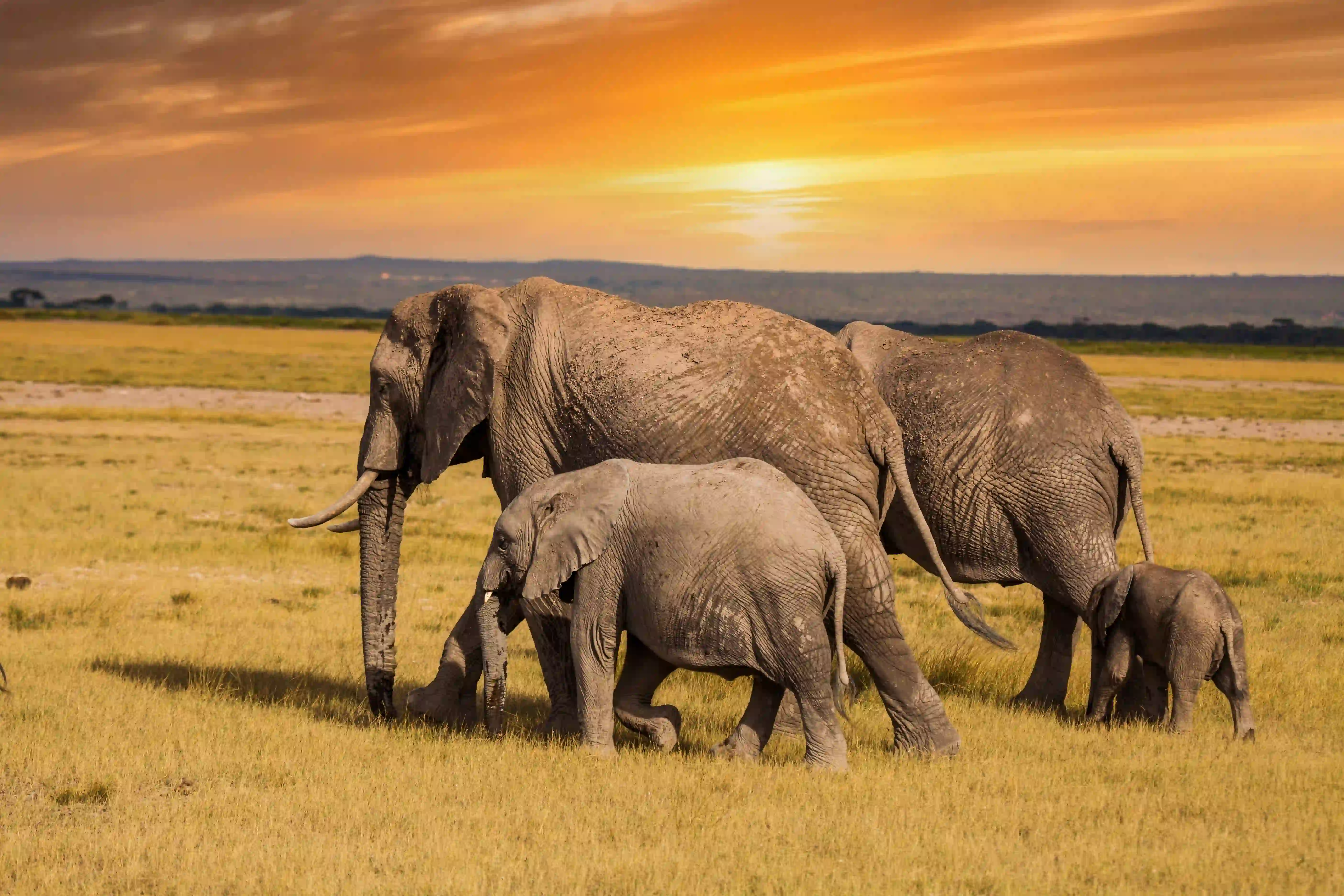
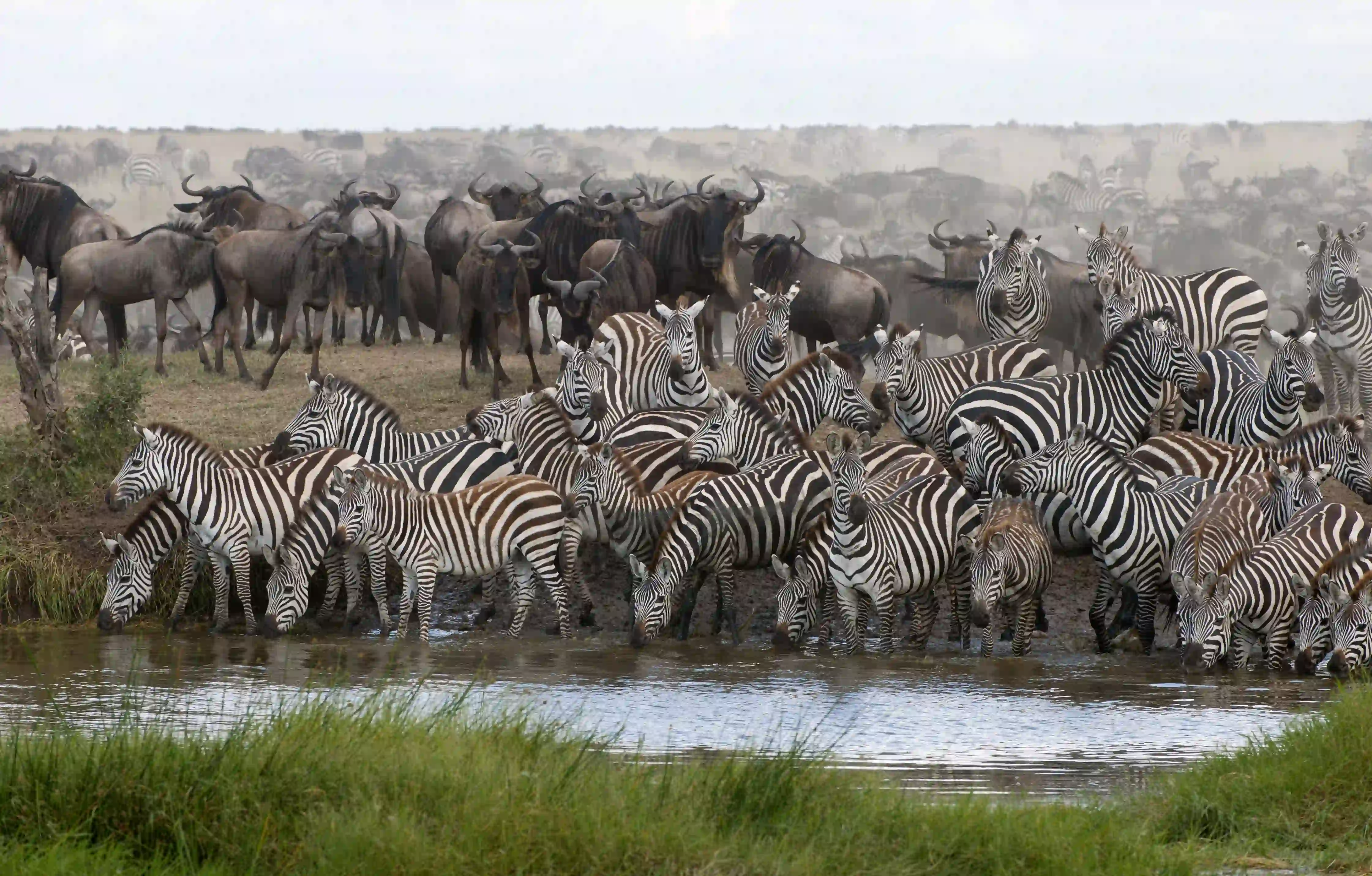
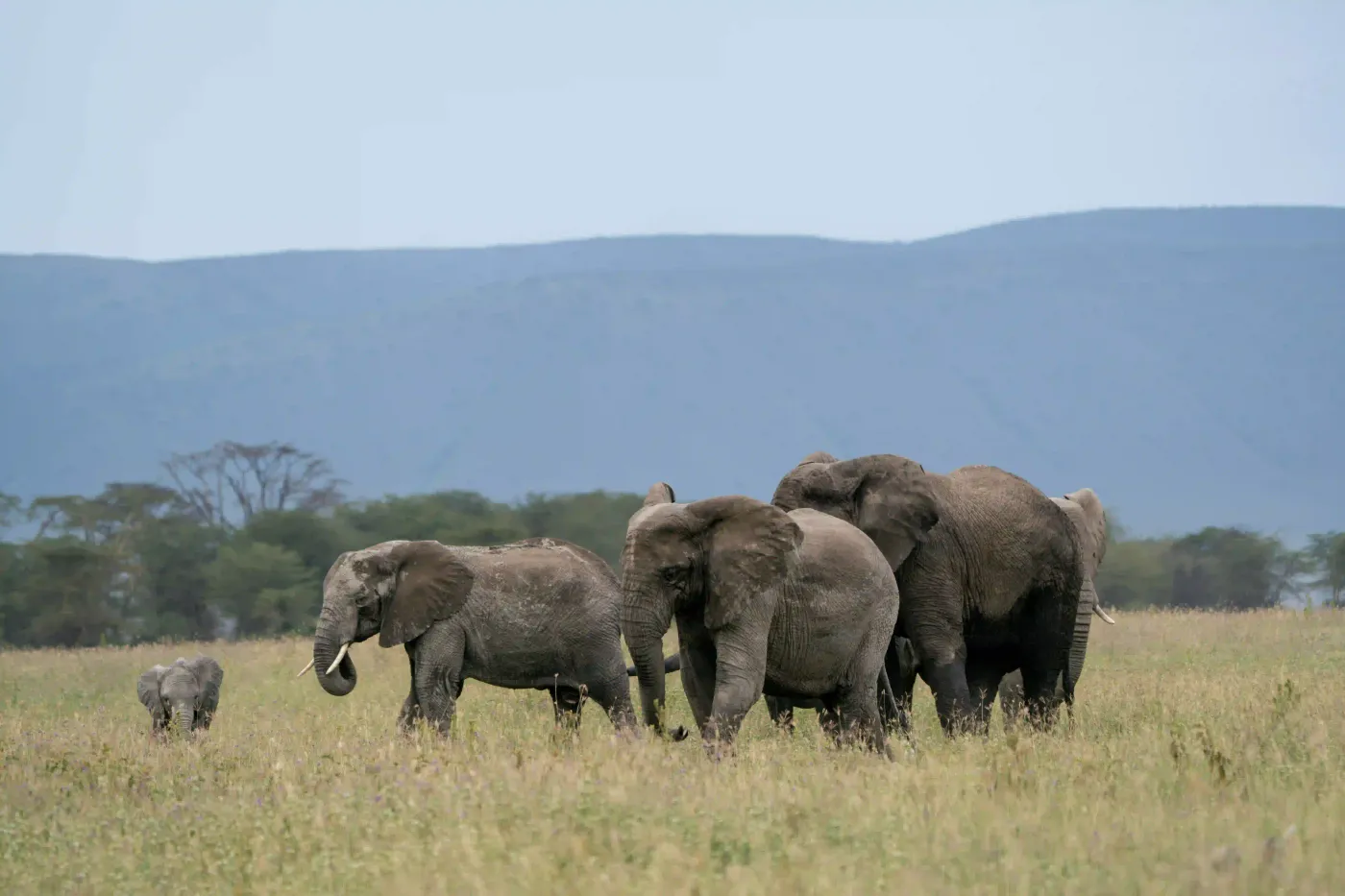
Tarangire is one of my top choices because elephants are easy for children to recognise and the baobab scenery is memorable. TANAPA specifically highlights the park’s elephant concentration.
Ngorongoro is strong because a single crater day can deliver varied wildlife and dramatic scenery. UNESCO’s description emphasises the exceptional crater landscape and wildlife concentration.
Serengeti is excellent for older children and families who genuinely enjoy wildlife. UNESCO describes its 1.5 million hectares of savannah and annual migration. The same scale means transfers need careful planning.
Lake Manyara and Arusha National Park can add variety or a gentler first day, while remote parks are better for families who already know they enjoy safari.
8. Food, Allergies and Picky Eaters
Remote camps can often support dietary needs, but they need advance notice. Parents should share allergies clearly and distinguish medical allergy from preference.
If a child eats early, ask whether an earlier dinner is possible. If a child is extremely selective, tell the operator before travel so expectations are realistic.
Carry a small amount of familiar, permitted snack food for transfers, but follow customs and operator guidance. Do not feed wildlife.
Hydration matters. Children can become tired quickly in heat and sun.
9. Family Rooms: Ask for the Exact Layout
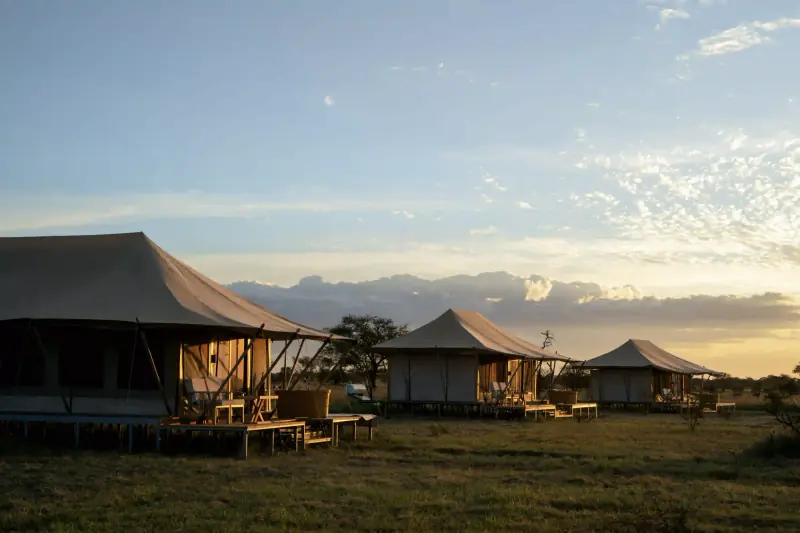
The phrase family room can mean connecting rooms, one large suite, separate tents, sofa beds or a second structure a short walk away.
Parents should ask where the children sleep, how doors connect, whether bathrooms are shared and how far the room is from dining areas.
At wildlife camps, also ask about escort rules and whether the property is fenced.
A glamorous lodge is not family-friendly simply because children are allowed.
10. Pools, Downtime and Why Rest Is Part of Safari
A swimming pool can be one of the most valuable features on a family safari because it gives children a different type of day.
Parents should ask about supervision, fencing and whether wildlife can access the lodge area.
Not every day needs two game drives. A quiet afternoon can prevent fatigue.
Luxury for families often means enough time to recover.
Free 30-minute call with our trip designer
Schedule a free call with Amina Hassan to get honest advice on lodges, routes, and the best season for your dates.
Book a Free CallSenior Trip Designer · Based in Arusha
11. Keeping Children Interested Without Turning Safari into School
Do not force children to memorise species. Let curiosity lead.
A good guide can explain behaviour through stories and questions rather than lectures.
Teenagers may enjoy photography, conservation, navigation or social-media-free challenges.
The goal is engagement, not performance.
12. Packing for a Tanzania Safari with Kids
Pack layers. Early mornings can be cool, midday can be warm and highland areas may feel cold.
Bring sun protection, comfortable closed shoes, a hat, reusable water bottle where appropriate, prescribed medication and a small personal day bag.
A spare set of clothing in hand luggage is useful after international travel. Soft-sided bags may be more practical for light-aircraft journeys, but exact airline rules should be confirmed.
Avoid overpacking toys. A small notebook, binoculars and one familiar comfort item can be enough.
13. Screens and Technology on Safari
I do not believe parents need to ban screens completely. Long transfers are real.
Use technology strategically: a tablet during a road transfer can preserve patience for the game drive.
On safari itself, encourage binoculars and observation. Teenagers can use phones for photography and species notes.
Set expectations before the trip rather than arguing in the vehicle.
14. Family Safari and Zanzibar
Zanzibar is an excellent family ending because it changes the pace after early mornings and dusty roads.
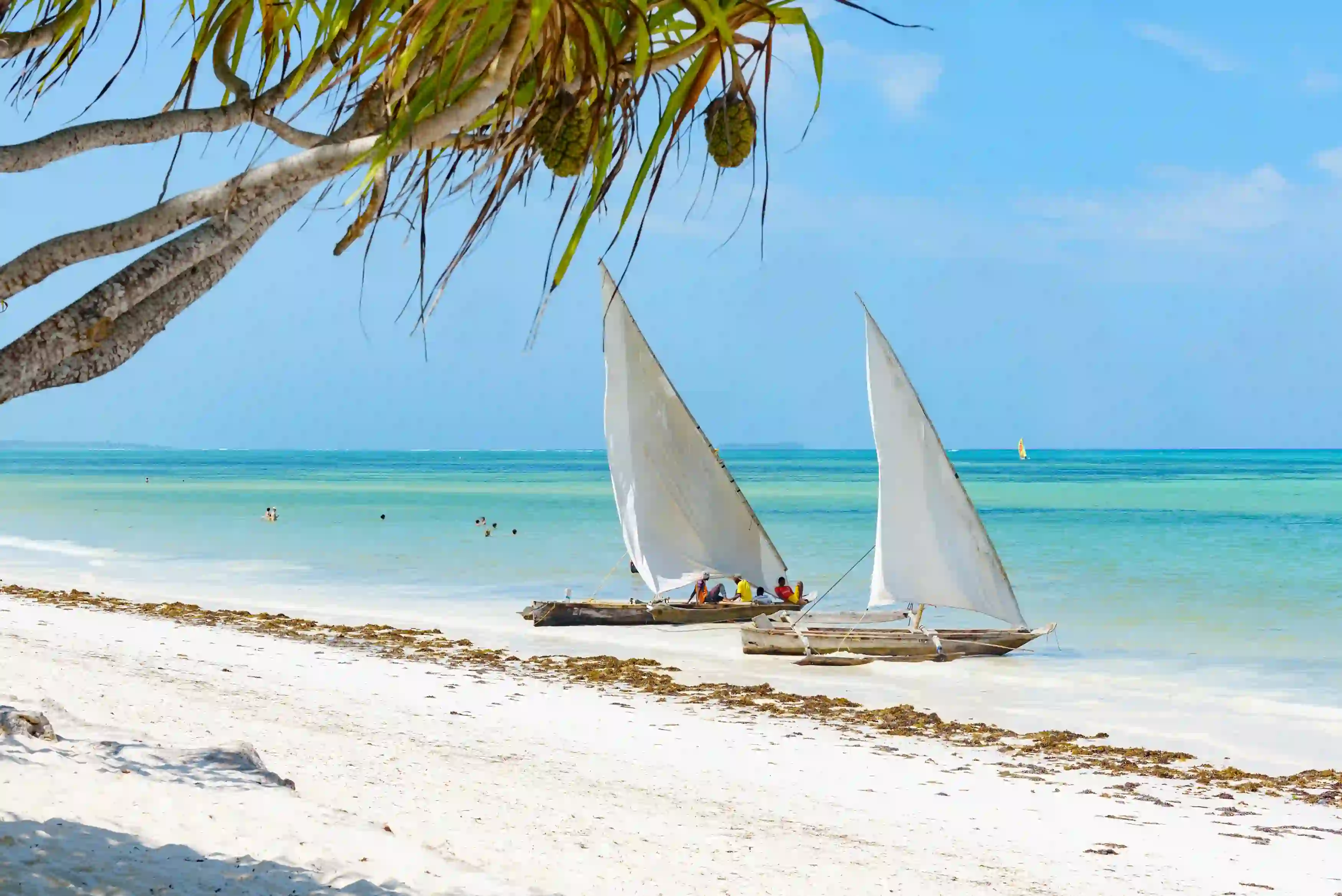
The official Zanzibar tourism authority promotes beaches, warm tropical waters, coral reefs, marine biodiversity, culture and adventure.
Choose the coast by swimming expectations, tides, restaurants, family rooms and transfer time. Nungwi and Kendwa often suit families who want services and activity choice, while quieter coasts suit slower travel.
Protect at least one completely free beach day.
15. Sample Family Itineraries
16. Multi-Generational Families
When grandparents travel with children, the itinerary must balance energy at both ends of the age range.
Ask about vehicle steps, lodge slopes, bathroom frequency, room proximity and medical needs.
A private vehicle is especially valuable because the family can change the day.
Use fewer destinations and longer stays.
17. Children with Additional Needs
Families should share sensory, mobility, dietary, developmental or medical needs early and privately.
A quieter private vehicle, predictable meal times, specific room location or reduced drive length may materially improve the trip.
Not every lodge can support every requirement, so honesty before booking is essential.
A specialist planner should never promise accessibility without checking the actual property and vehicle.
18. Common Parent Mistakes
19. My Parent Planning Checklist
- Children’s ages?Shapes route and activities.
- Longest comfortable car journey?Shapes transfer plan.
- Nap needs?Shapes drive rhythm.
- Food allergies/preferences?Shapes lodge preparation.
- Swimming ability?Shapes Zanzibar property.
- Medical needs?Shapes access and insurance.
- Wildlife interests?Helps guide engage children.
- Private vehicle budget?Major flexibility decision.
20. My Honest Recommendation
For many first-time families with school-age children, I like Tarangire, Ngorongoro and a focused Serengeti stay, followed by Zanzibar if time allows.
For younger children, I often remove Serengeti and keep the safari shorter.
For teenagers, I add more wildlife depth and perhaps photography or marine activities.
The best route is the one the family can enjoy together.
Frequently Asked Questions
Final Thoughts from Angel
A Tanzania safari with children should create curiosity, not exhaustion. The route should respect age, personality and the simple fact that children need breaks.
At Warriors of Africa Safari, we plan around the real family: ages, food, room needs, medical considerations, attention spans and budget.
Tell us who is travelling and what worries you. Good family safari planning begins with honest details.
Children do not need a perfect safari. They need enough comfort and freedom to discover why the wild matters.
Angel’s final advice
Family Safari Tanzania
- Family rooms & kid-friendly lodges
- Shorter drive legs between parks
2 Comments
18 Jun, 2025
We booked the Northern Circuit through Arusha and every hand-off—from JRO to Serengeti airstrips—felt calm. Our guide's radio etiquette around cats was flawless.
19 Jun, 2025
Same experience on the Zanzibar extension—stone town pacing one day, reef silence the next. The Arusha ops team was on WhatsApp within minutes whenever we had a question.
2 Jul, 2025
Nyerere by boat at dusk—hippos, herons, and our guide explaining how Tanzania balances tourism with conservation quotas. Unforgettable.